Mountaintop Moments
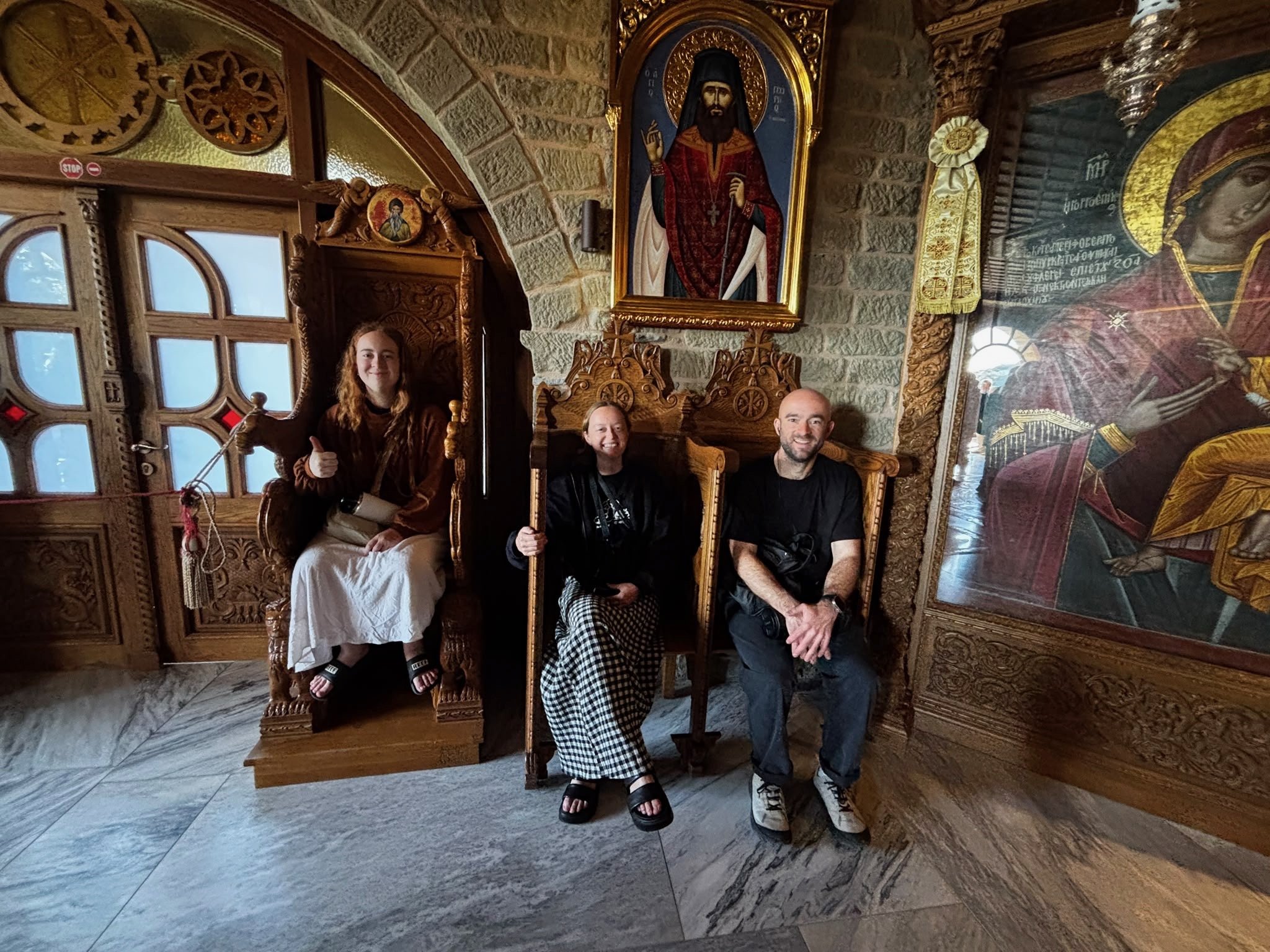
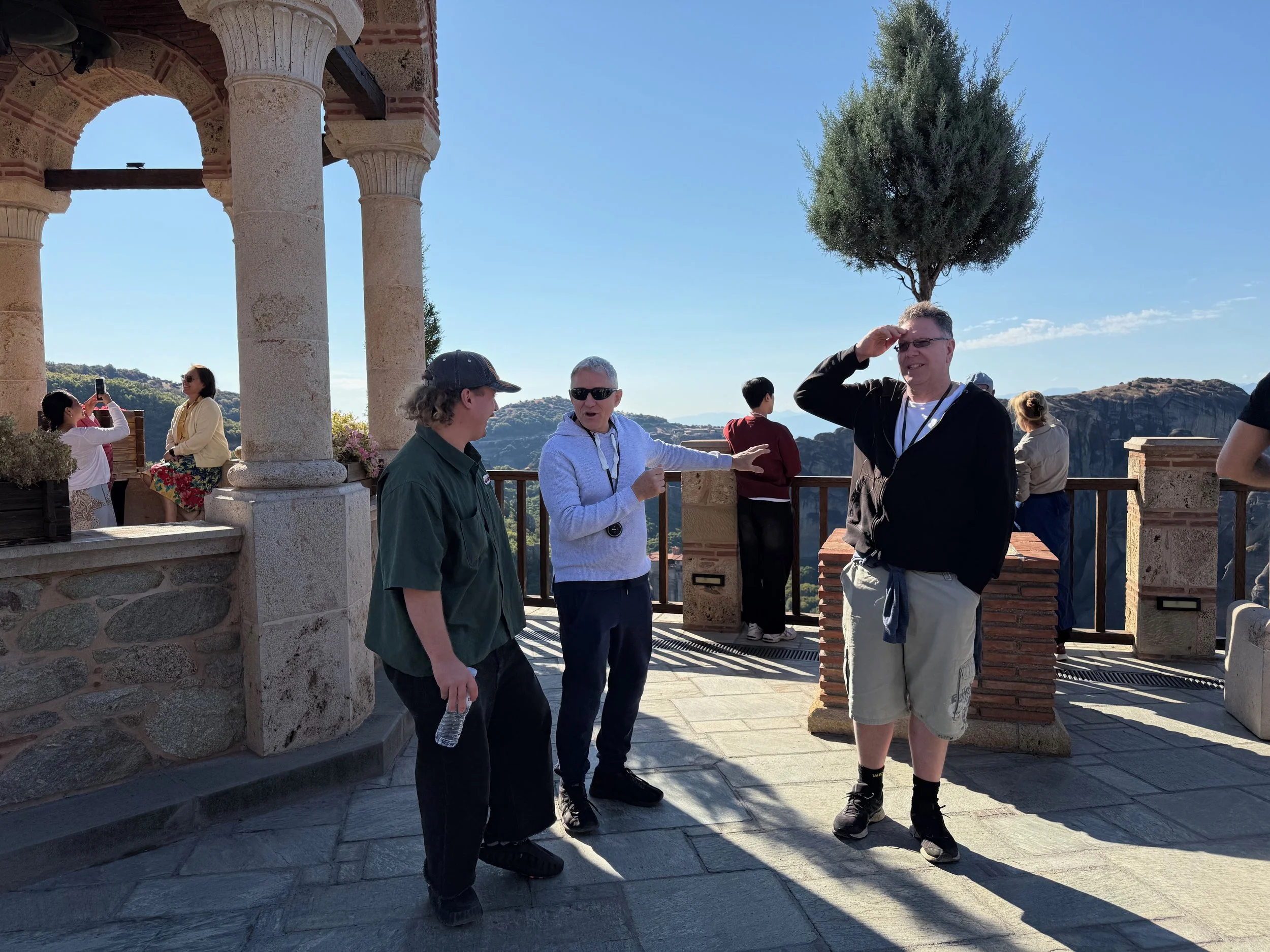
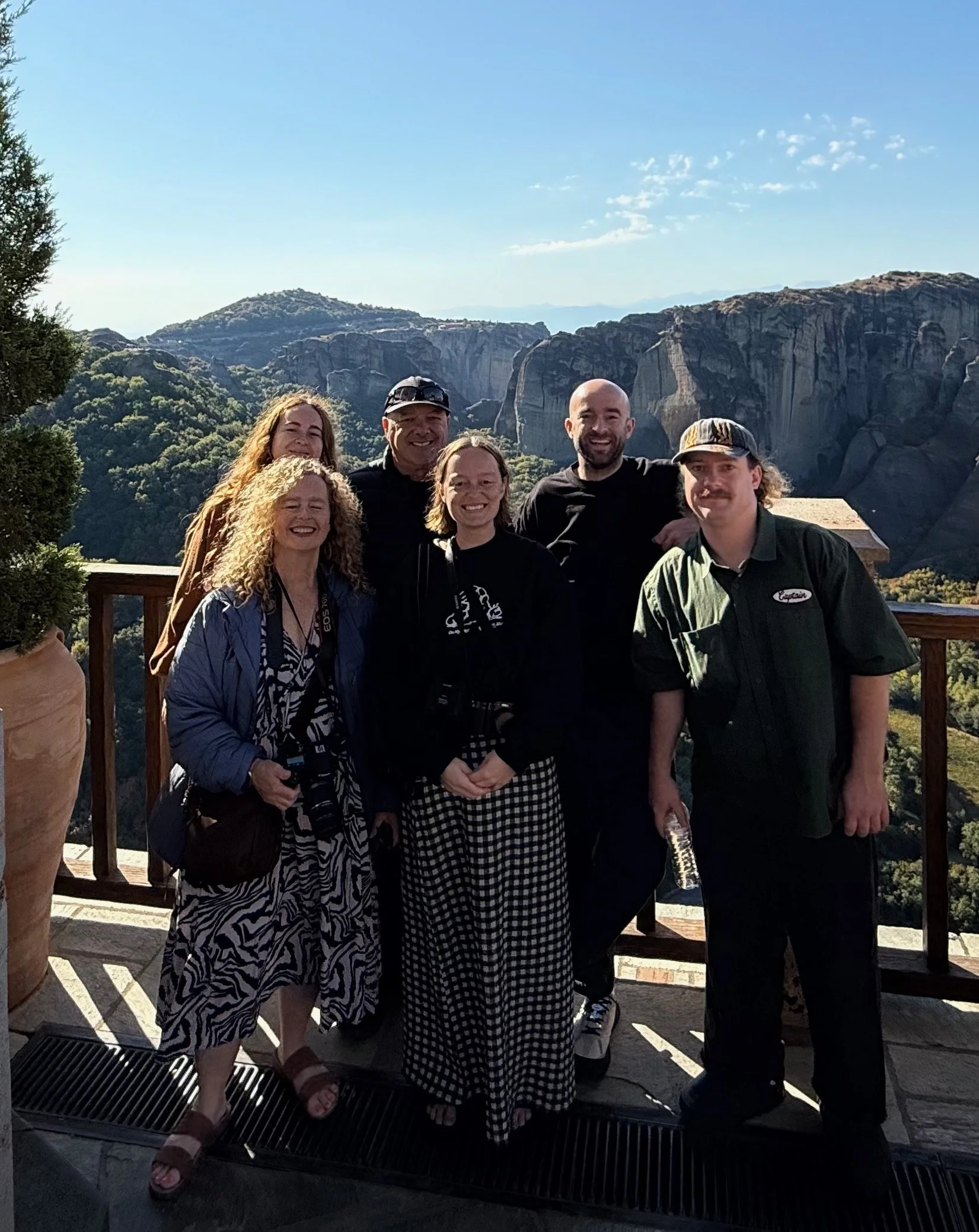
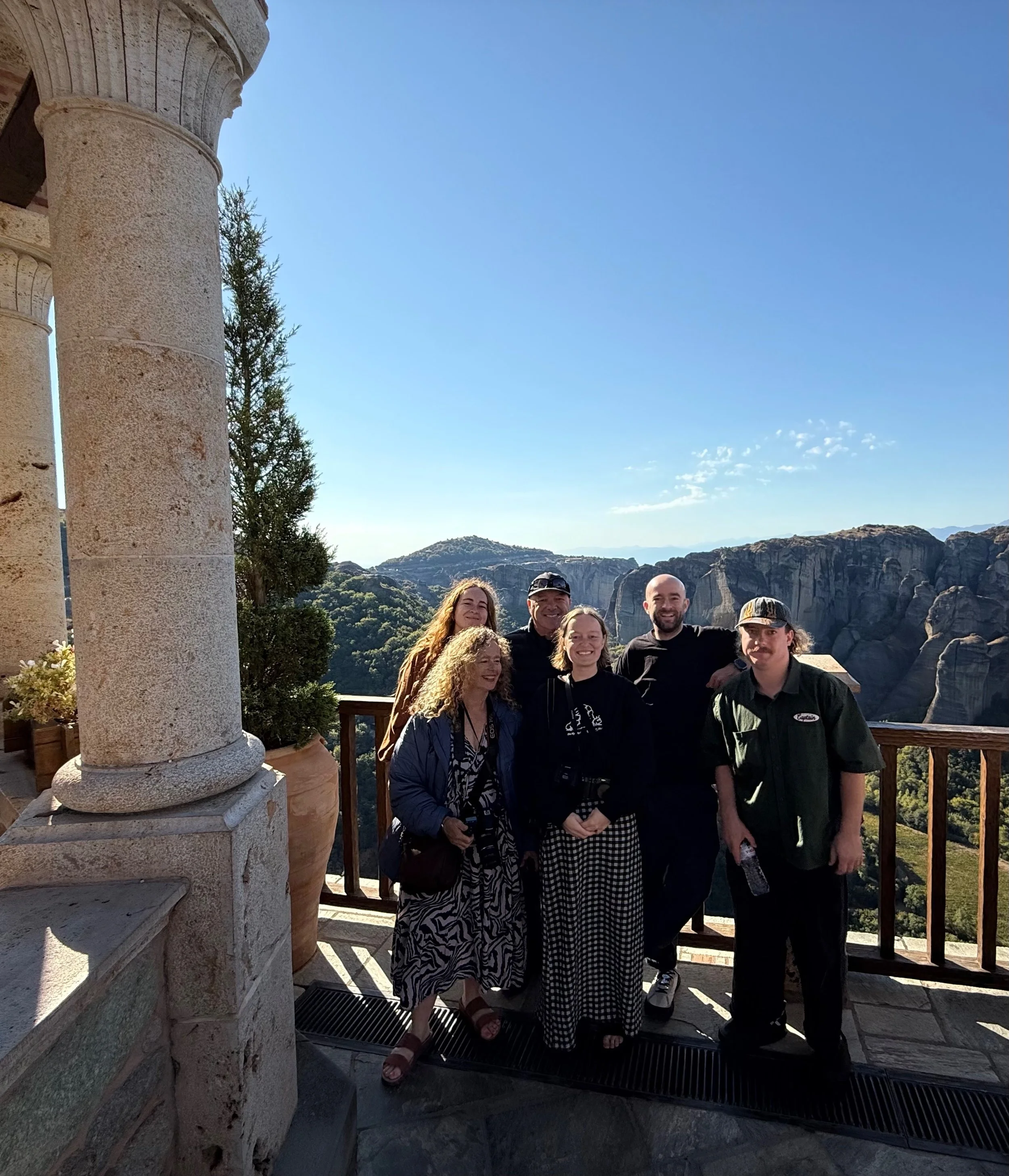
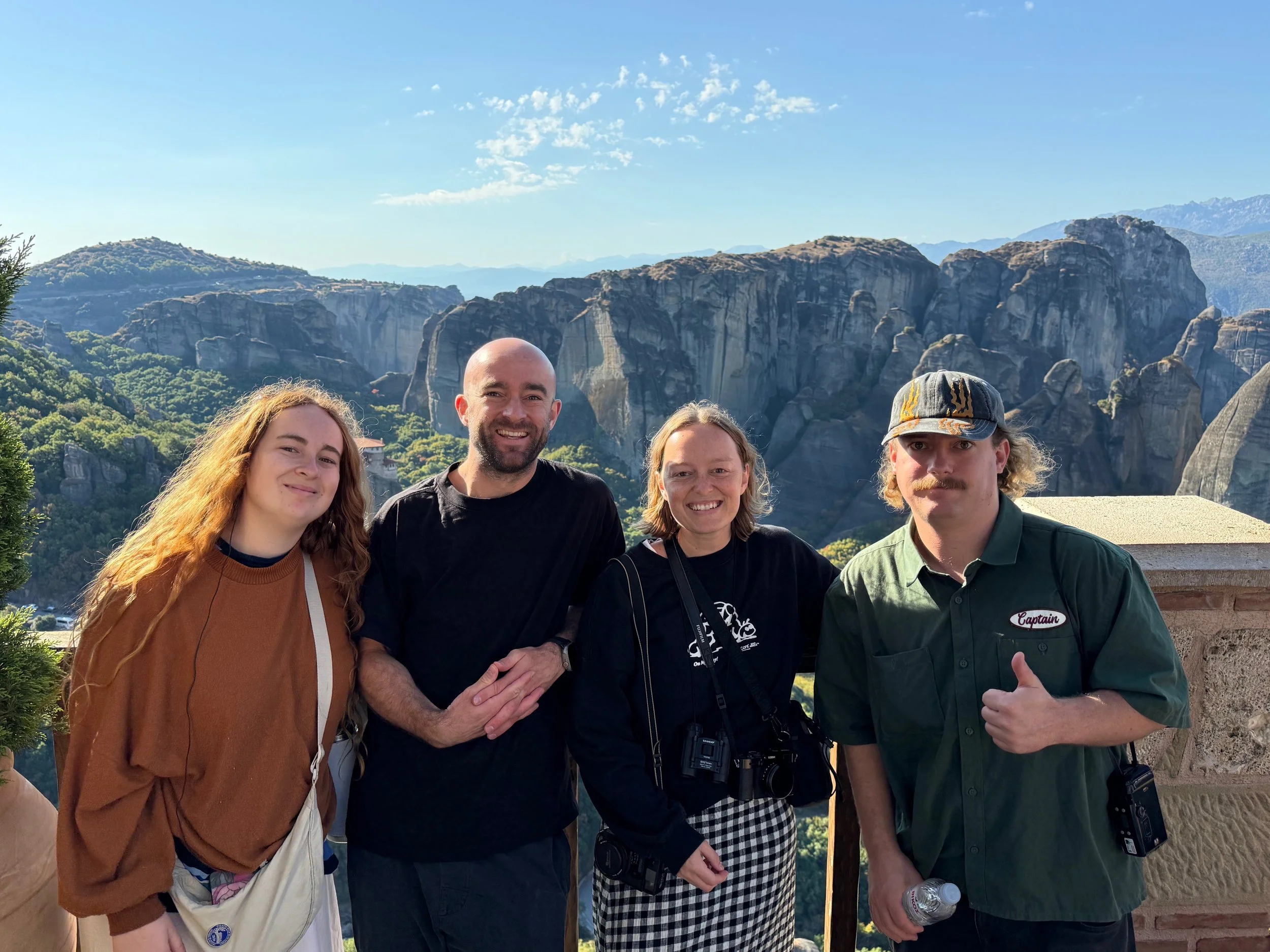
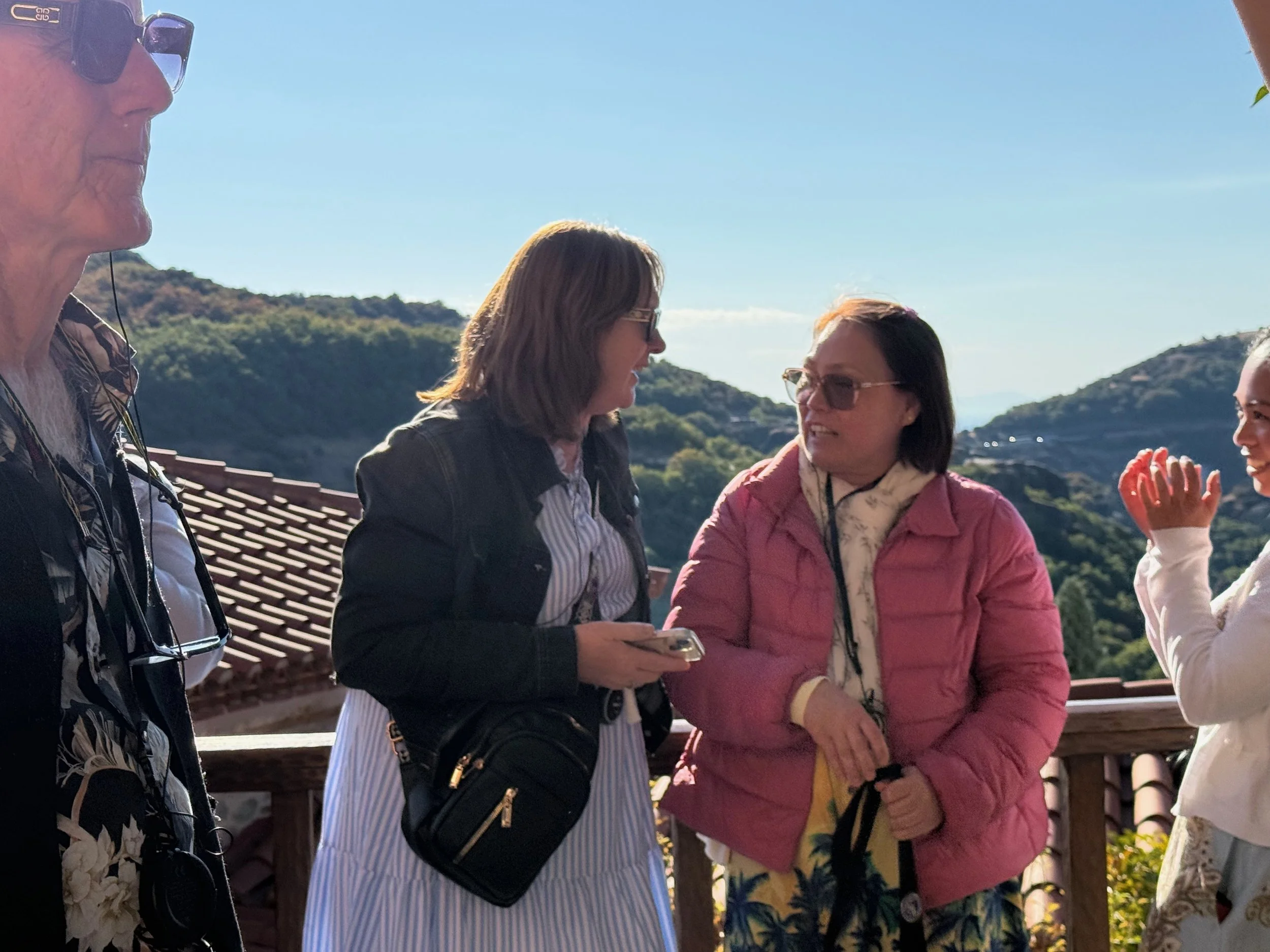
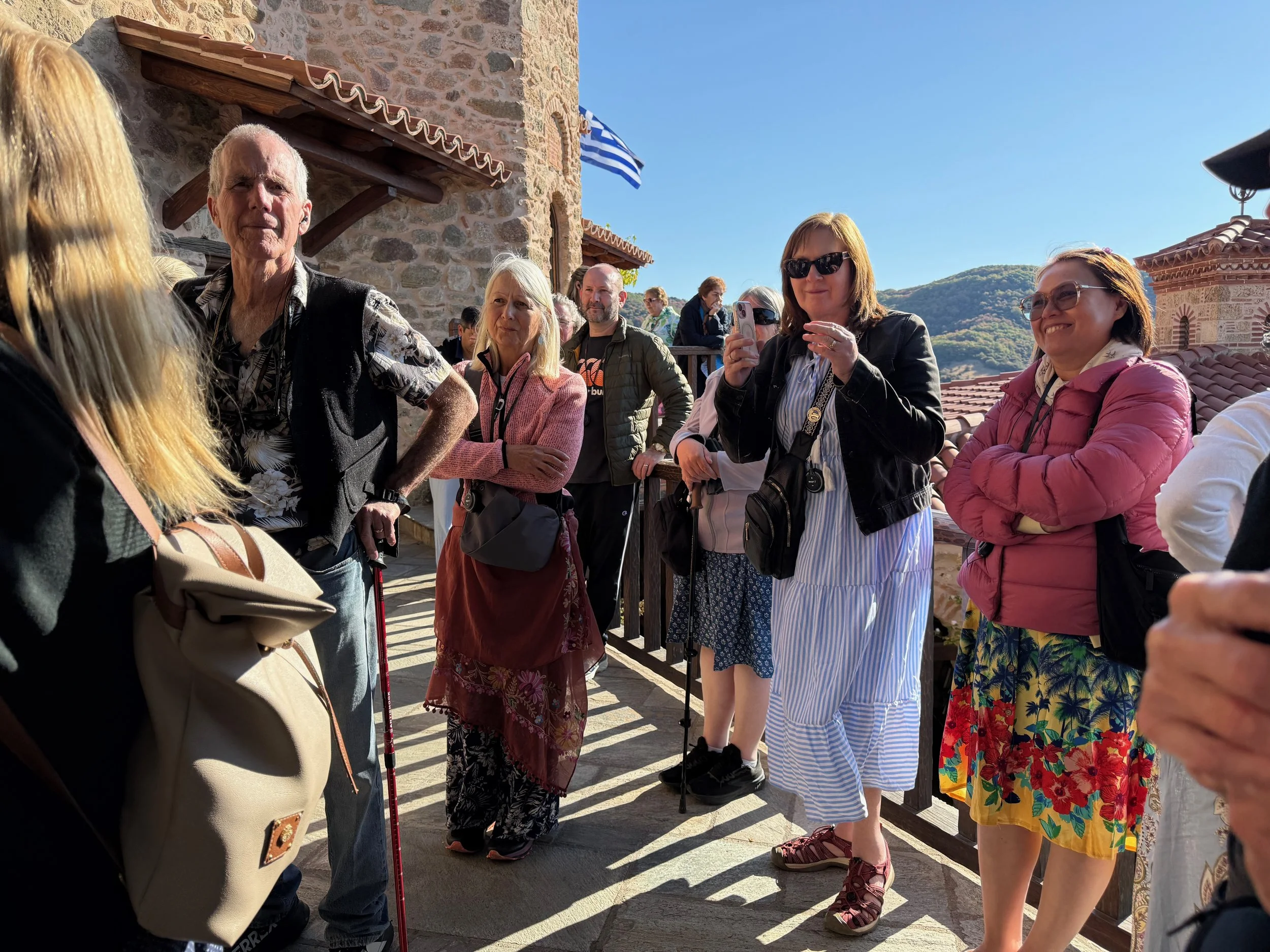
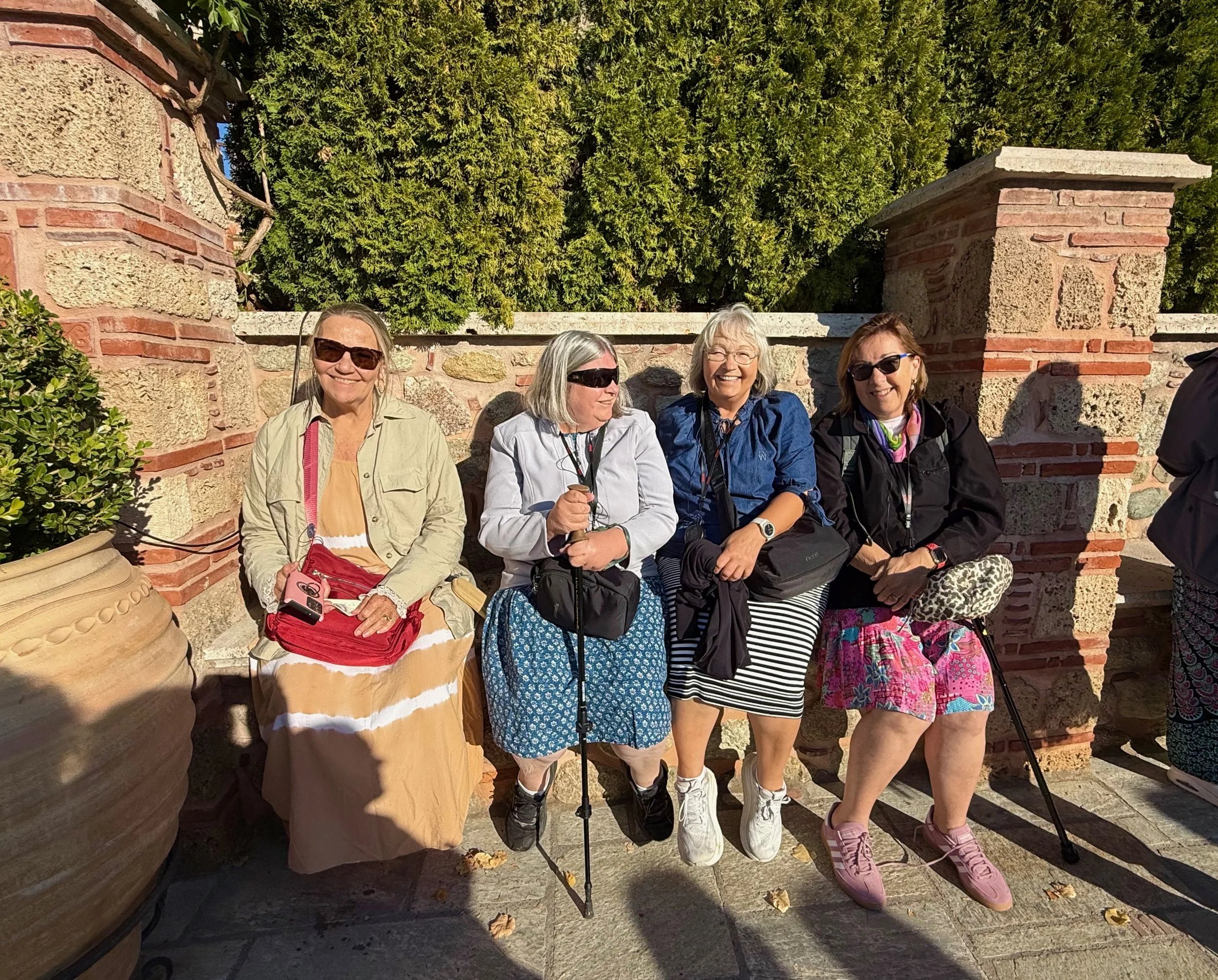
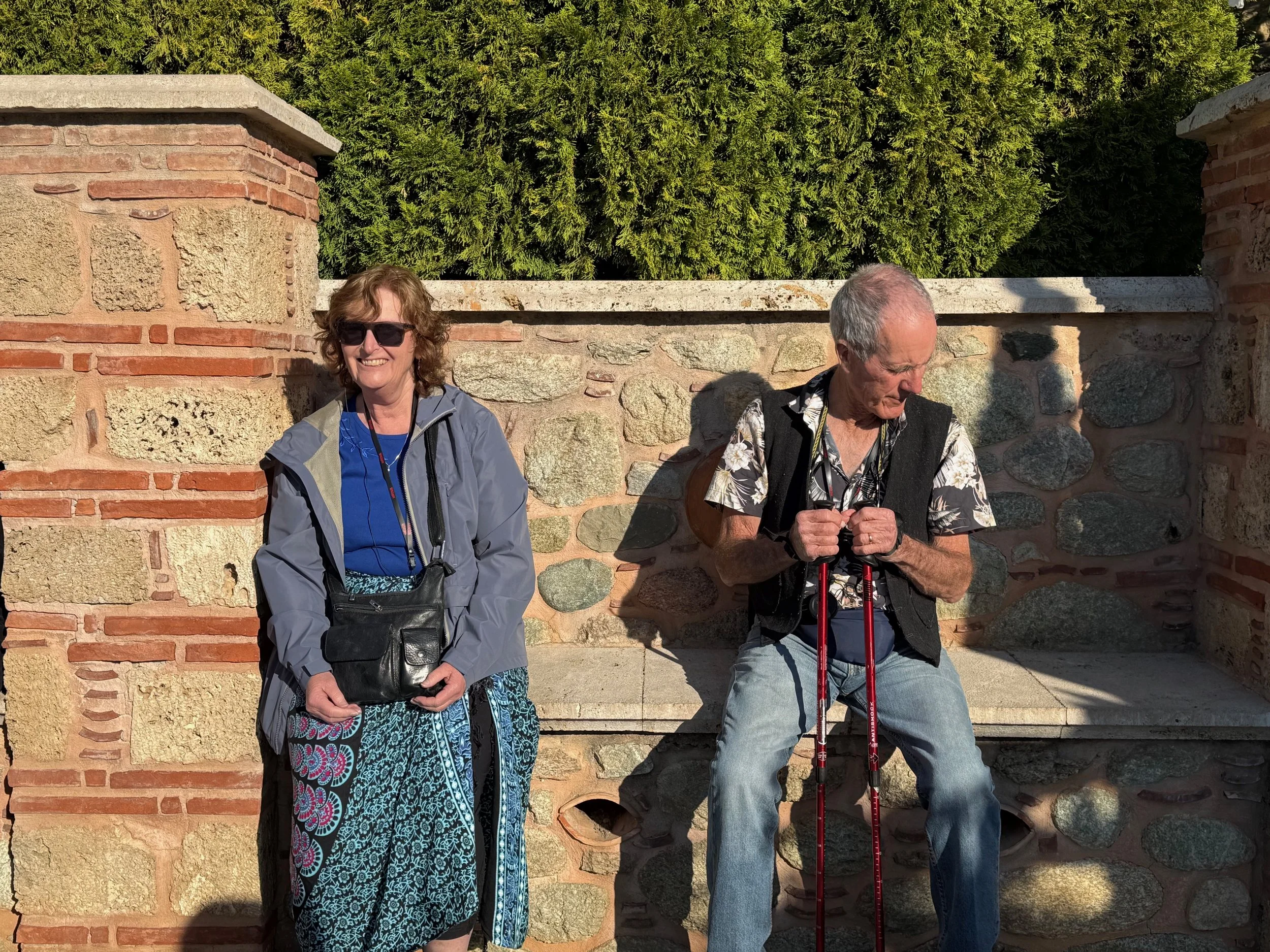
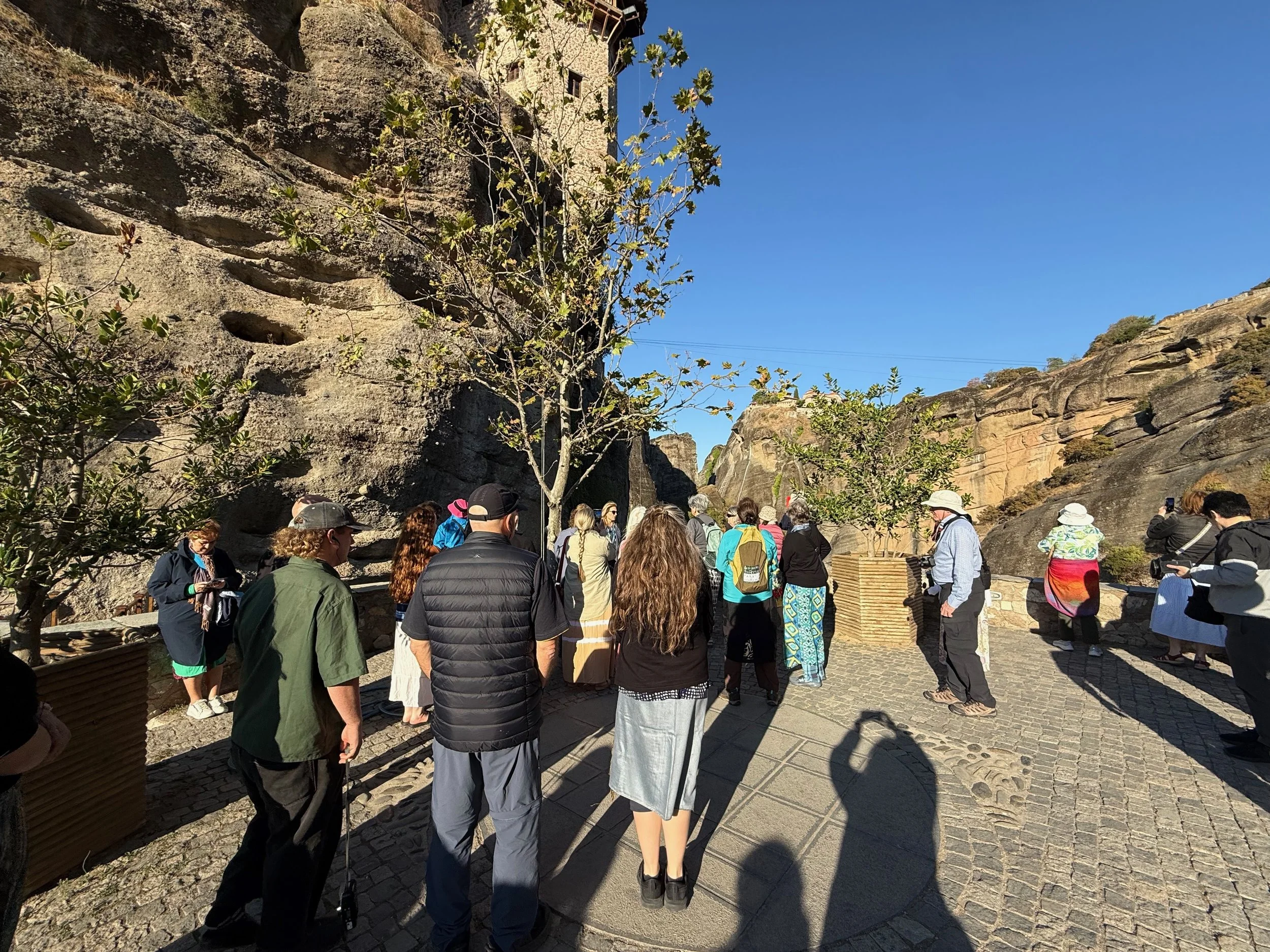
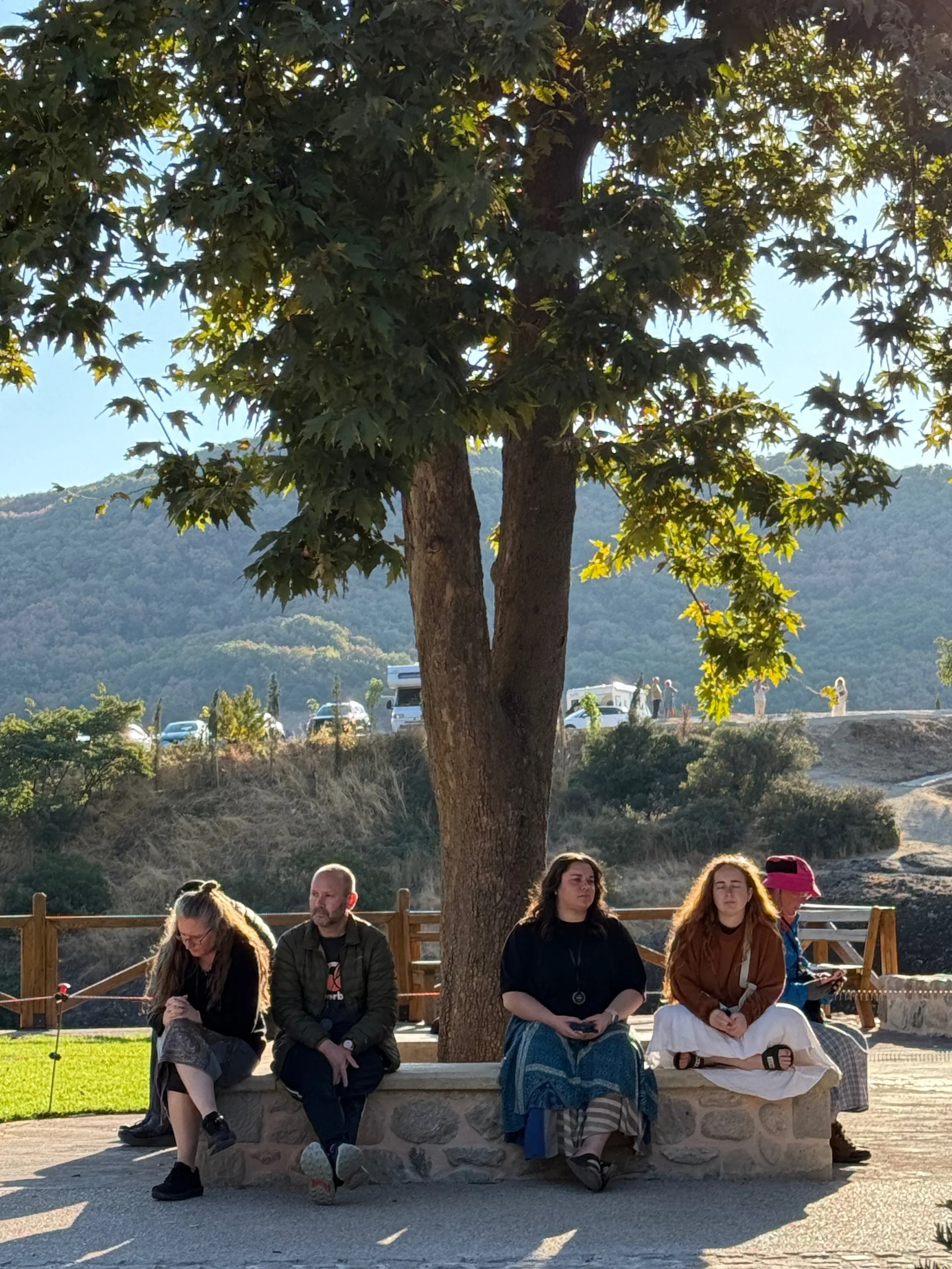
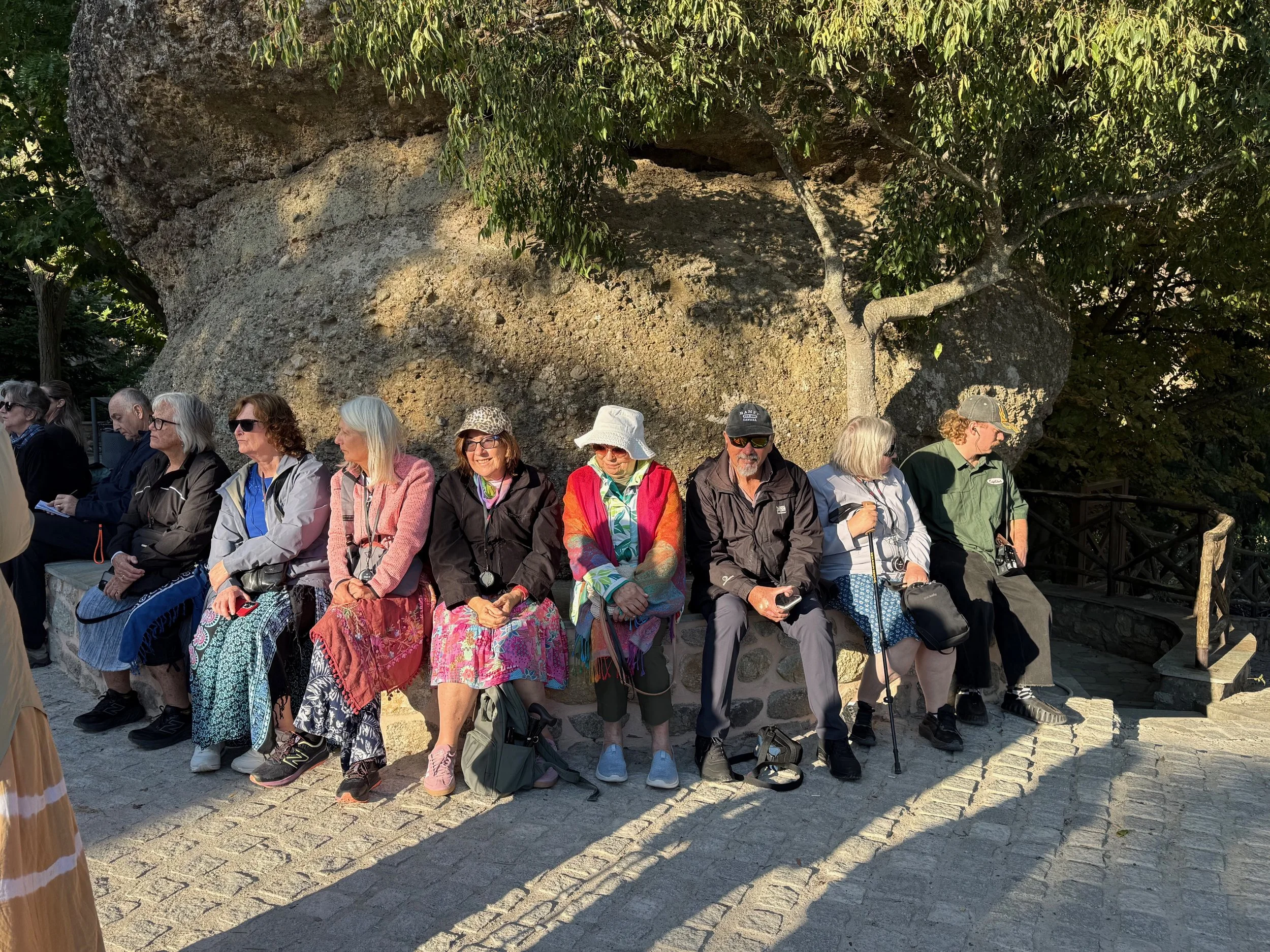
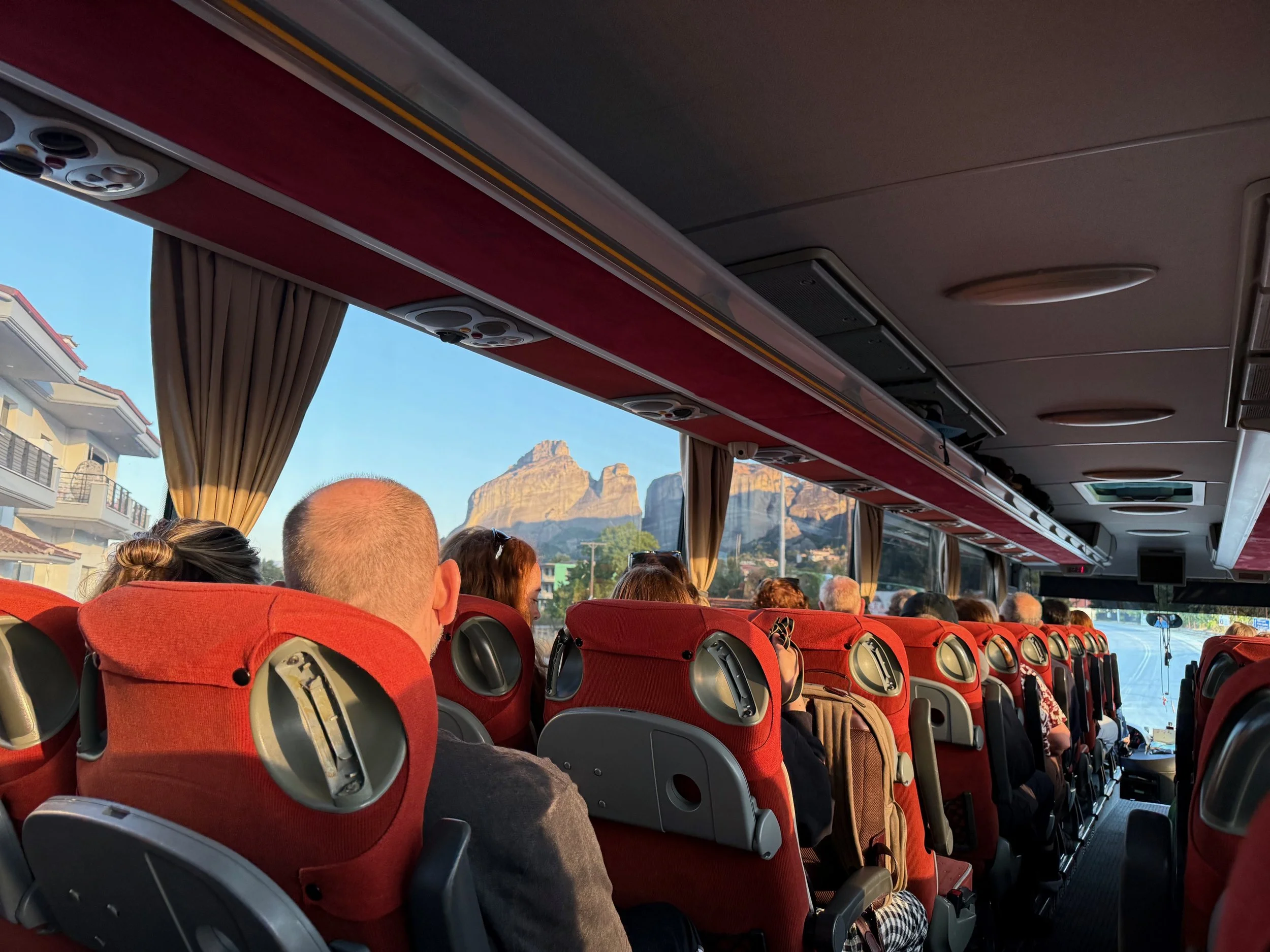
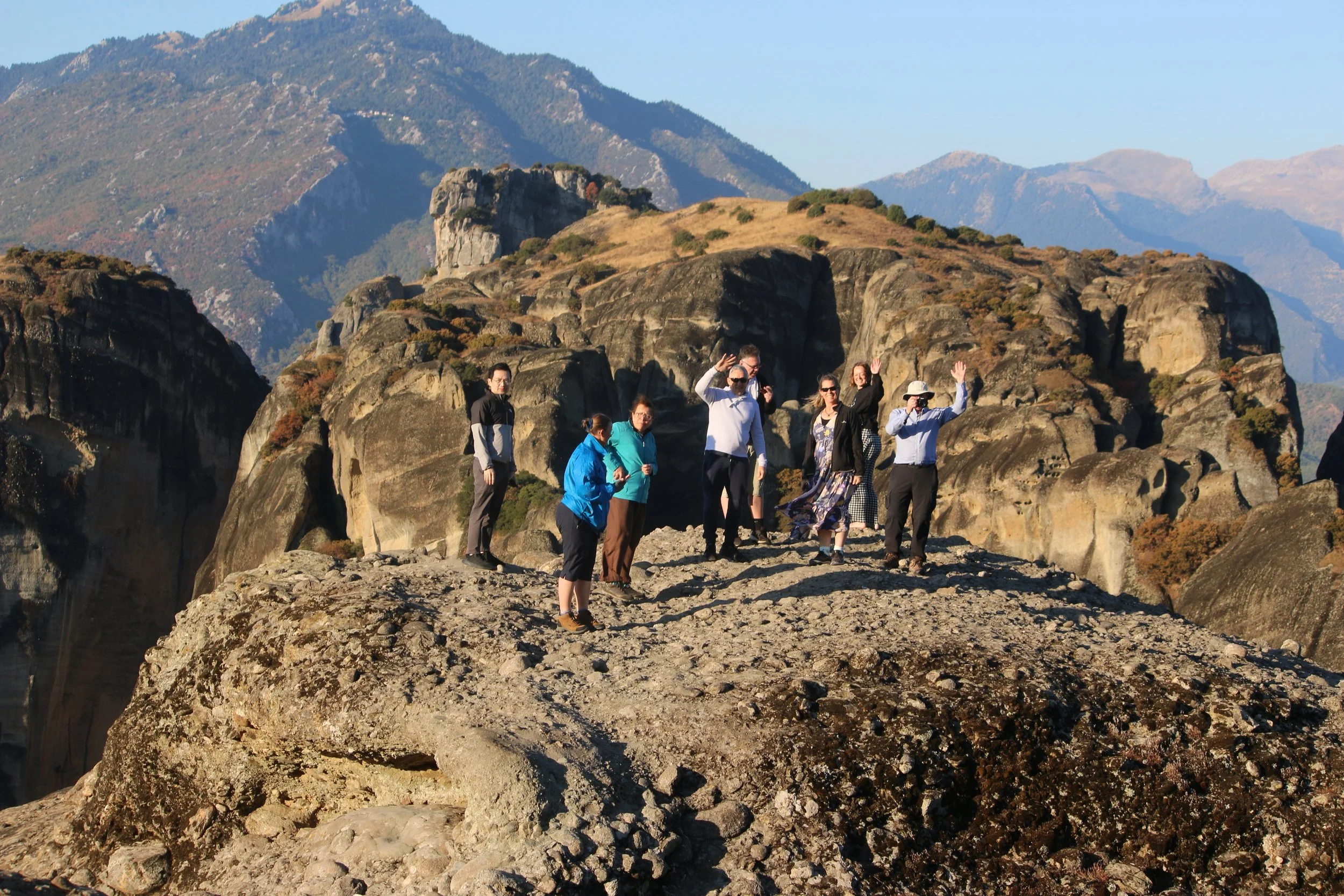
There was a chill in the air and a modicum of excitement this morning as we boarded the bus, heading for the famous monasteries of Meteora. They are not fond of knees at the monastery so we were instructed to keep ours tucked away - the girls in skirts and the boys in long pants - we were looking like a dapper bunch indeed.
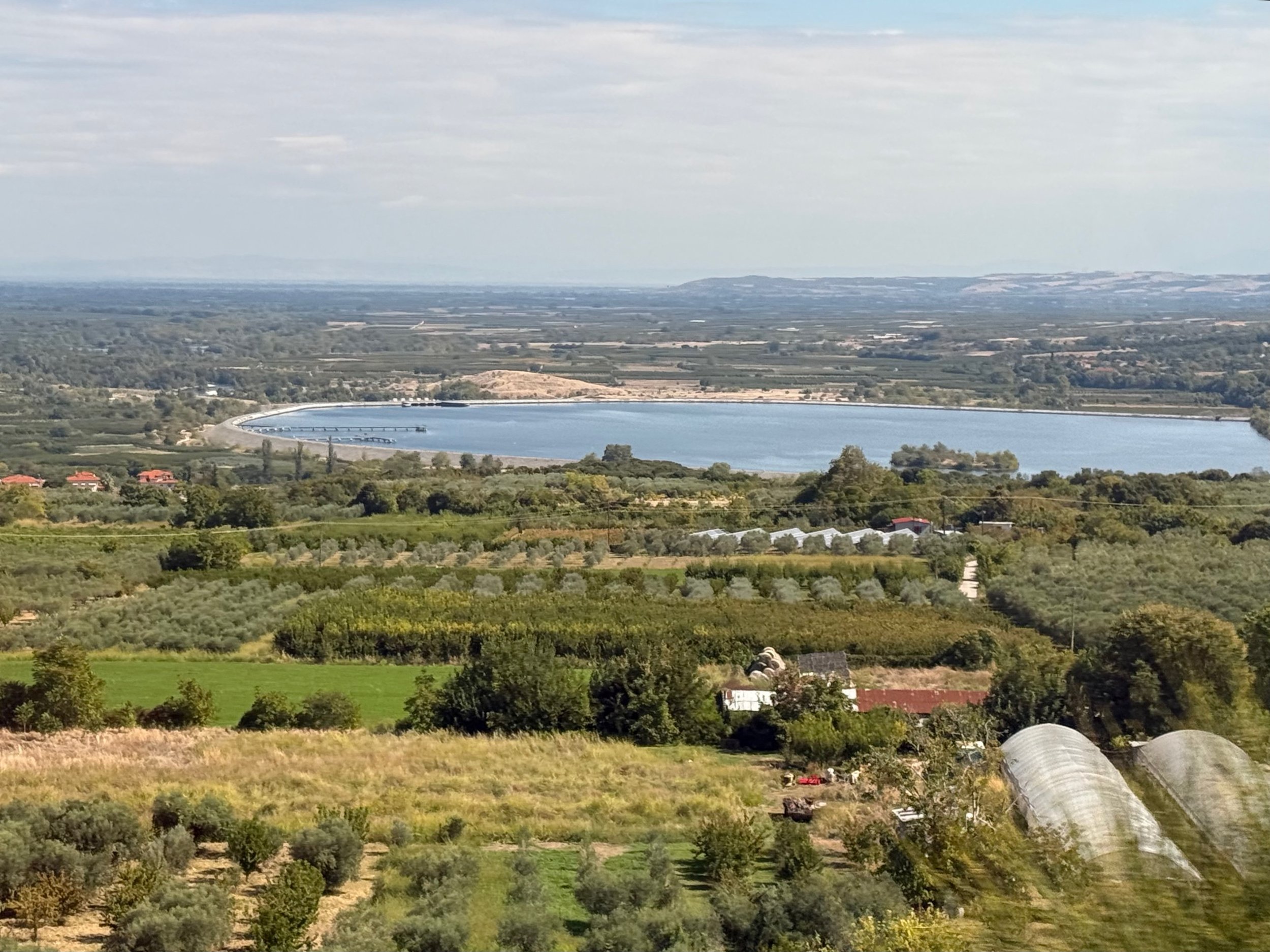
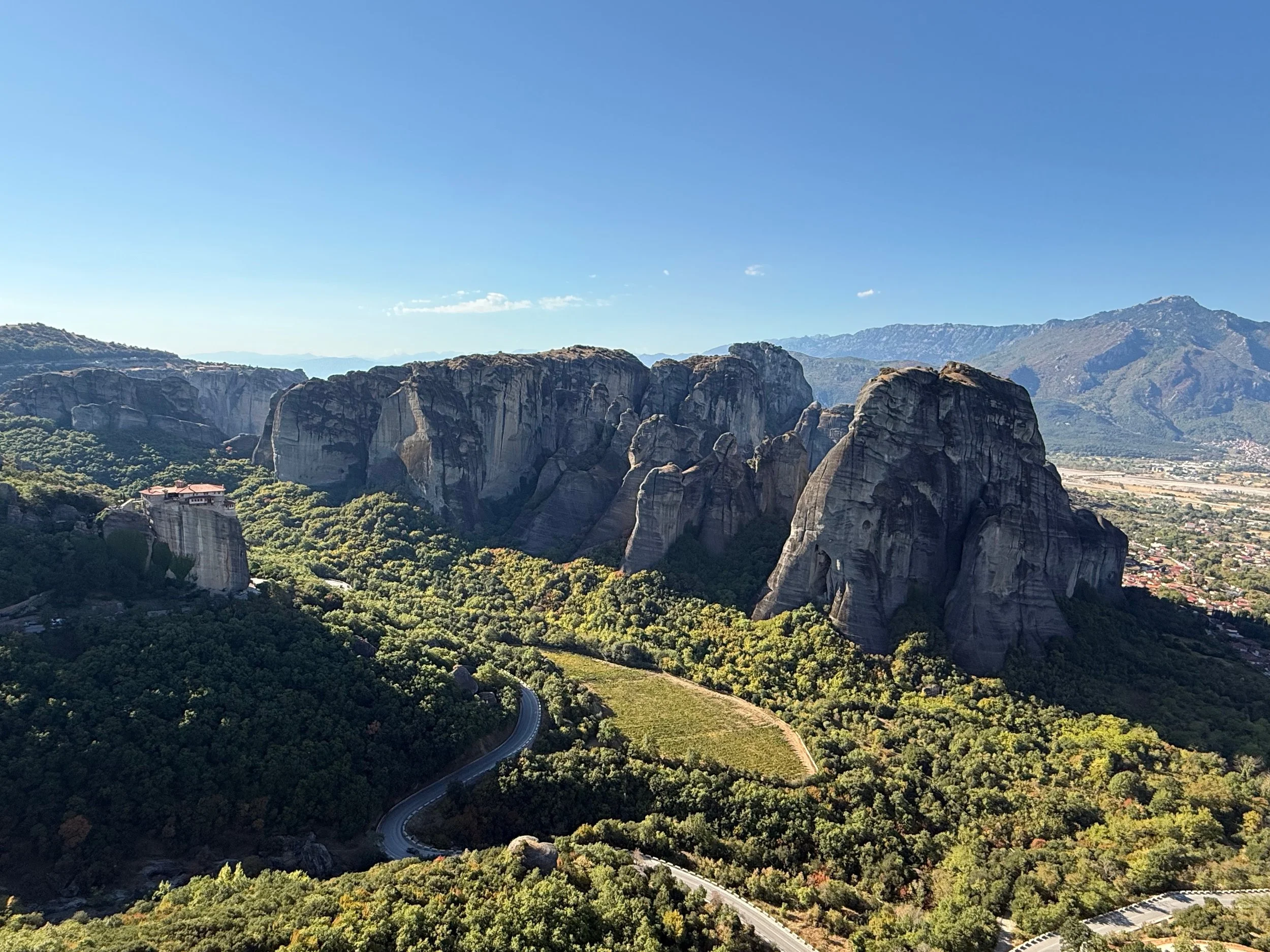
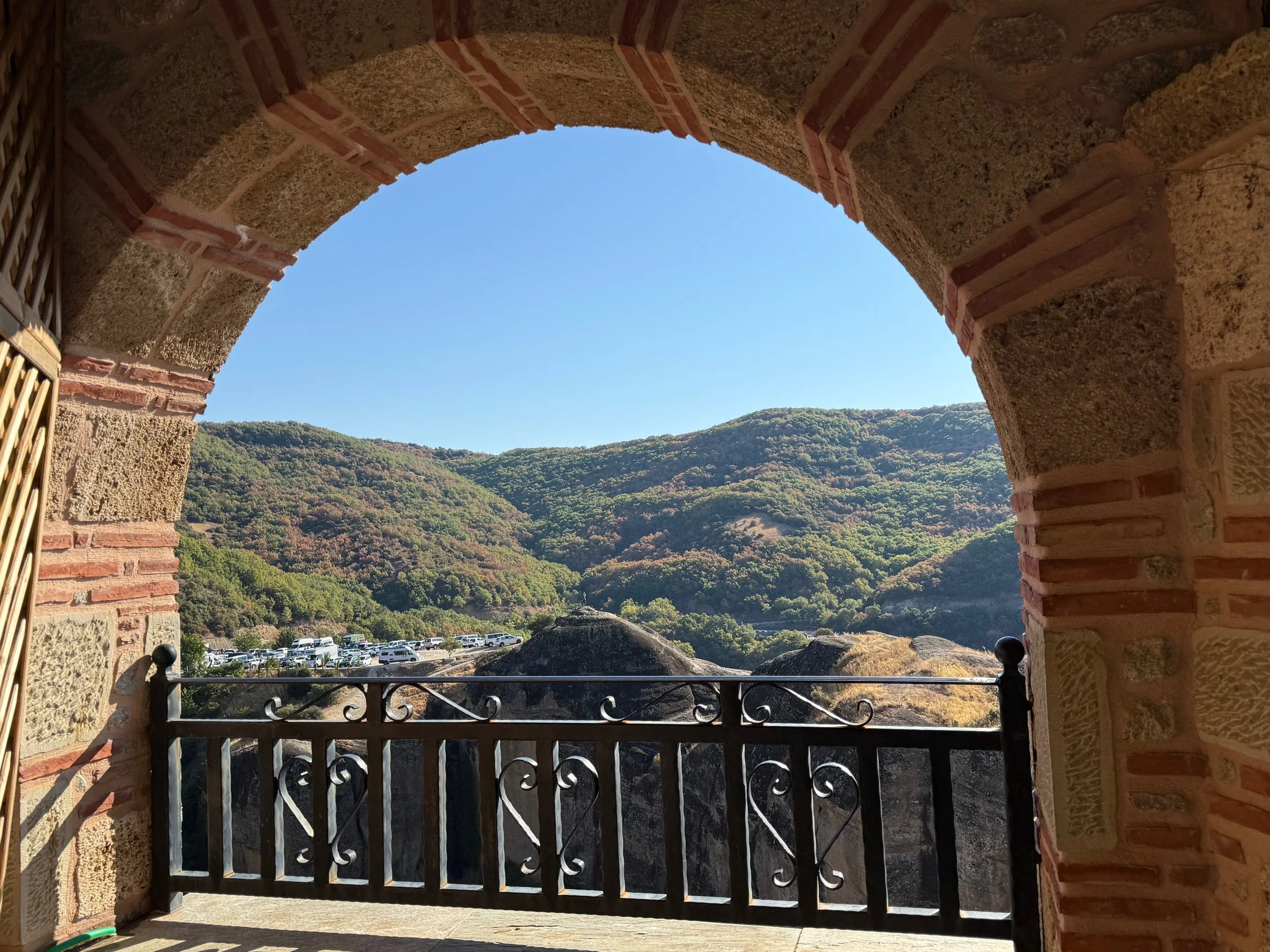
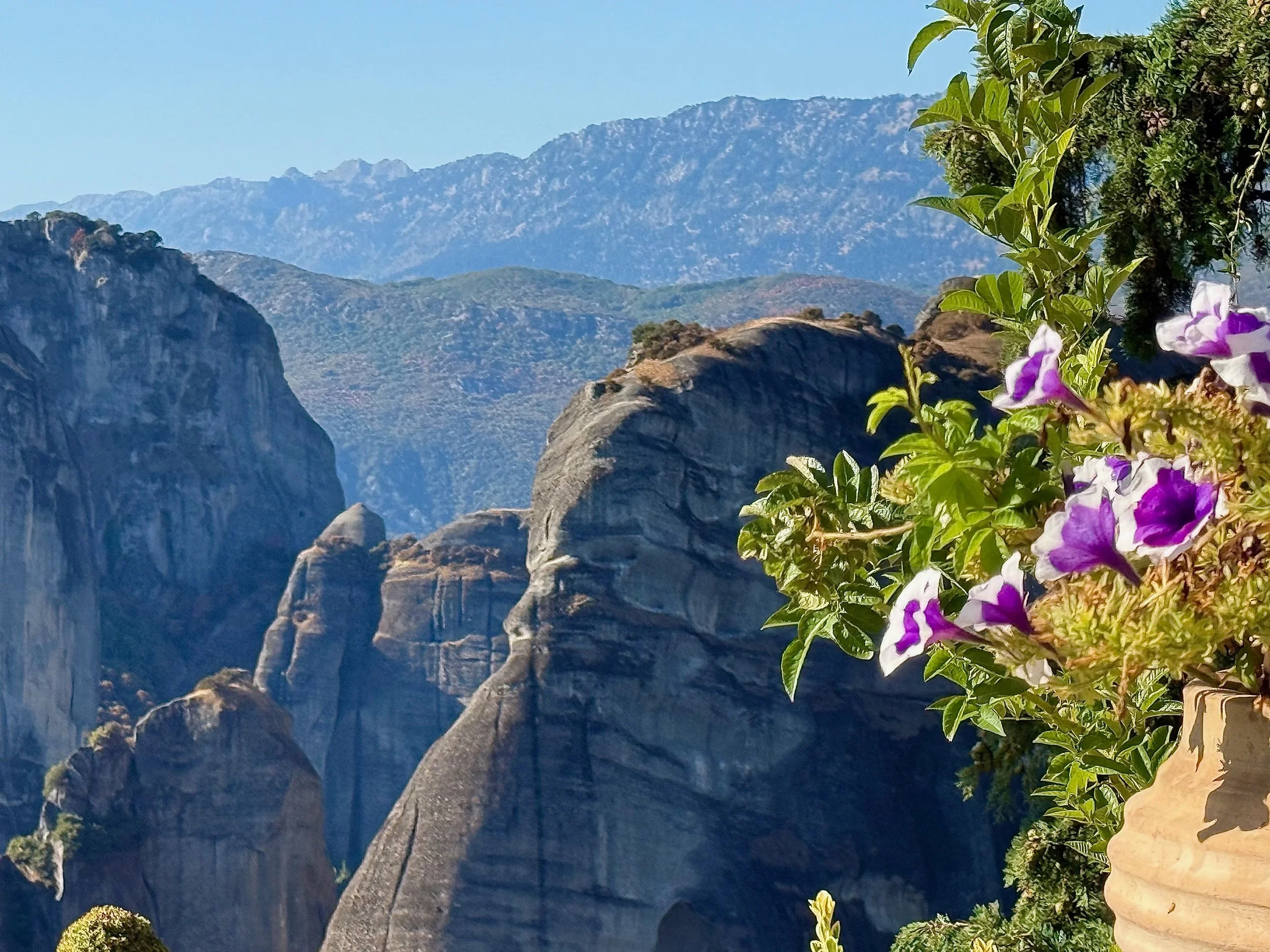
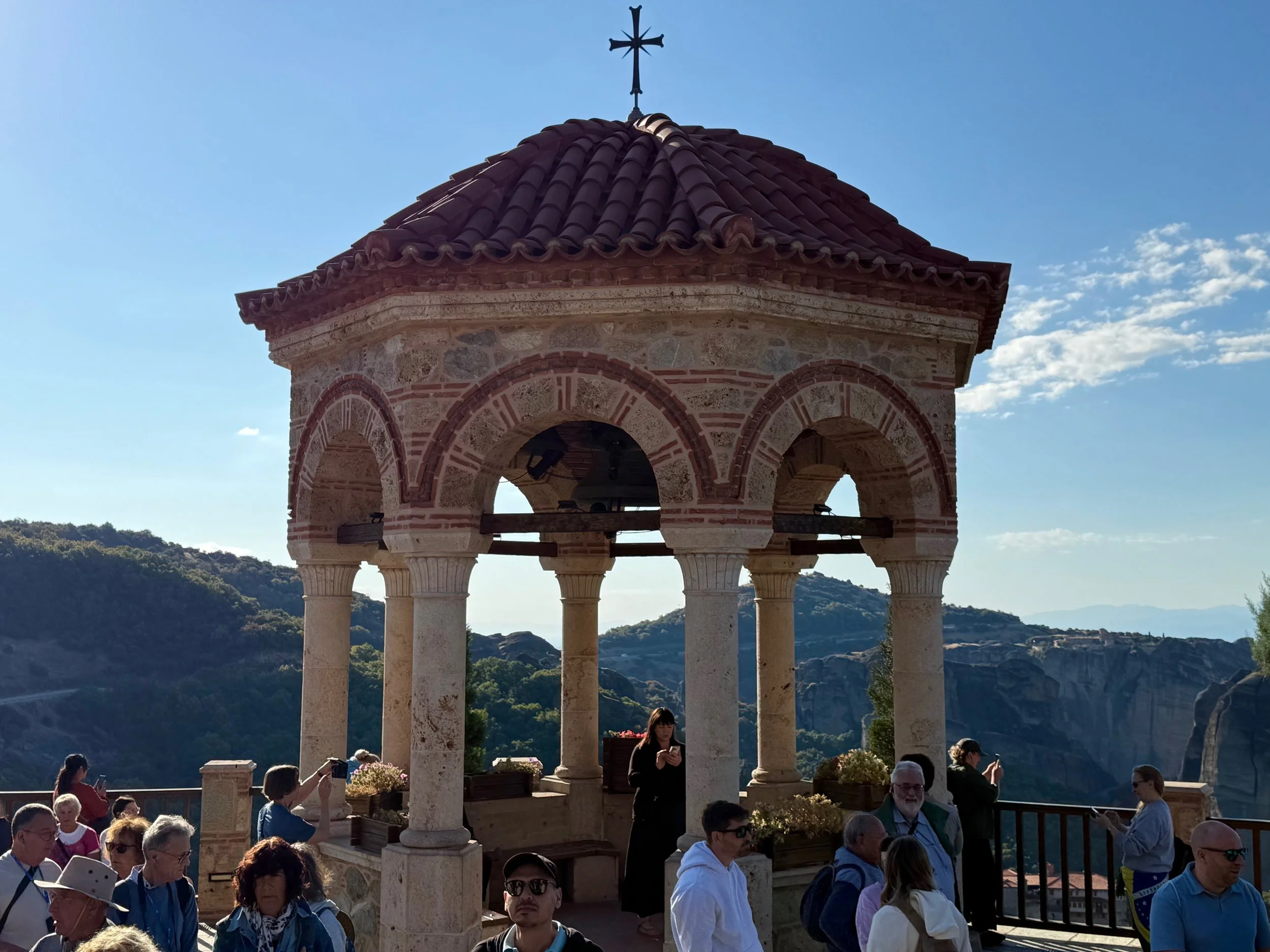
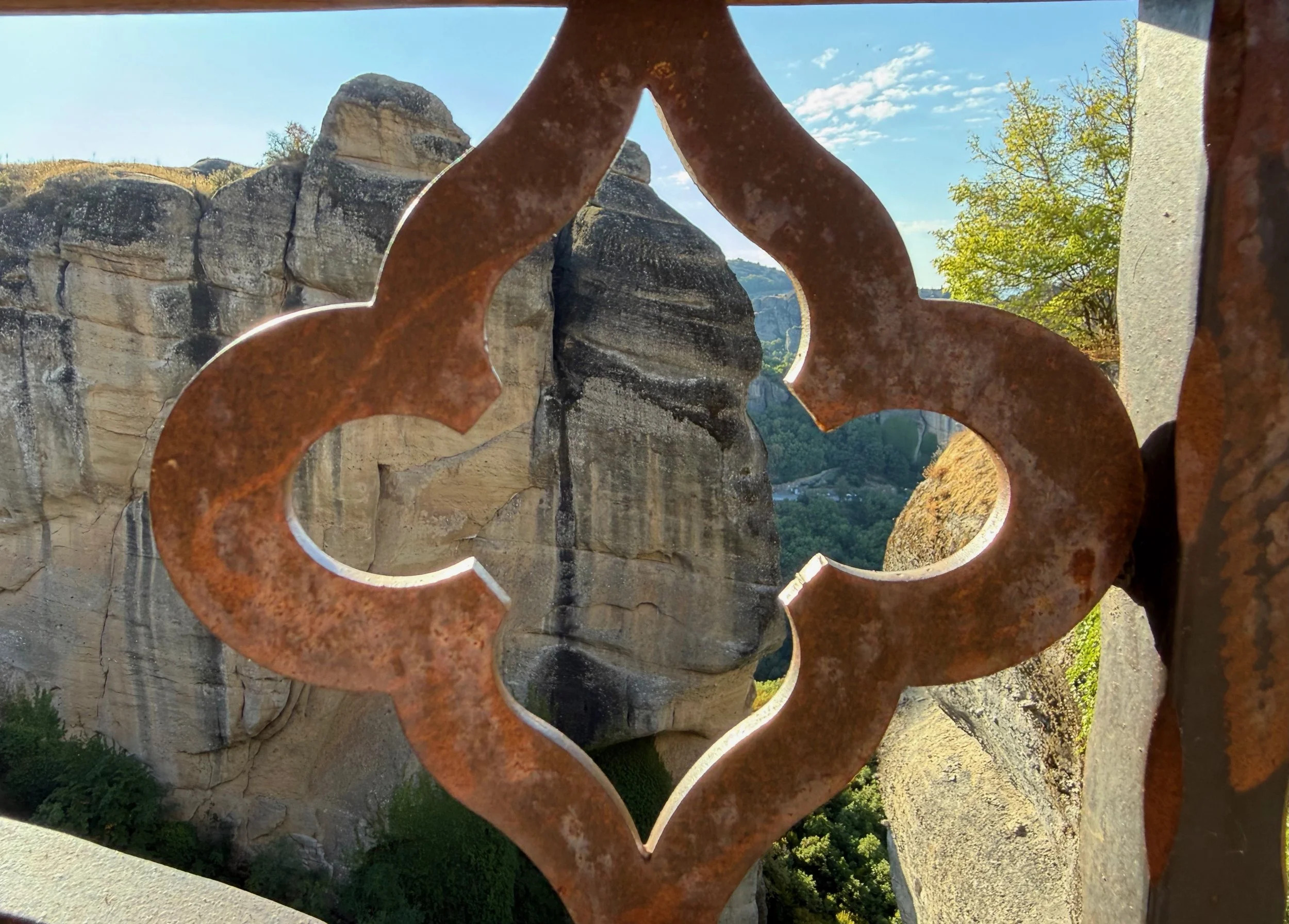
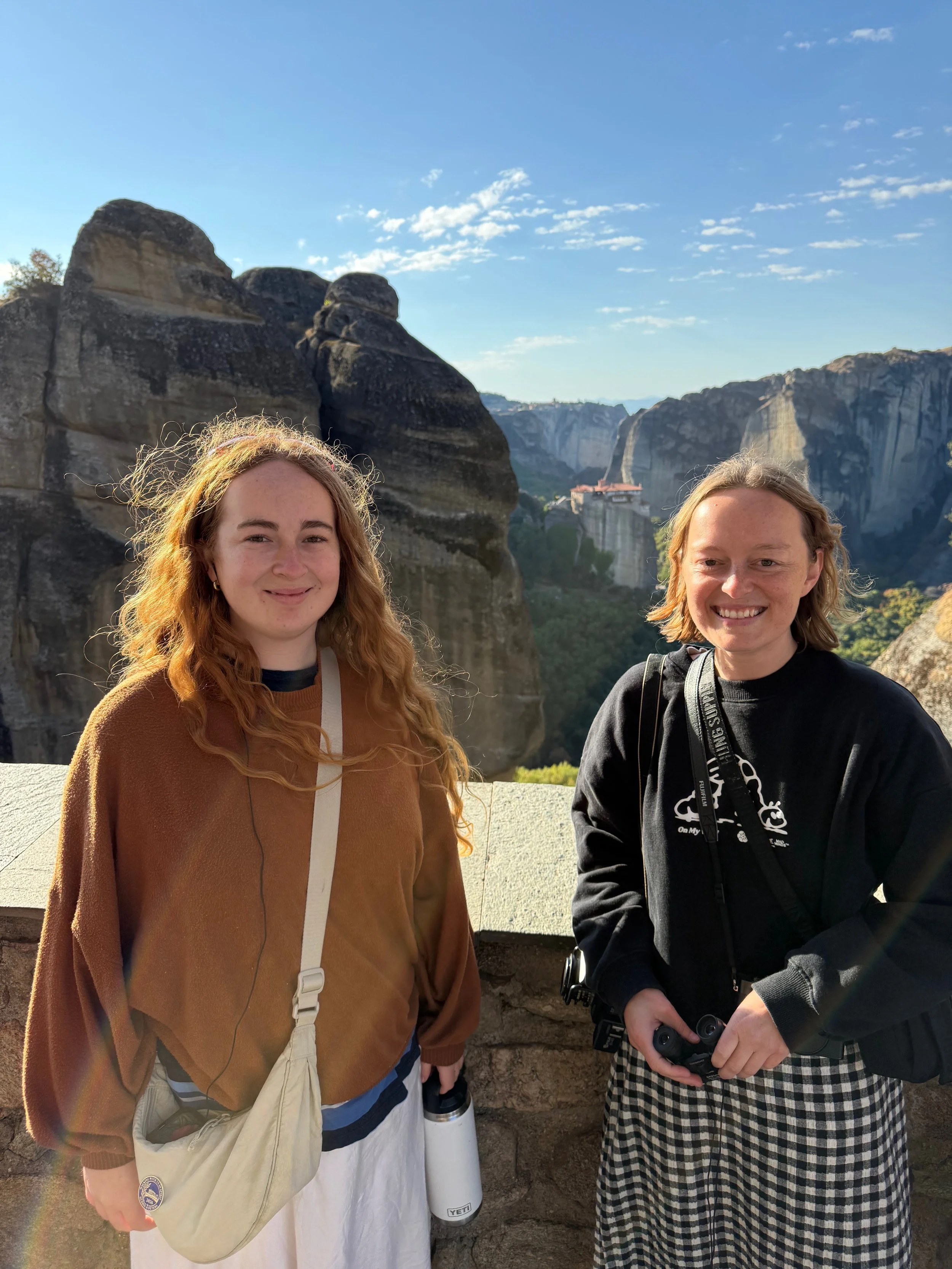
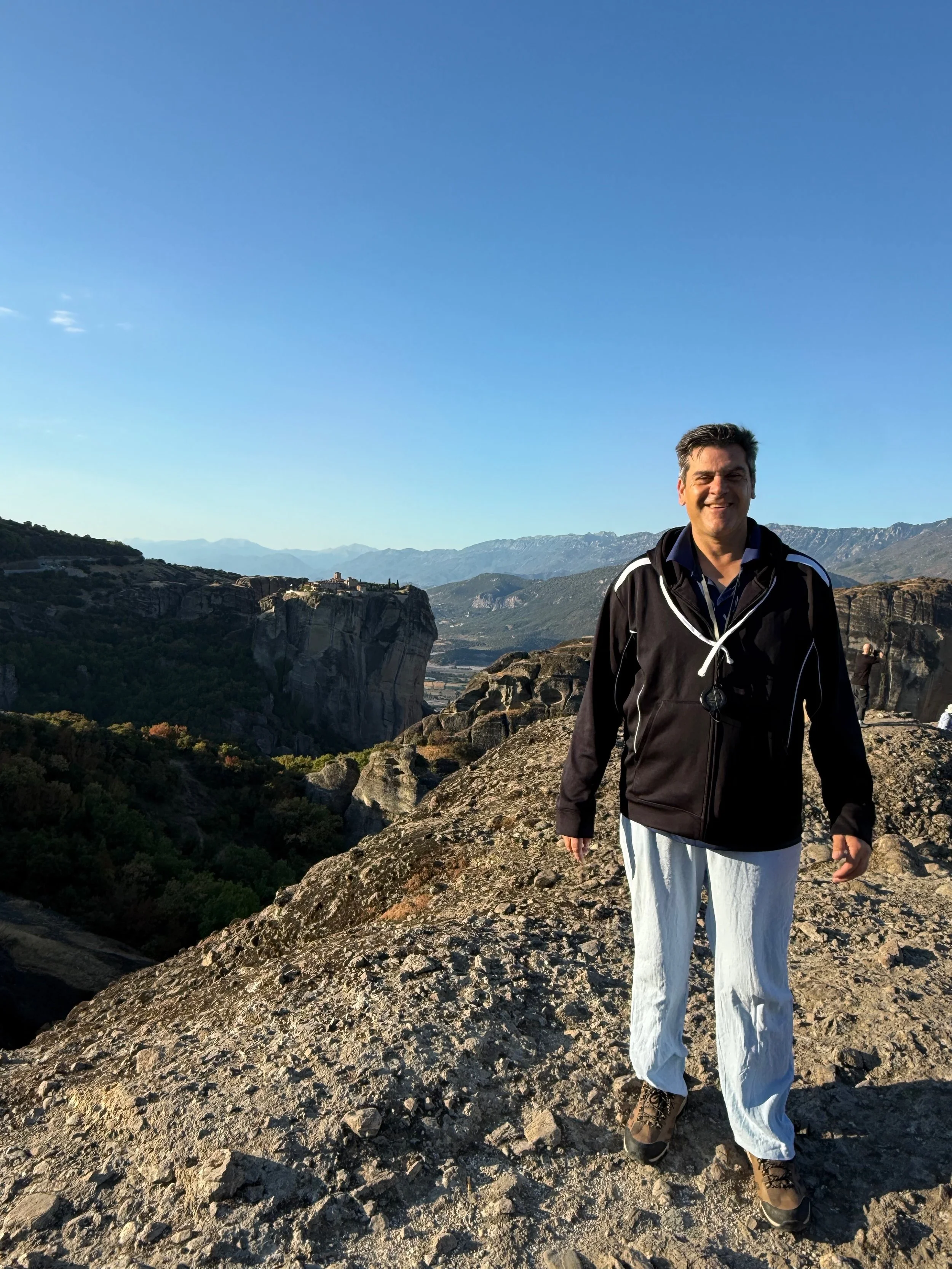
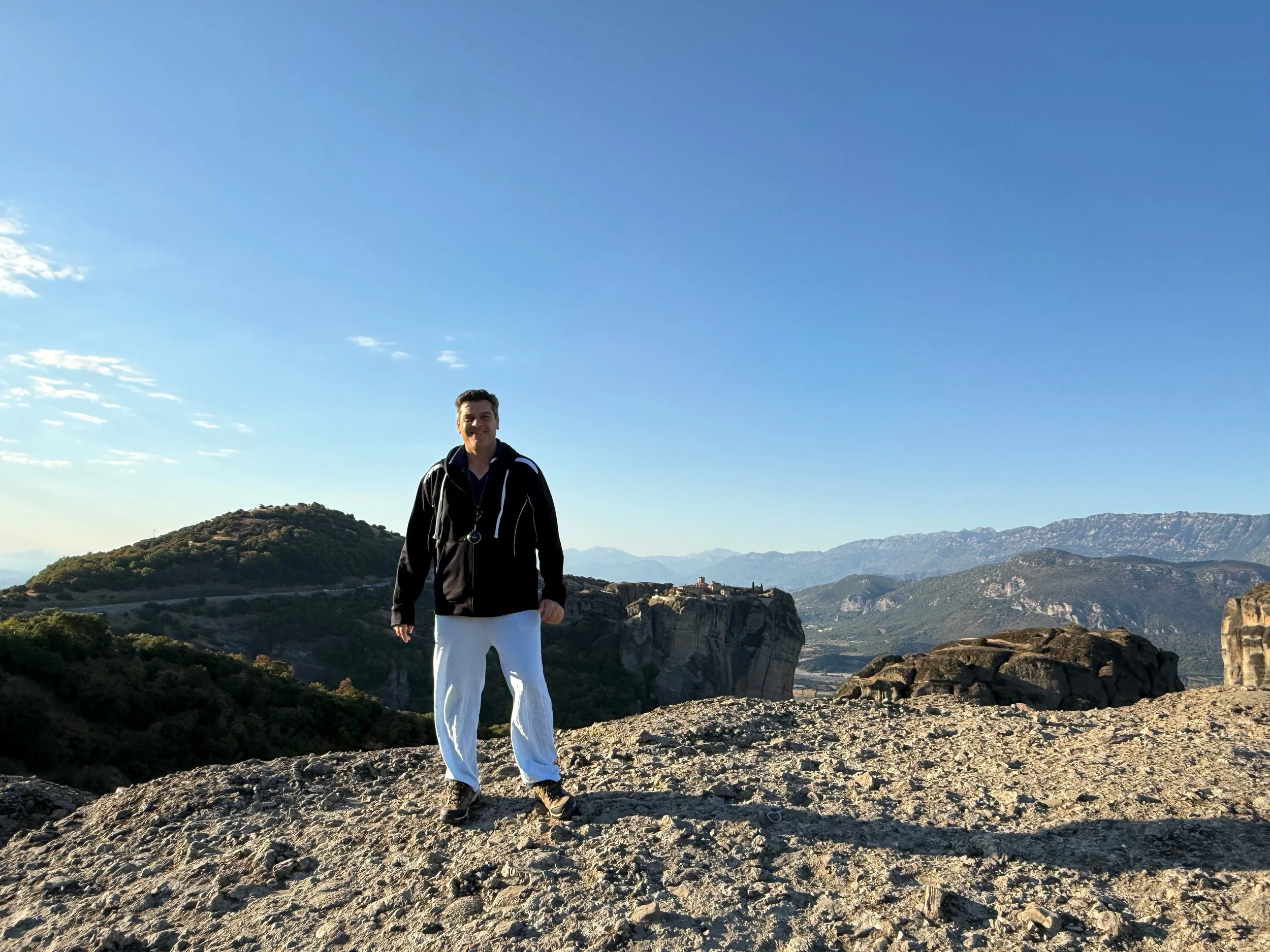
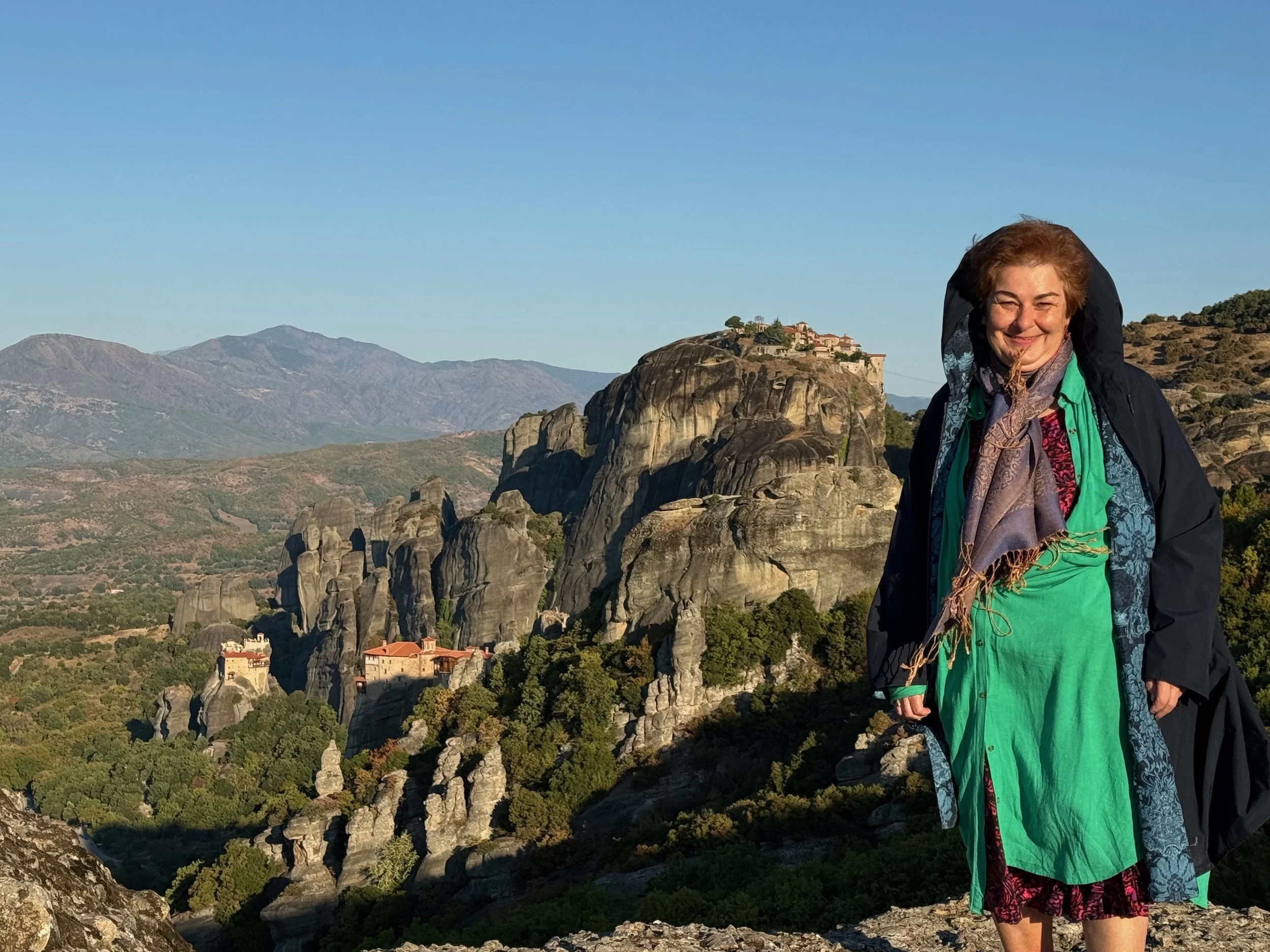
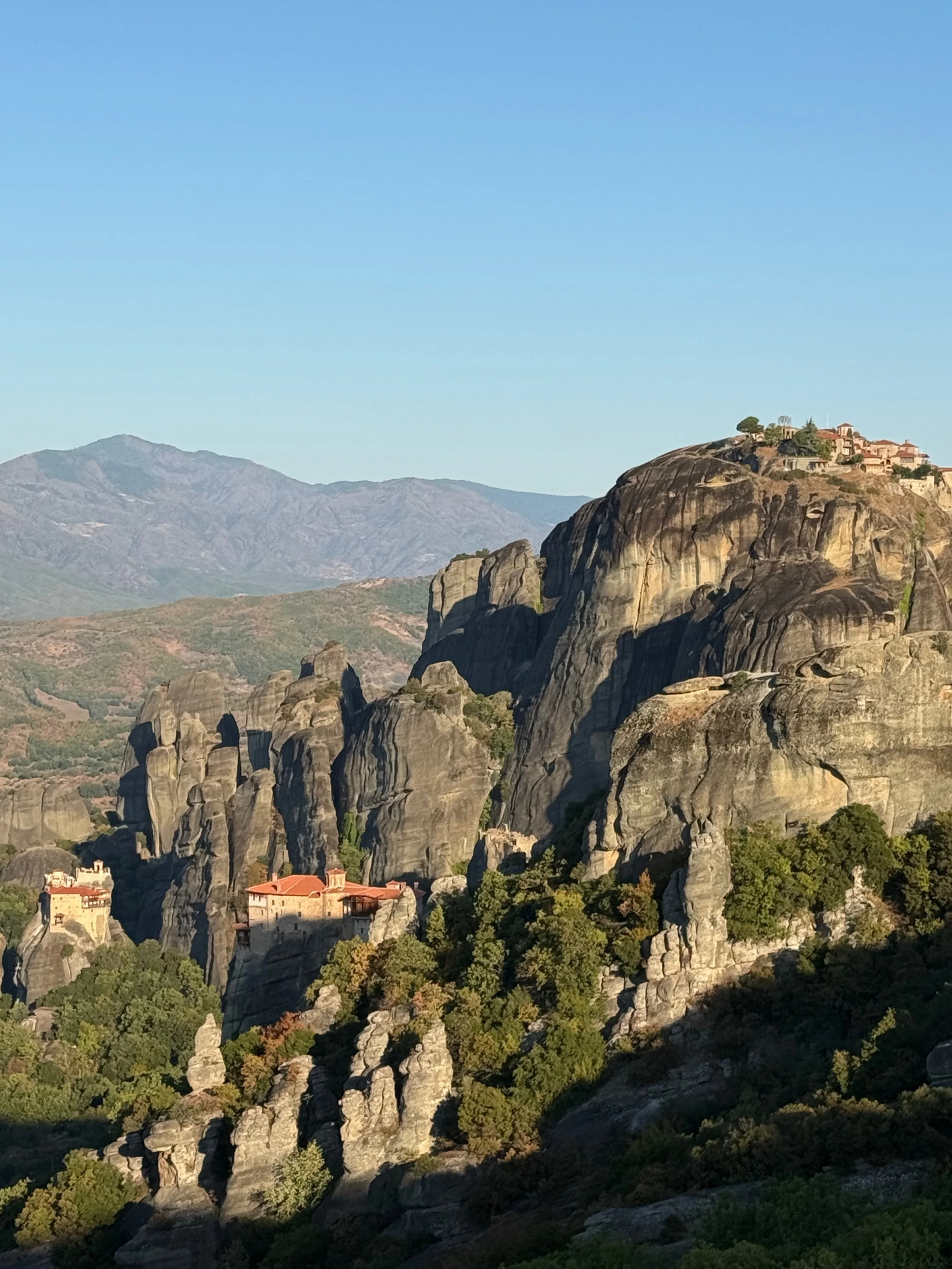
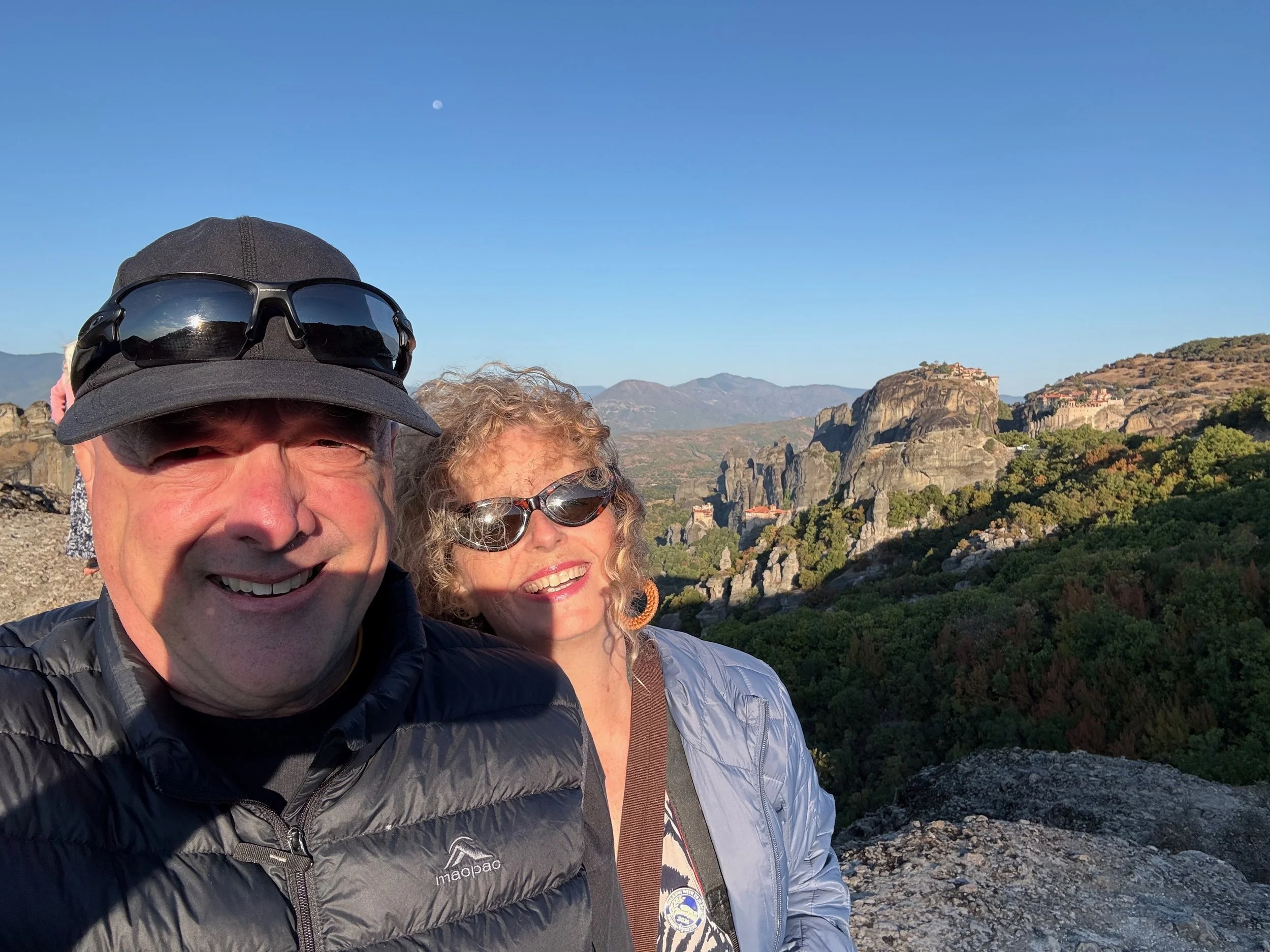
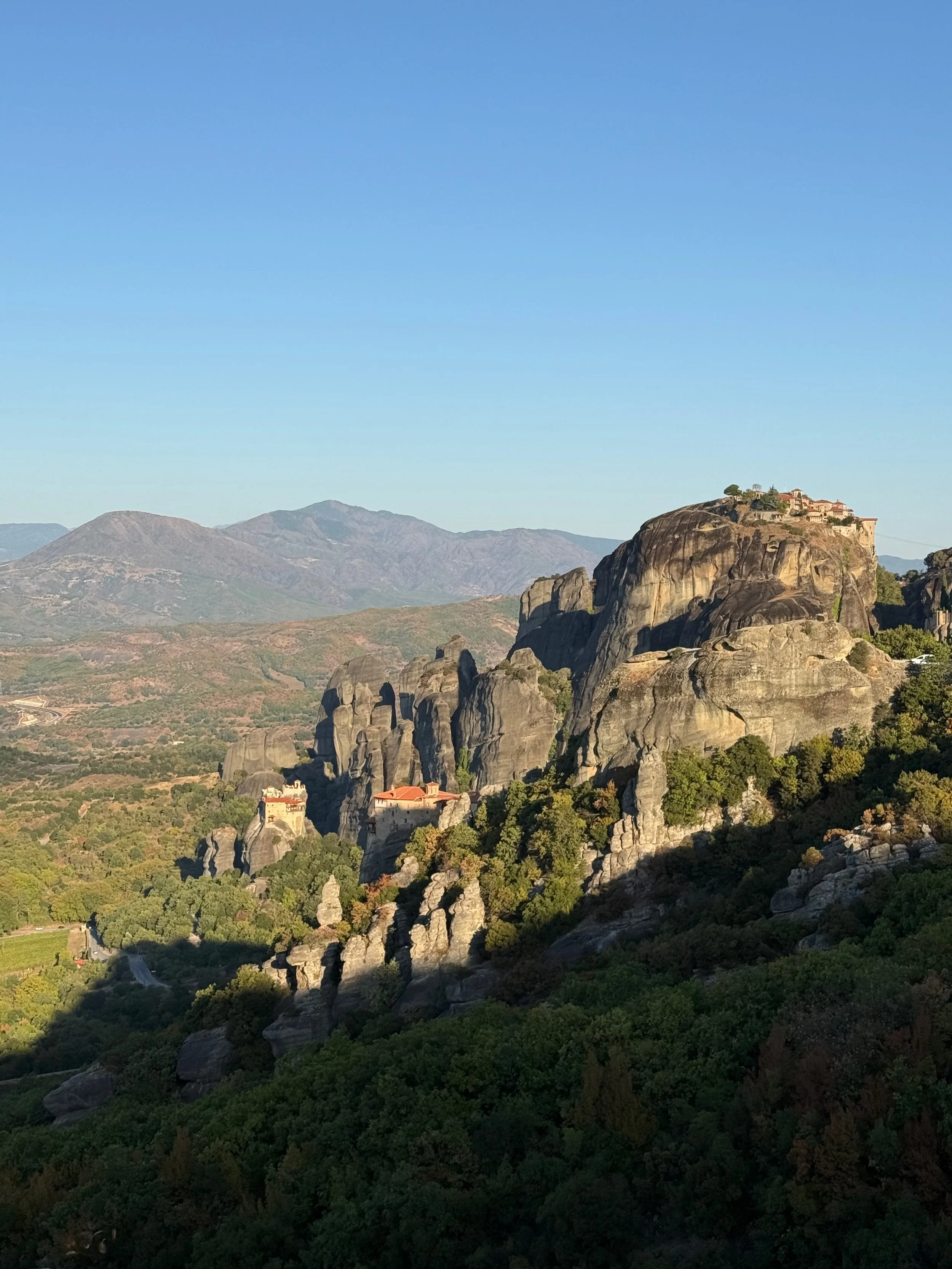
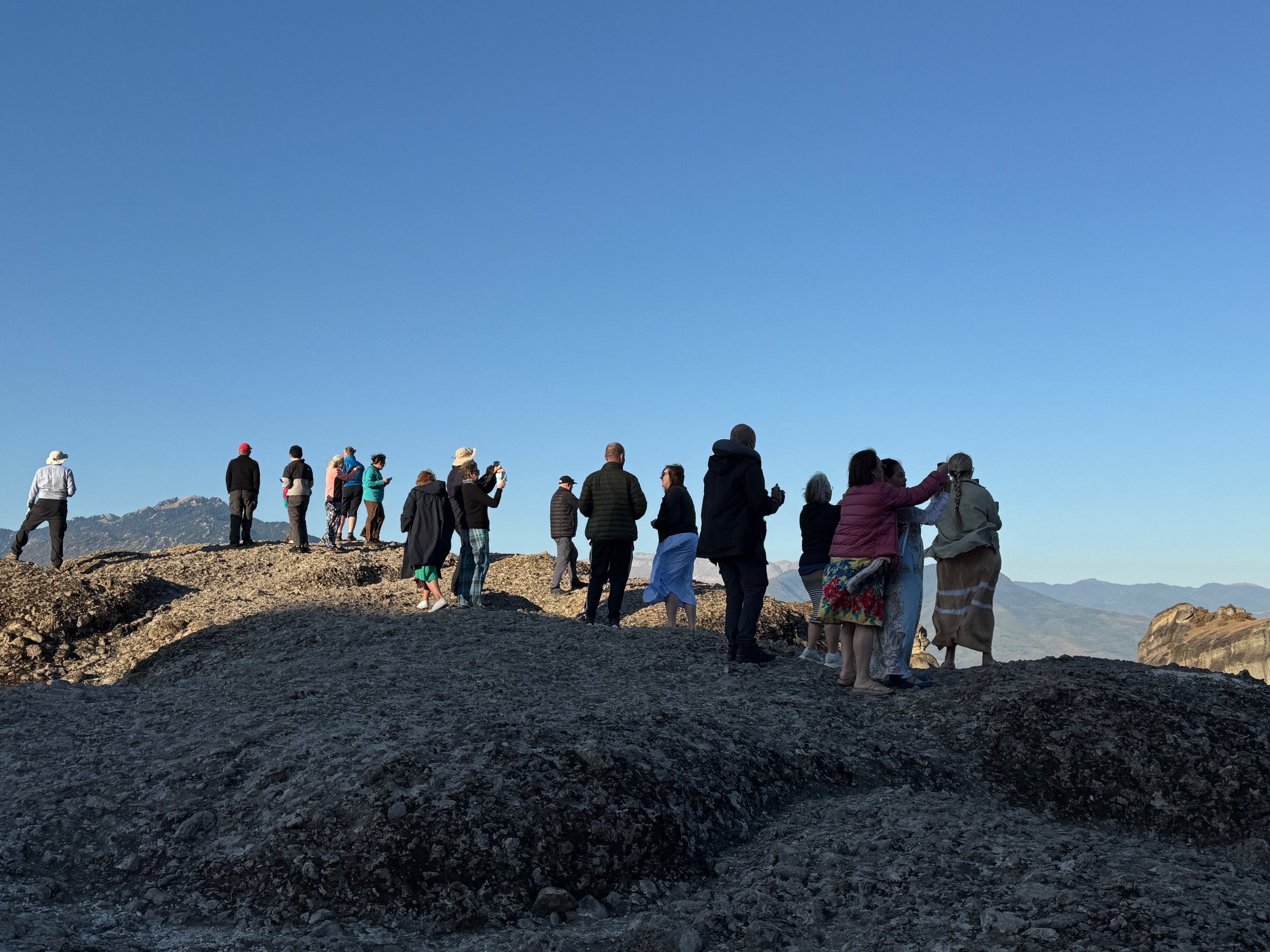
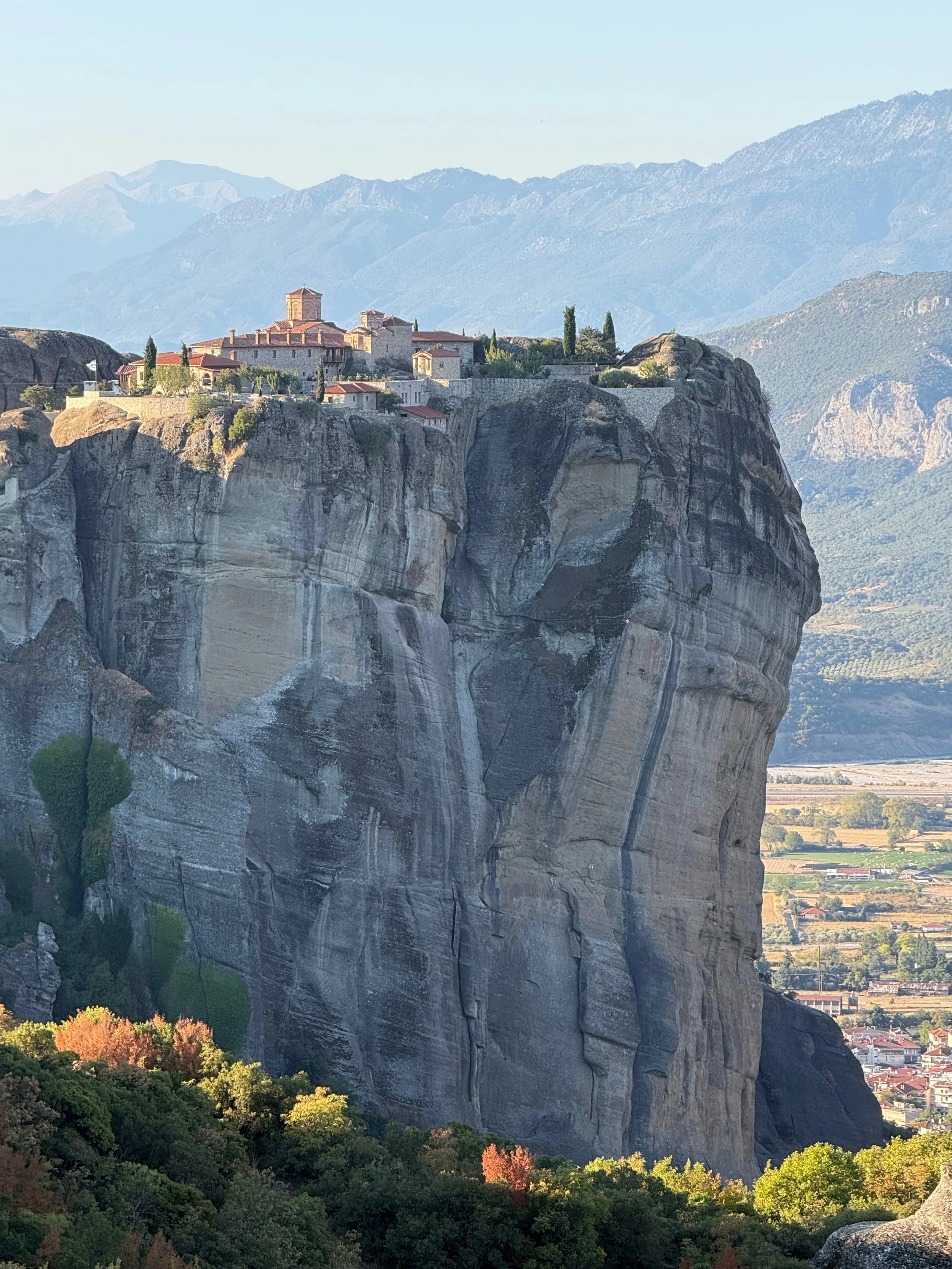
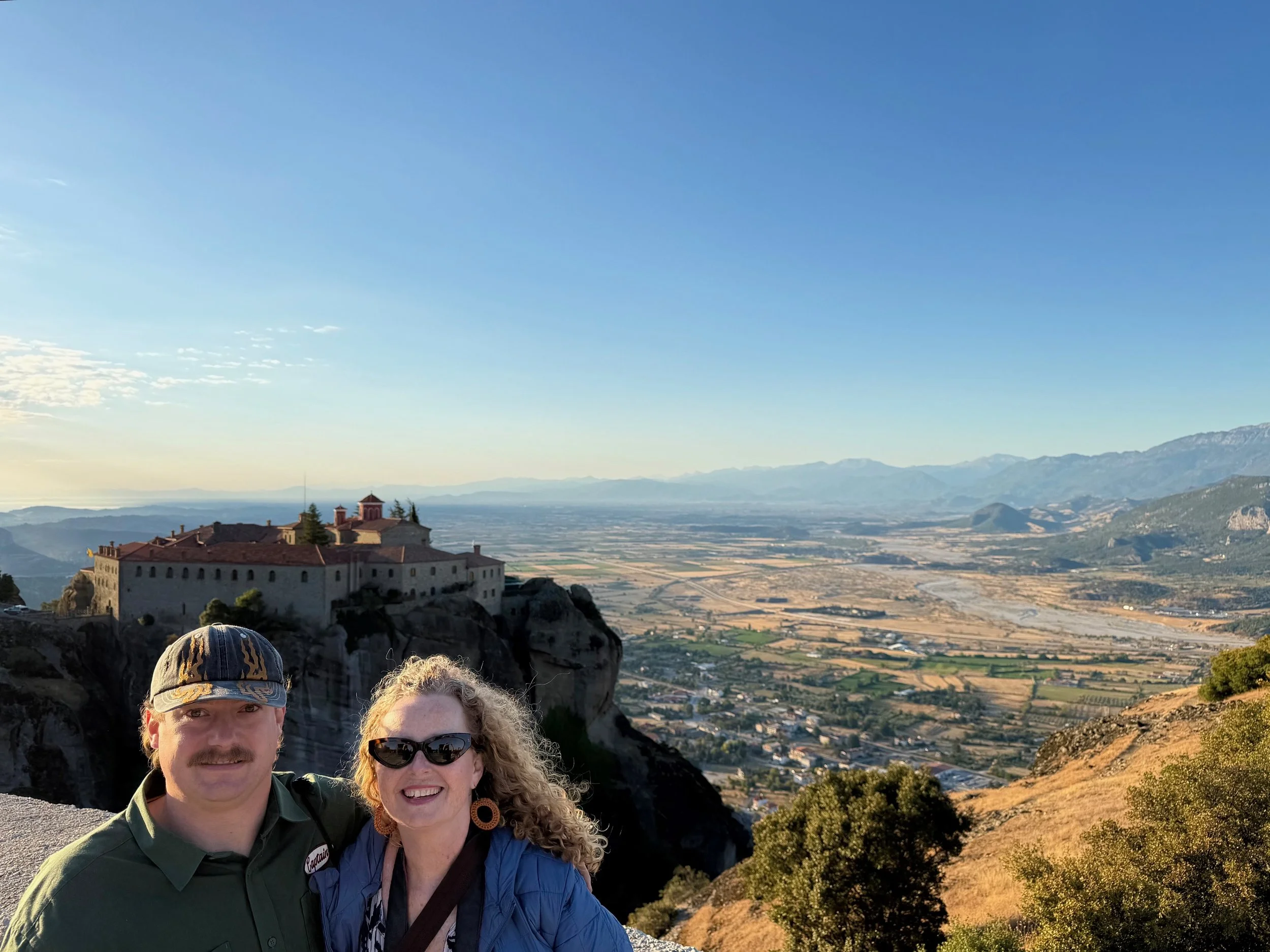
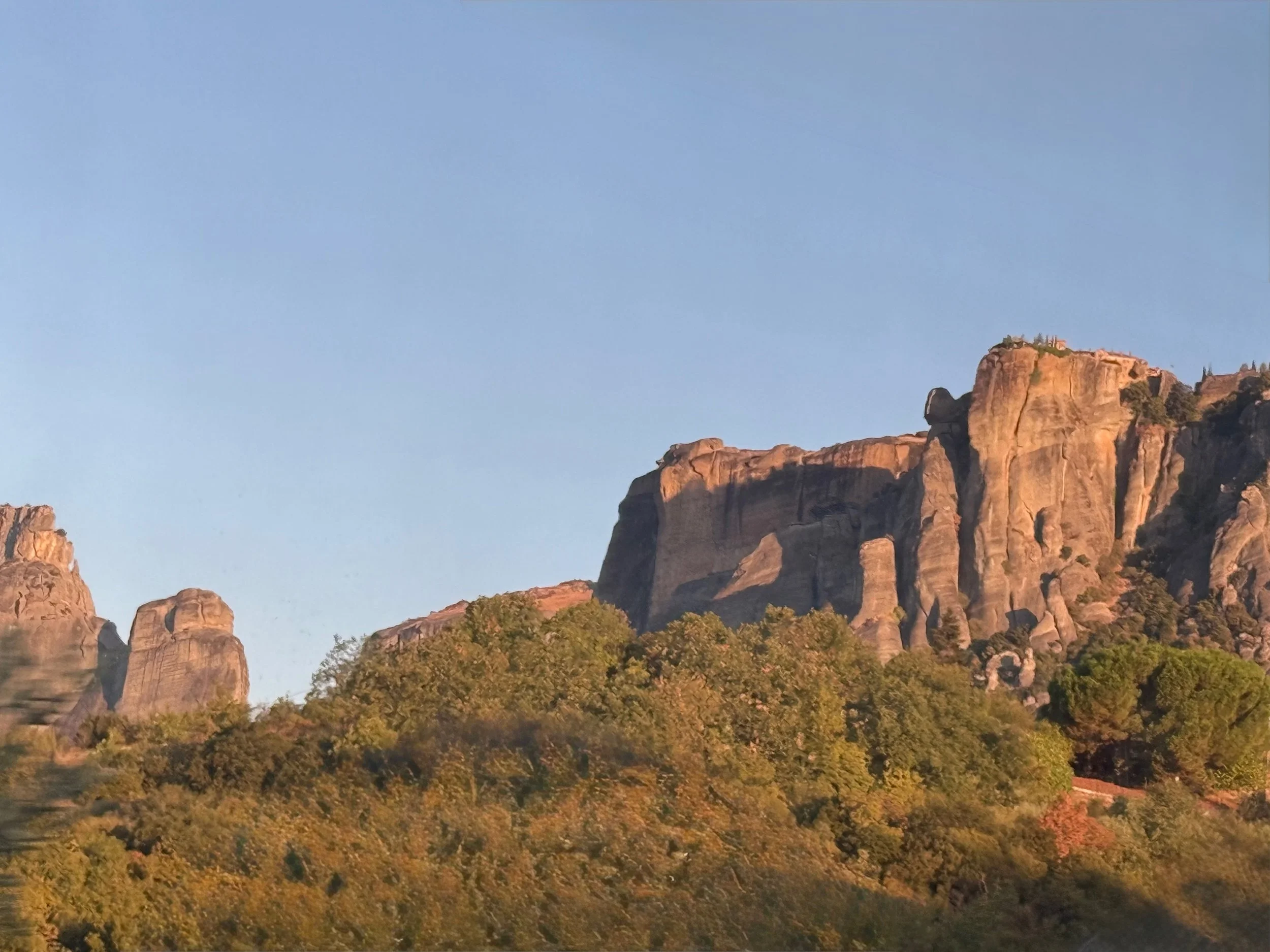
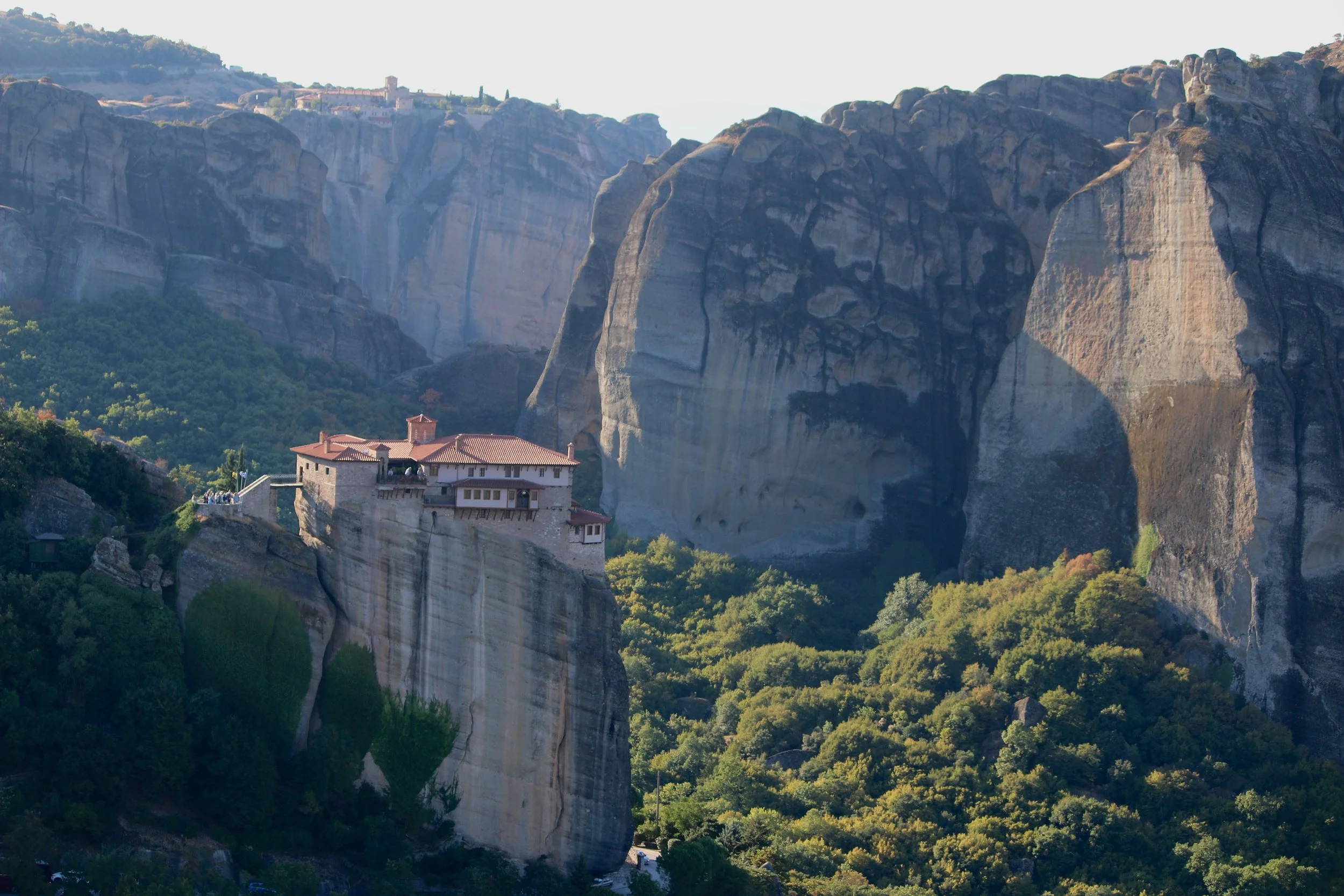
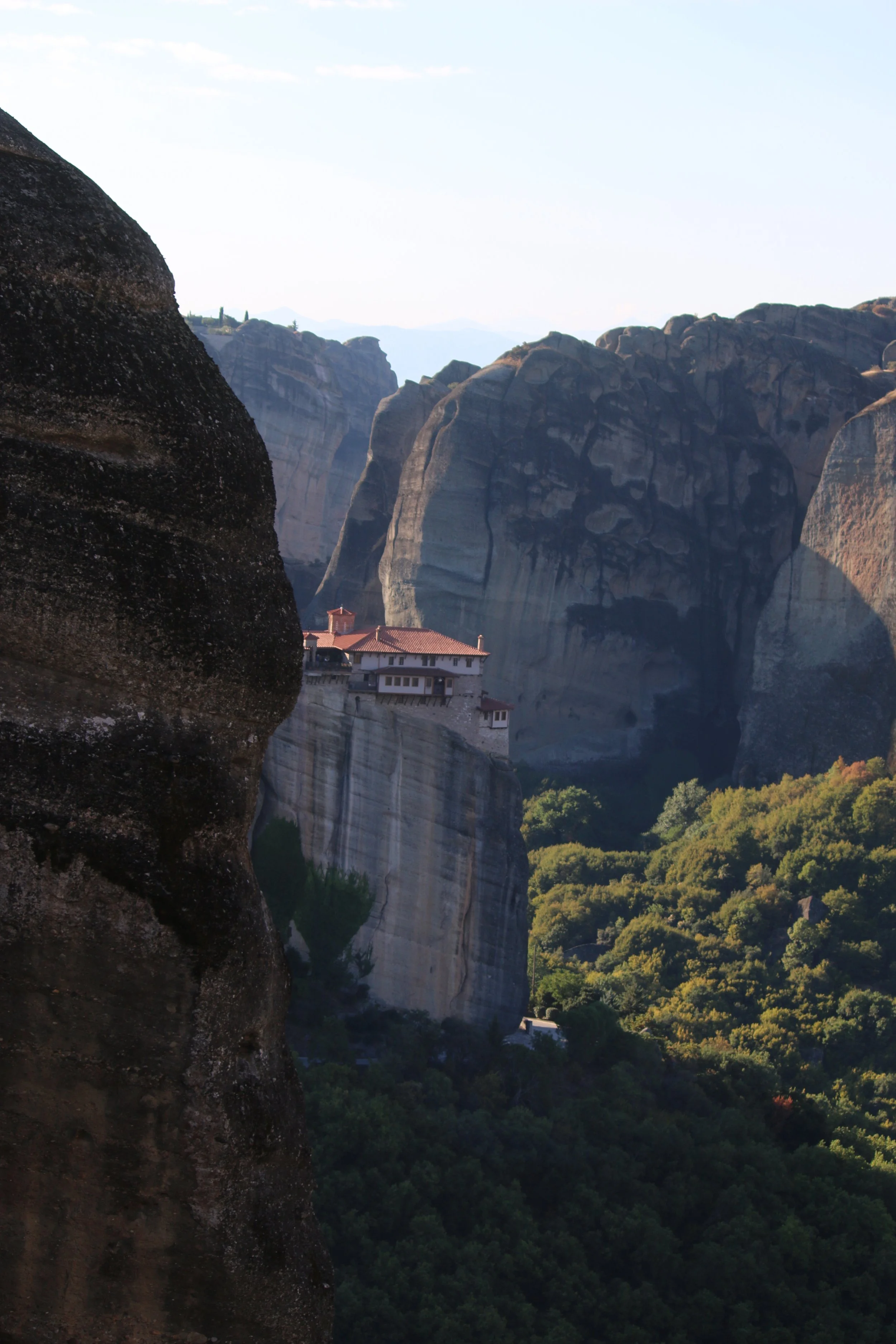
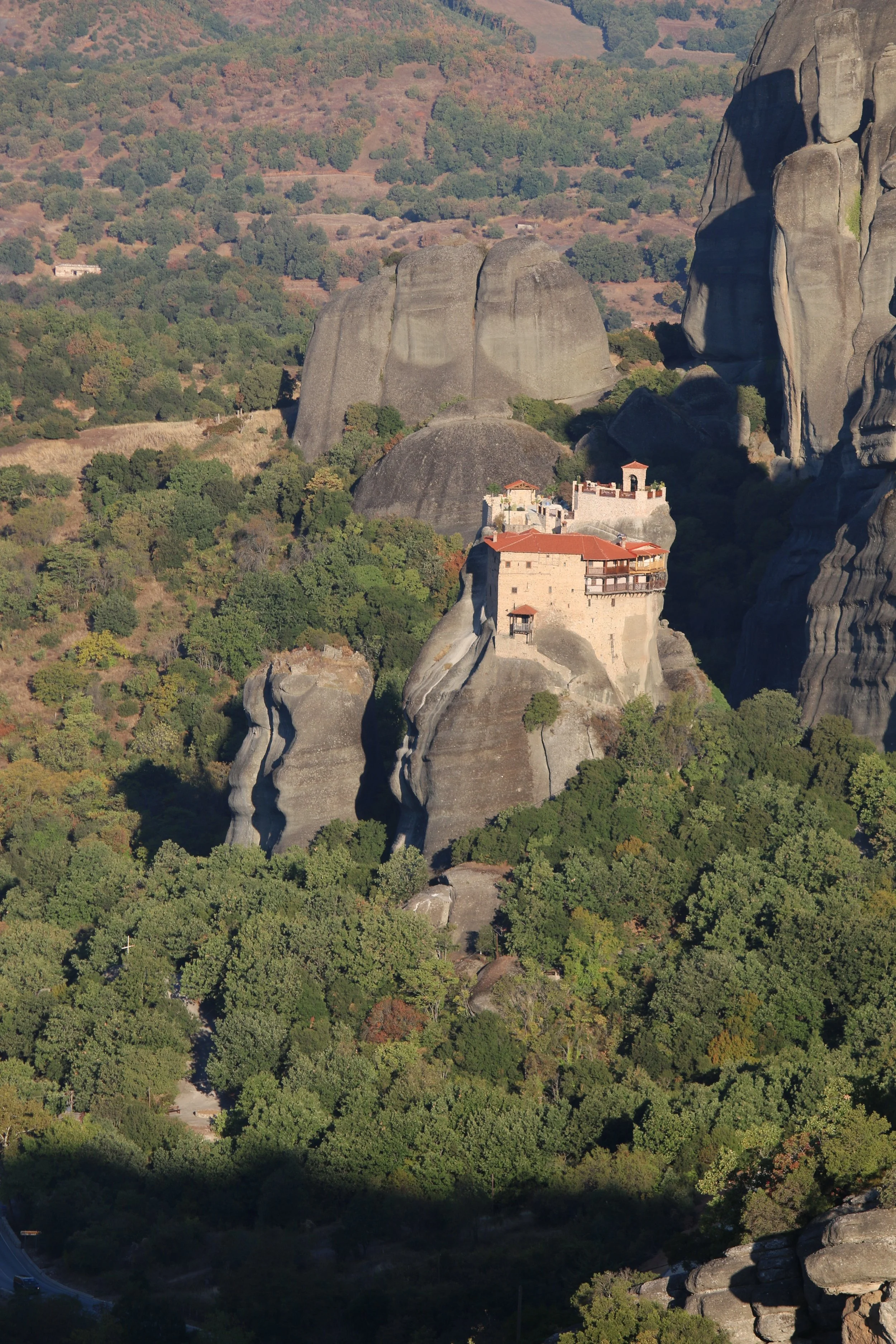
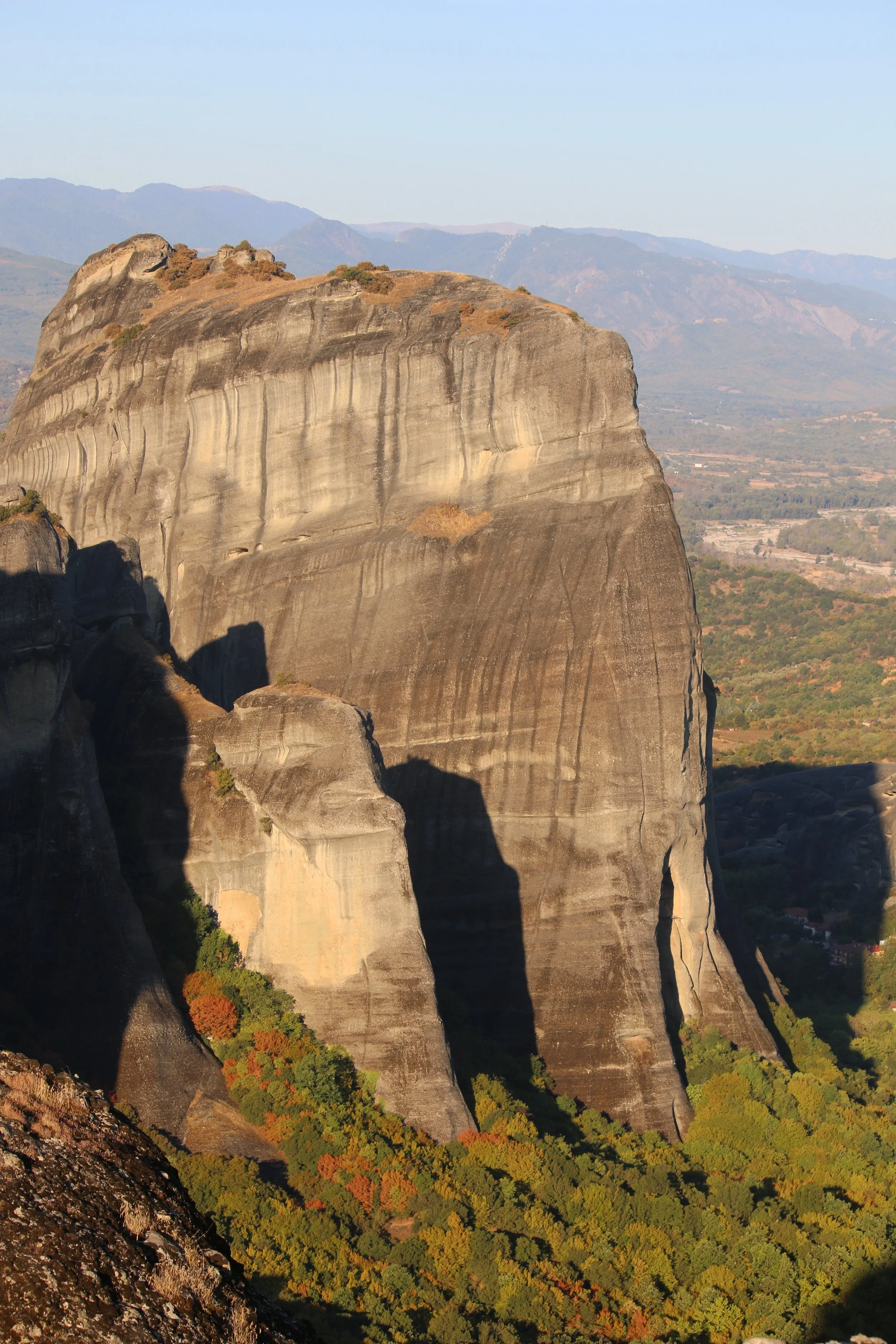
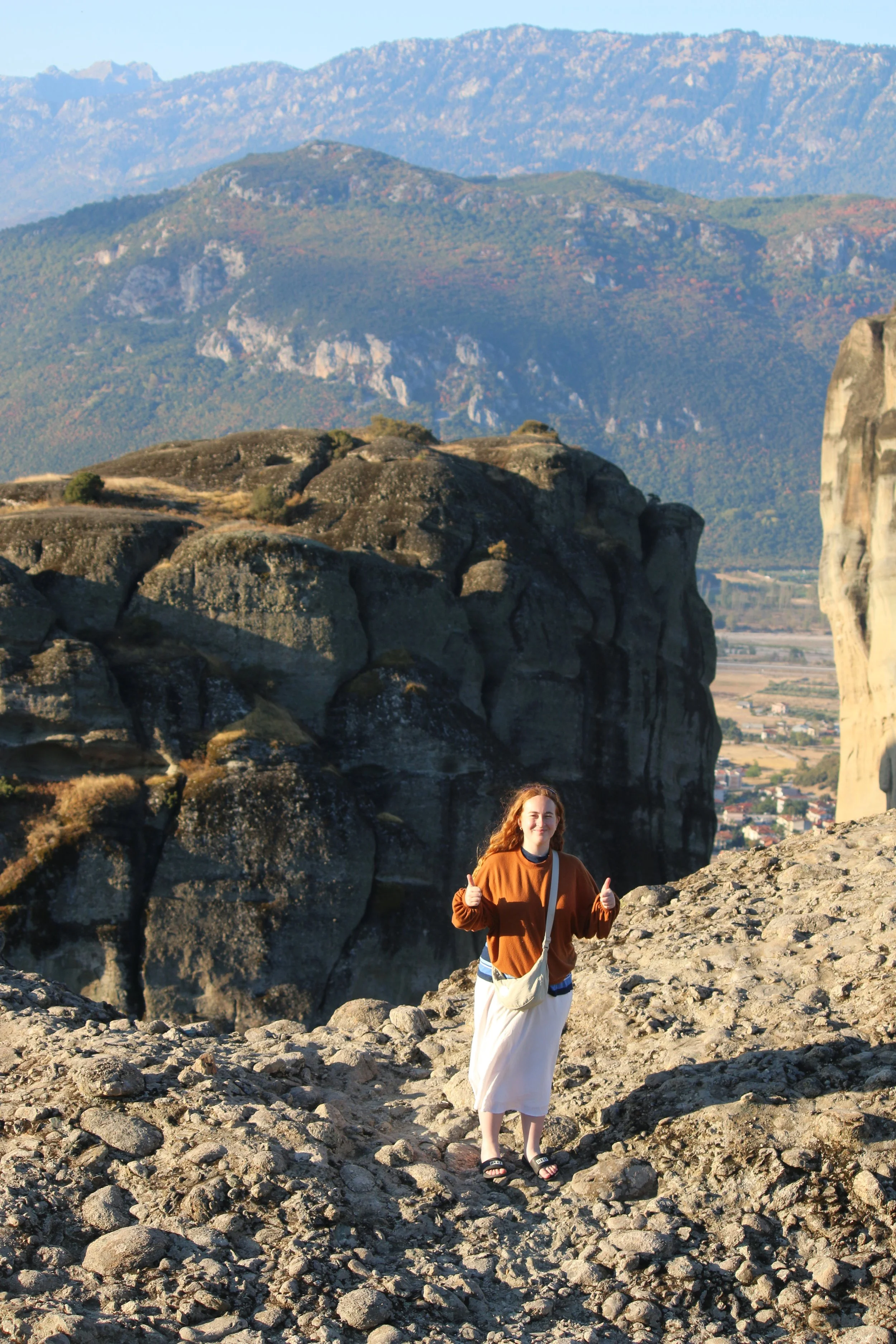
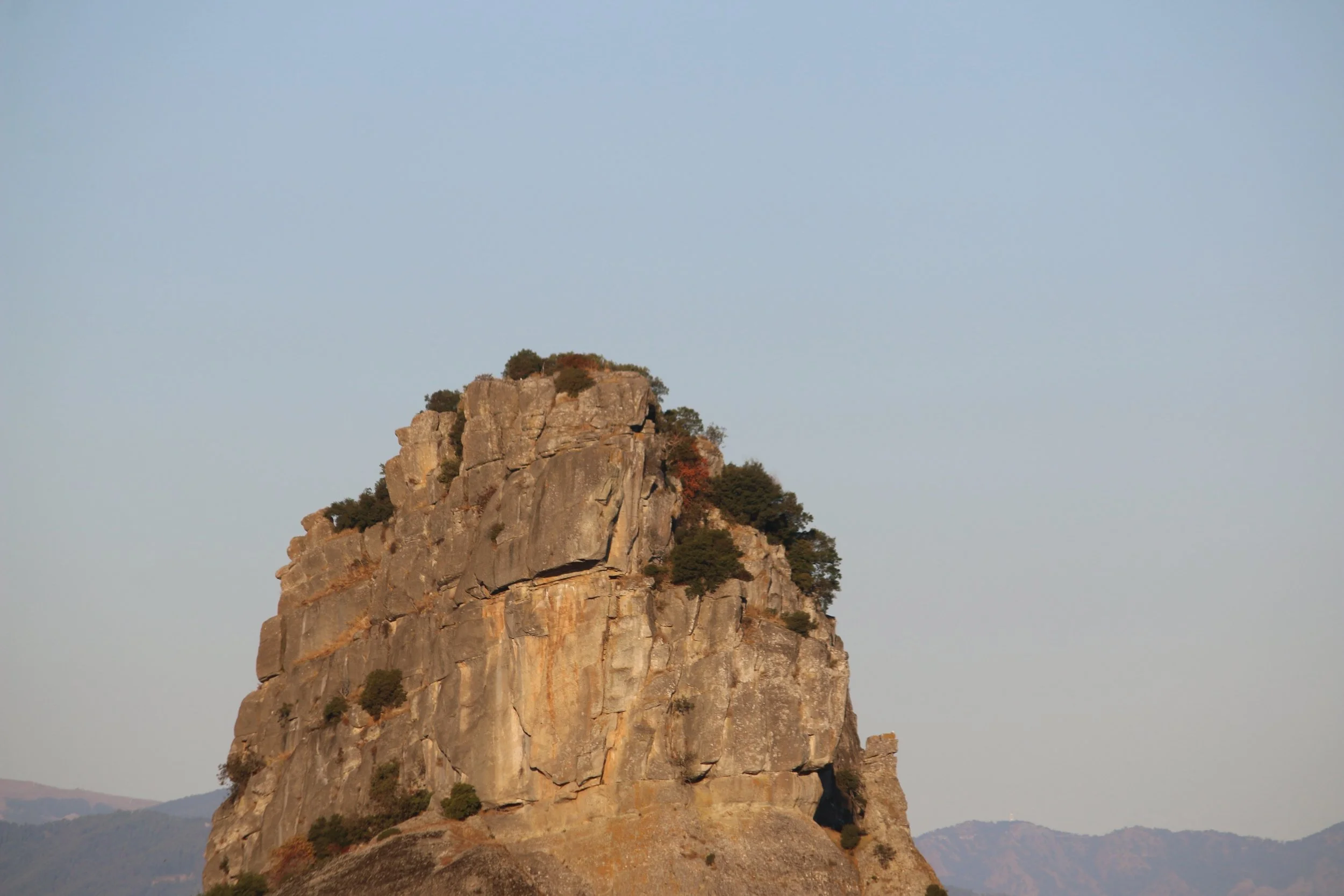
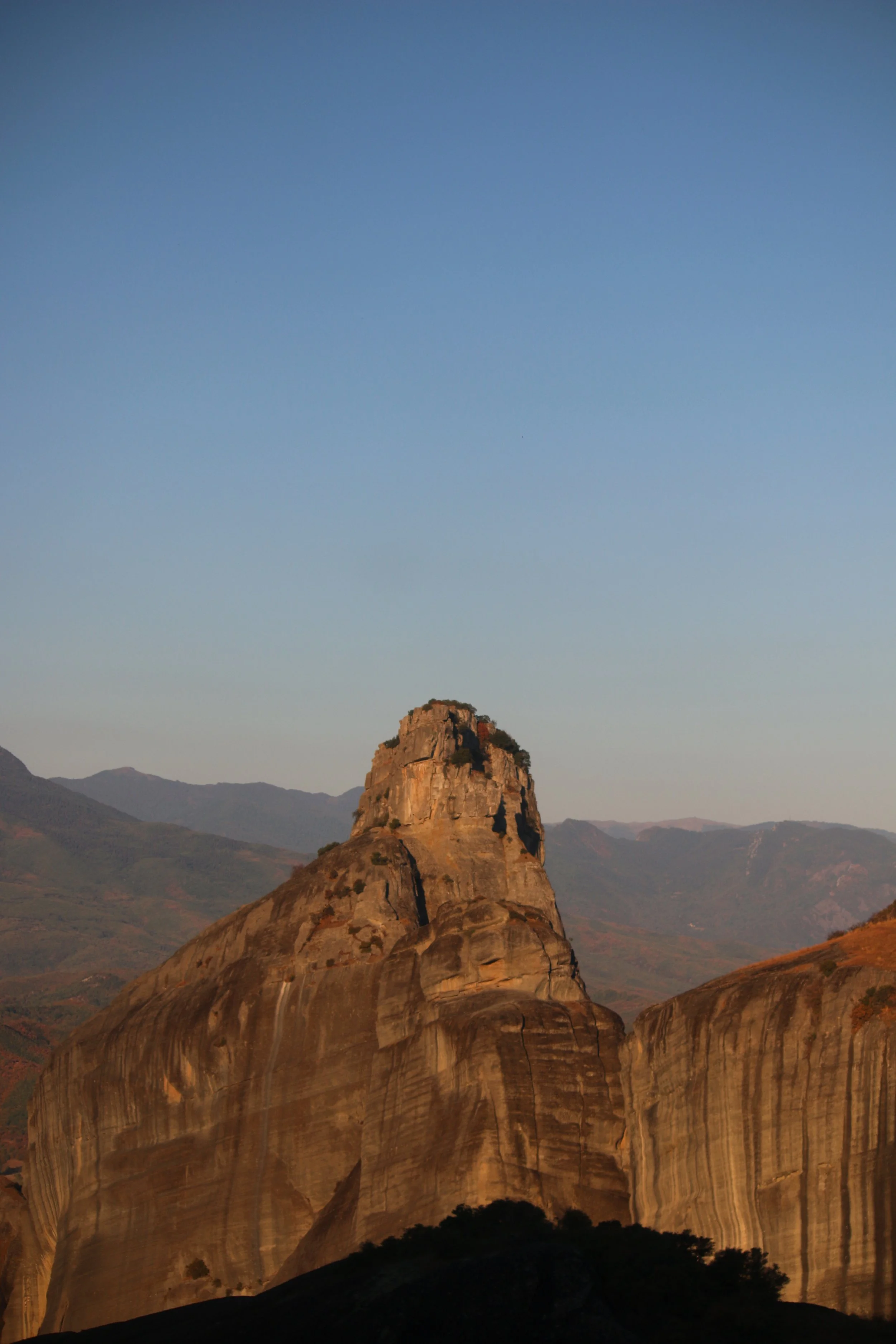
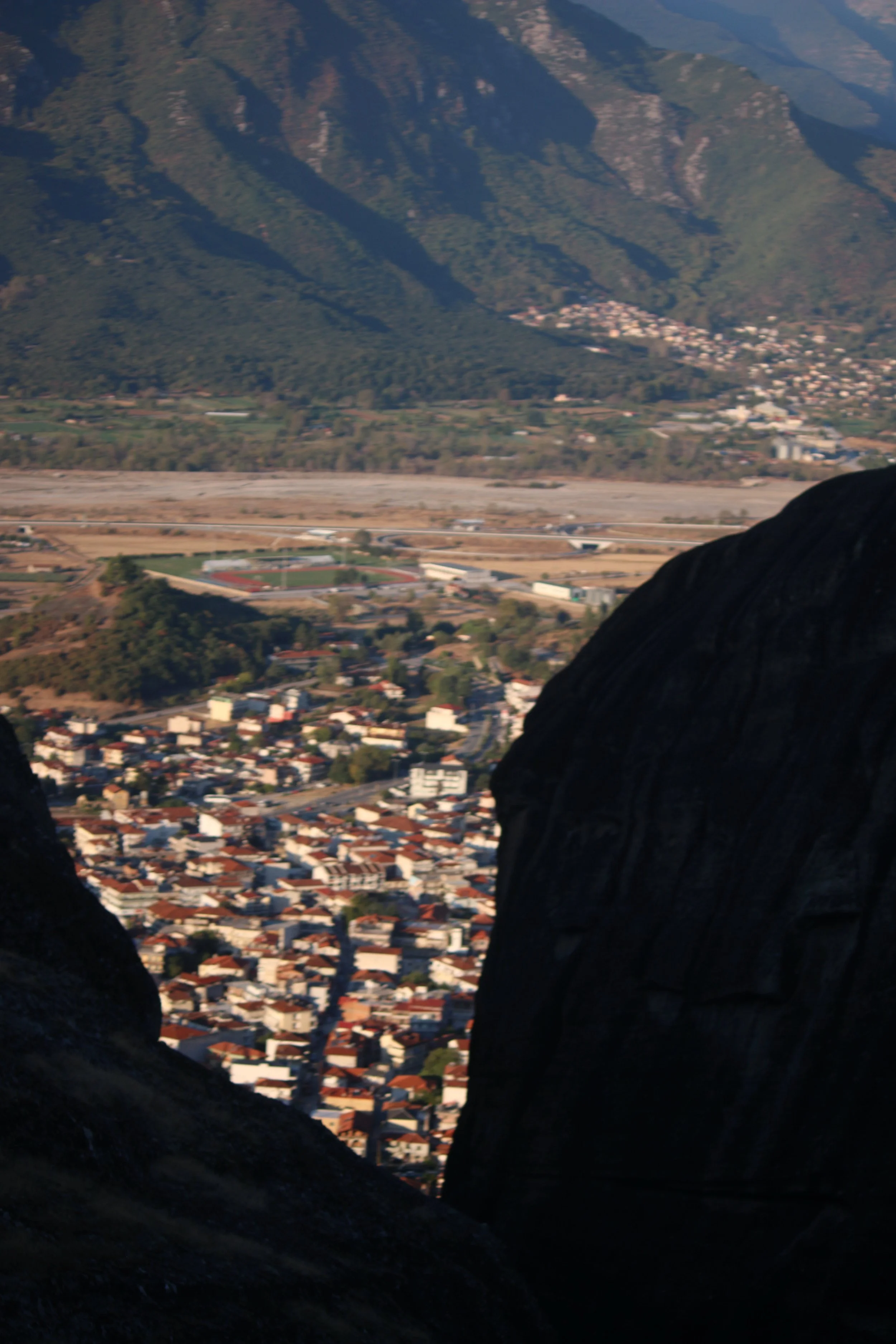
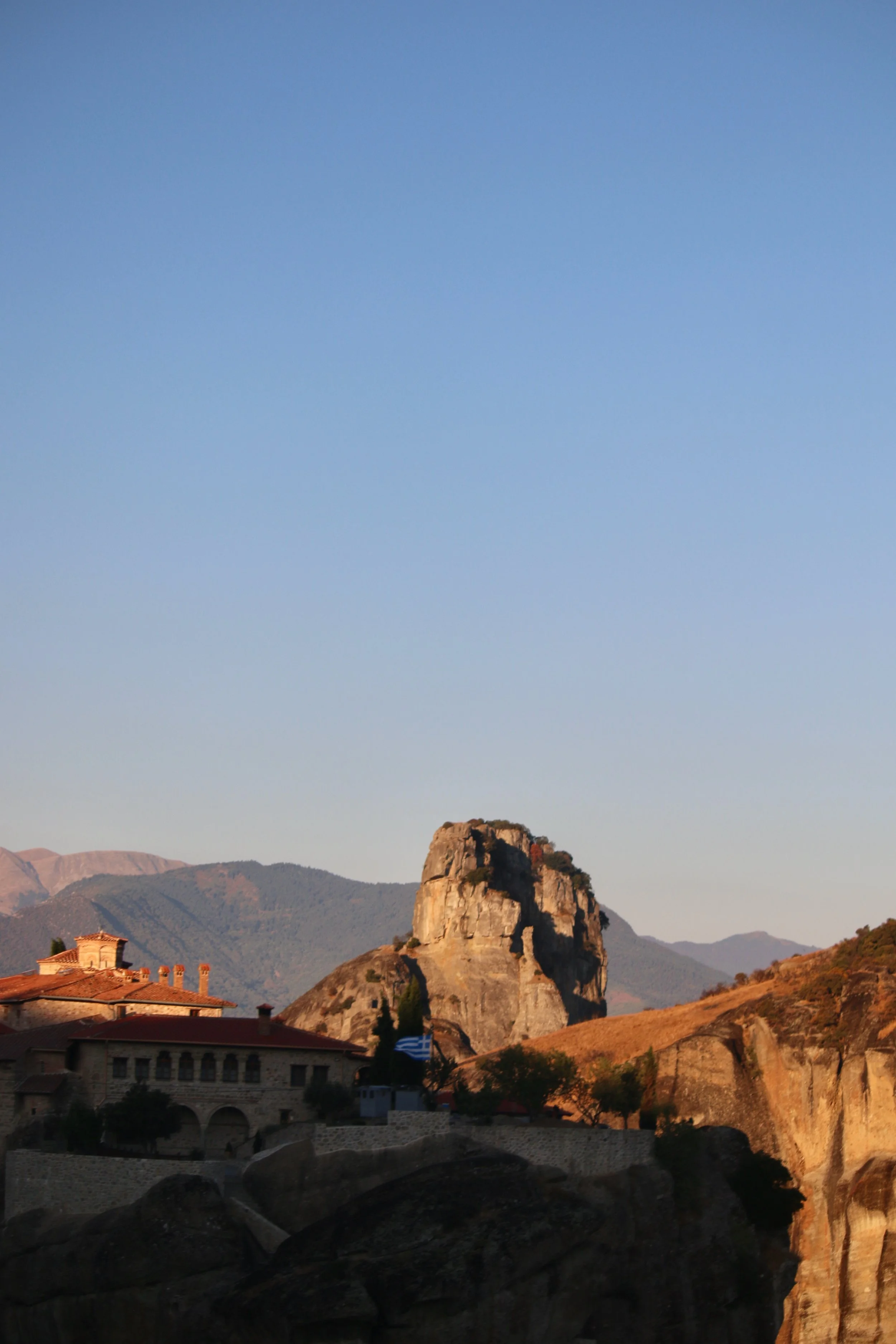
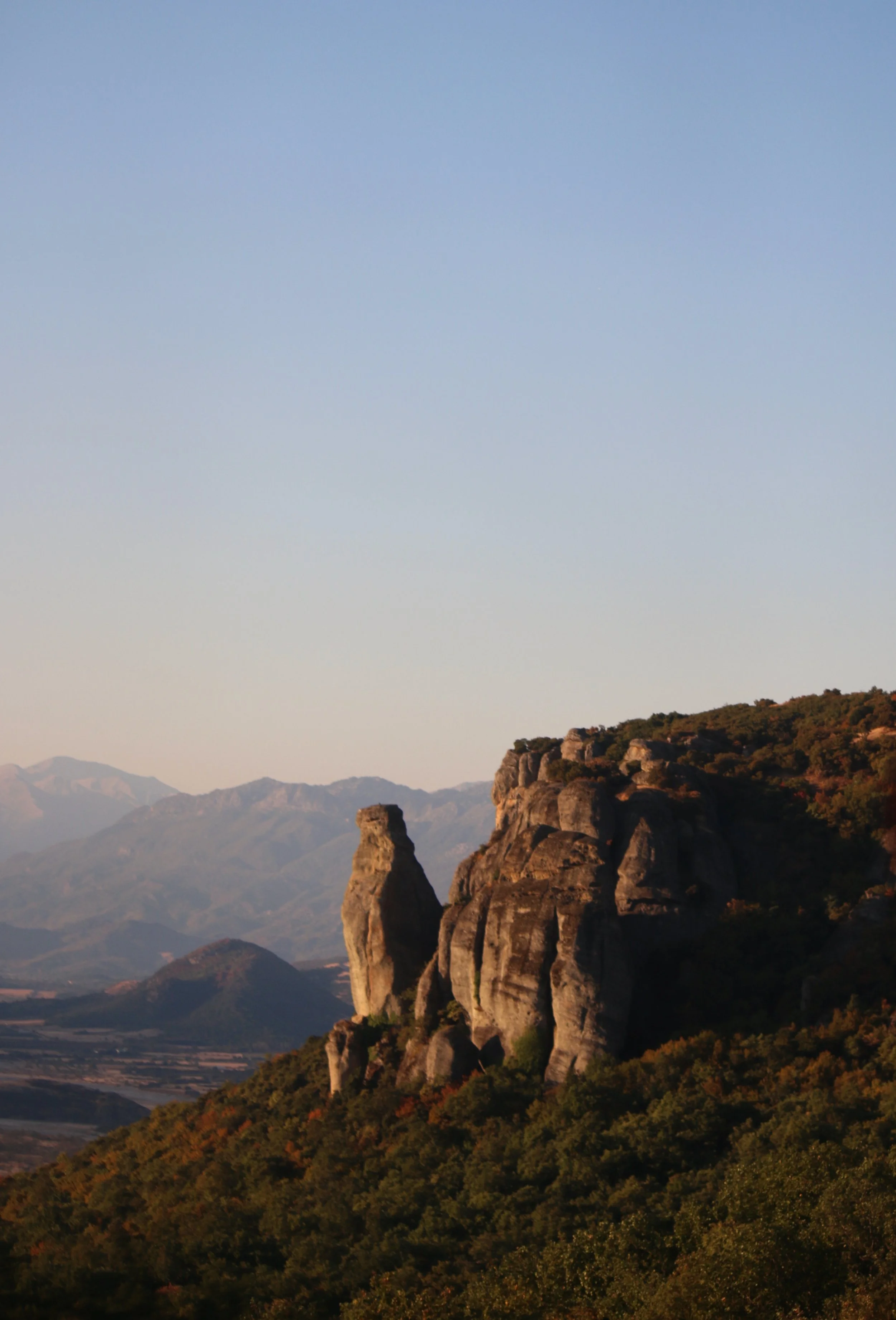
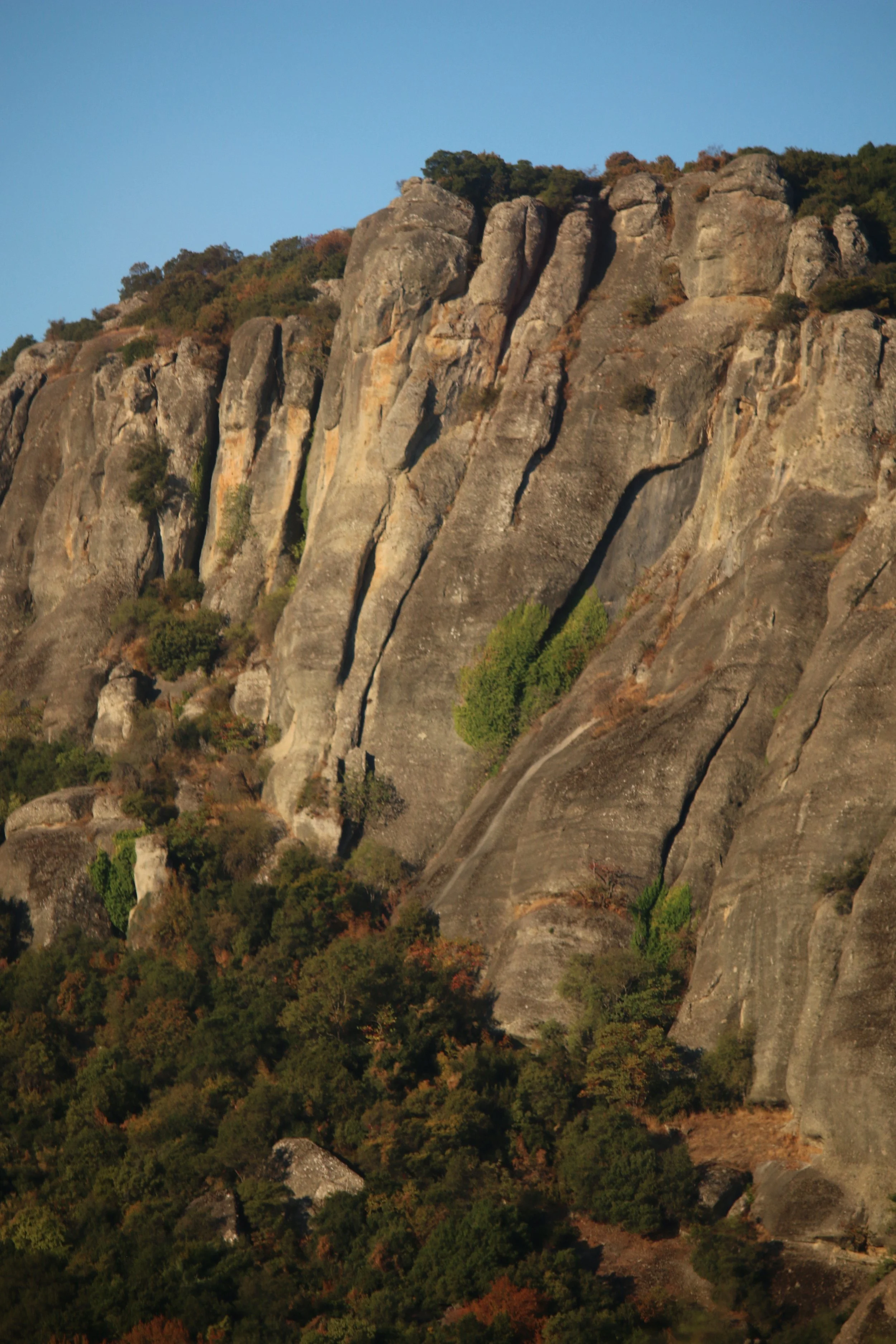
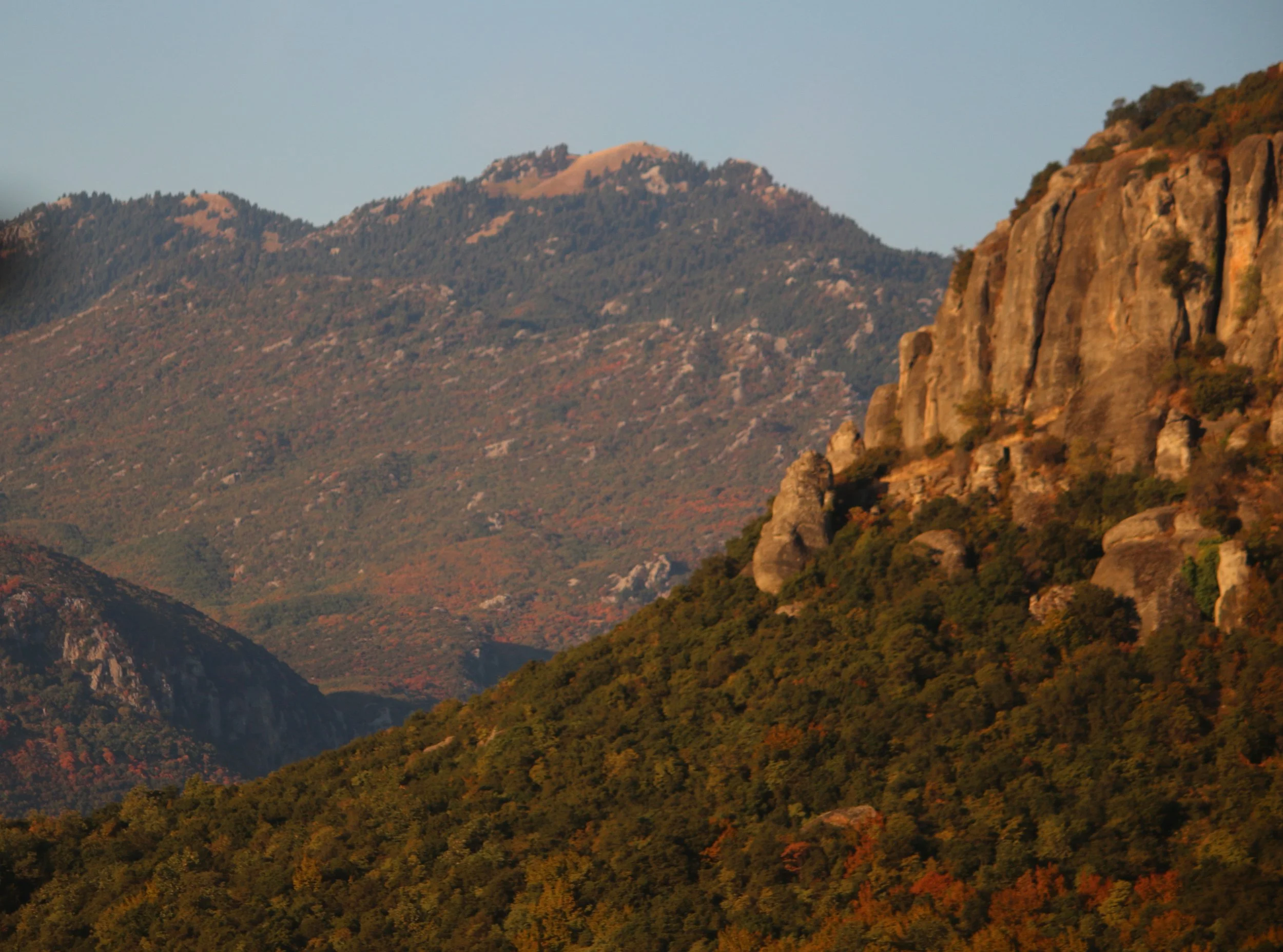
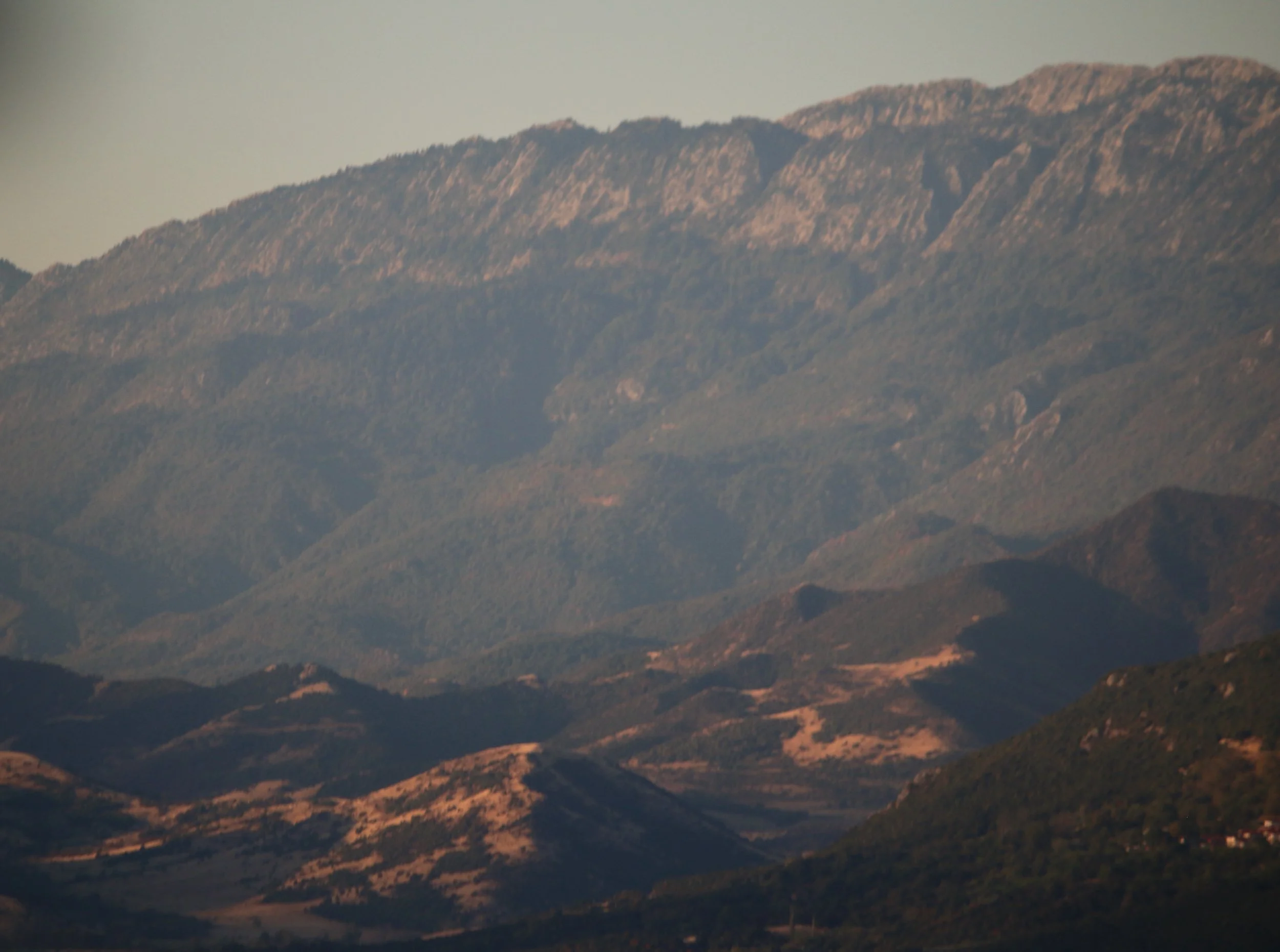
The scenery on the drive was spectacular and though Meteora’s rocks had been visible in the distance from our hotel, the higher into the mountains we got, the more we were impacted by the sheer immensity of these monstrous monoliths. Solid stone pillars rose up from the valley, some touching shoulders with one another and others standing out from the pack. There was a collective gasp from our eager busload the moment we spotted the monasteries atop their lofty perches, all eyes trained and cameras clicking. Dimitris pulled the bus over at a perfect vantage point for sweeping views of the entire valley. The monks of the 14th and 15th centuries really took Jesus’ words to heart when he said: the wise man builds his house upon the rock. I wonder if this was what he had in mind?
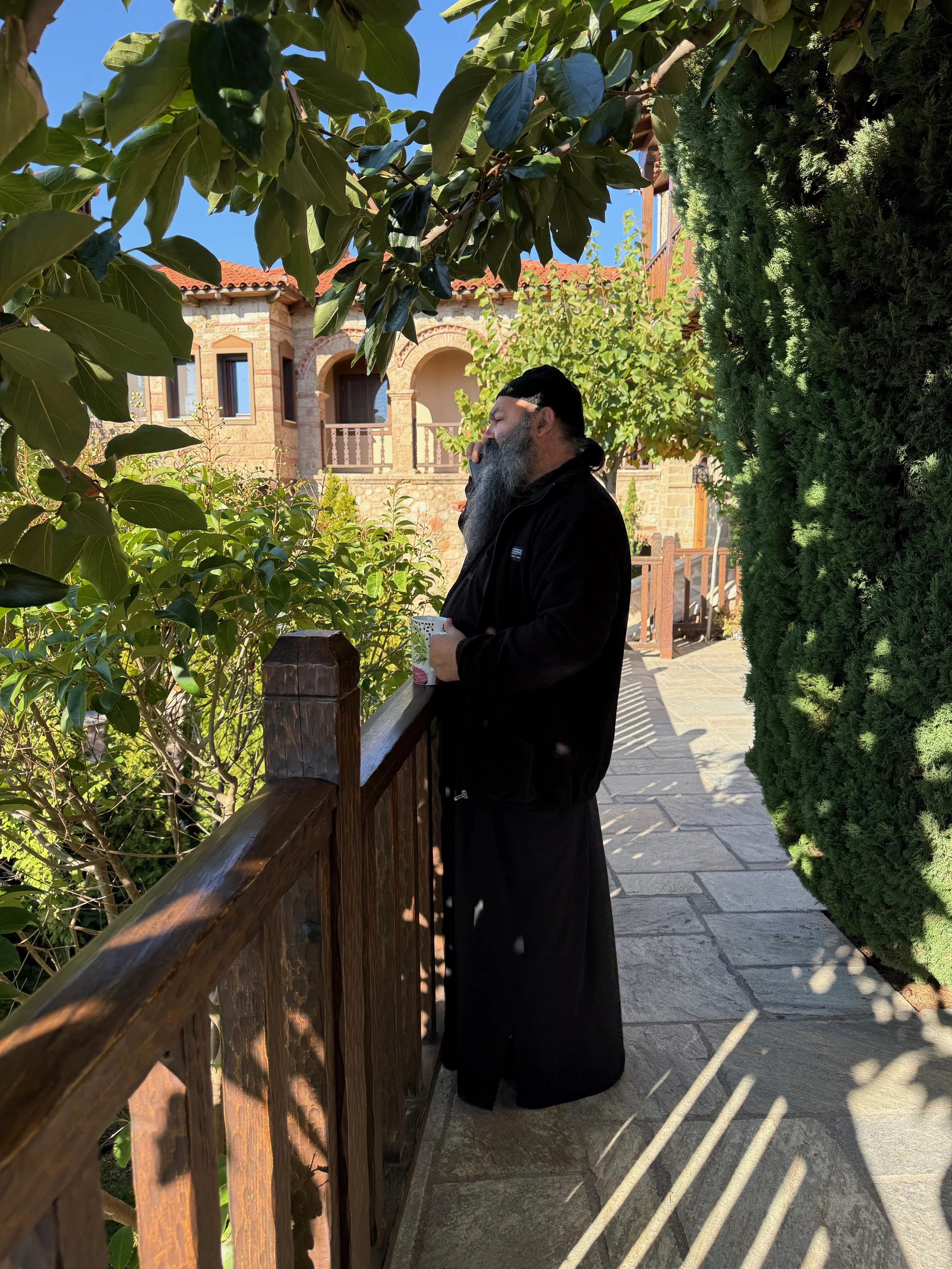
Marianna explained that monks in this area were rather shy and retiring, preferring their own company to that of others and living solitary, quiet lives dedicated to prayer and bible reading. Known as ‘hermits’ (not ‘Kermit’, Marianna helpfully clarified) they added a whole other level to getting away from it all. It was a long walk to the neighbour’s place if you ran out of sugar. These ascetic monks owned very few material possessions, got around in very simple clothing, and ate plain tasteless food.
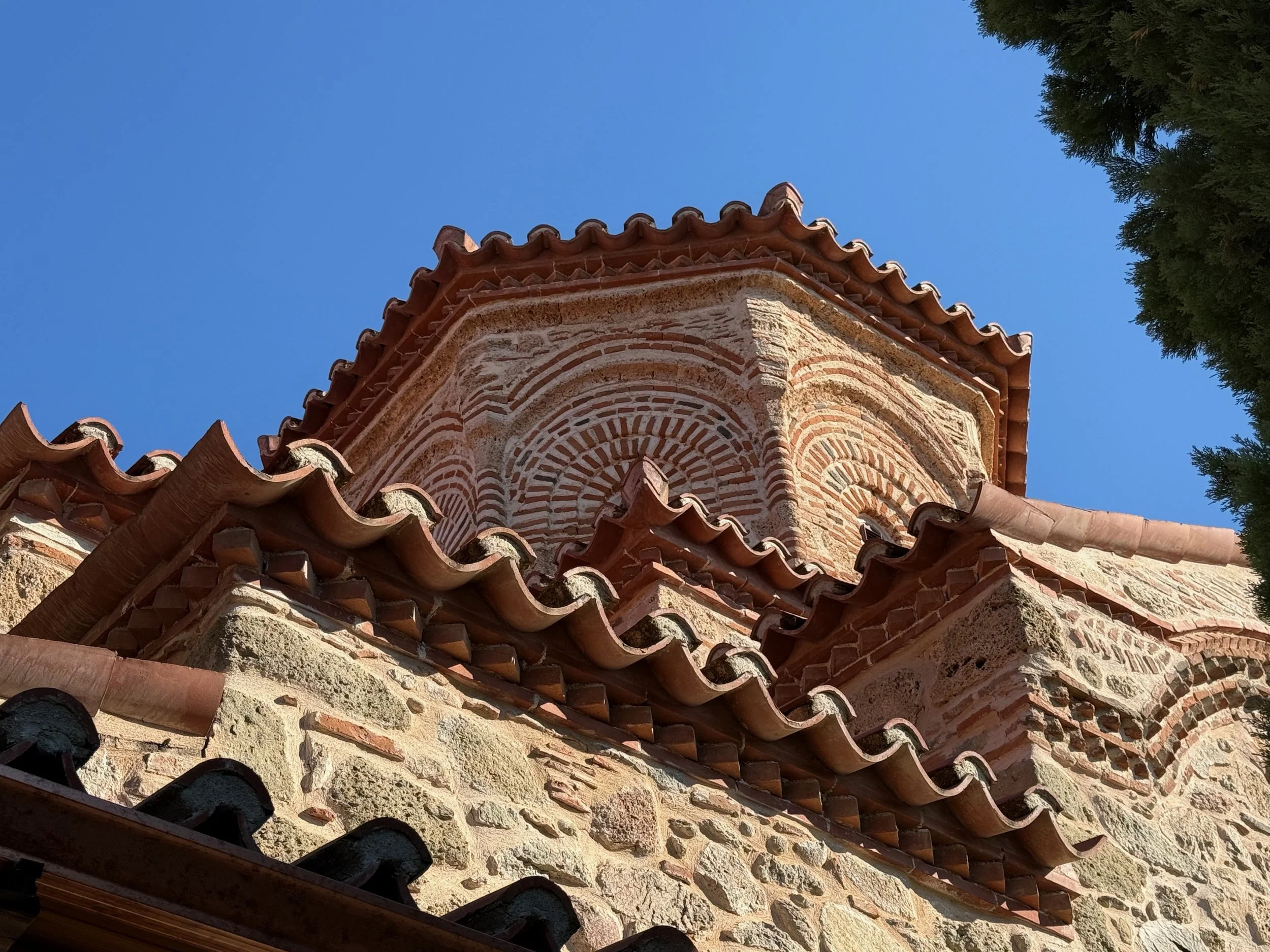
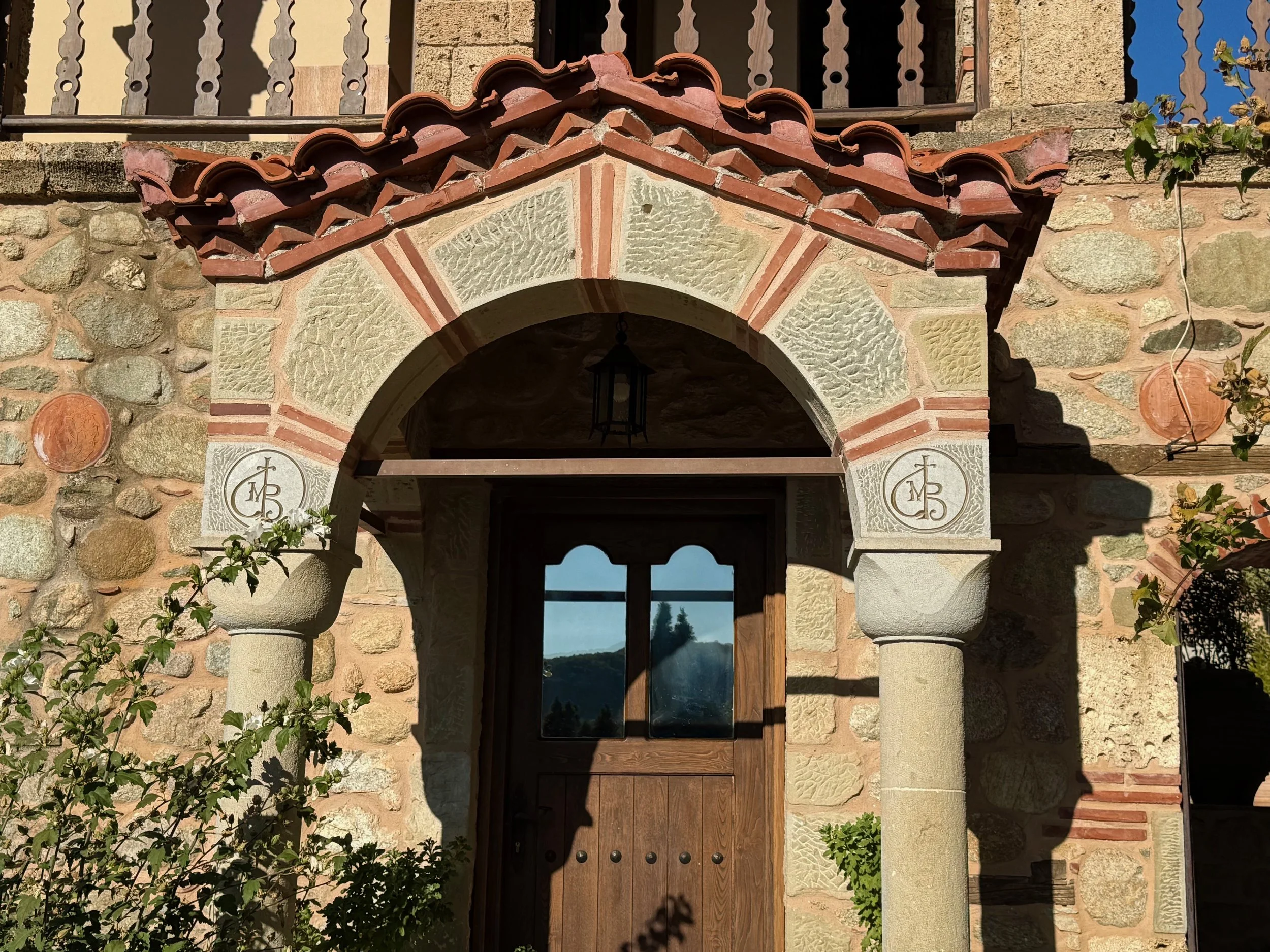
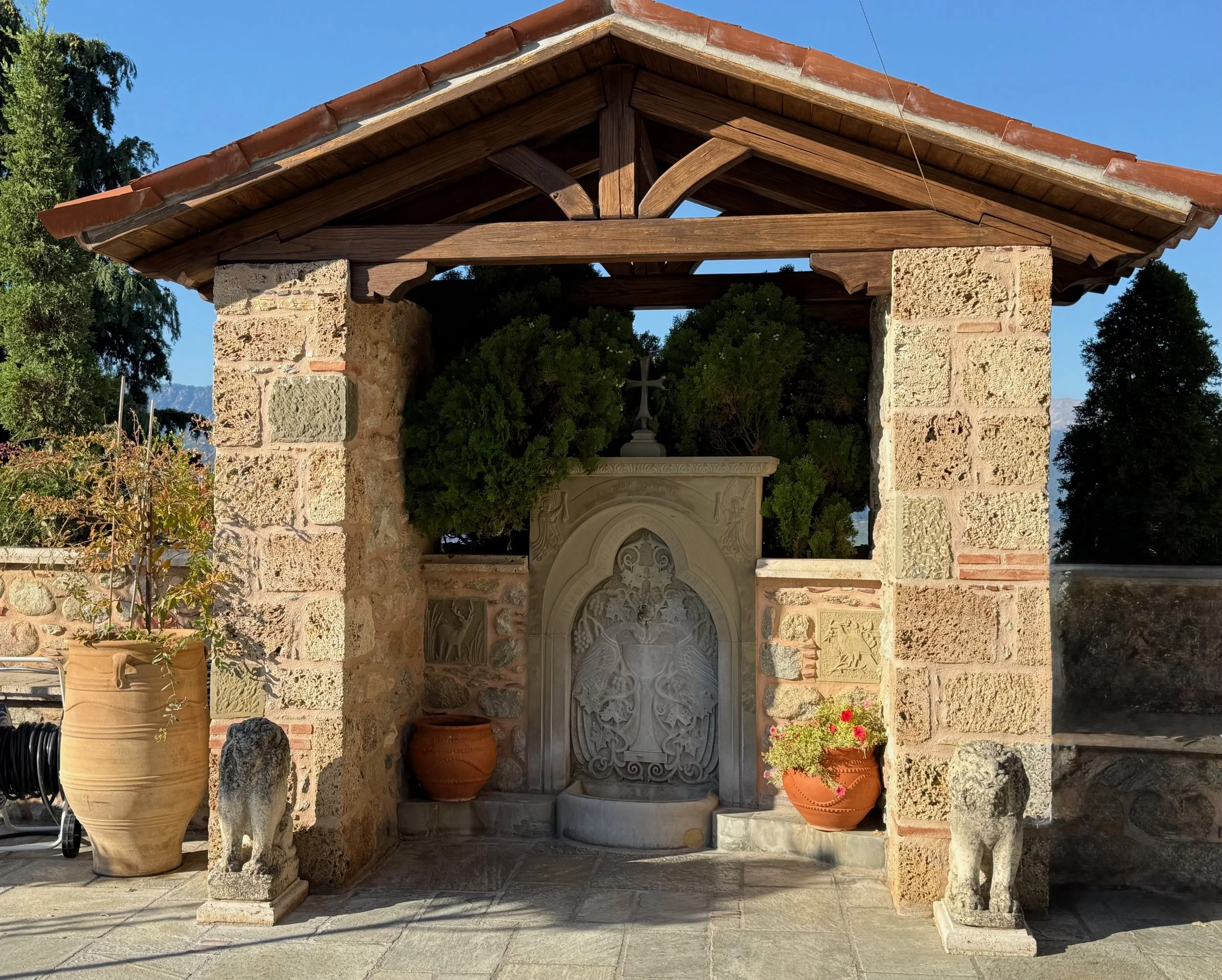
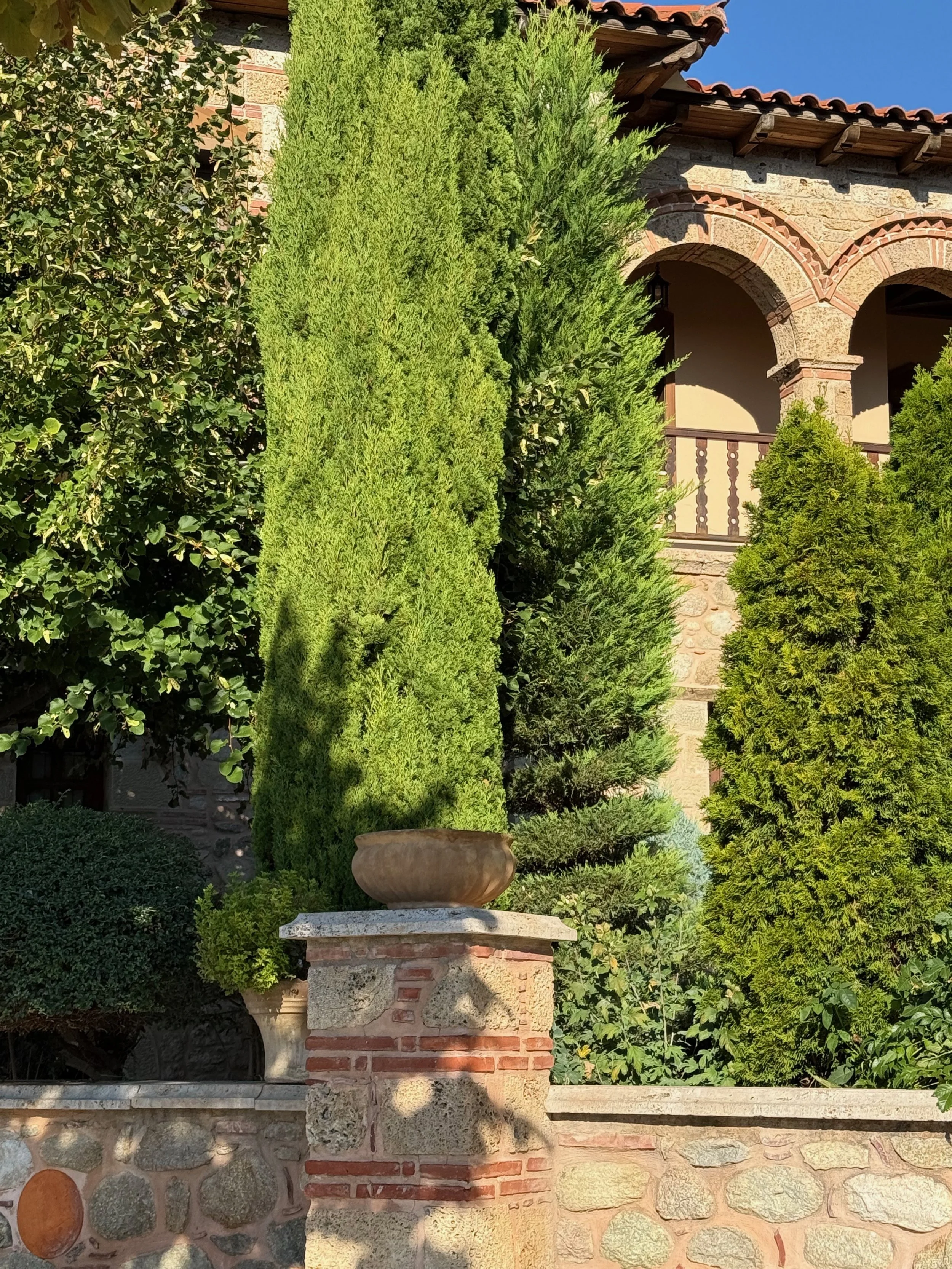
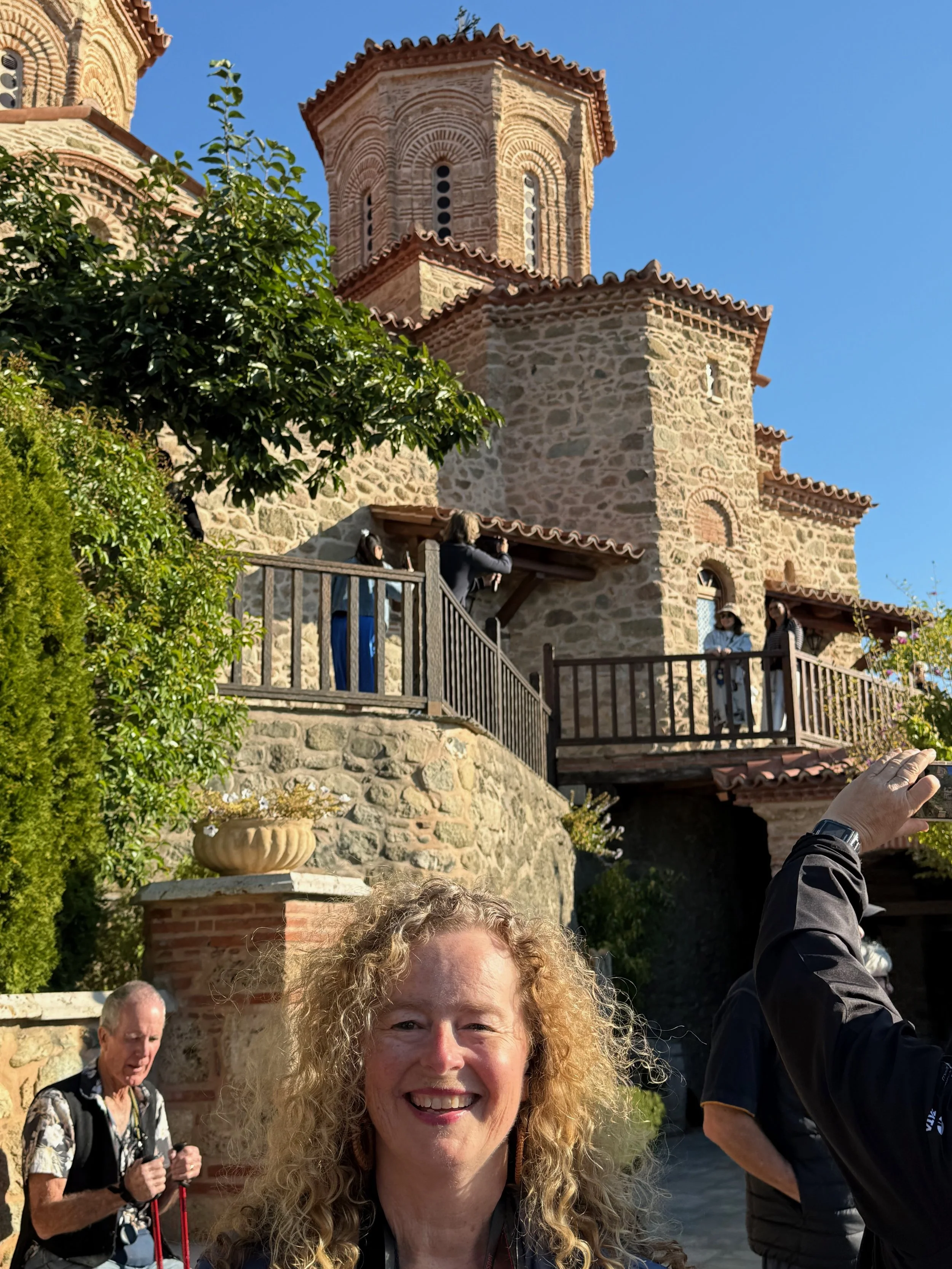
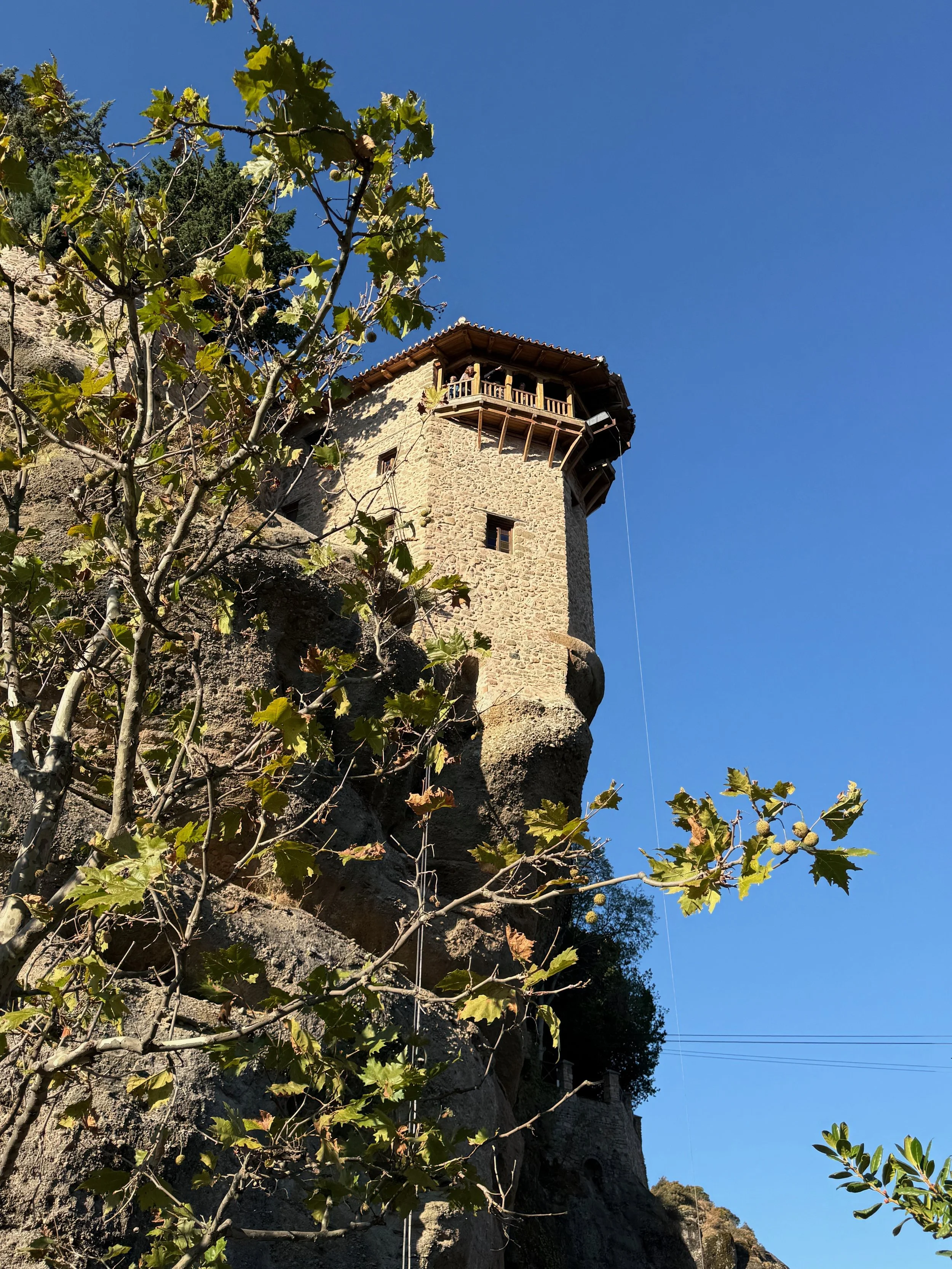
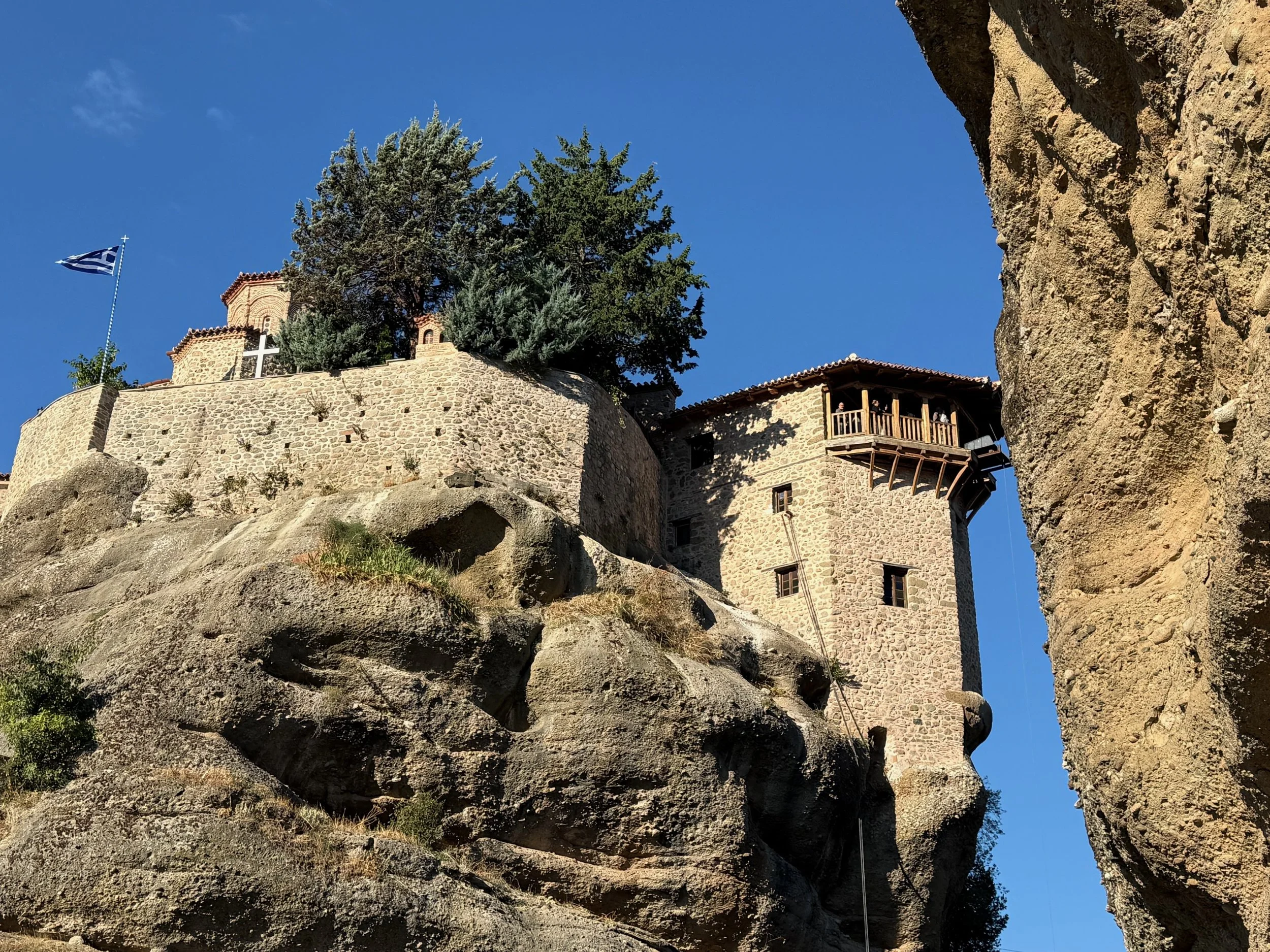
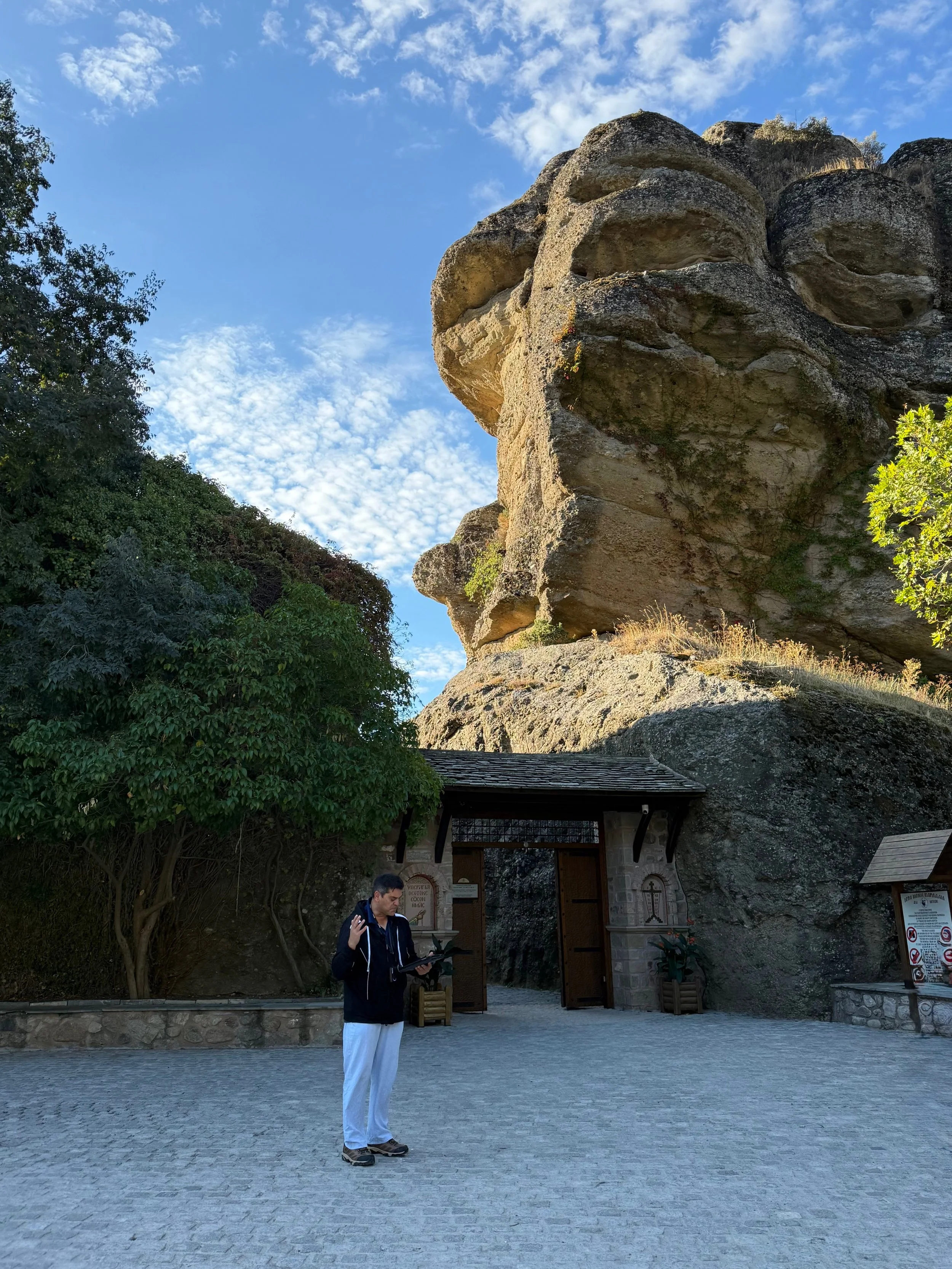
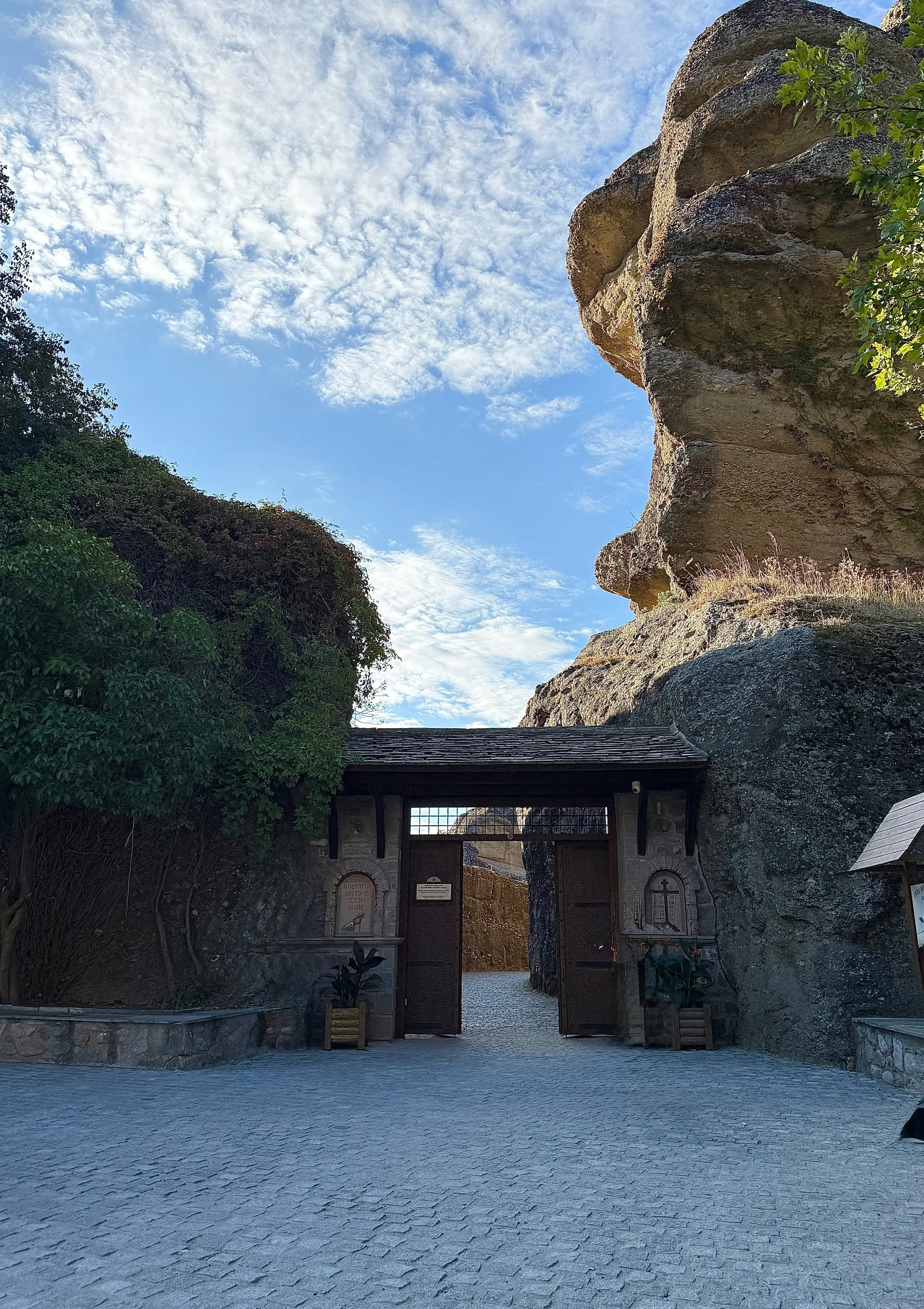
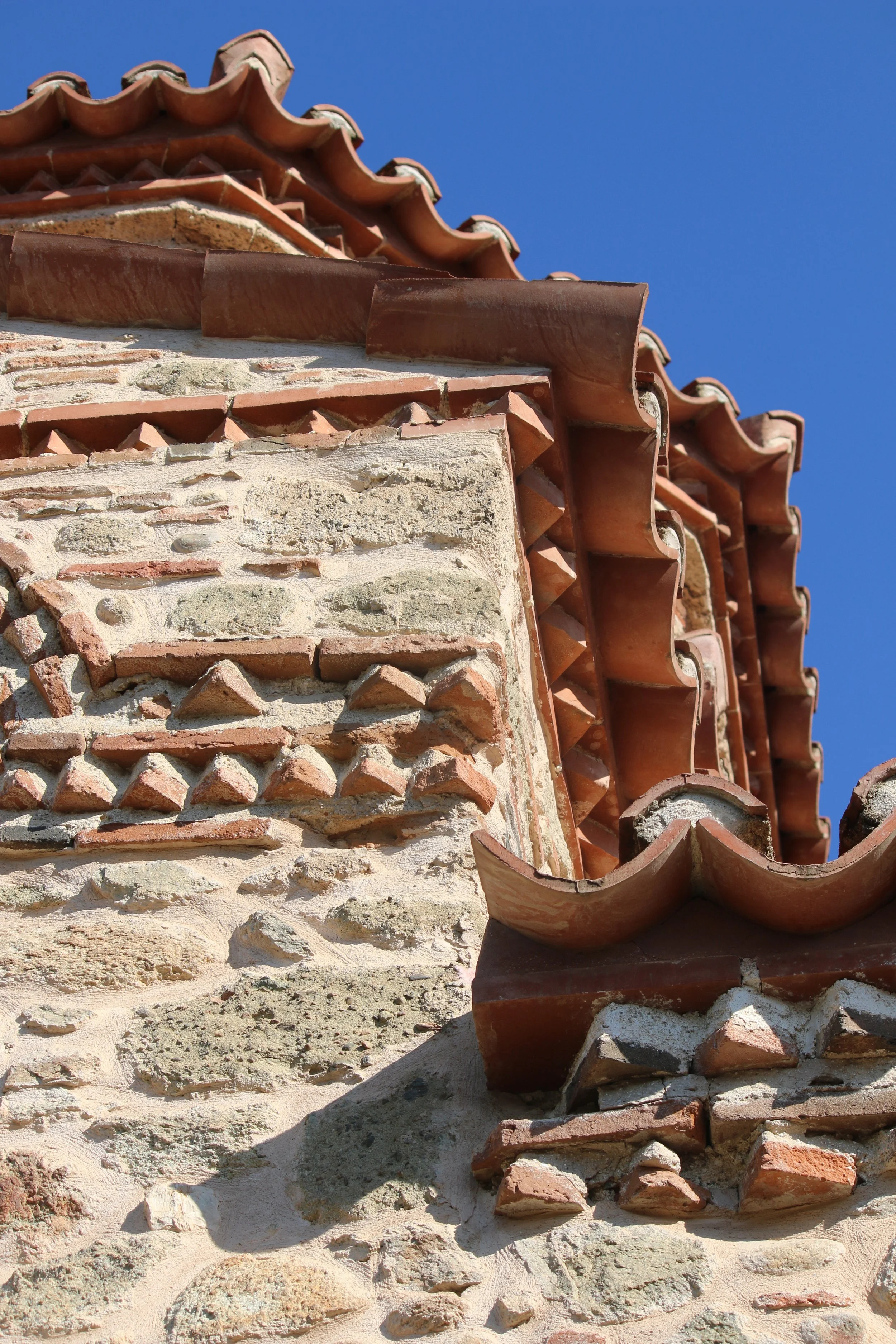
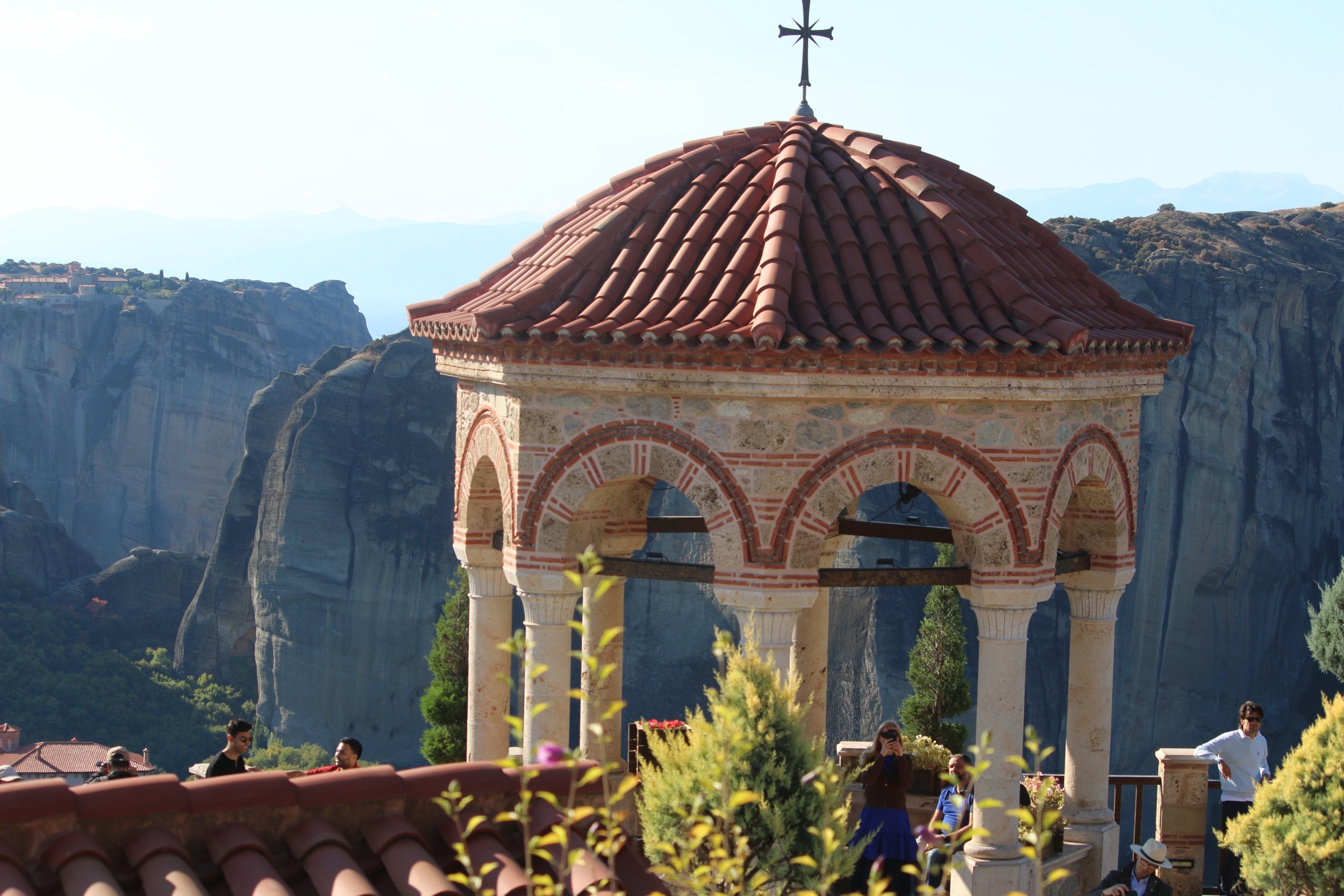
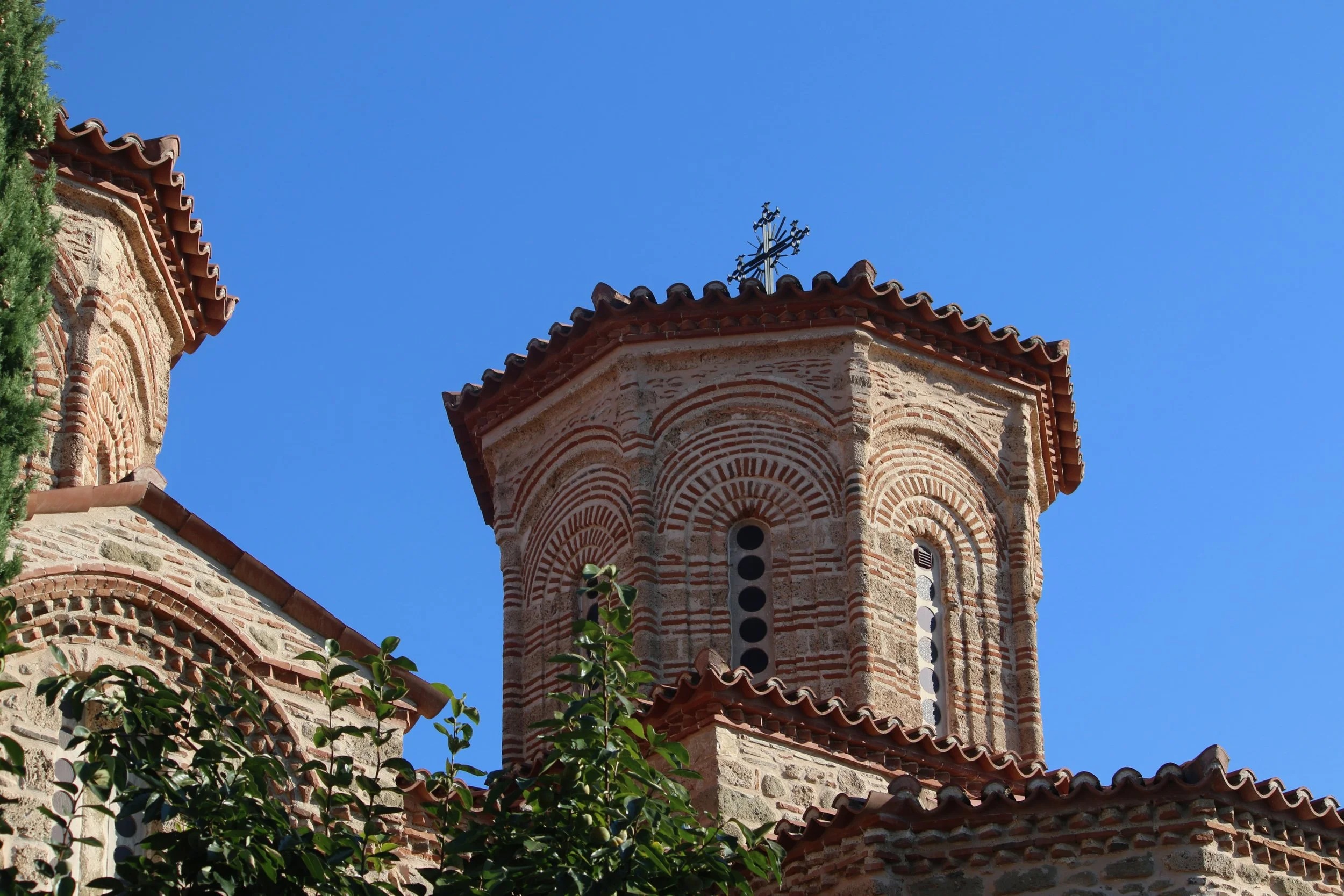
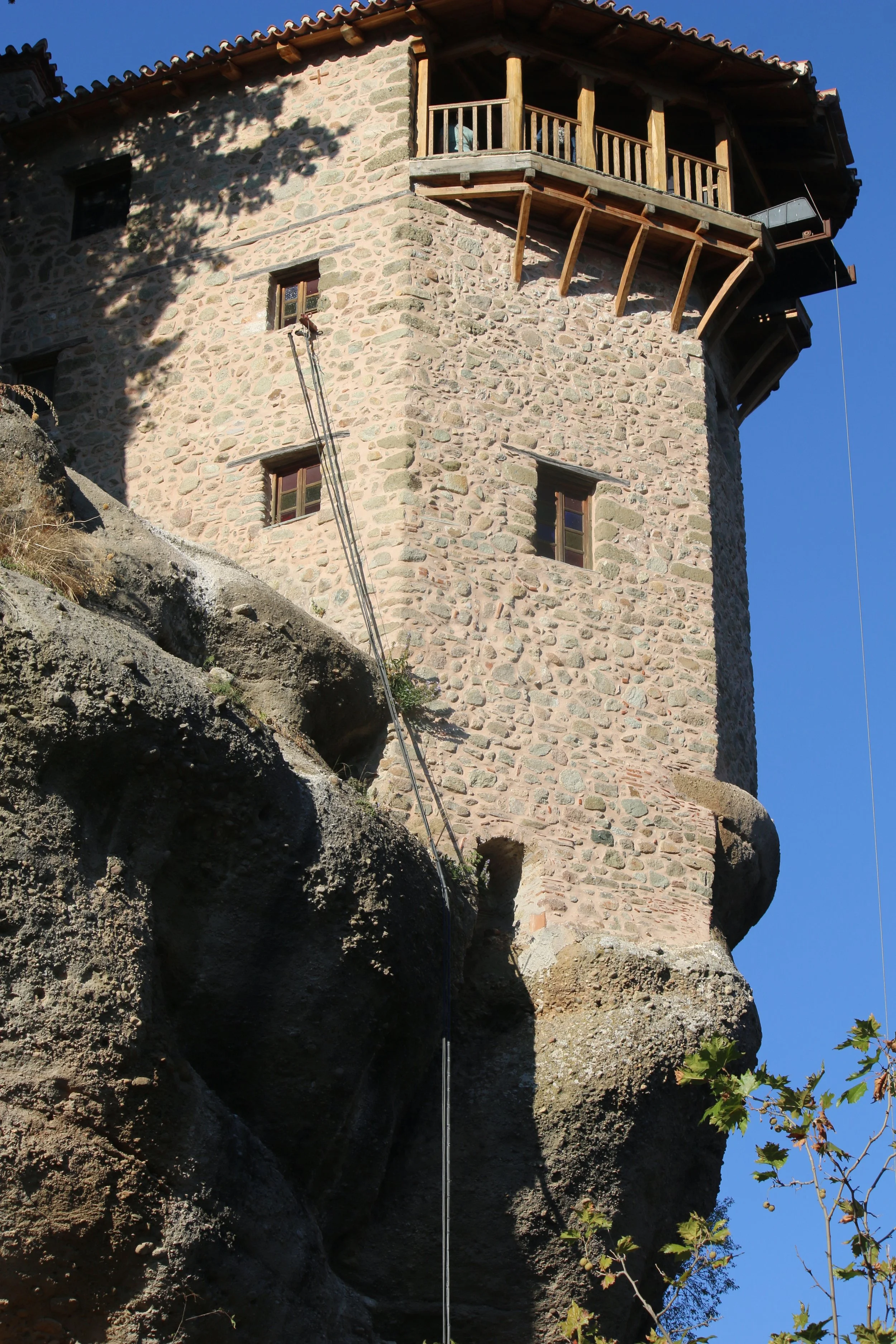
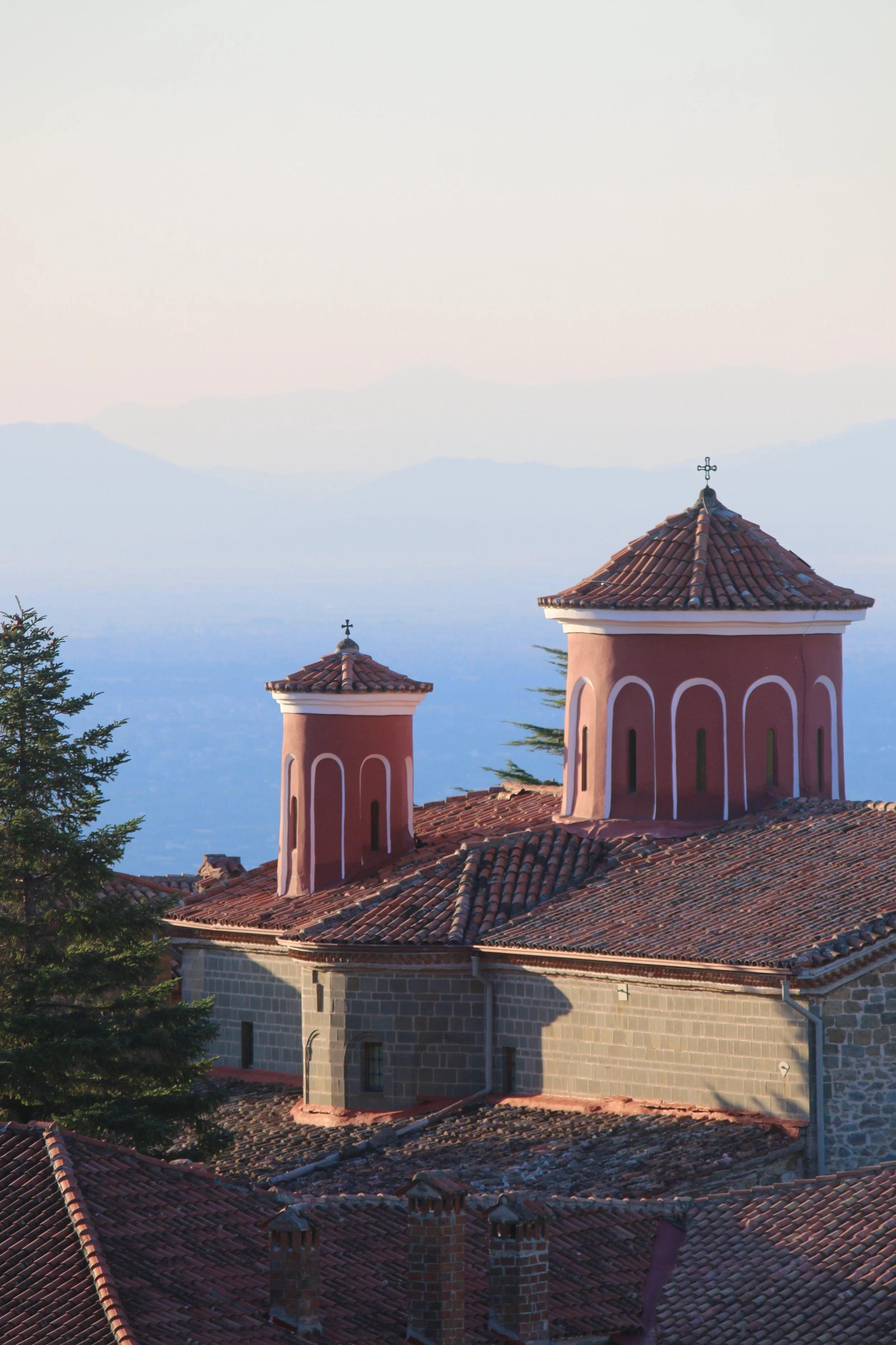
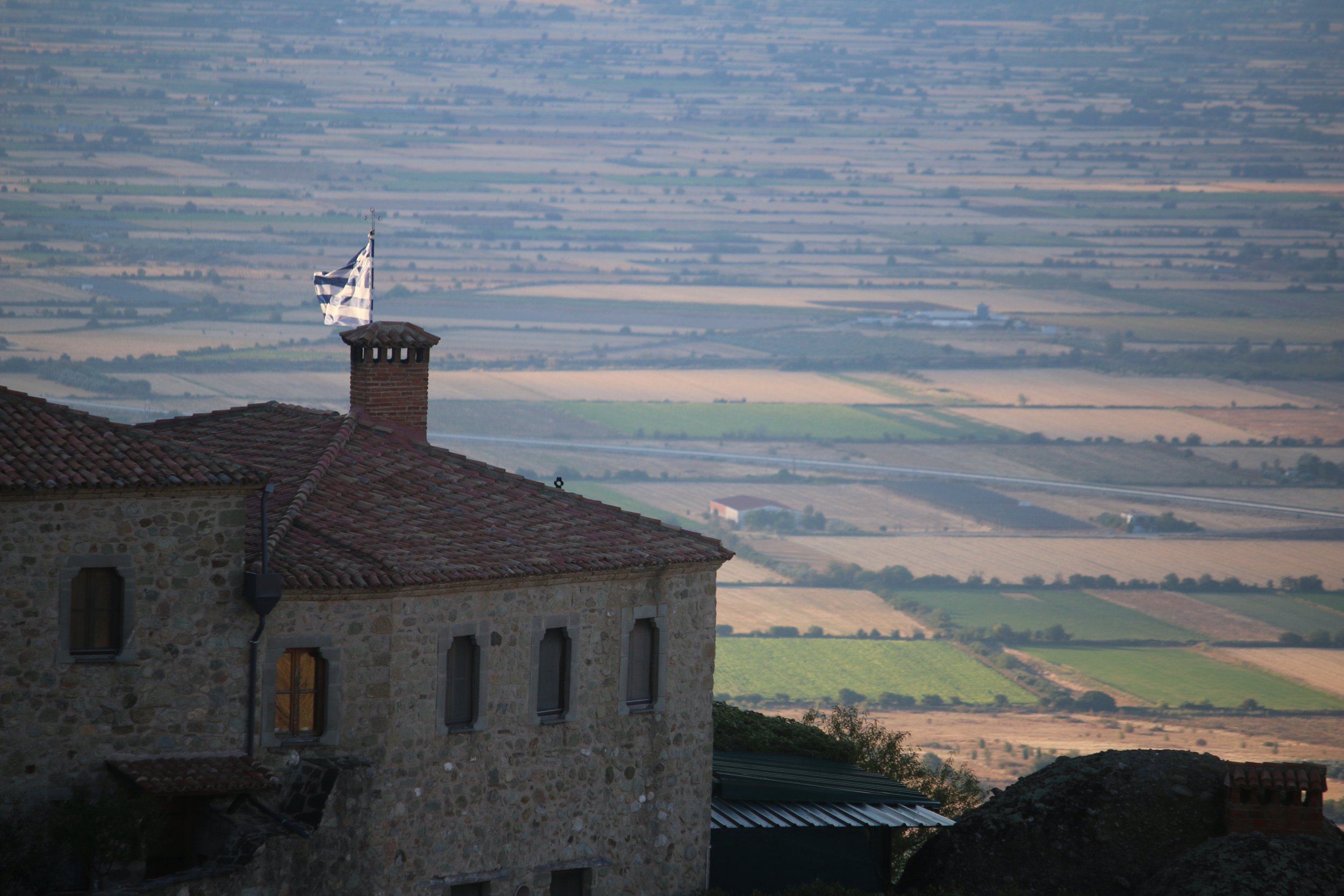
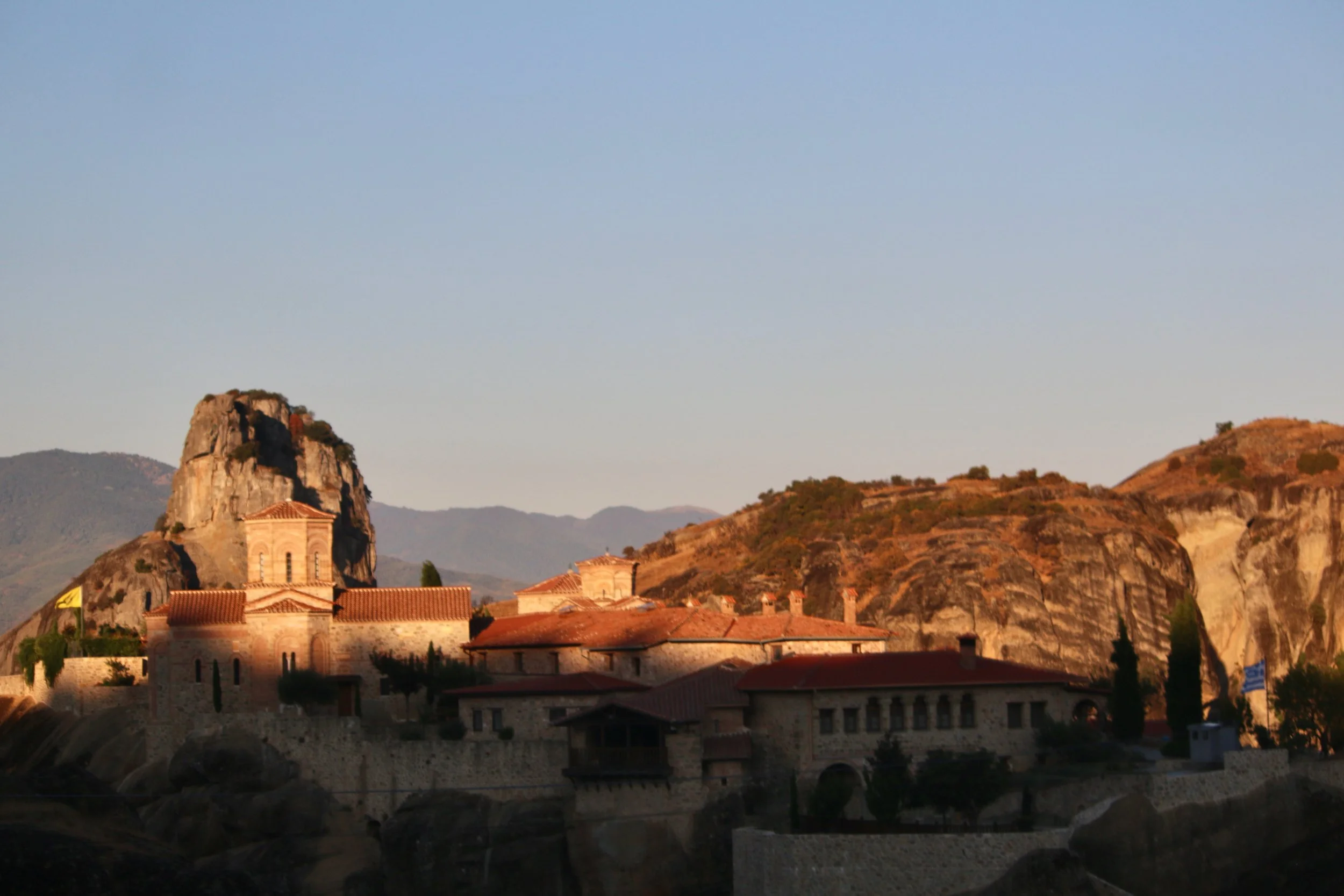
We were fortunate enough to visit the exquisite Monastery of Varlaam, named after the ascetic monk who successfully ascended the steep cliffs of Meteora, accompanied by a few of his monk mates in 1350. Together, they established the monastery but sadly, Varlaam died not long afterwards. Almost falling into wrack and ruin, the monastery became quite the fixer-upper. Enter: two brothers, Theophanes and Nectarios (Theo and Necto for short) who were willing to take on the challenge of restoring and revitalising the place in the 1500s. What a privilege it was to visit this pristine, peaceful sanctuary in the clouds today.
While we may have complained (only a little) about the 140 steep steps we had to climb to get to the front door, the monks back in the day had to be hoisted up, Rapunzel-style, by a rope and pulley system. It was a long way down! All of their supplies came across on a primitive little cable car - not much more than a box on a pulley, which is still there - and working - to this day.
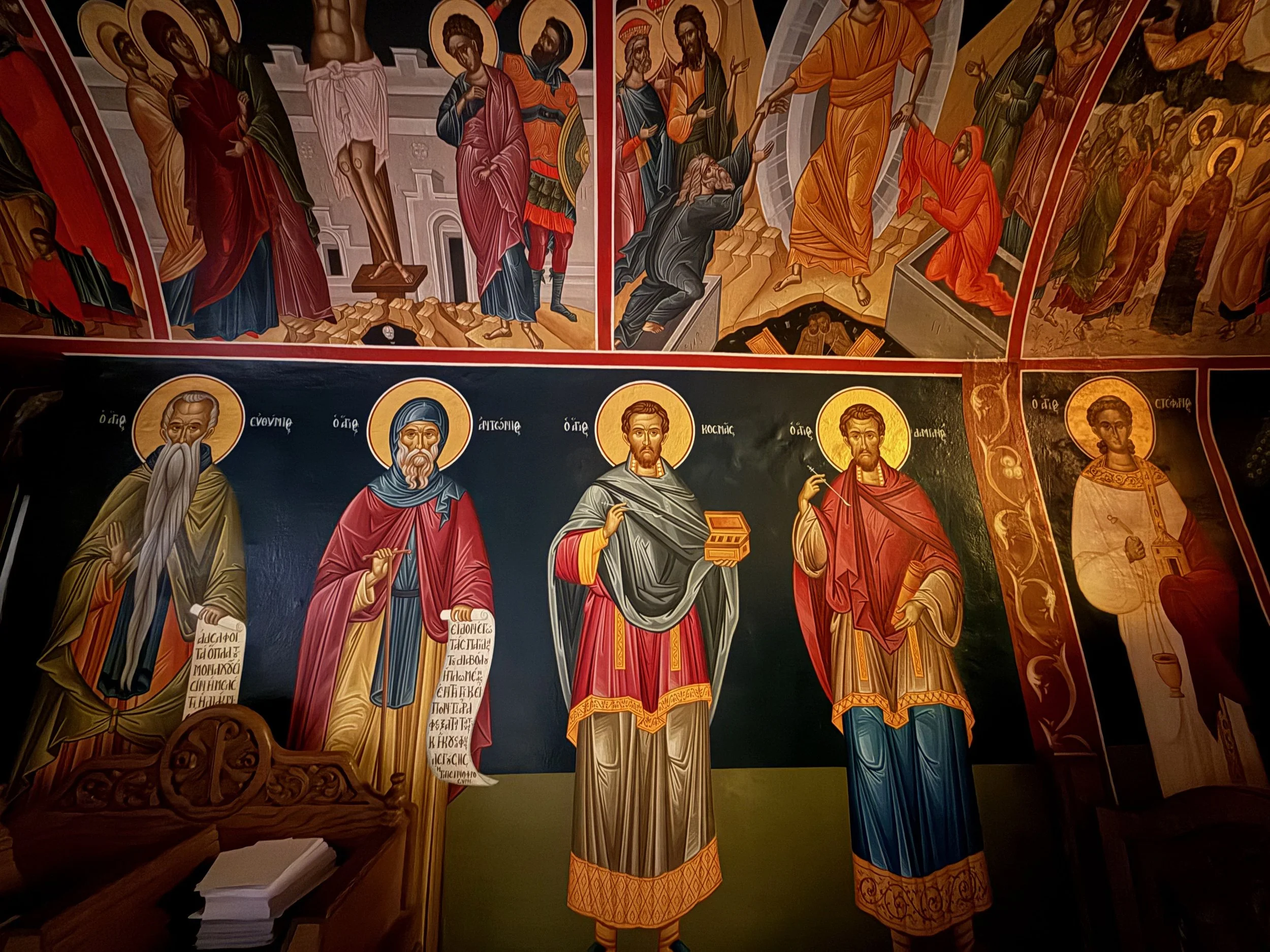
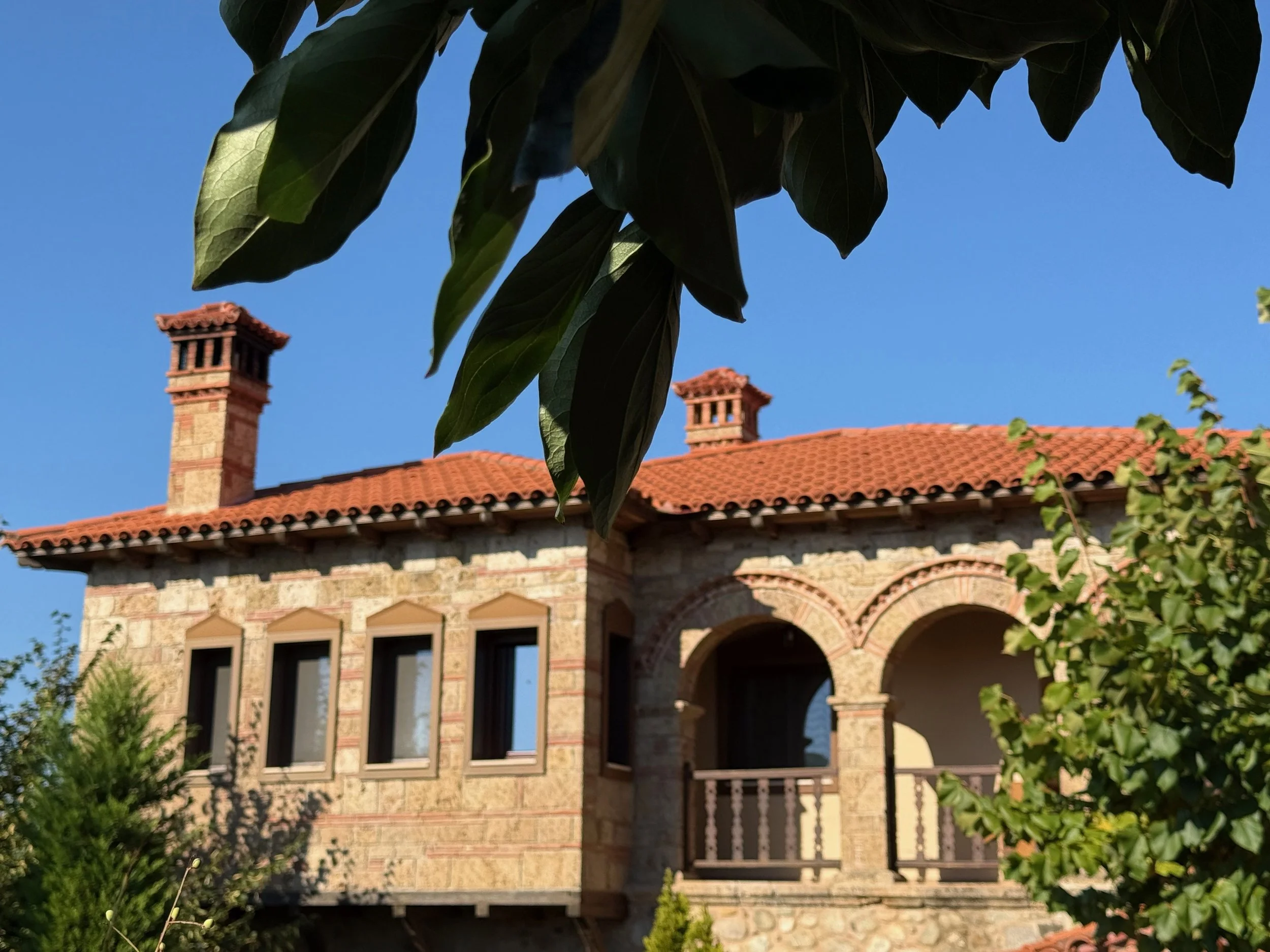
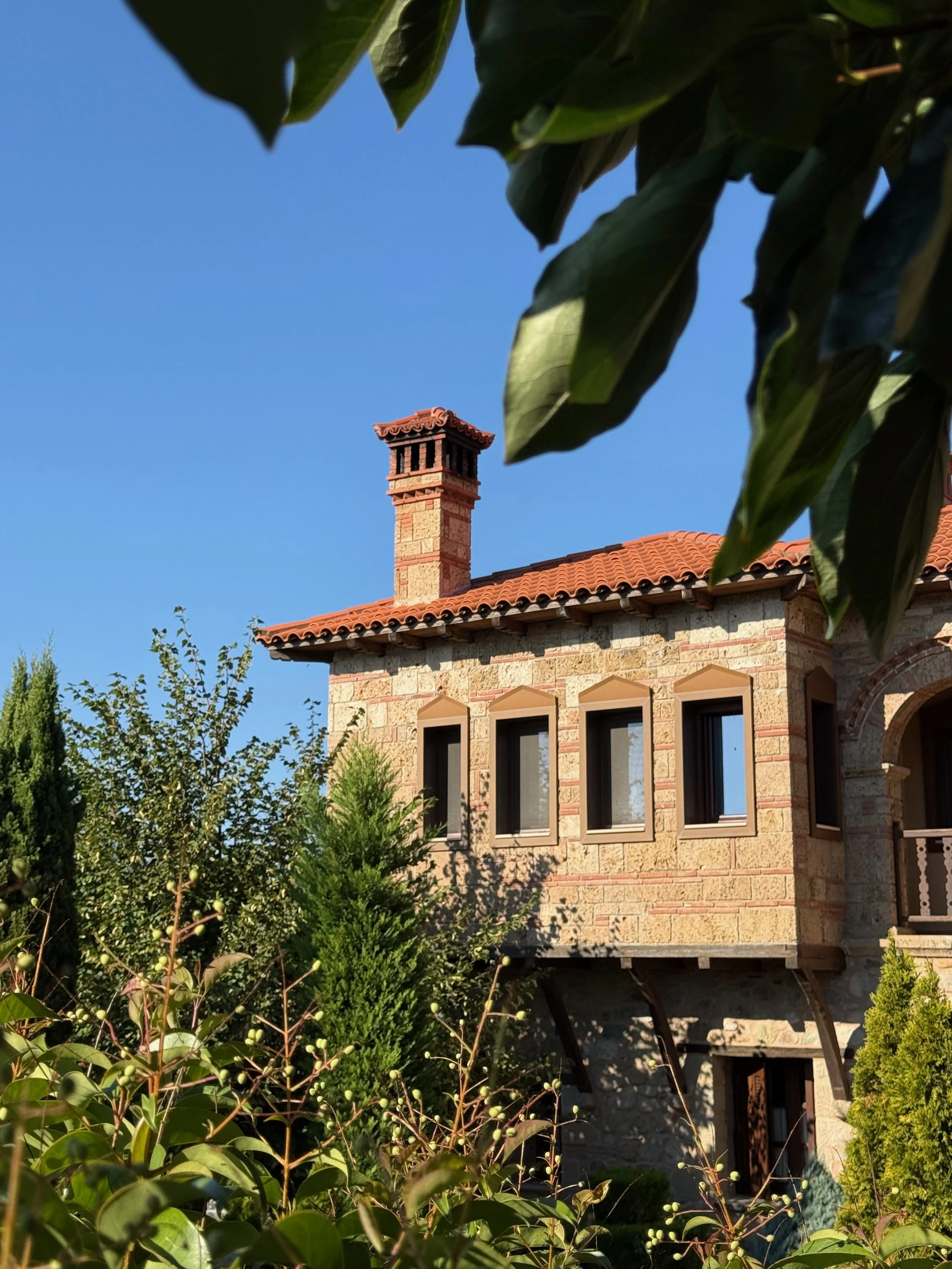
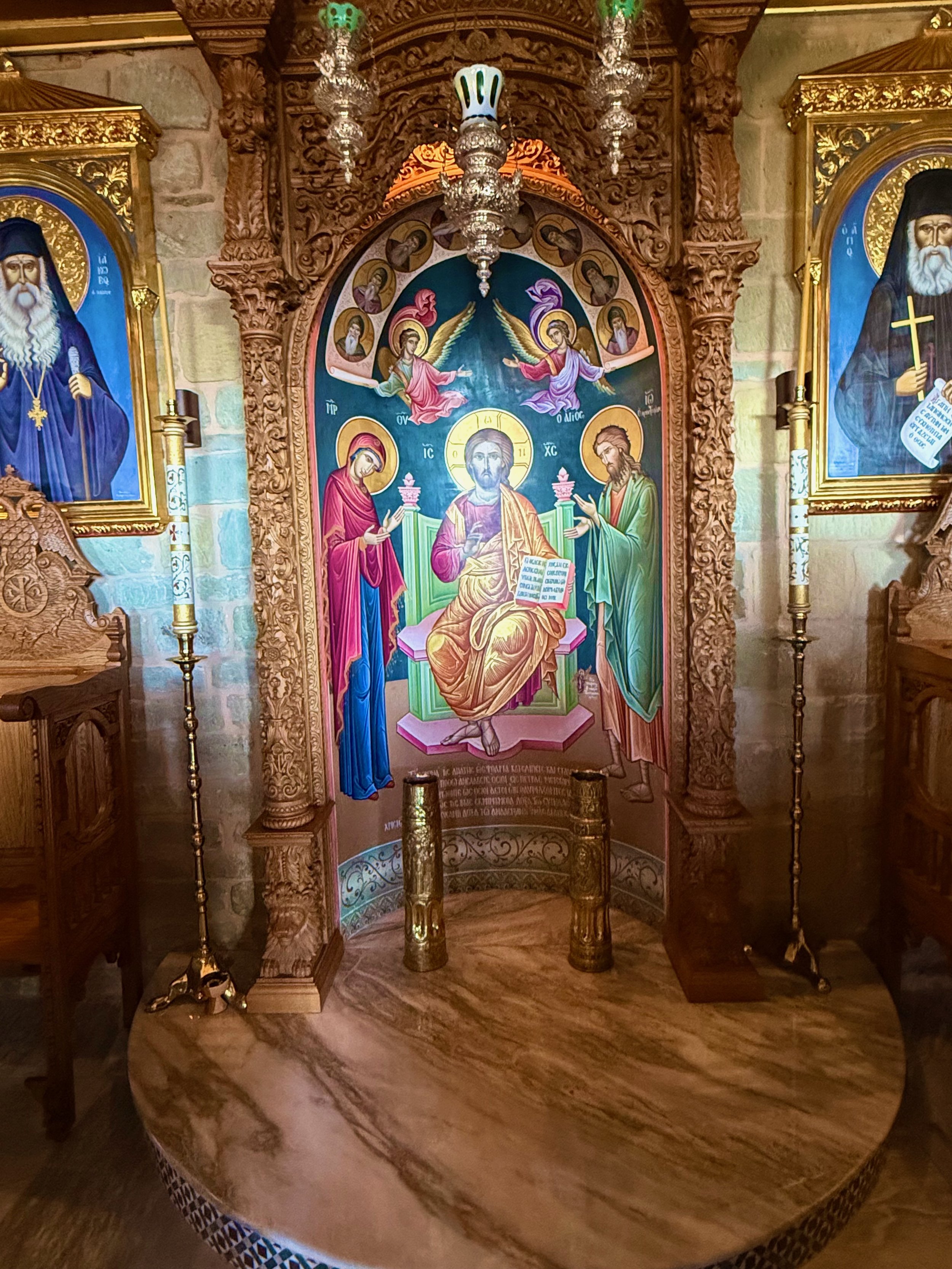
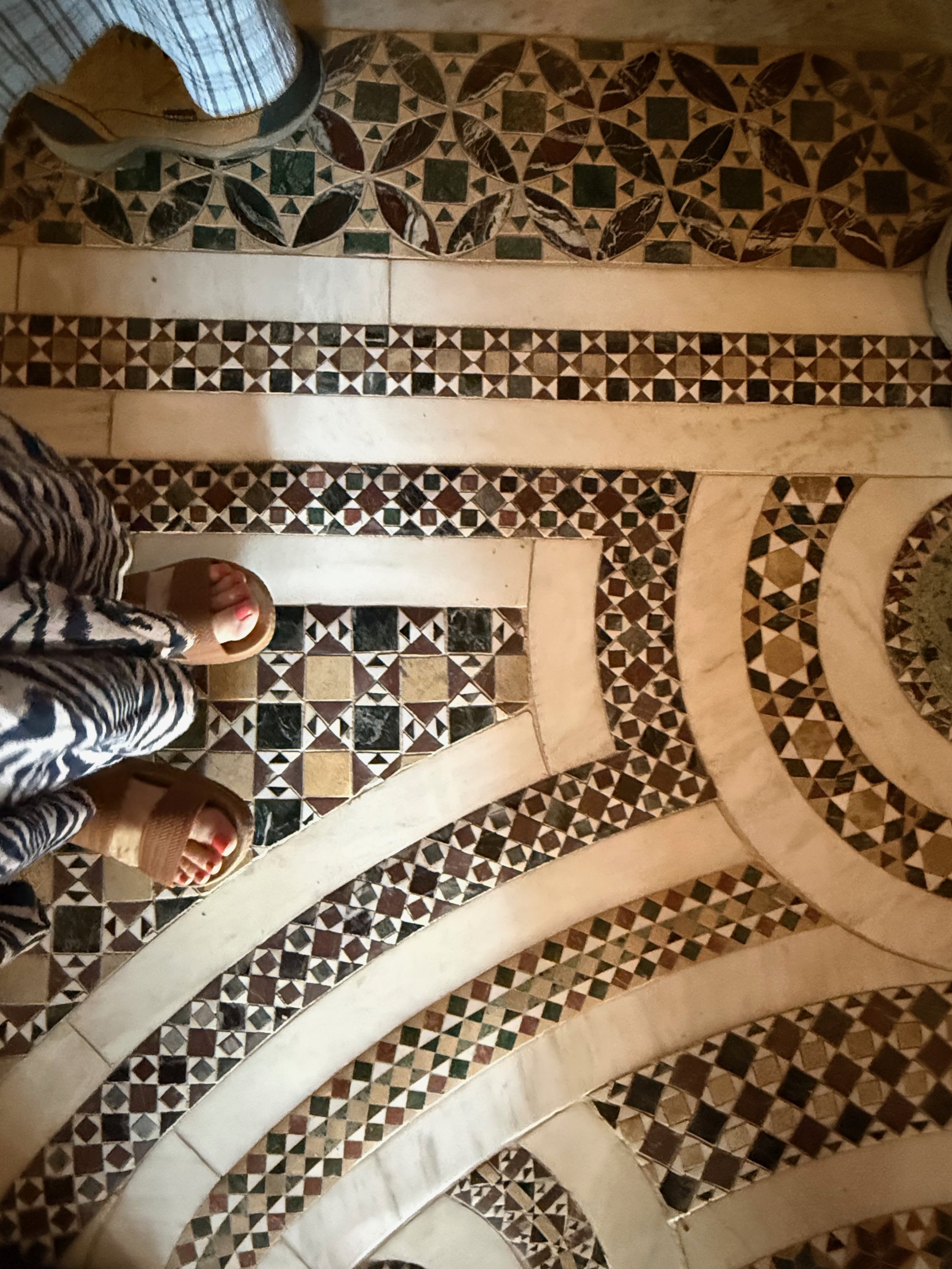
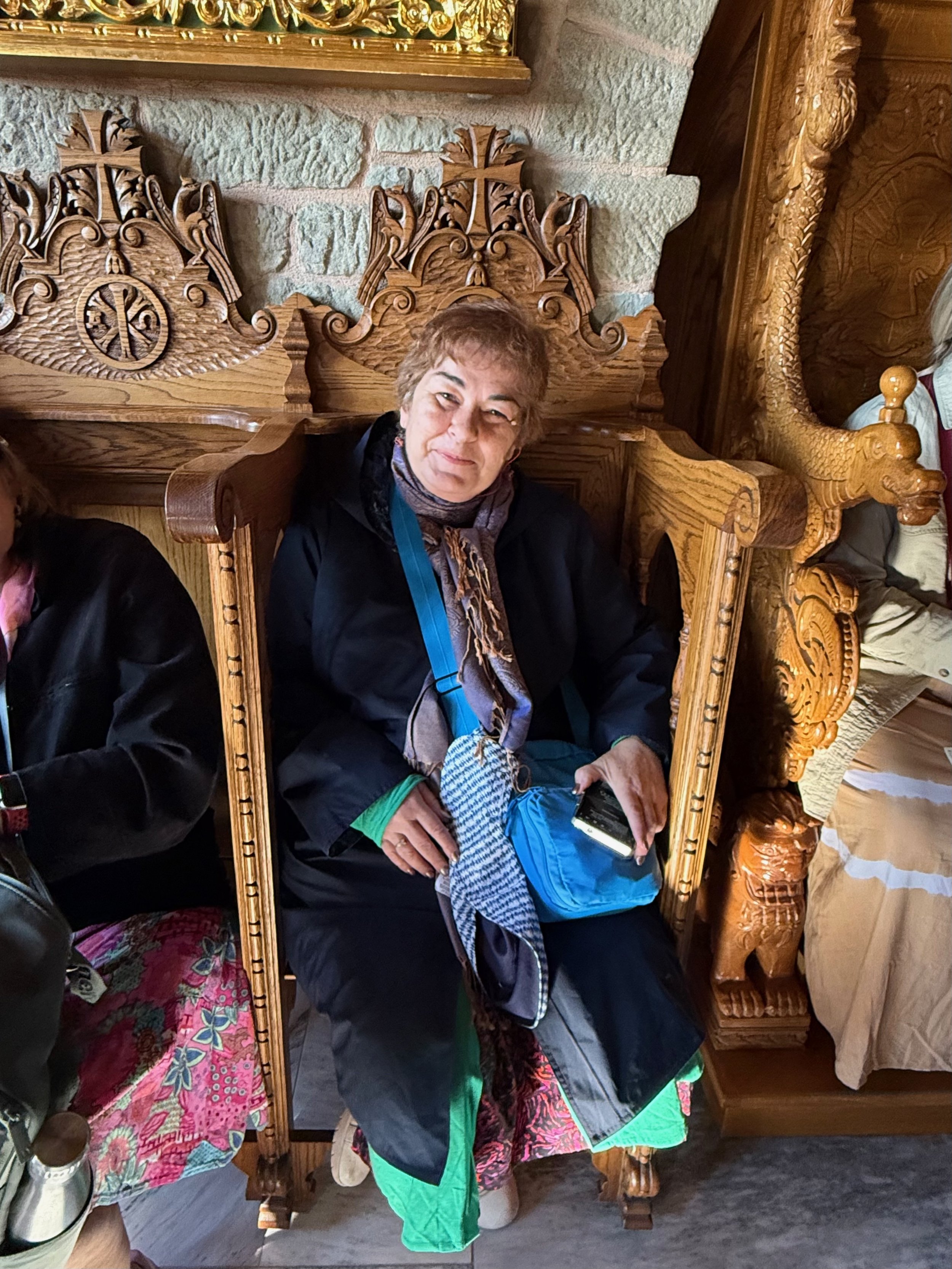
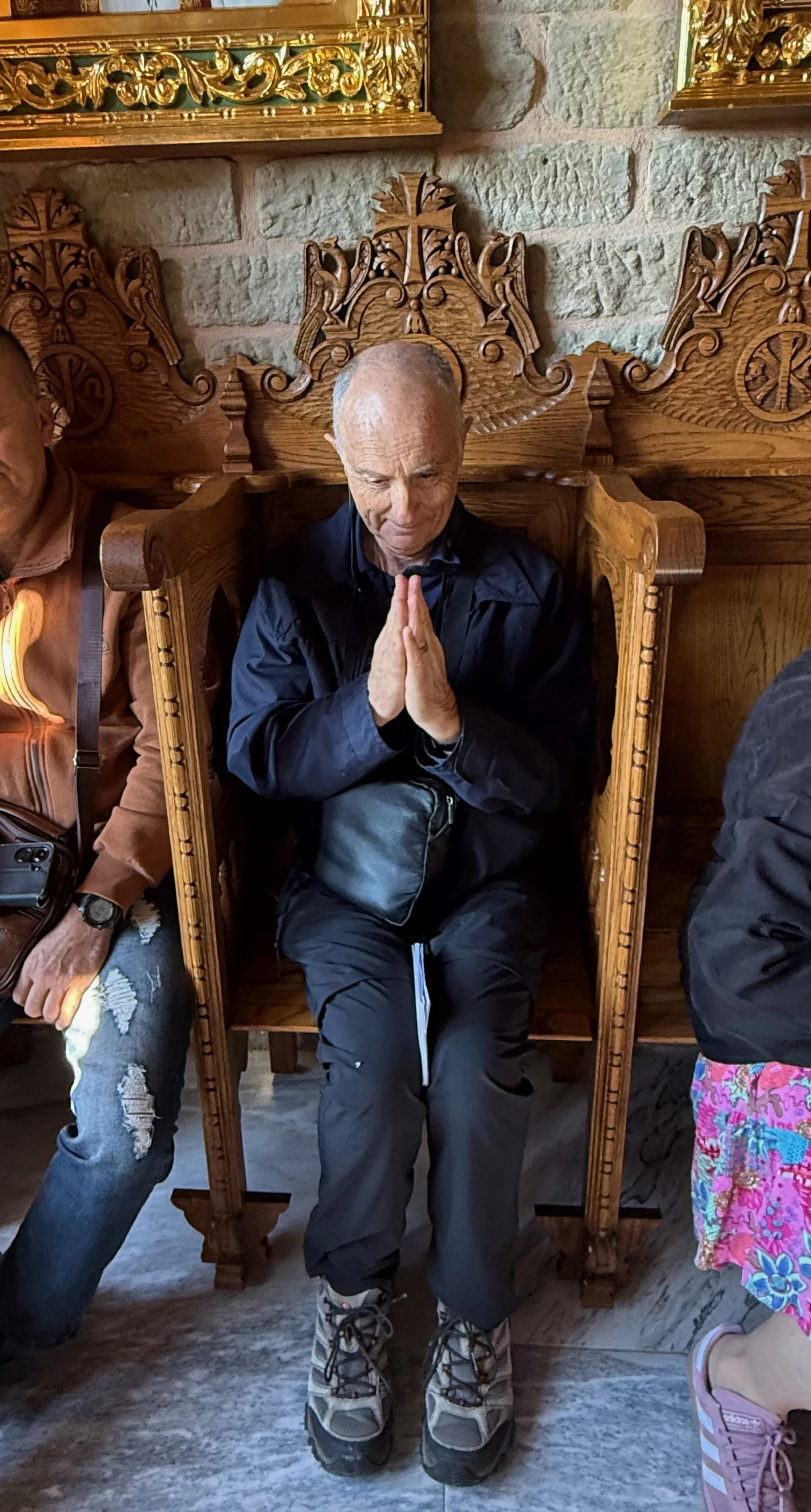
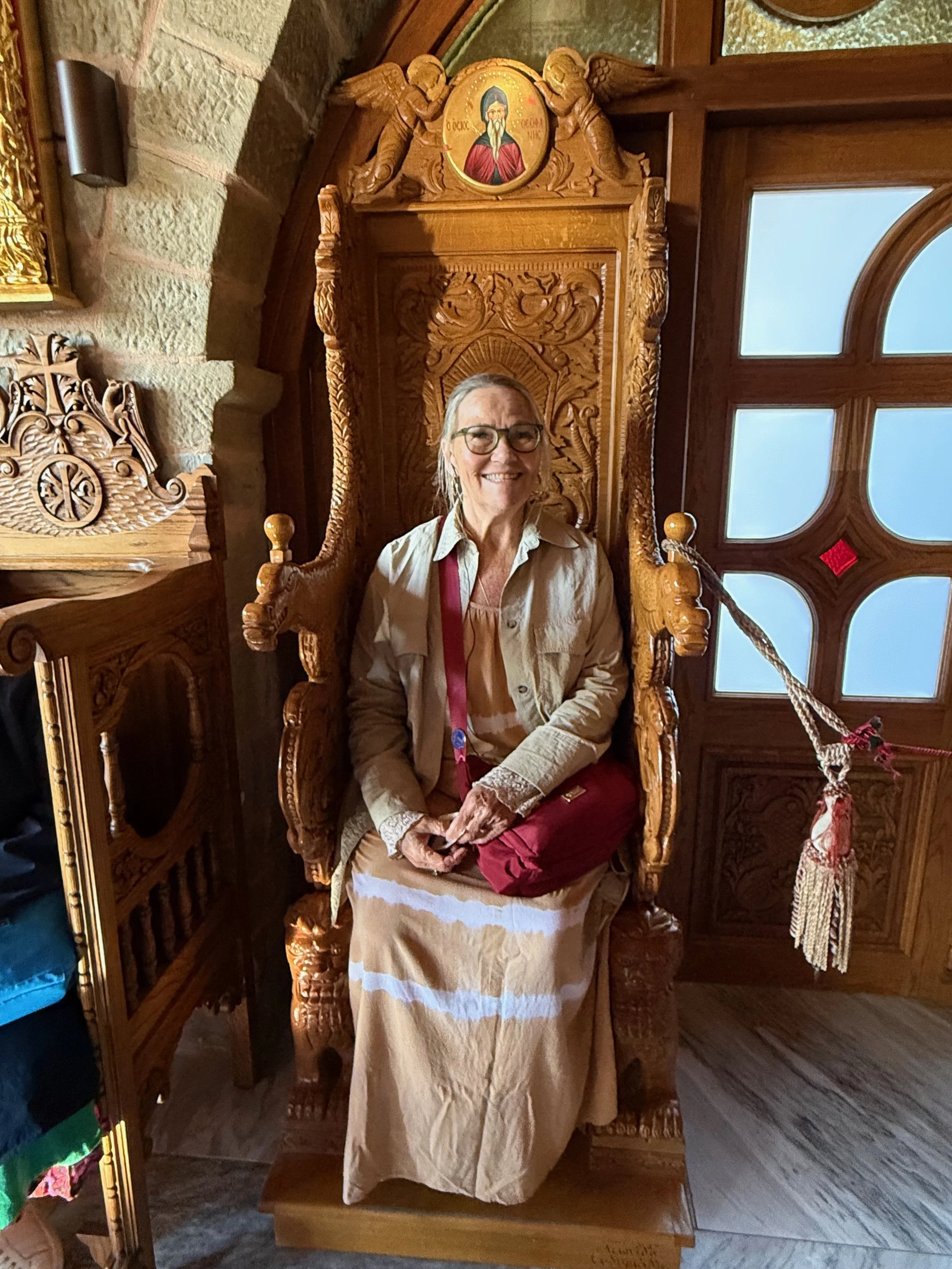
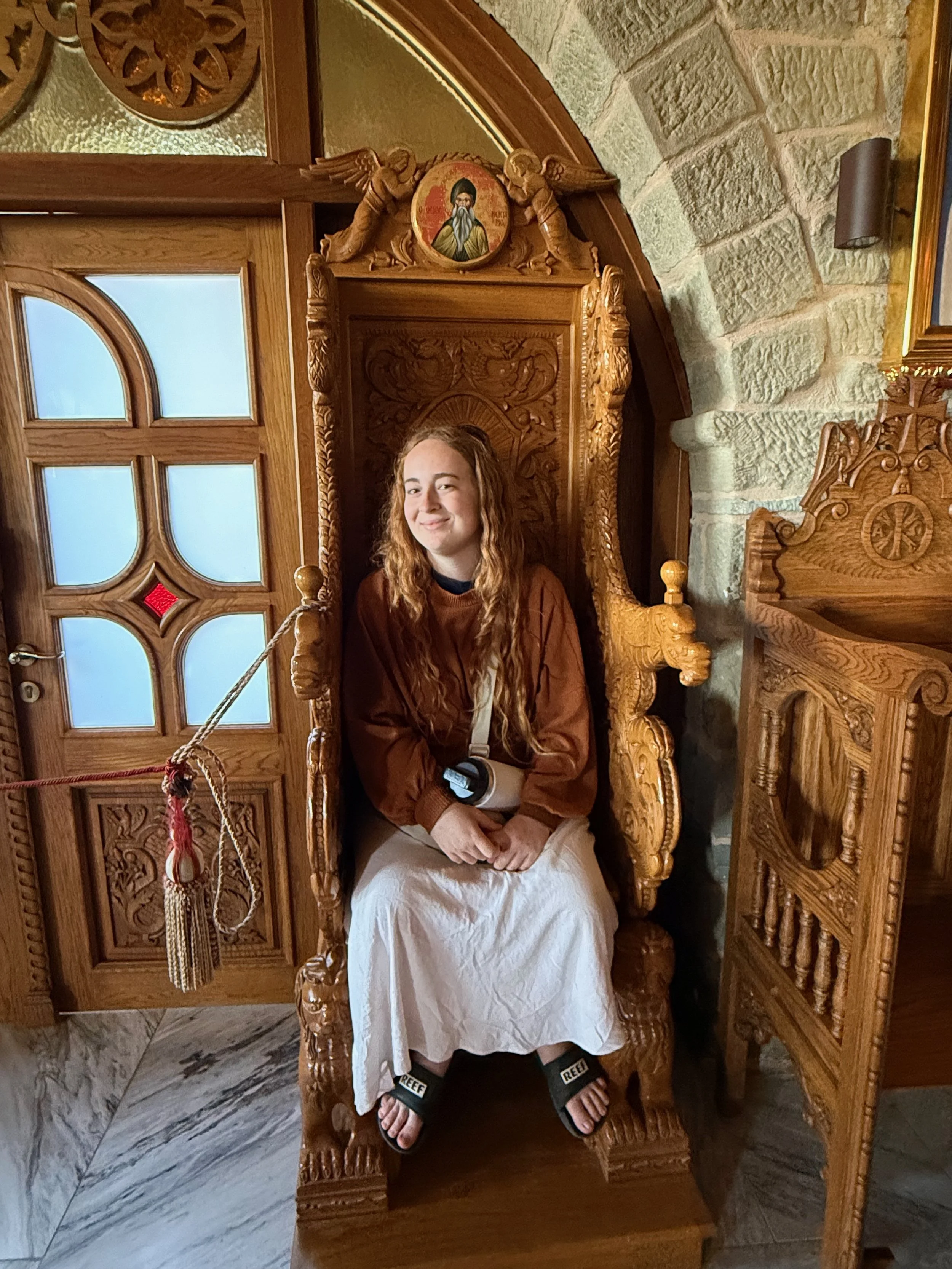
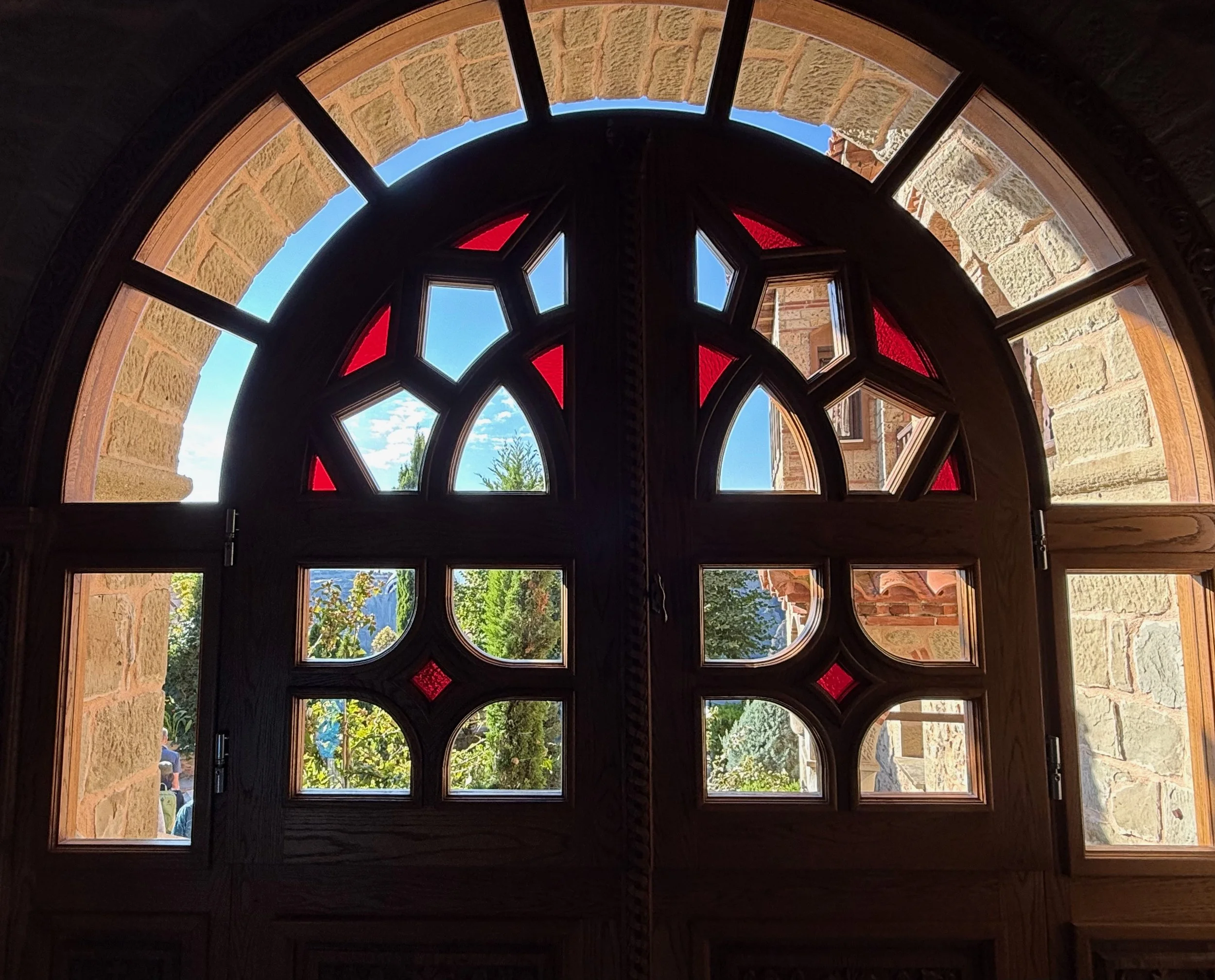
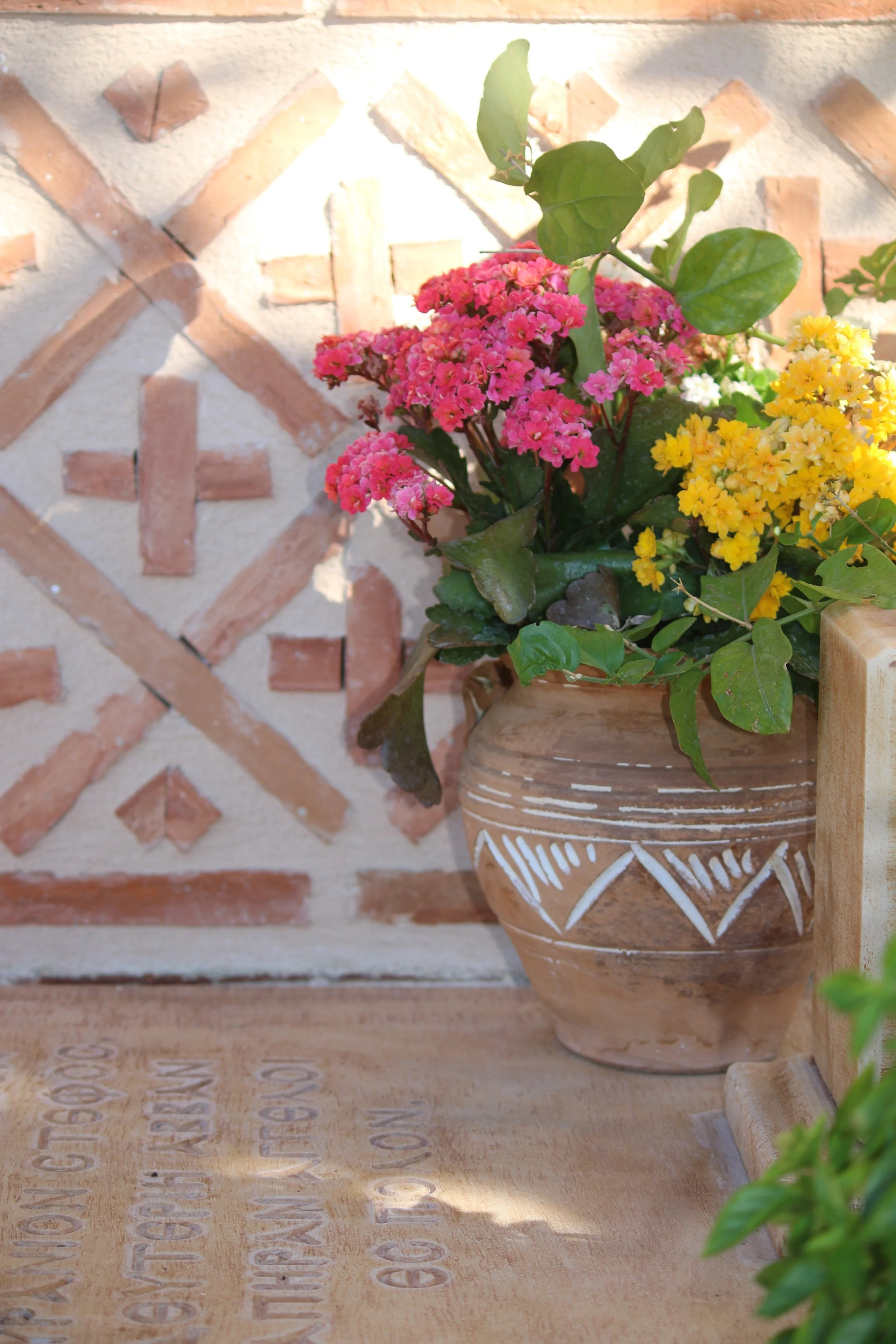
The rustic, pastel exterior of the monastery was quite a contrast to the interior, which could only be described as extra. Over-the-top decorations, chandeliers, gilded frames…not a single square centimetre of wall space was left unadorned. I’m sure I even spotted an ancient disco ball. The little cross-shaped chapel (inscribed in a cube with a dome, to be exact) was a sensory overload with colourful, two-dimensional iconography depicting golden-haloed saints meeting their demise in all sorts of gruesome ways. We were under strict instructions to refrain from taking any photos and, not mentioning any names, there may have been a couple of sneaky snaps taken by some of our group…
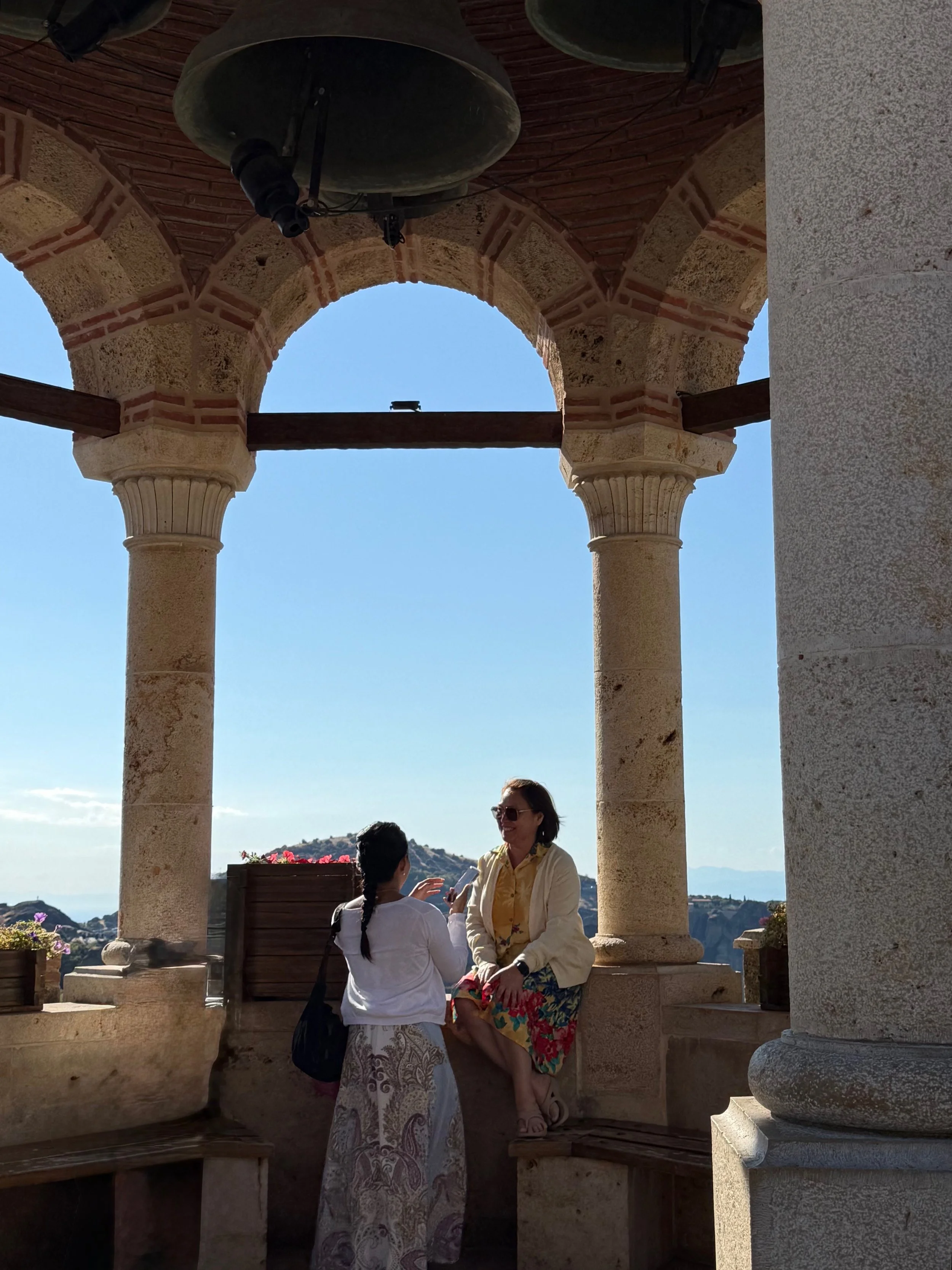
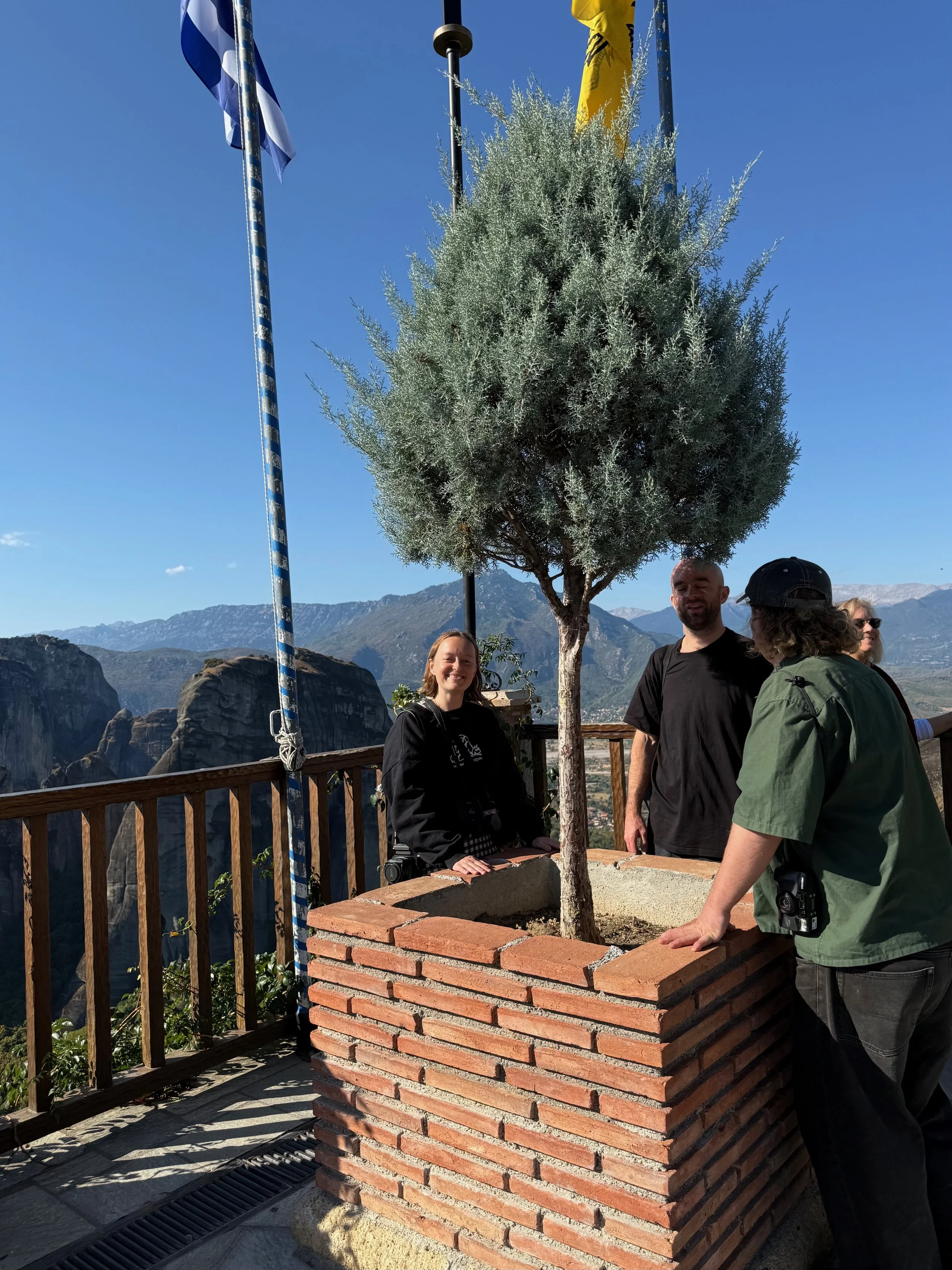
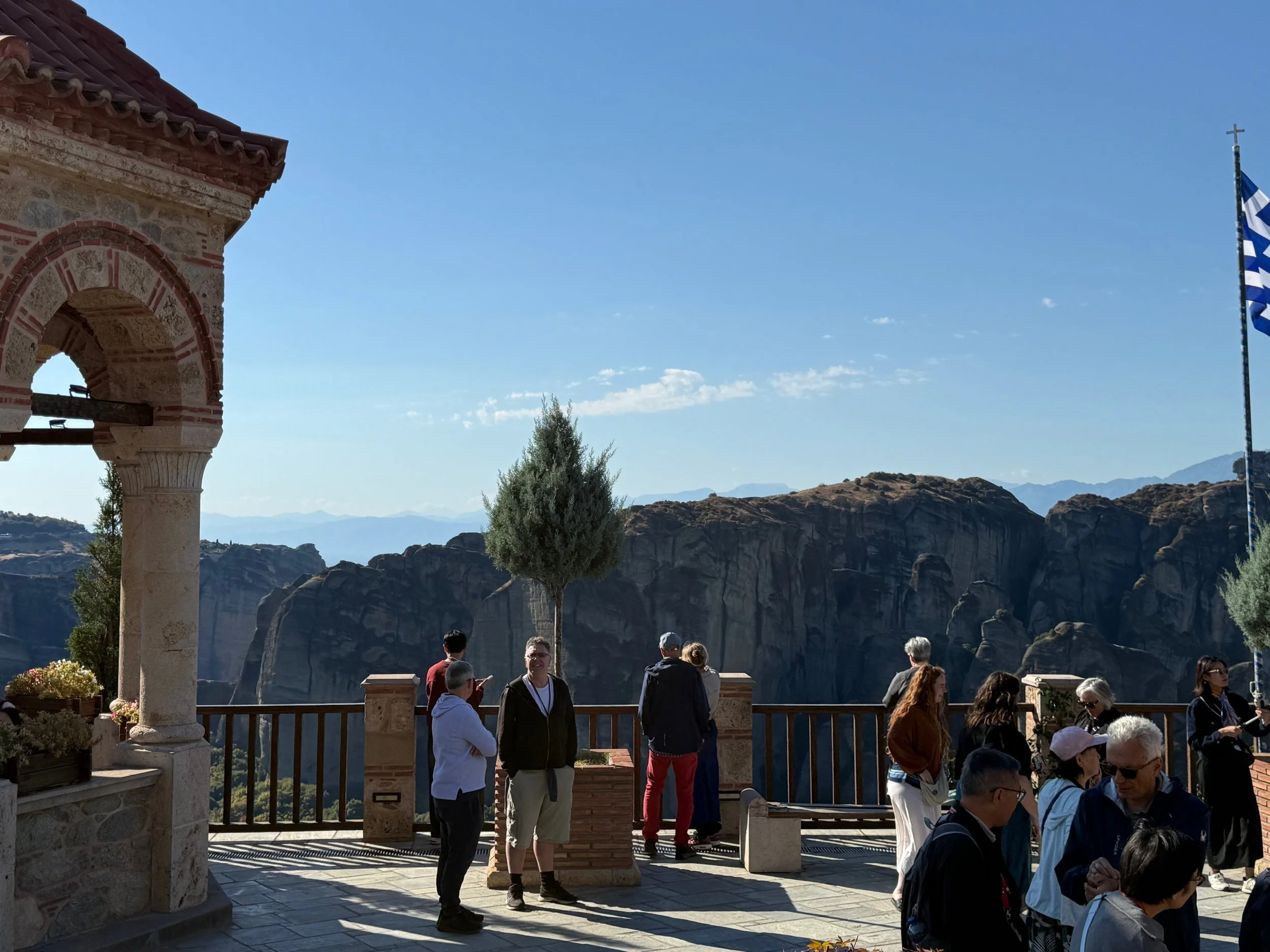
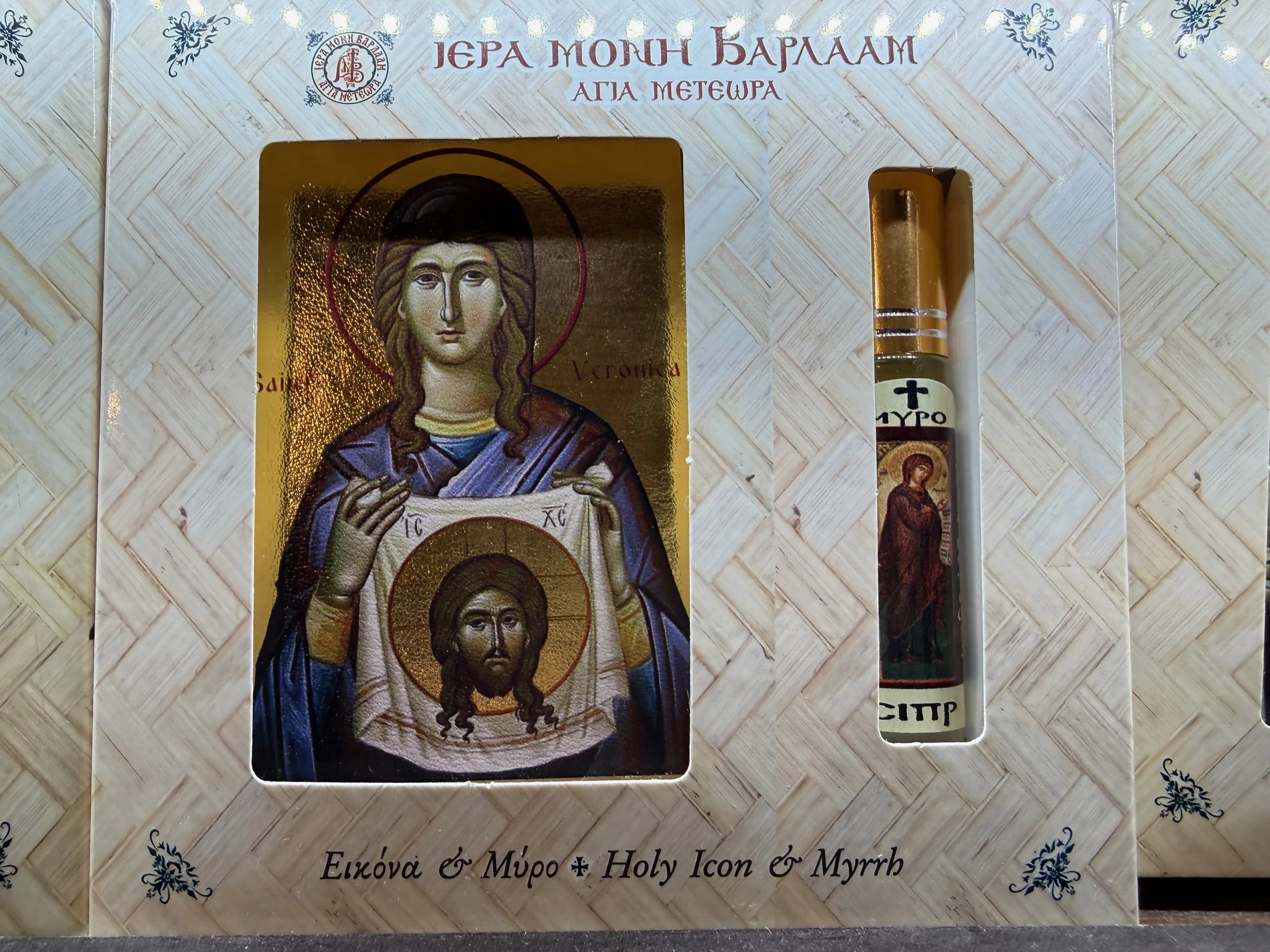
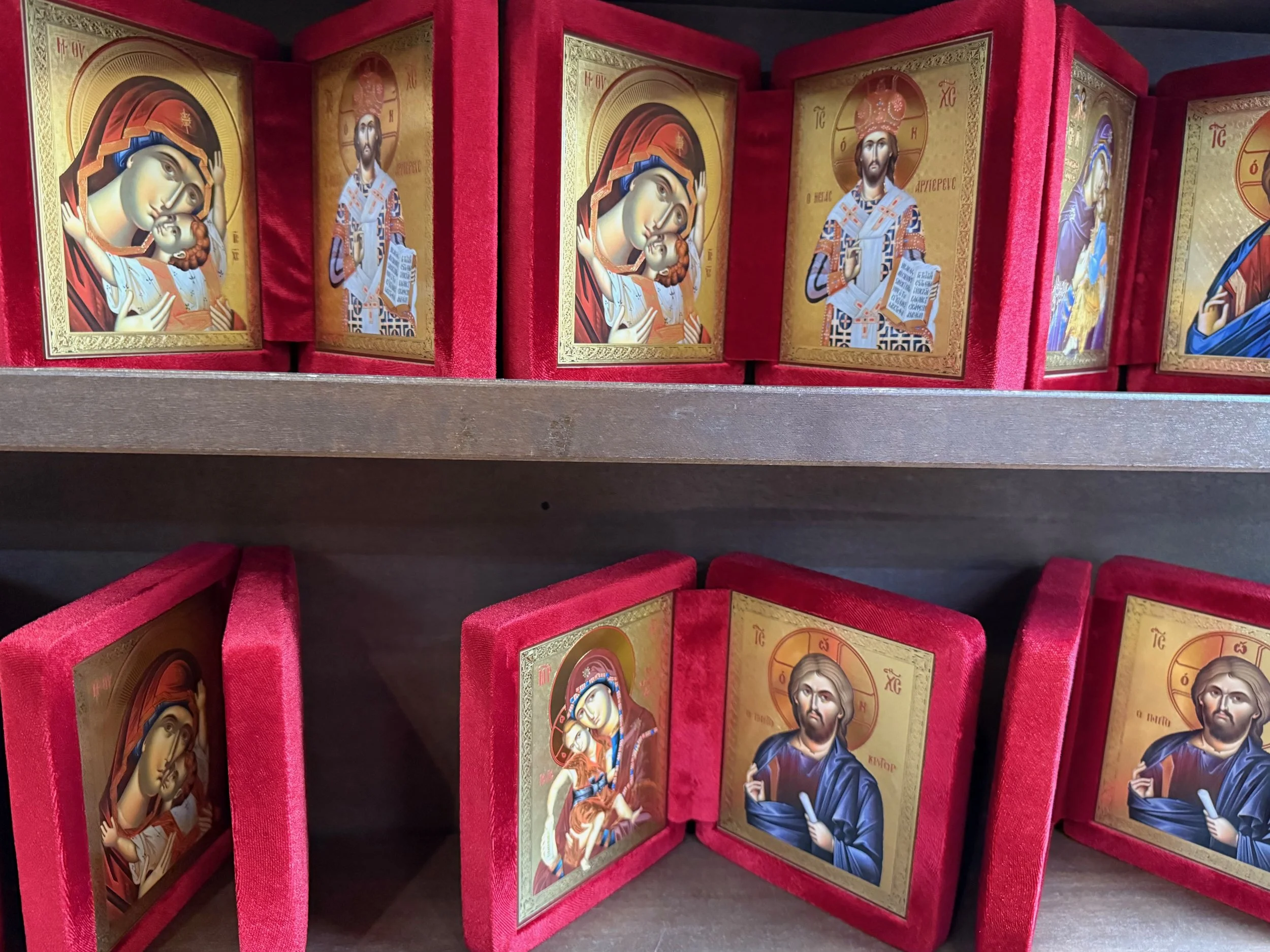
With time to marvel at the view, a quick visit to the onsite museum and a whirl through the gift shop where you could buy holy water in a little spray bottle and pin-up posters of all your favourite 15th century saints, we all agreed it was an incredibe experience to have been to this very special place.
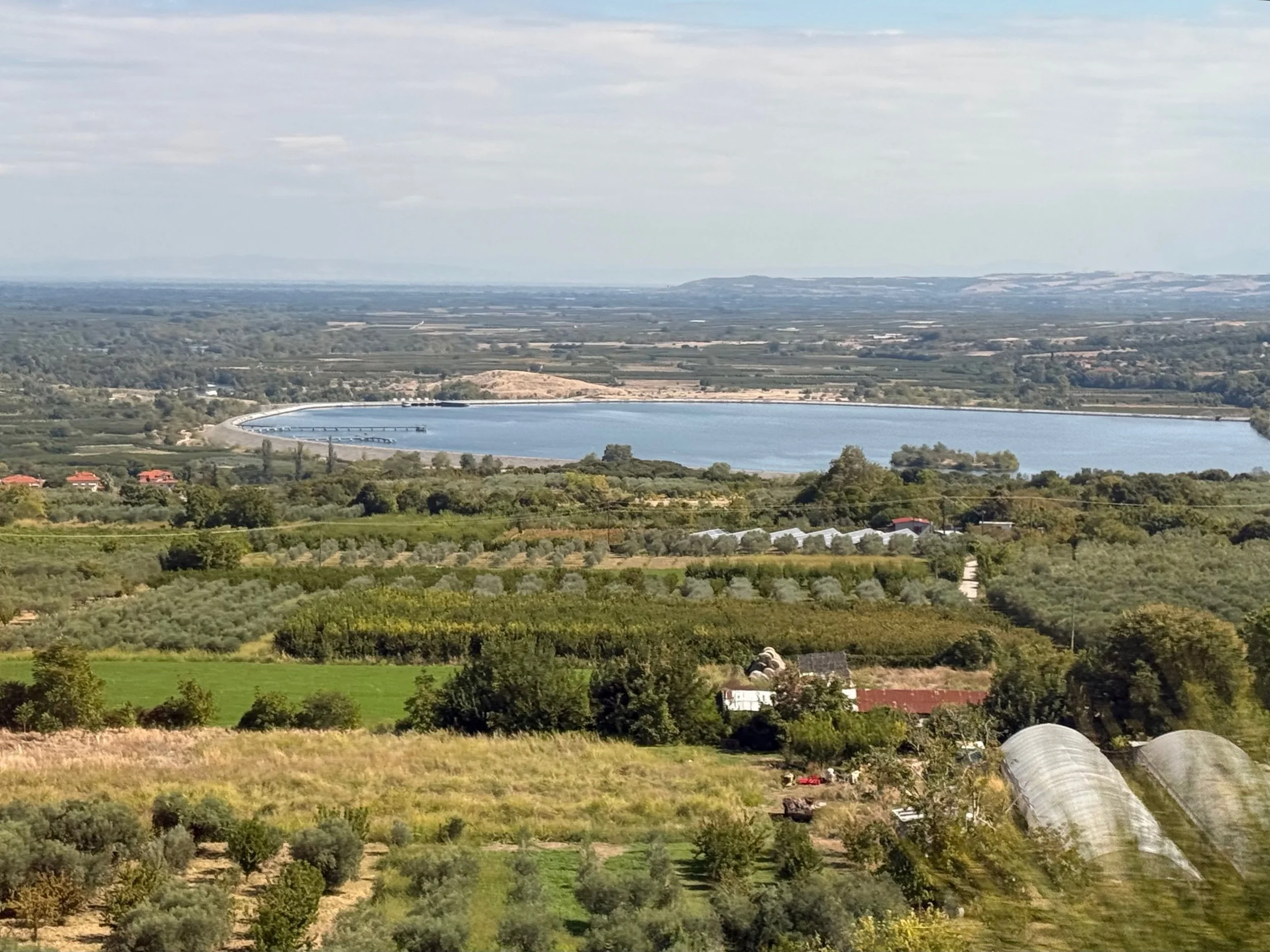
Back onboard our bus, we joined voices for a rousing rendition of Rock of Ages, which was quite appropriate given the environment we were driving through. I’ll never sing that song again without thinking of Meteora.
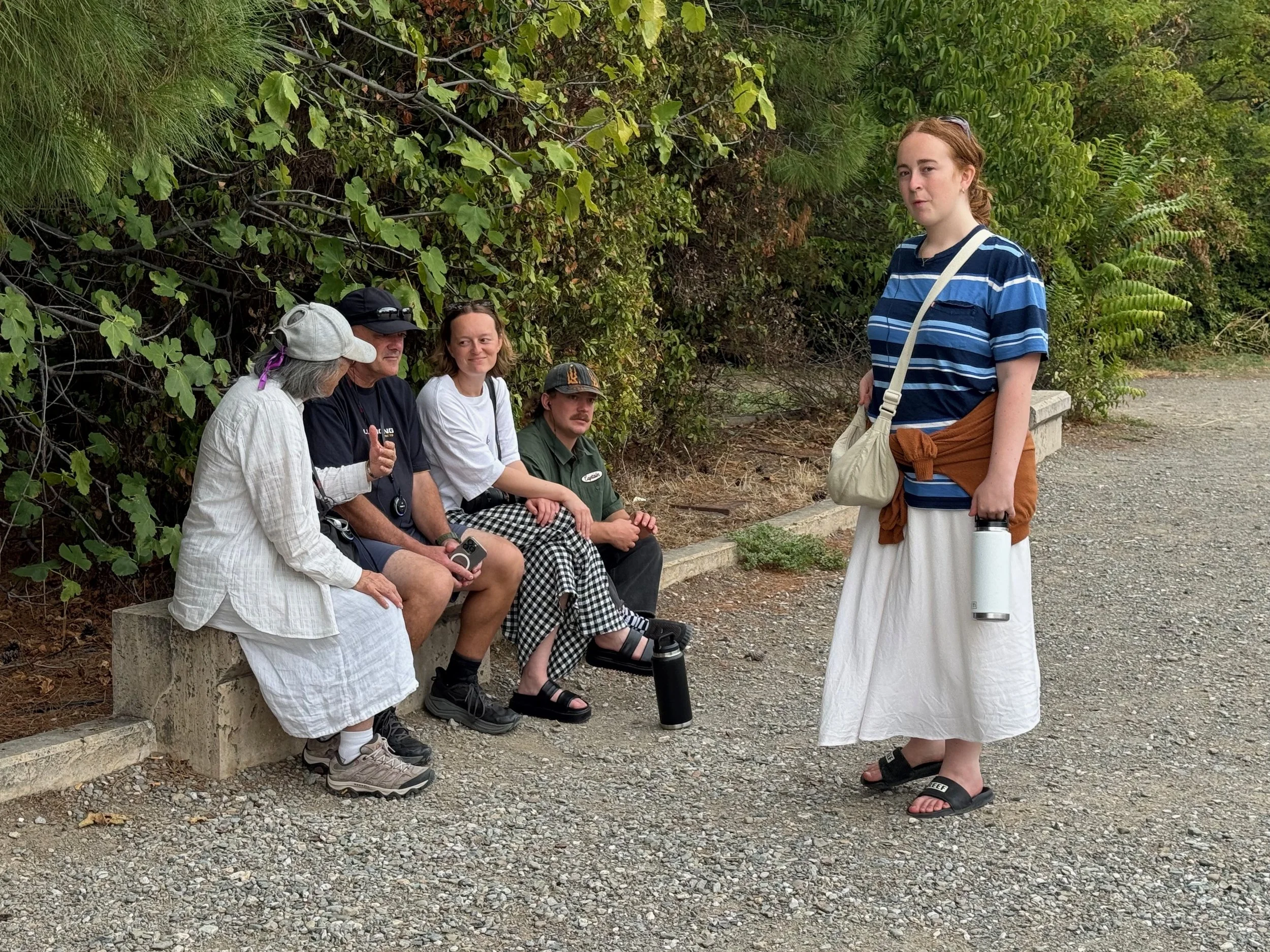
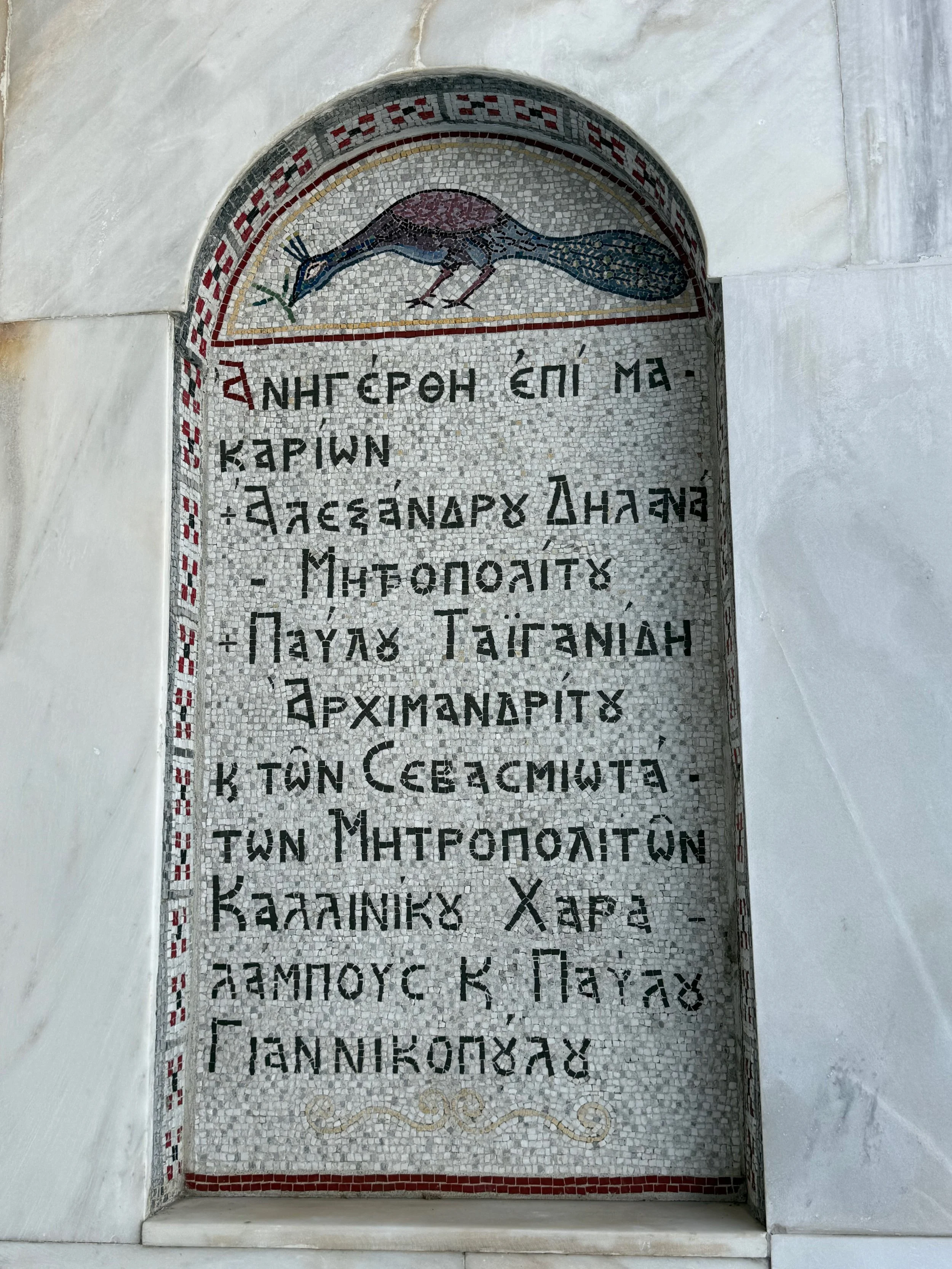
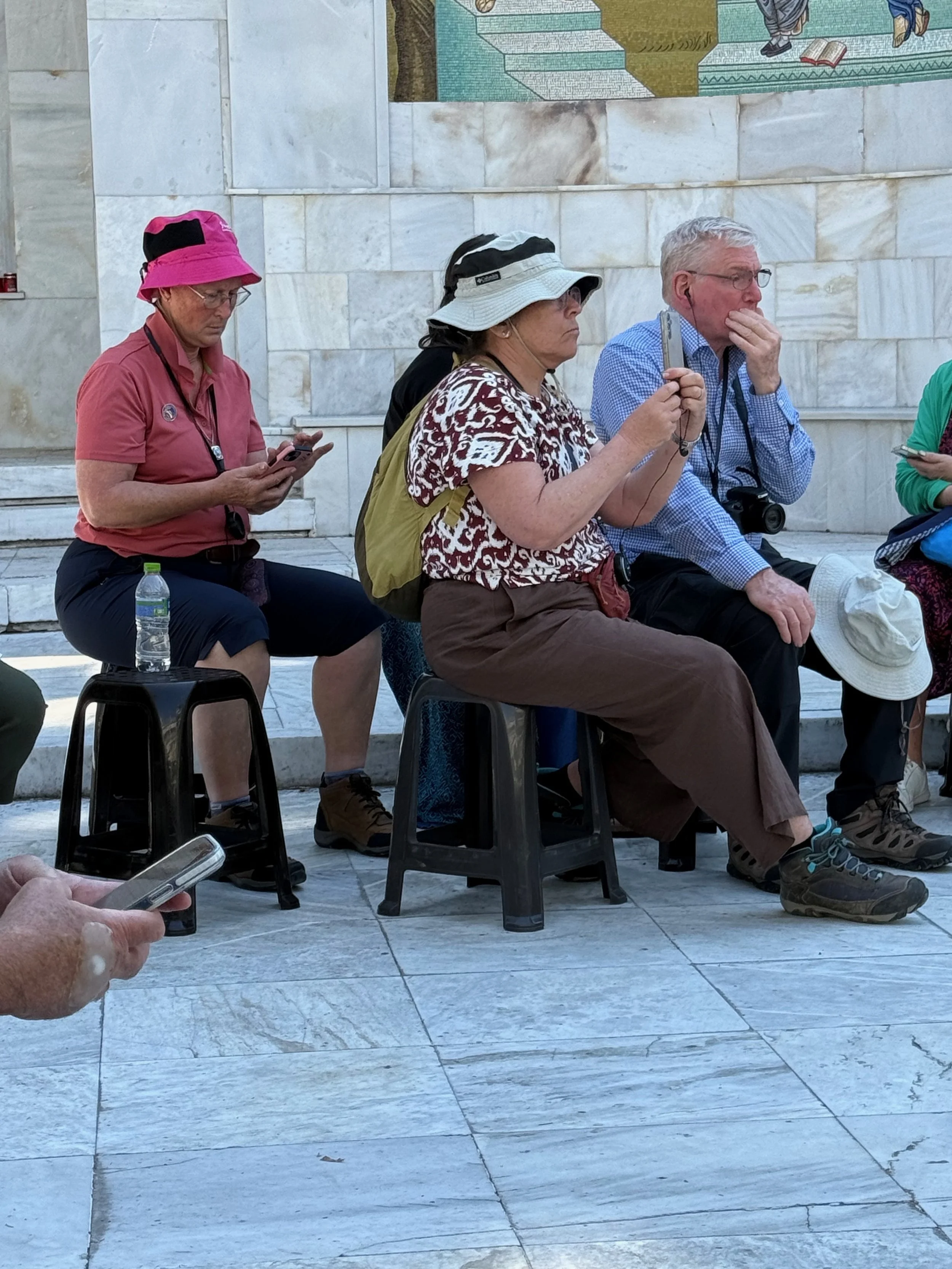
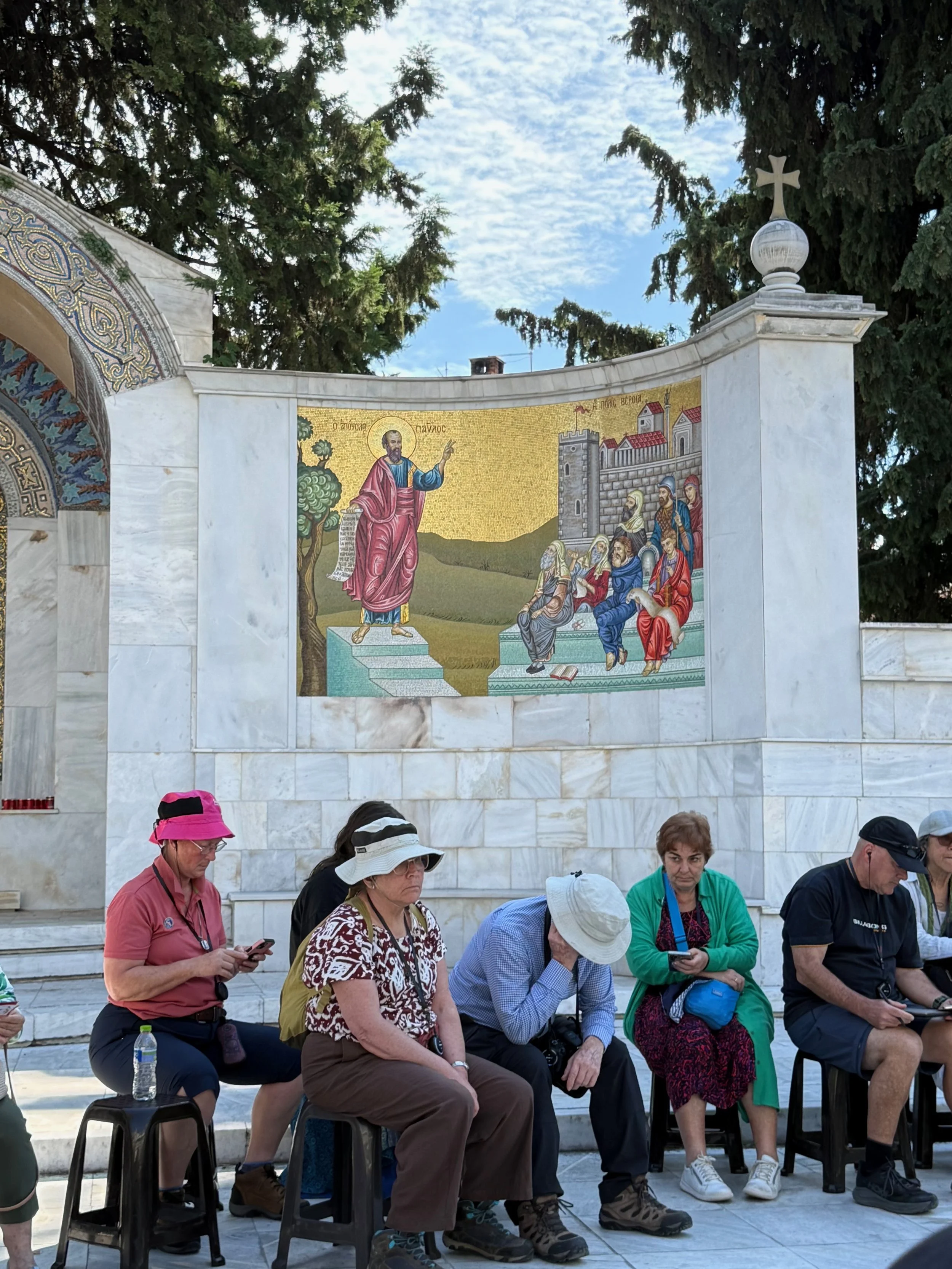
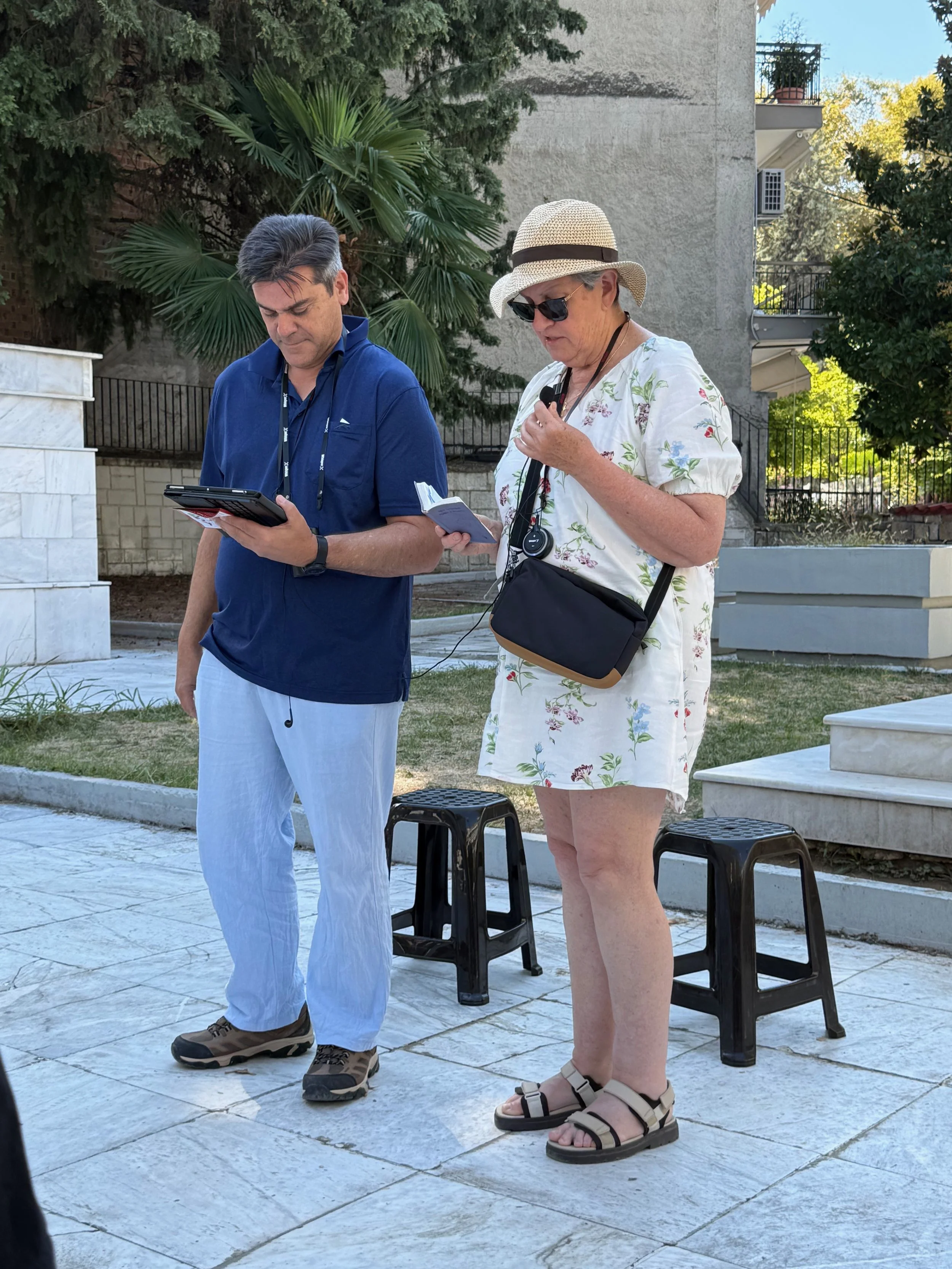
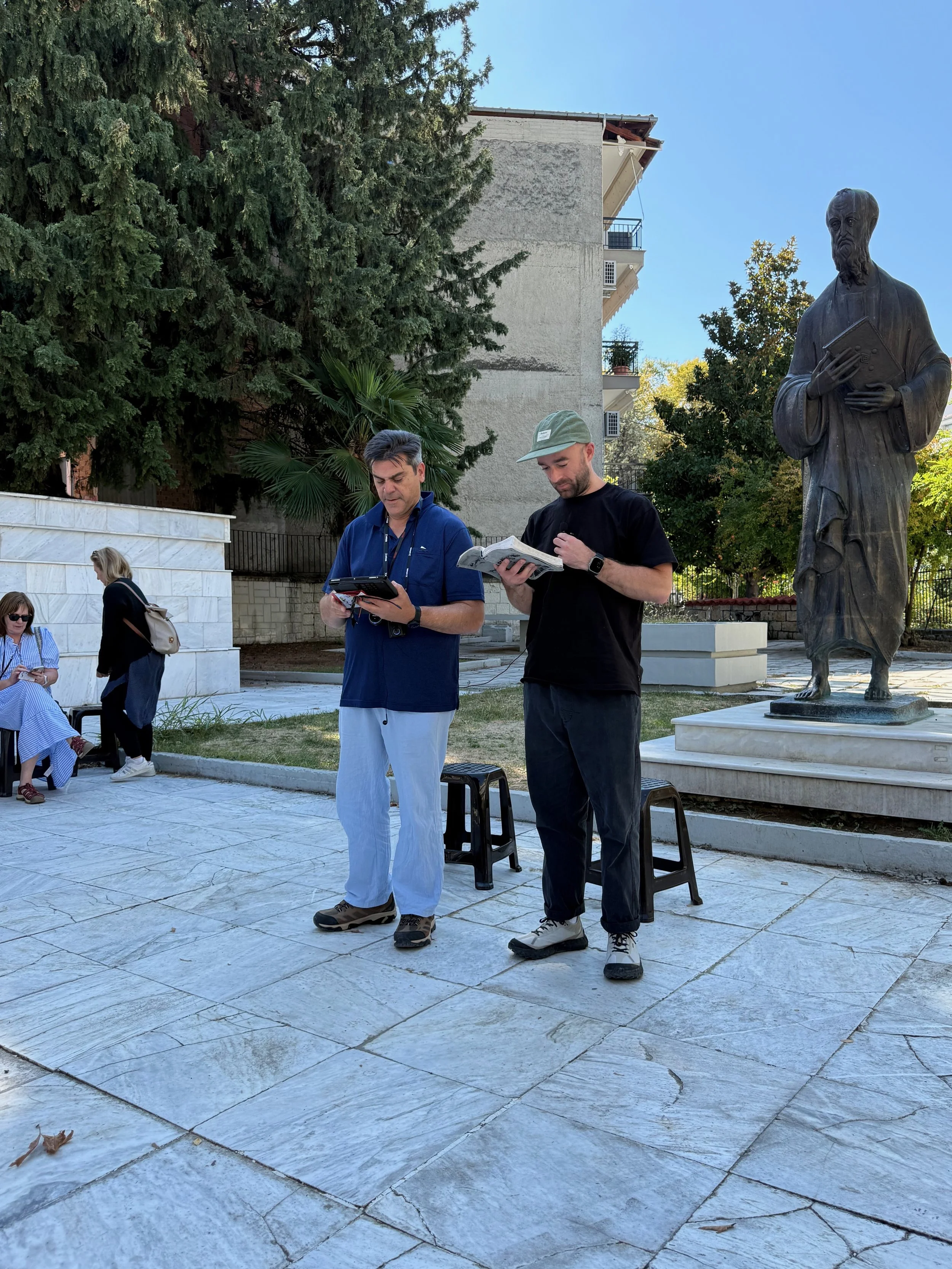
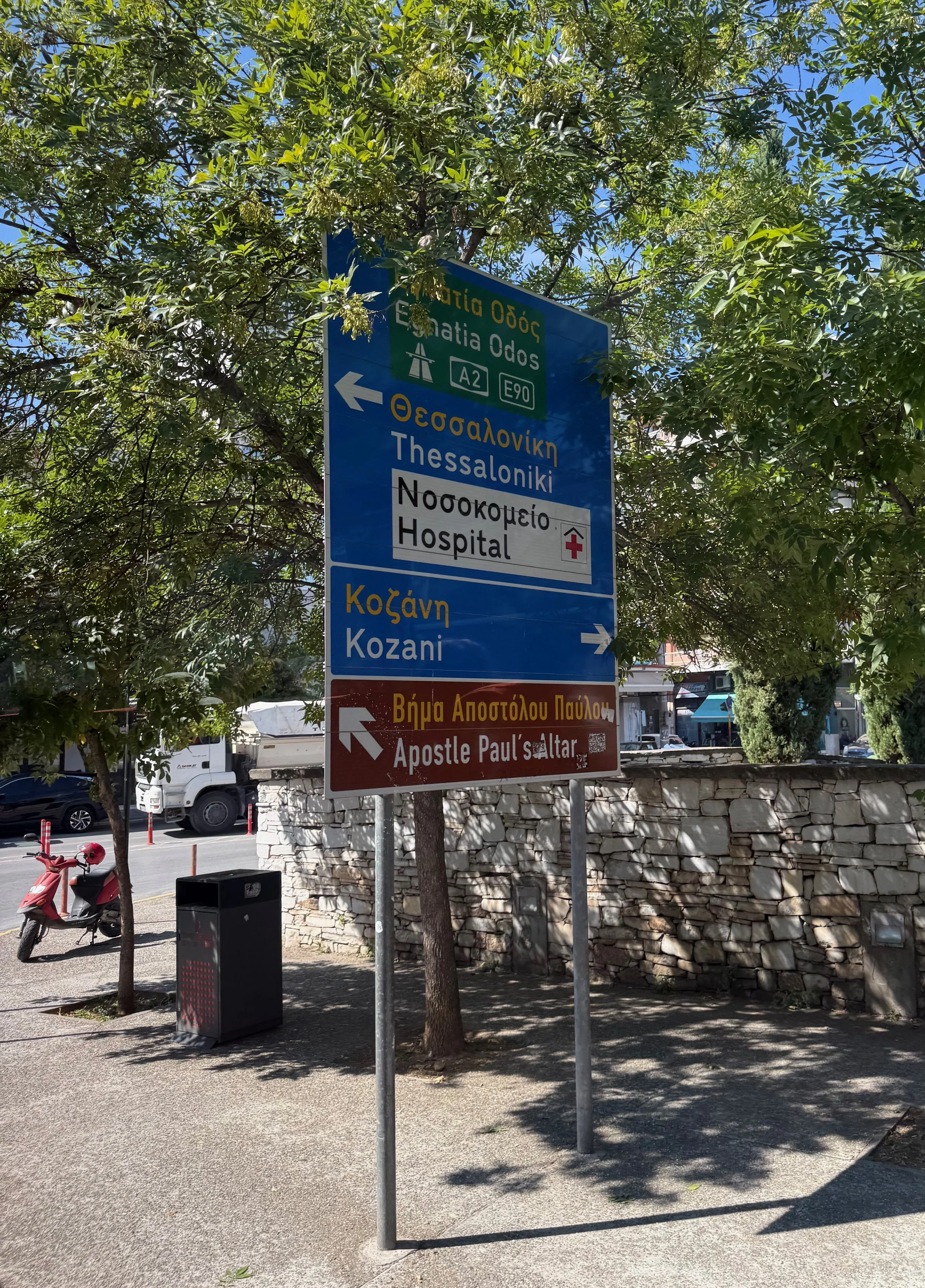
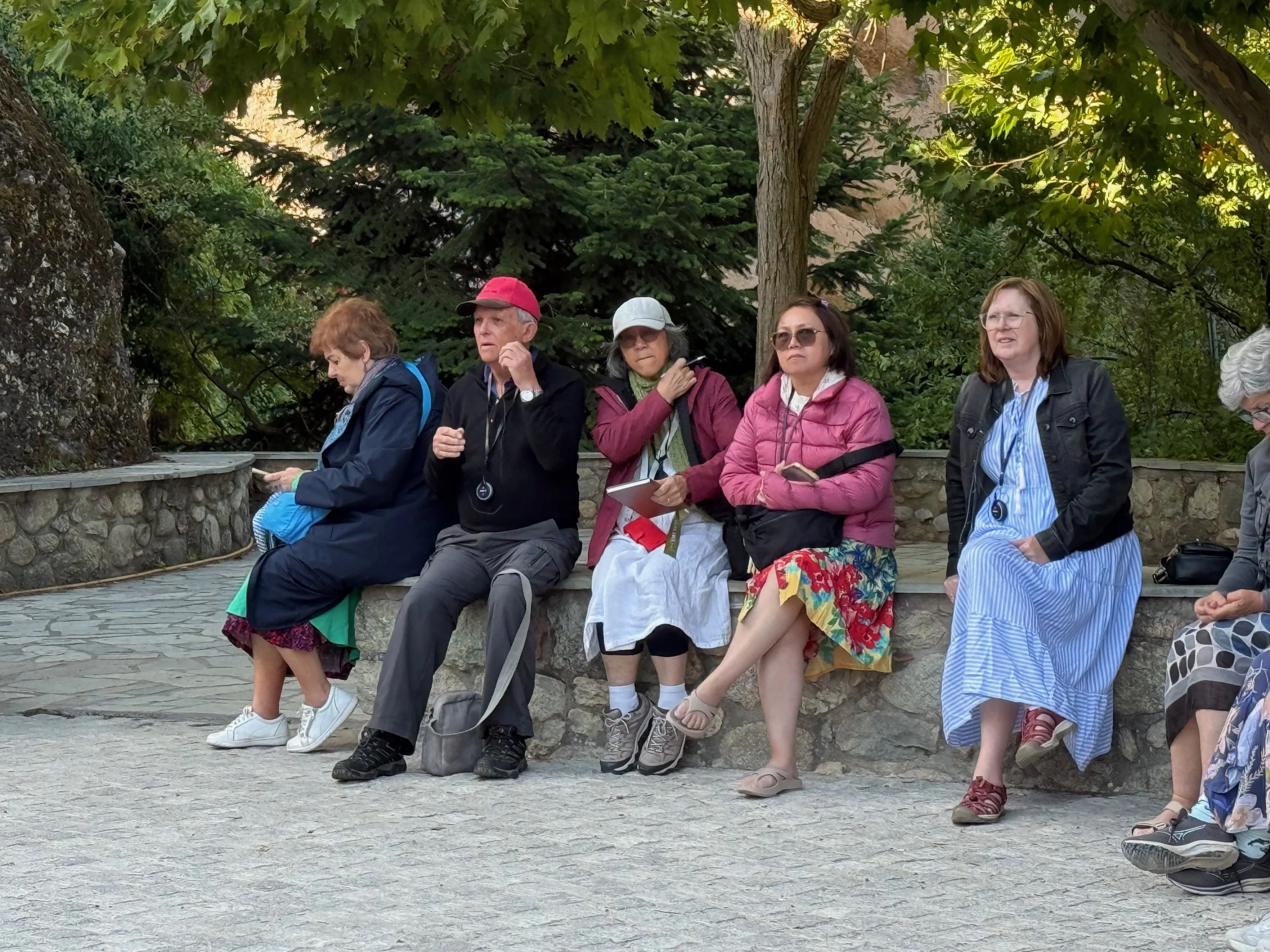
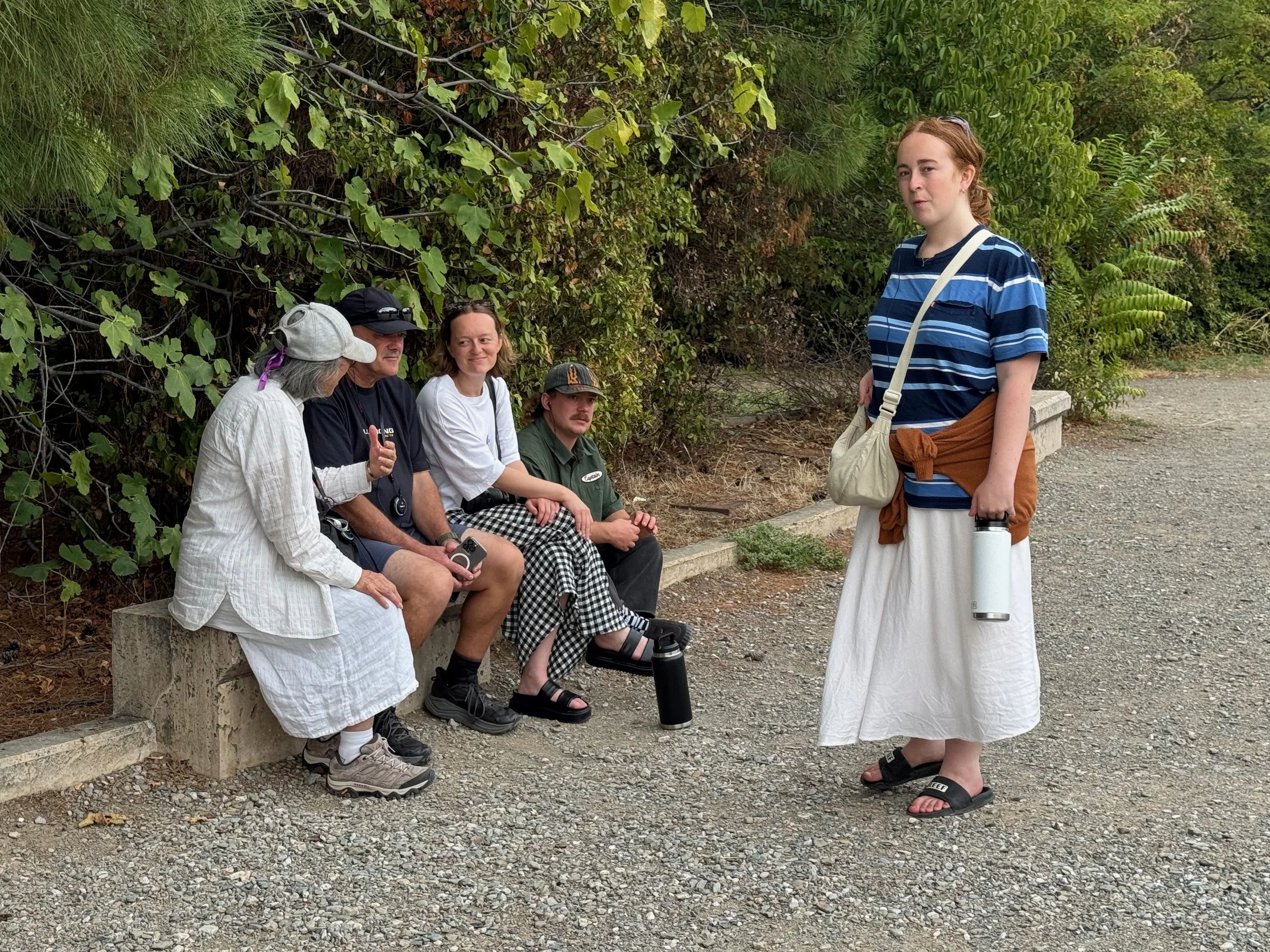
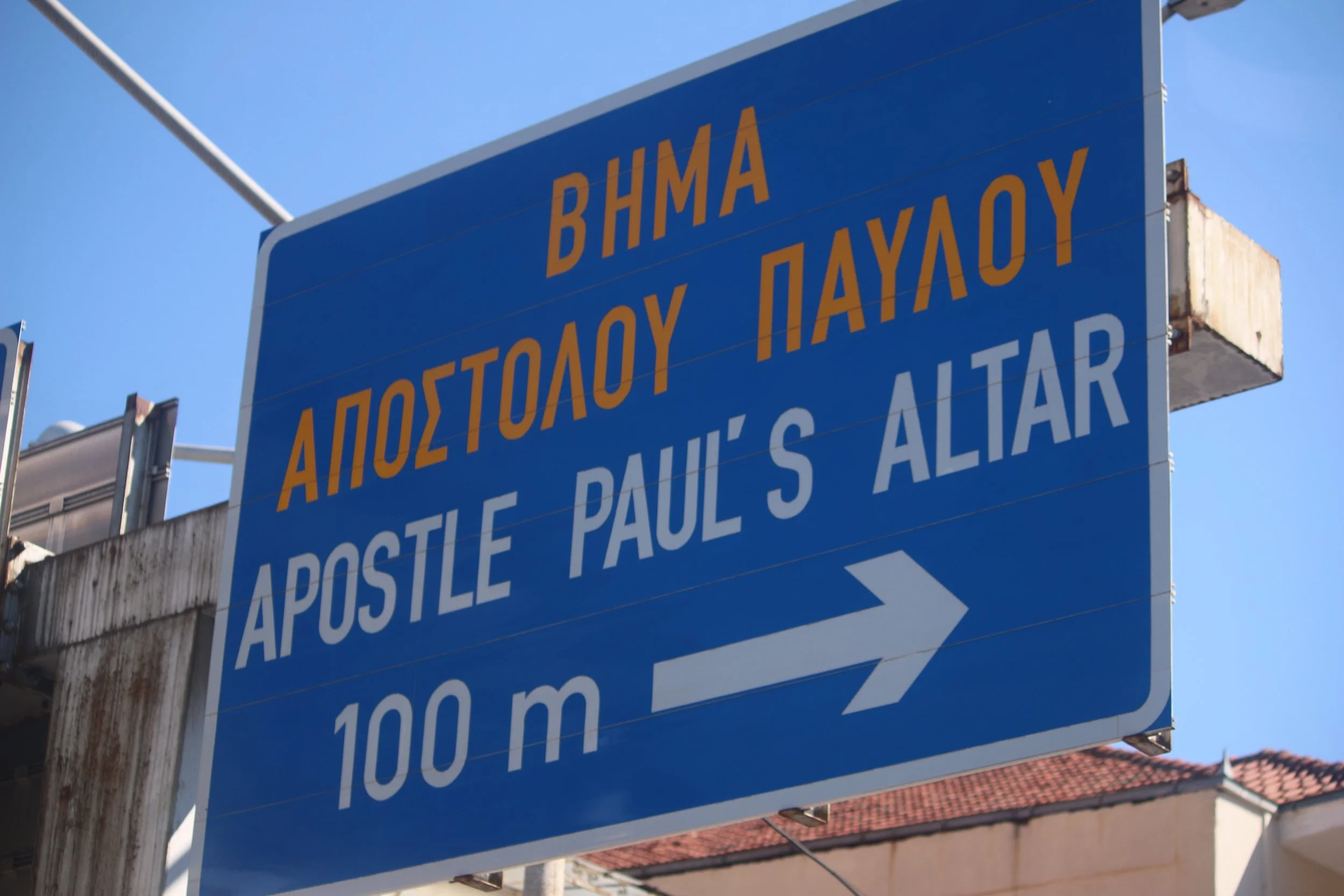
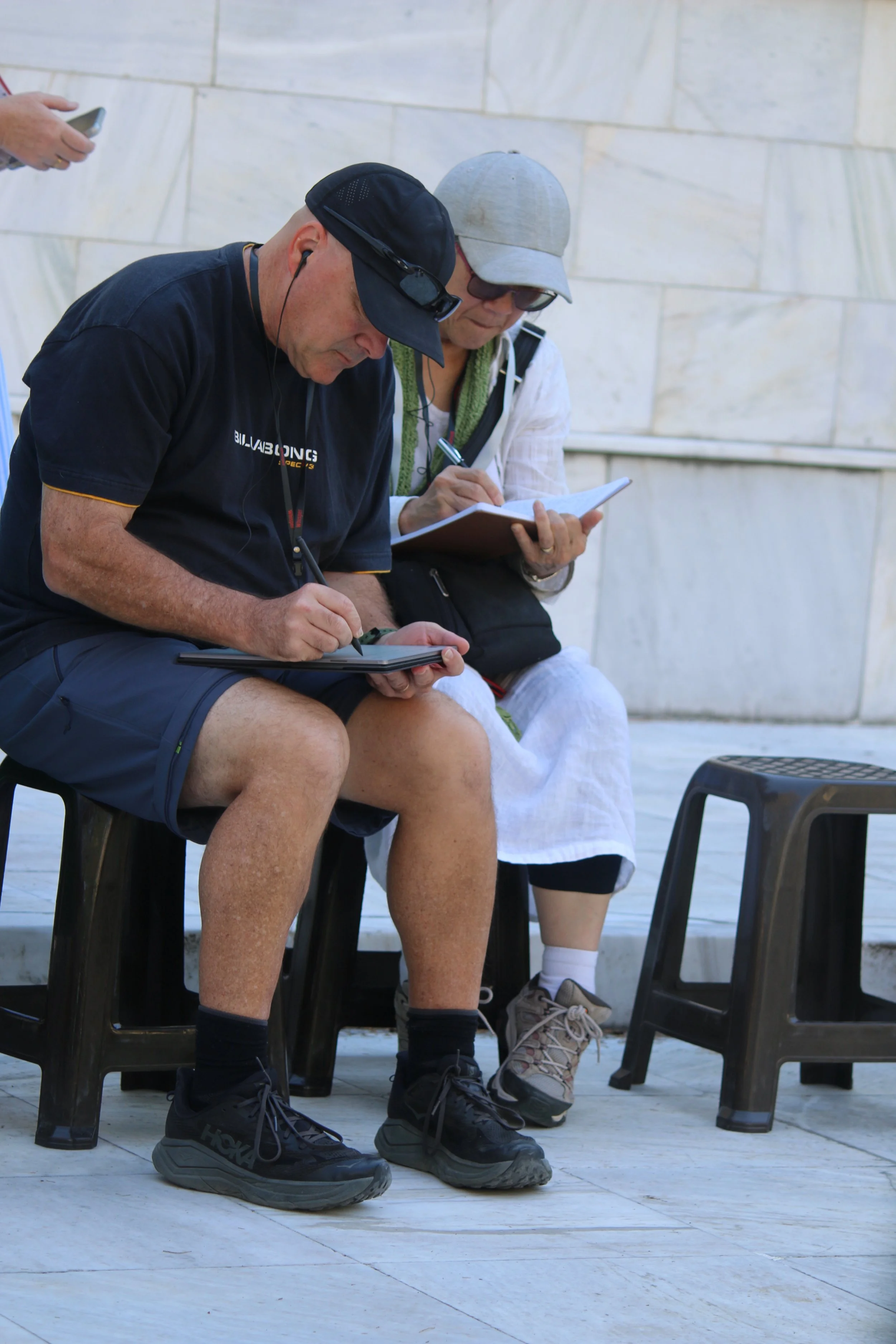
Marianna informed us we were driving through brown bear country, the only place you can find brown bears in the wild in Europe. There is even a bear underpass incorporated into the highway. Sadly, we didn’t spy any on our drive. Our first stop for the afternoon was Berea, where there is a memorial set-up for the apostle Paul. An enterprising young souvenir shop owner stood at the entry way, giving out brochures for his shop, right across the road, insisting we all visit. Not only did they have a huge range of you-beaut souvenirs, they also had something rare in these parts - a toilet available to the public for free. He put out some plastic chairs for us to sit on while Dean spoke to us and afterwards, we all felt compelled to go and buy a magnet or 2. A great marketing initiative for sure.
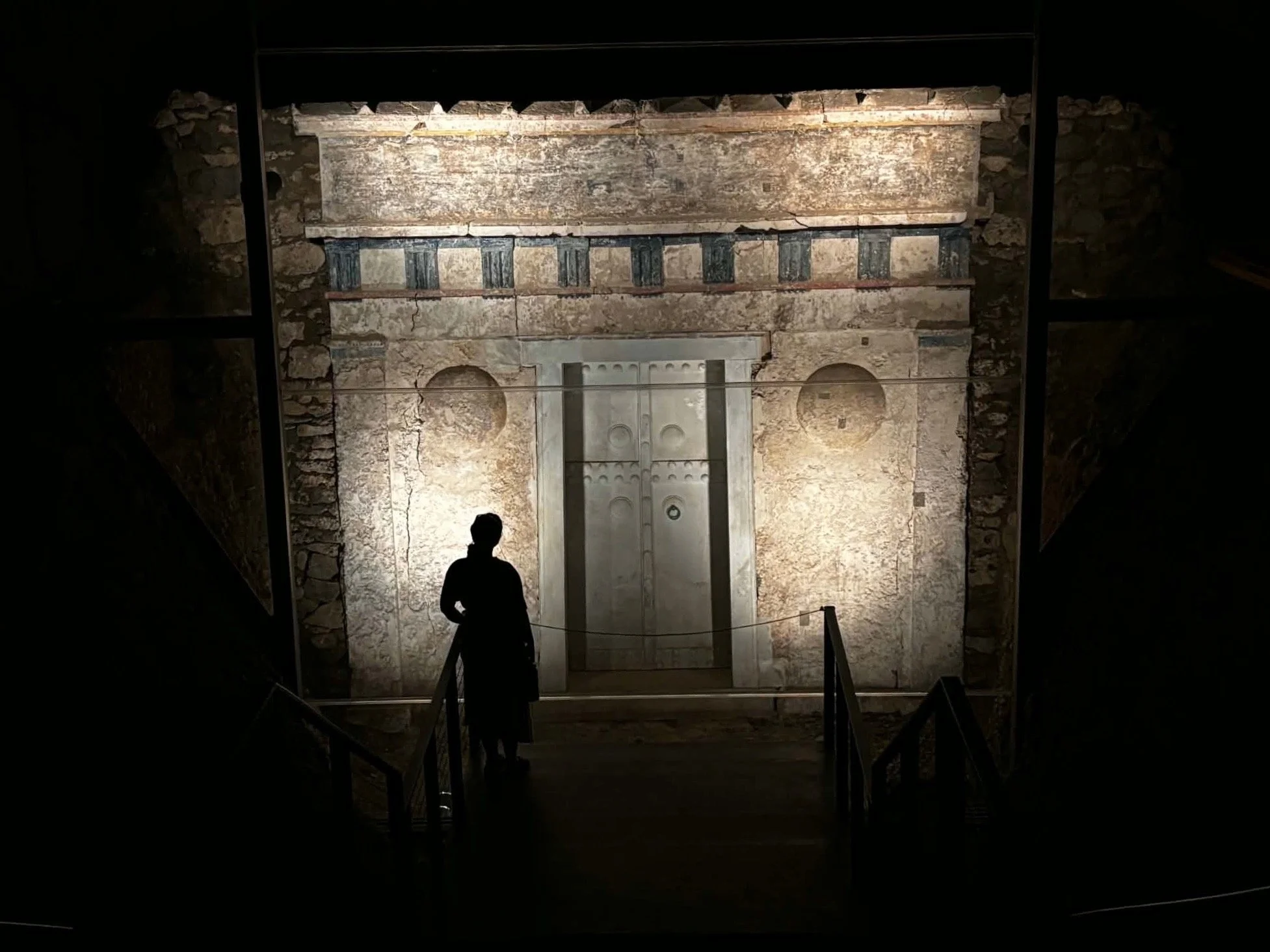
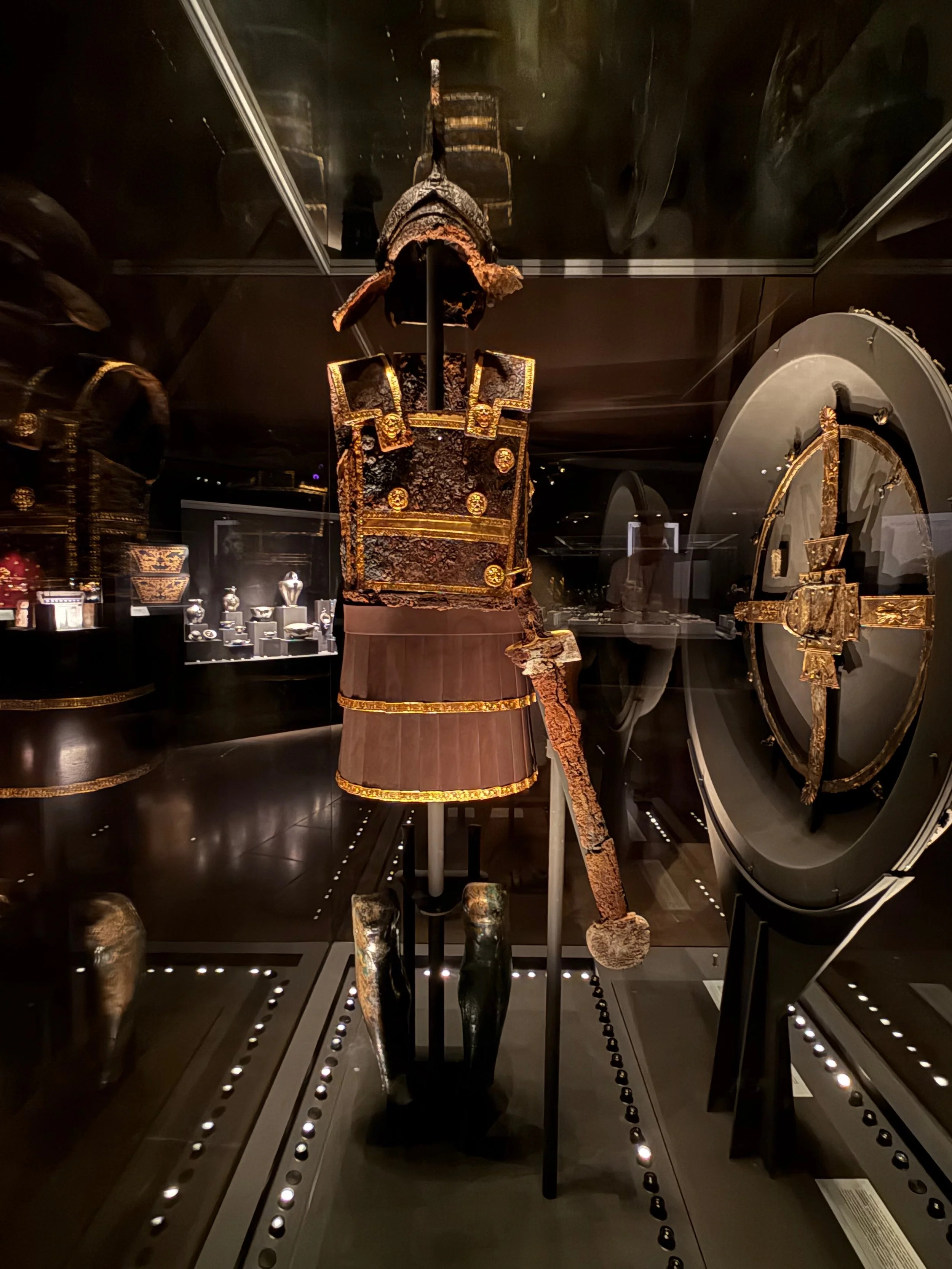
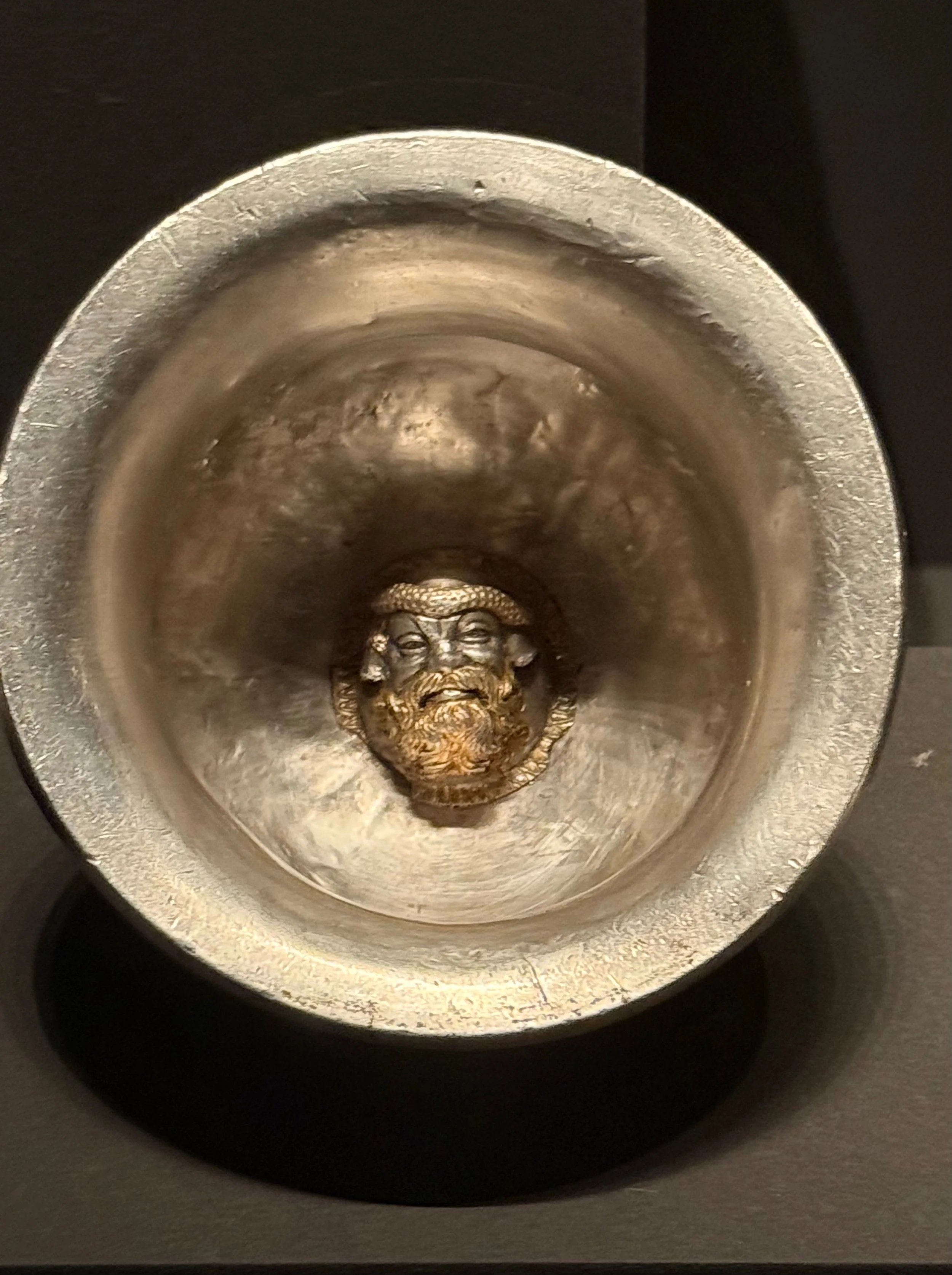
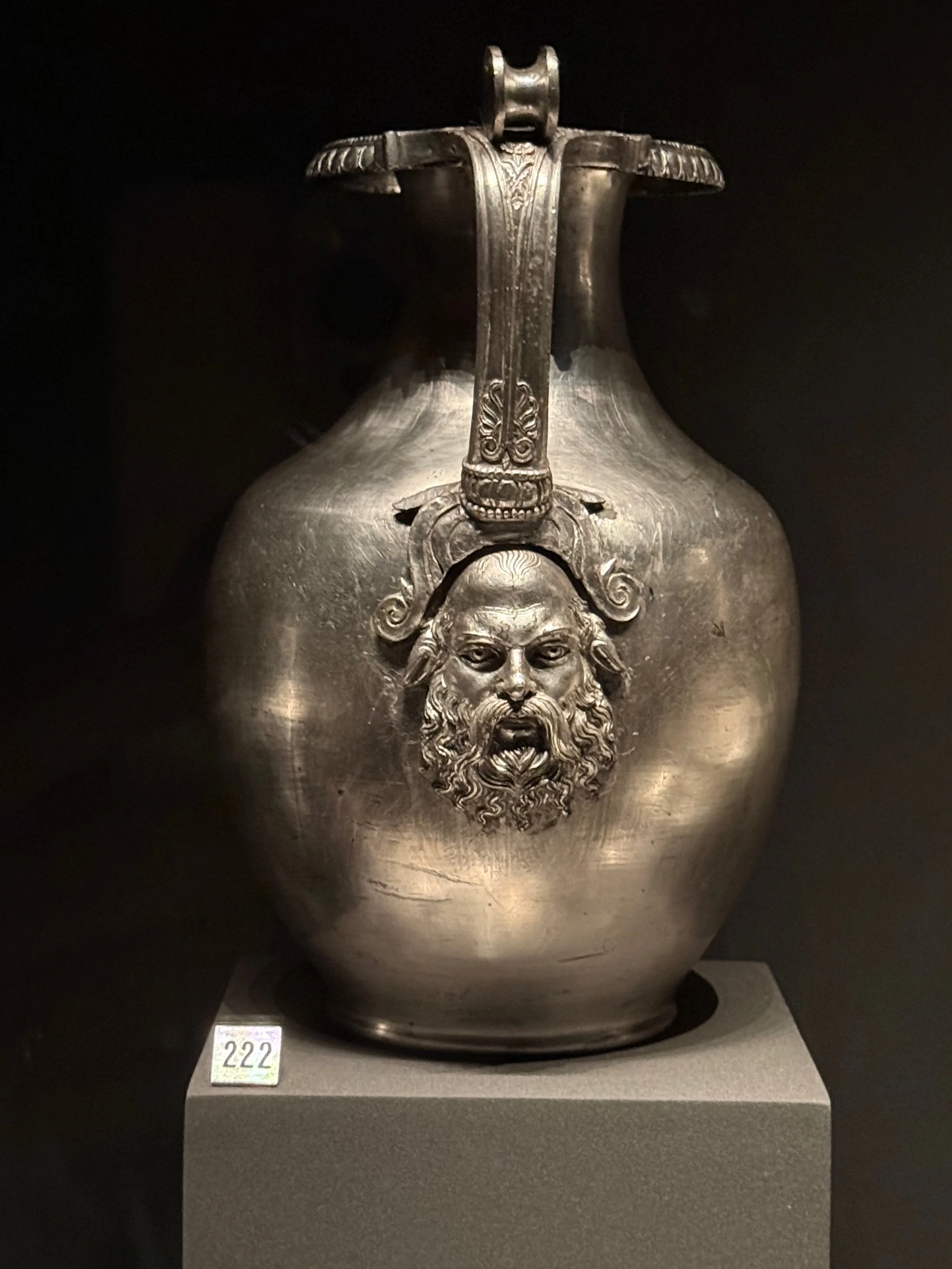
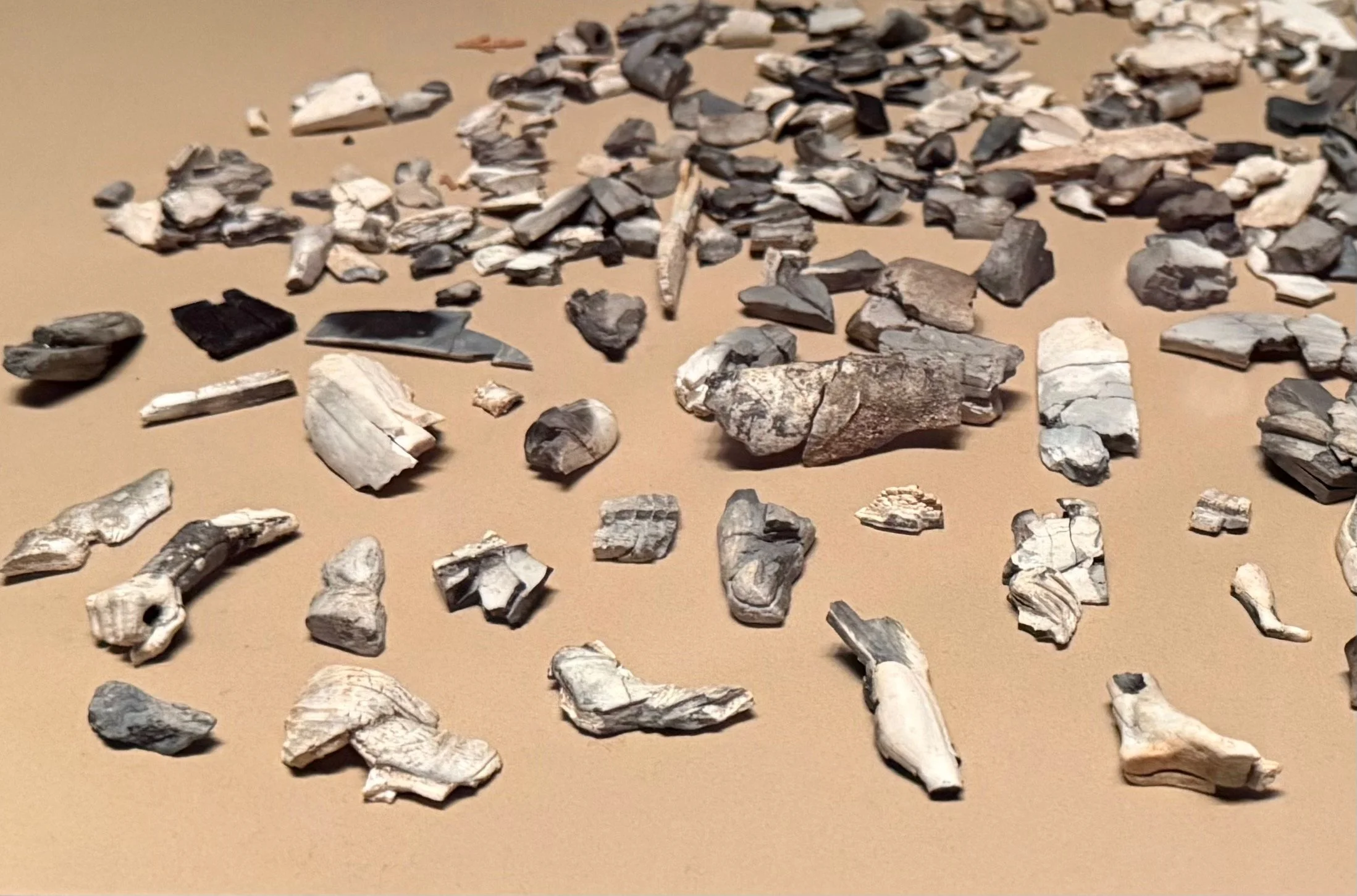
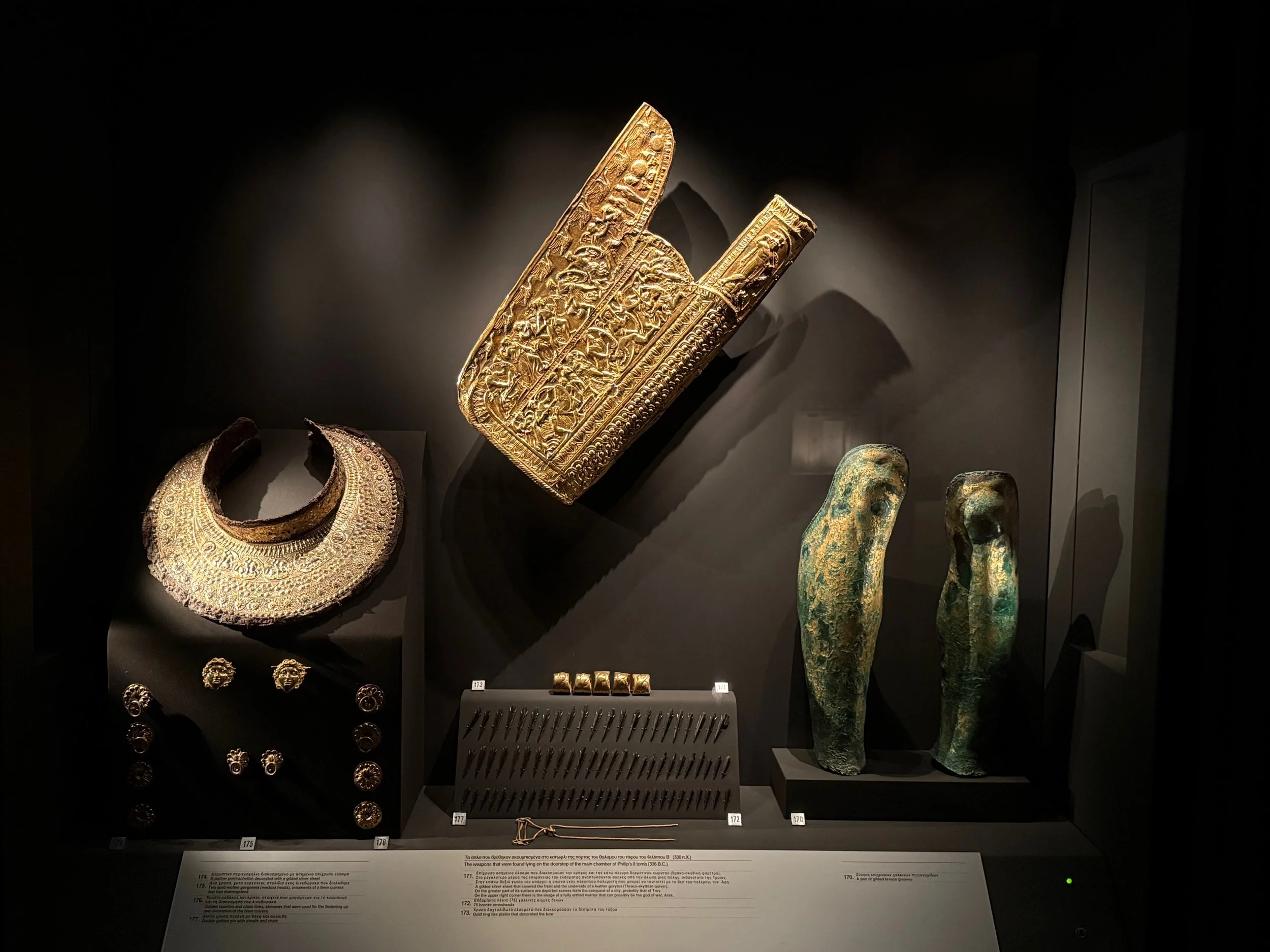
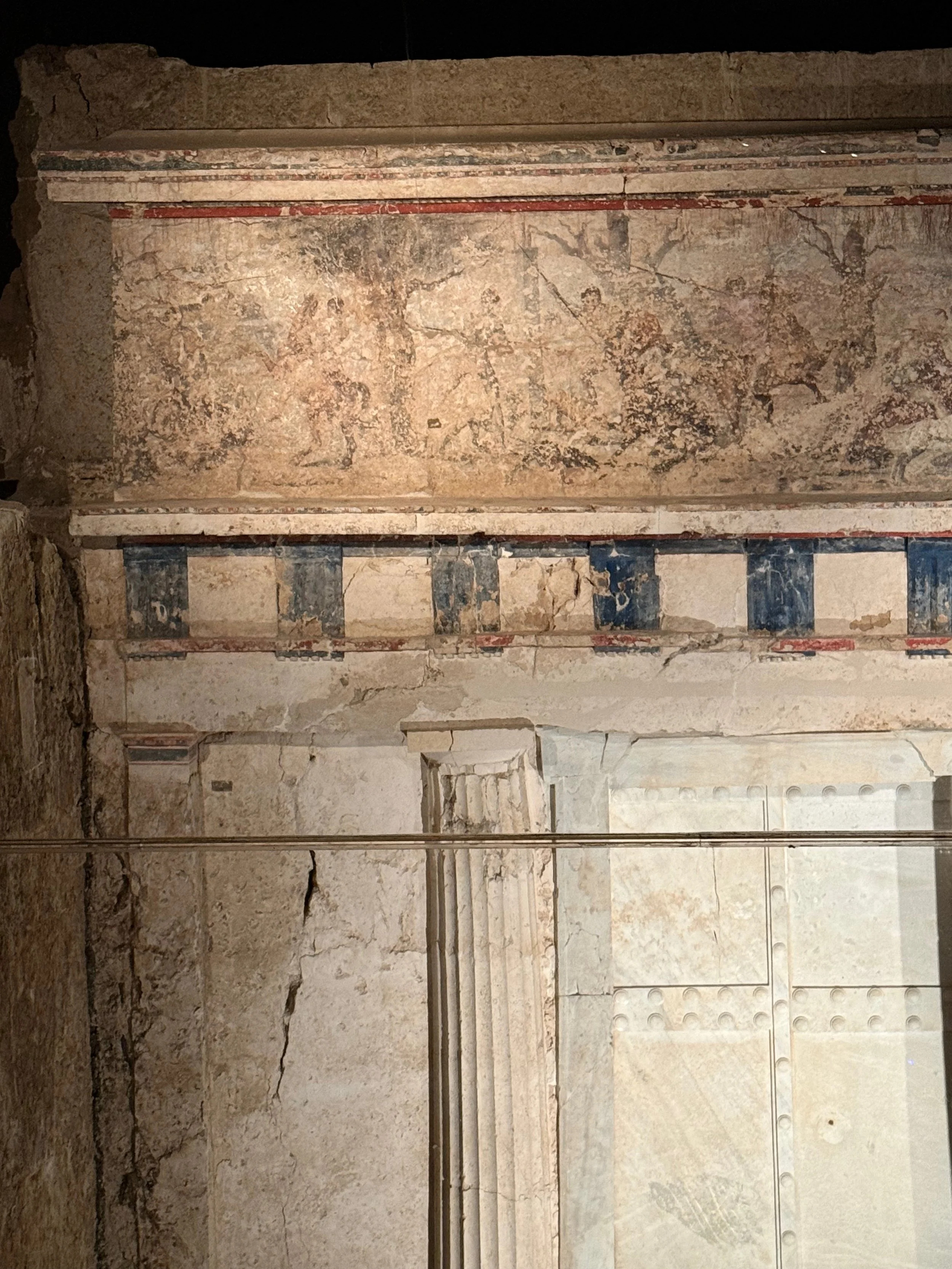
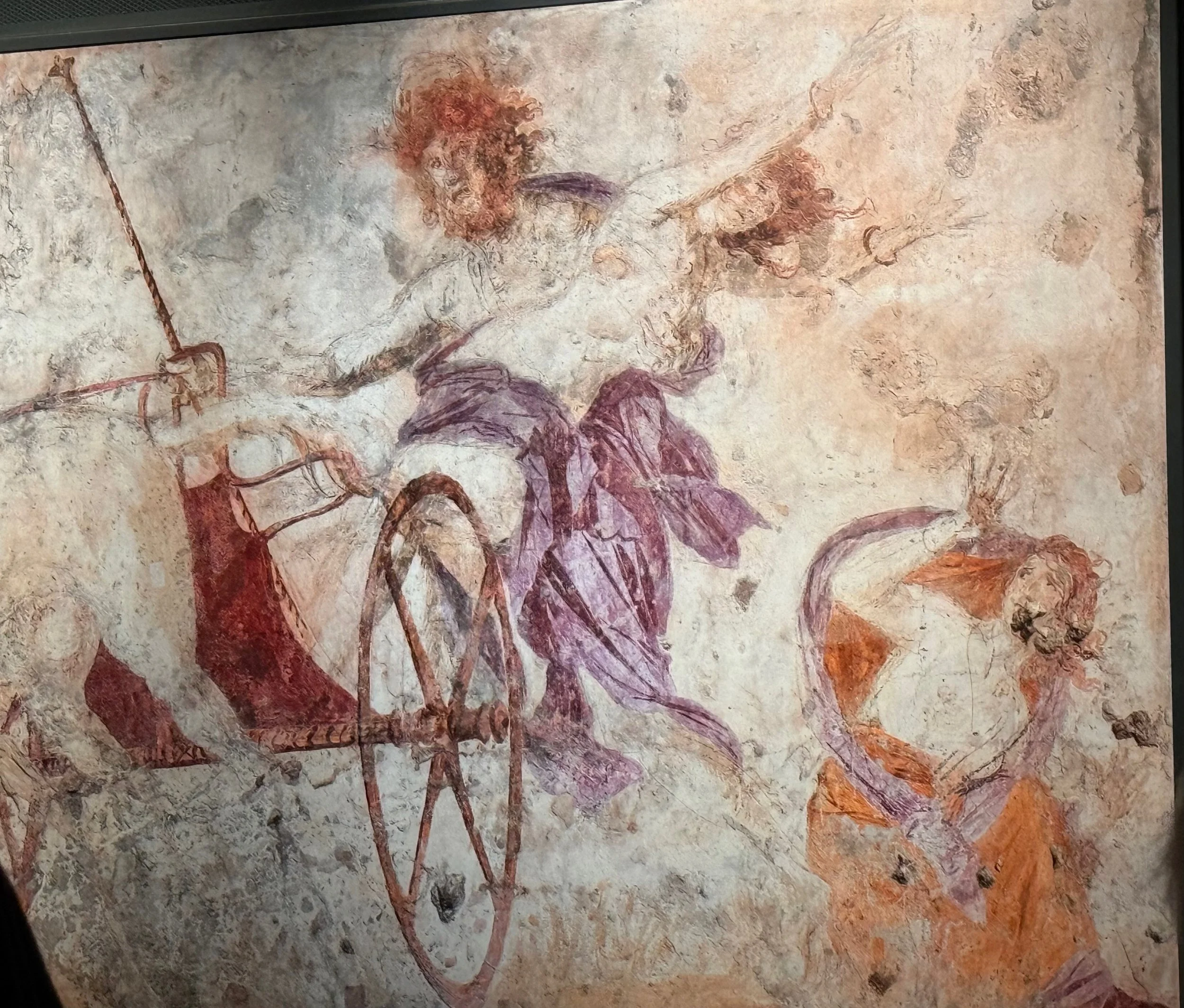
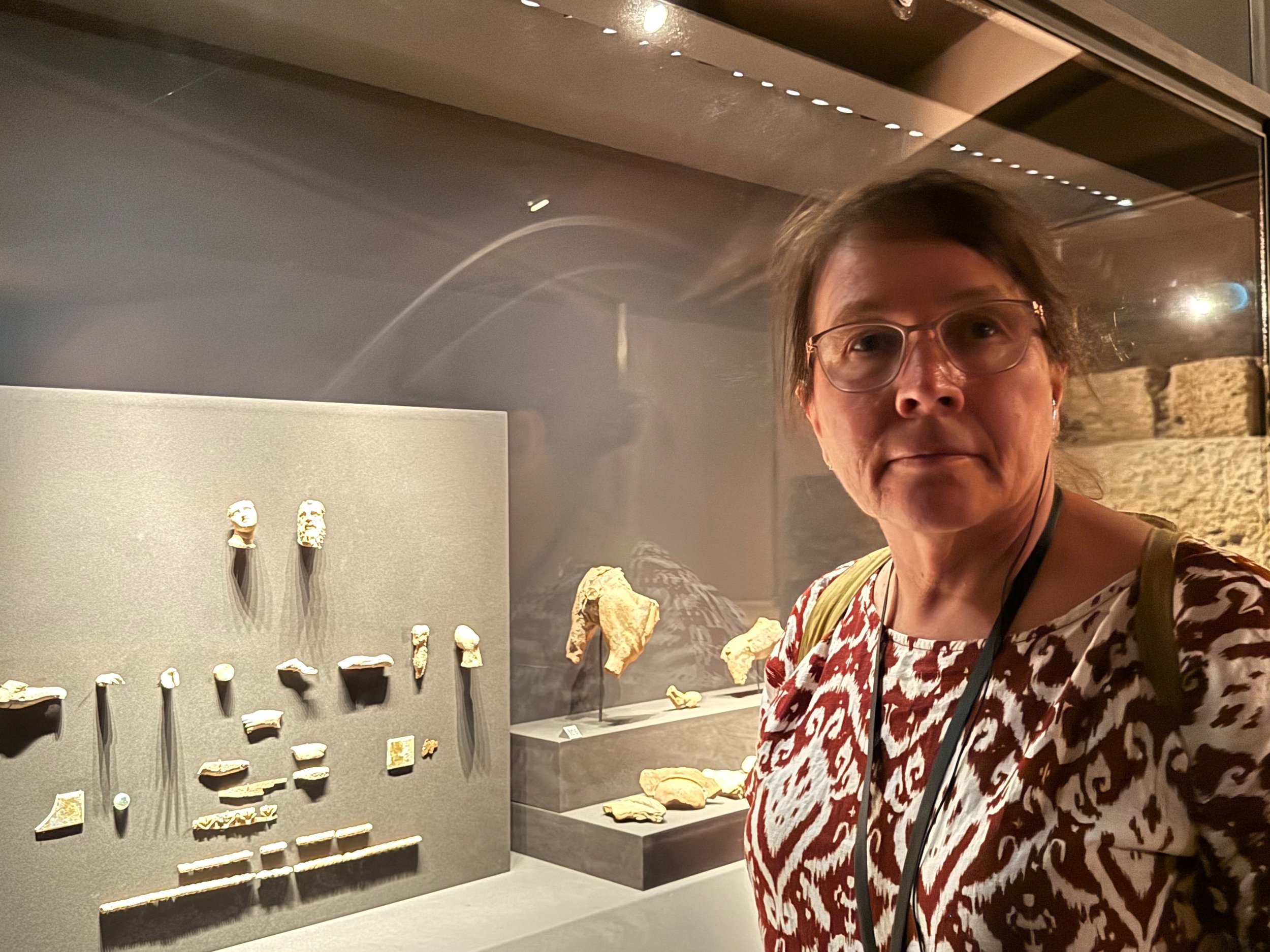
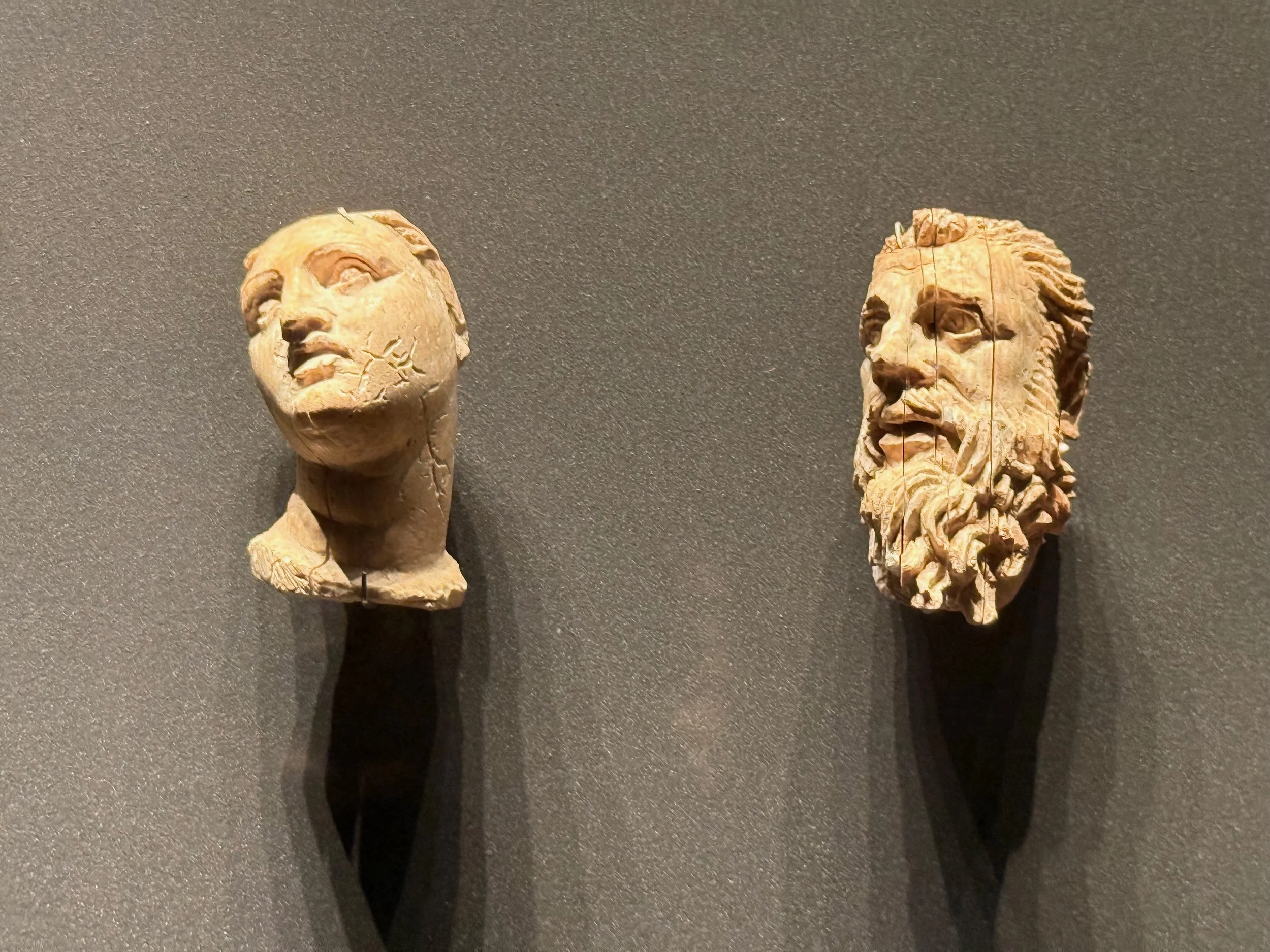
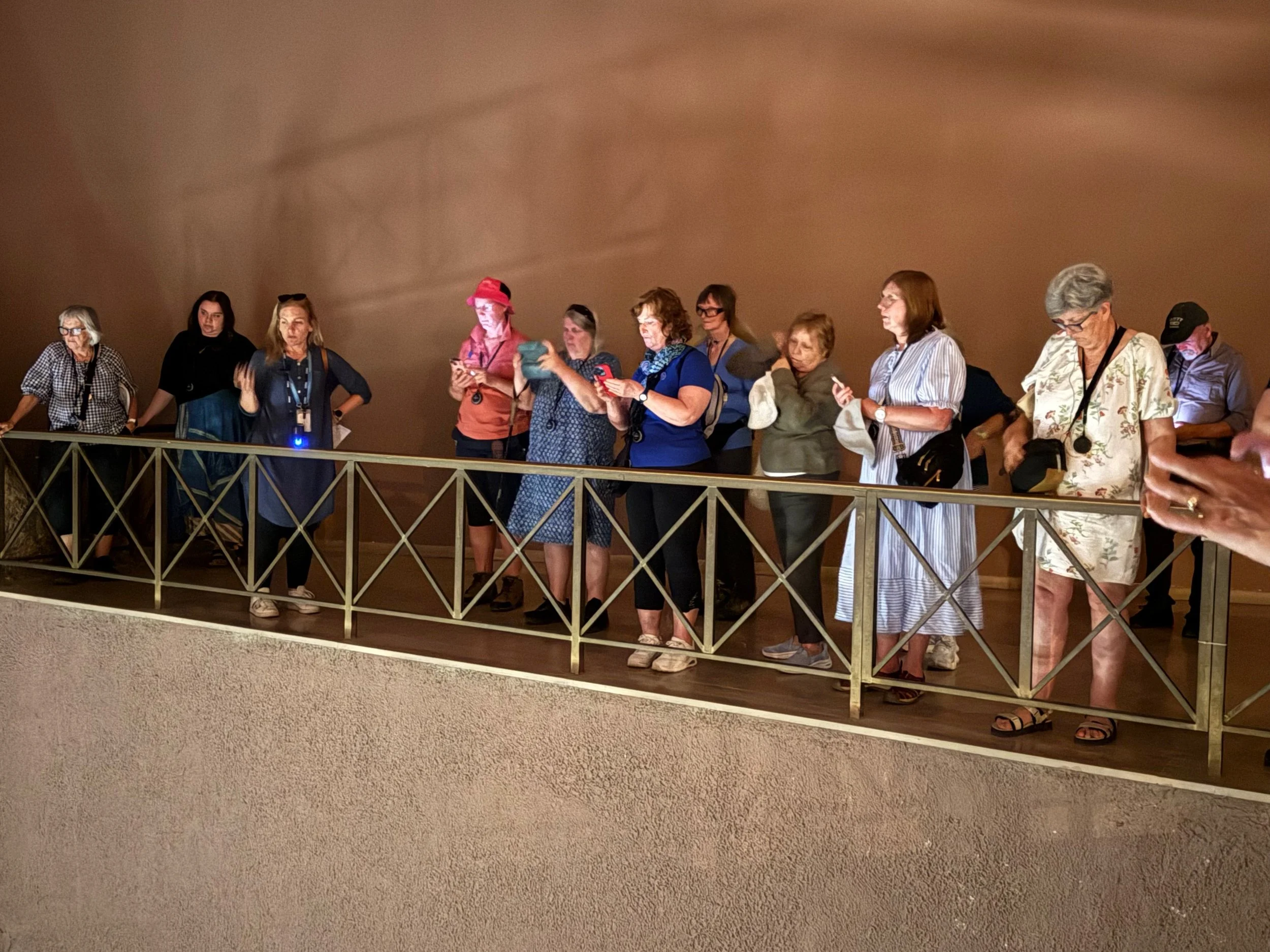
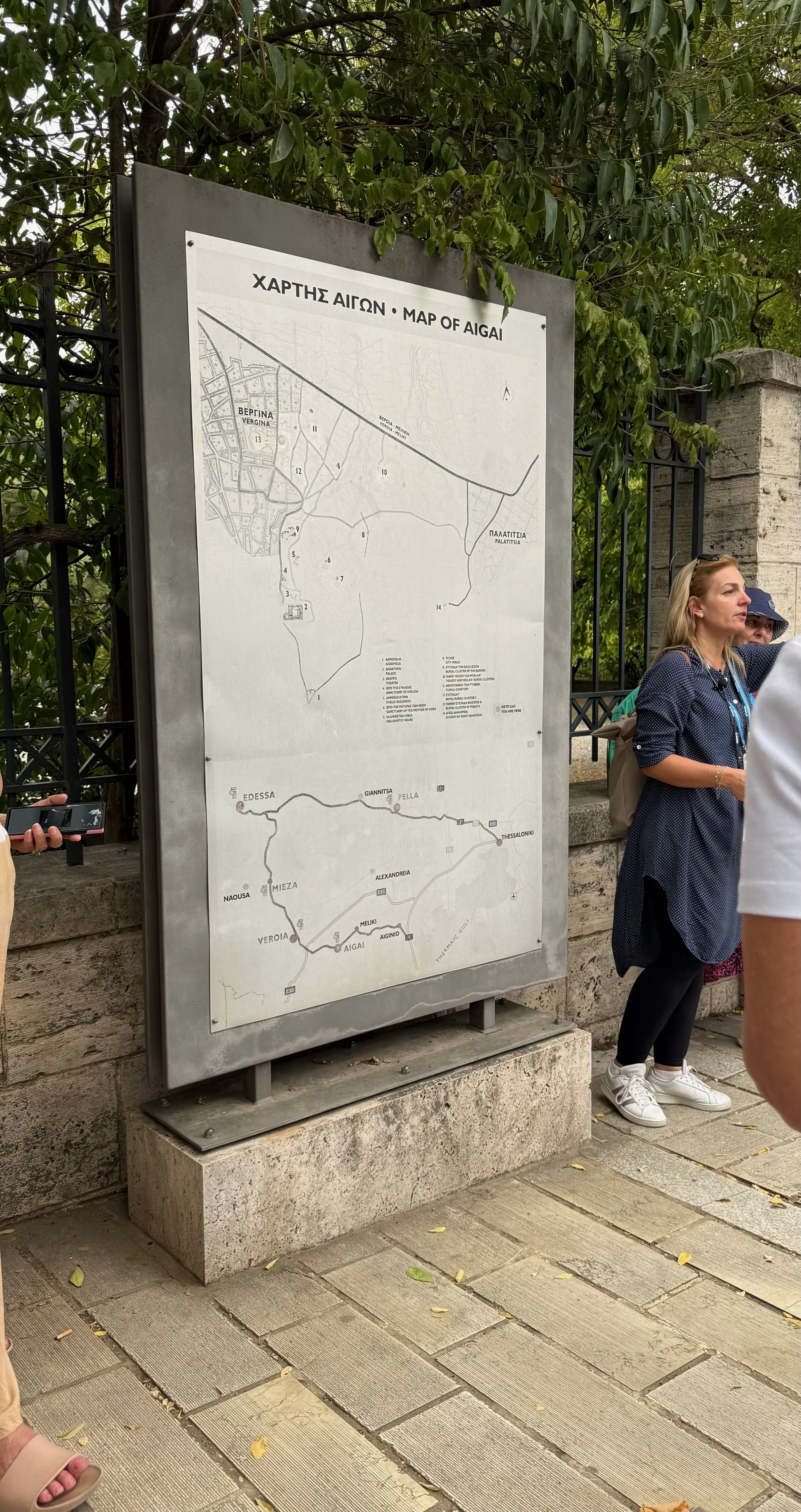
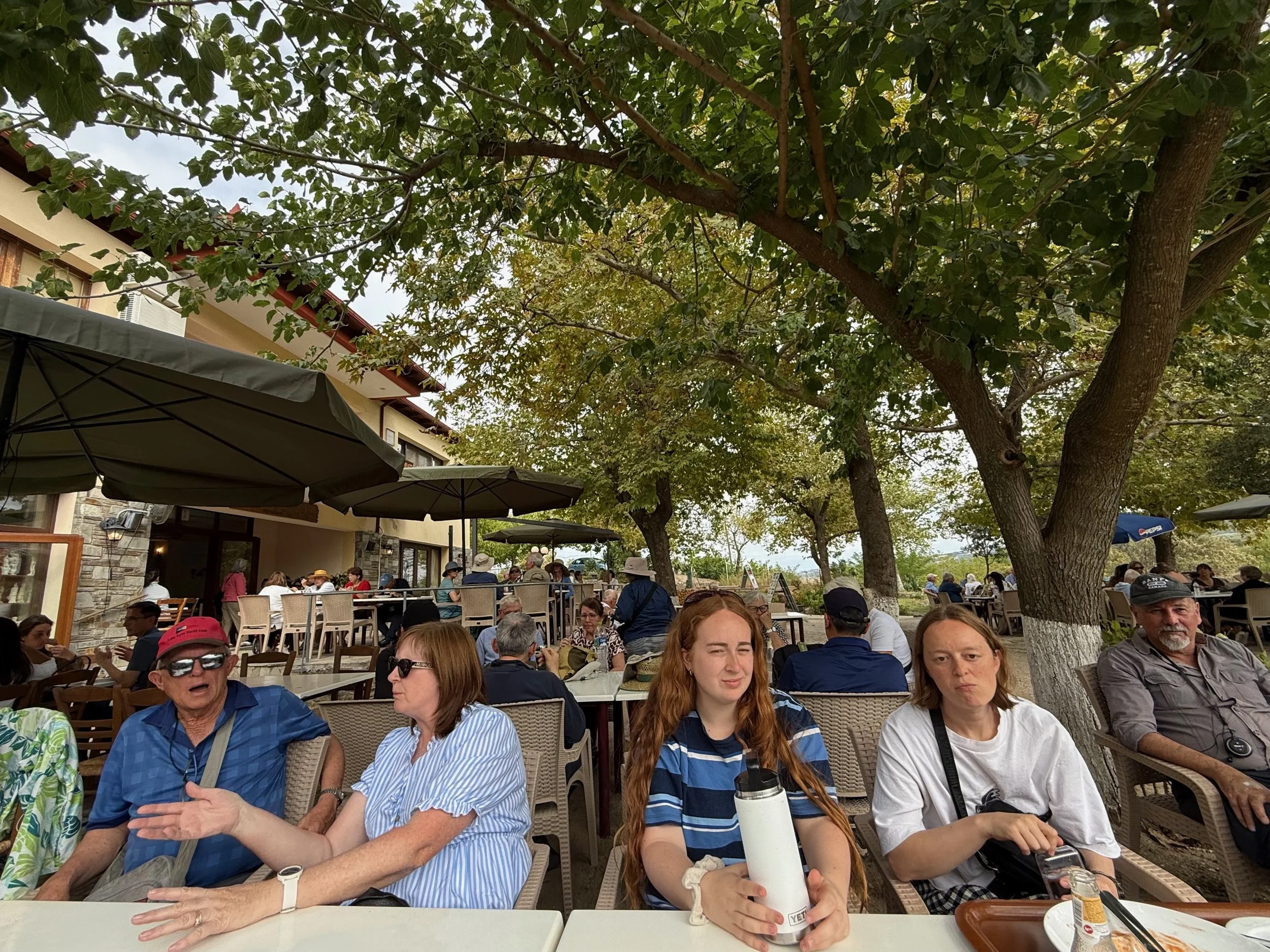
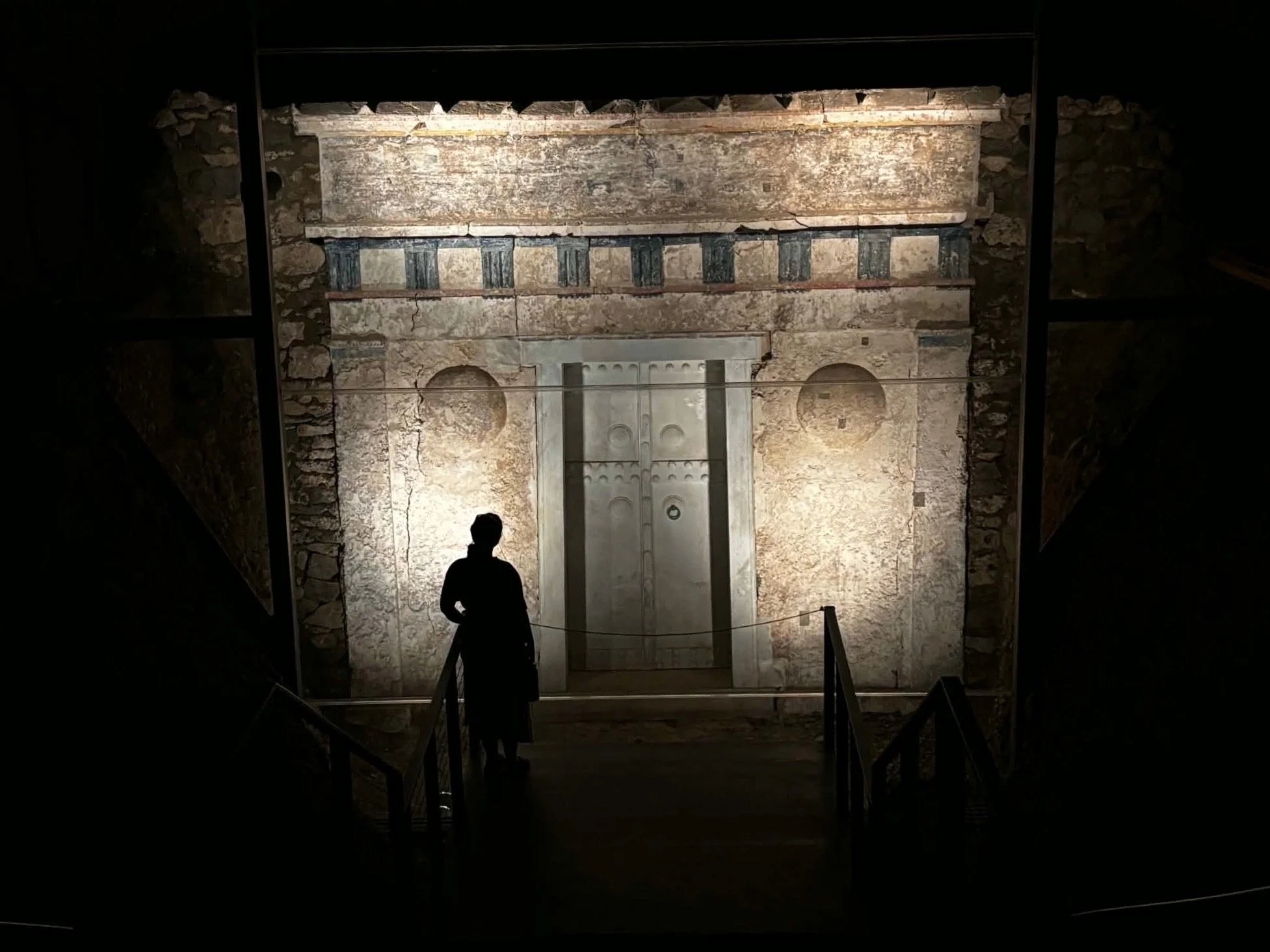
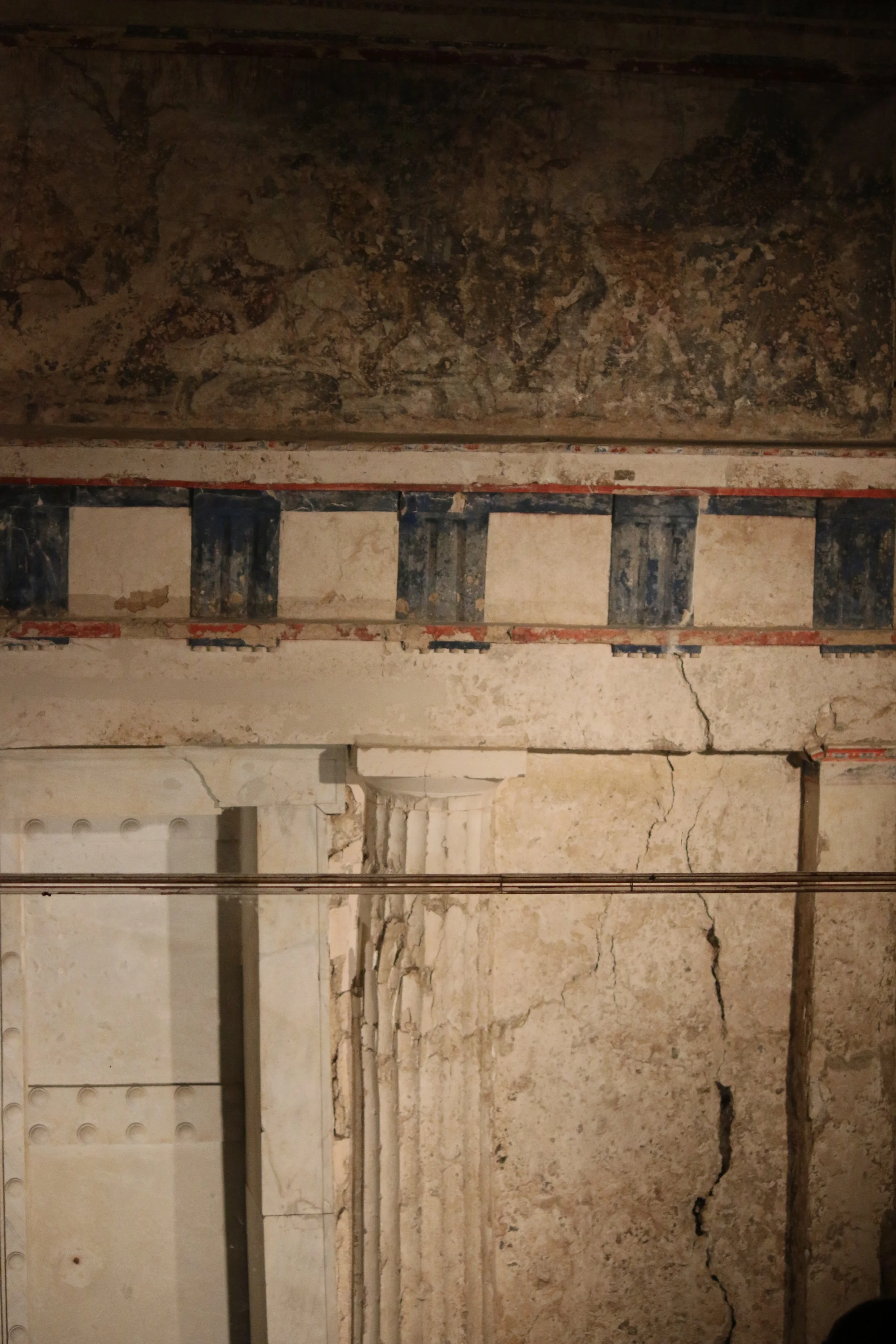
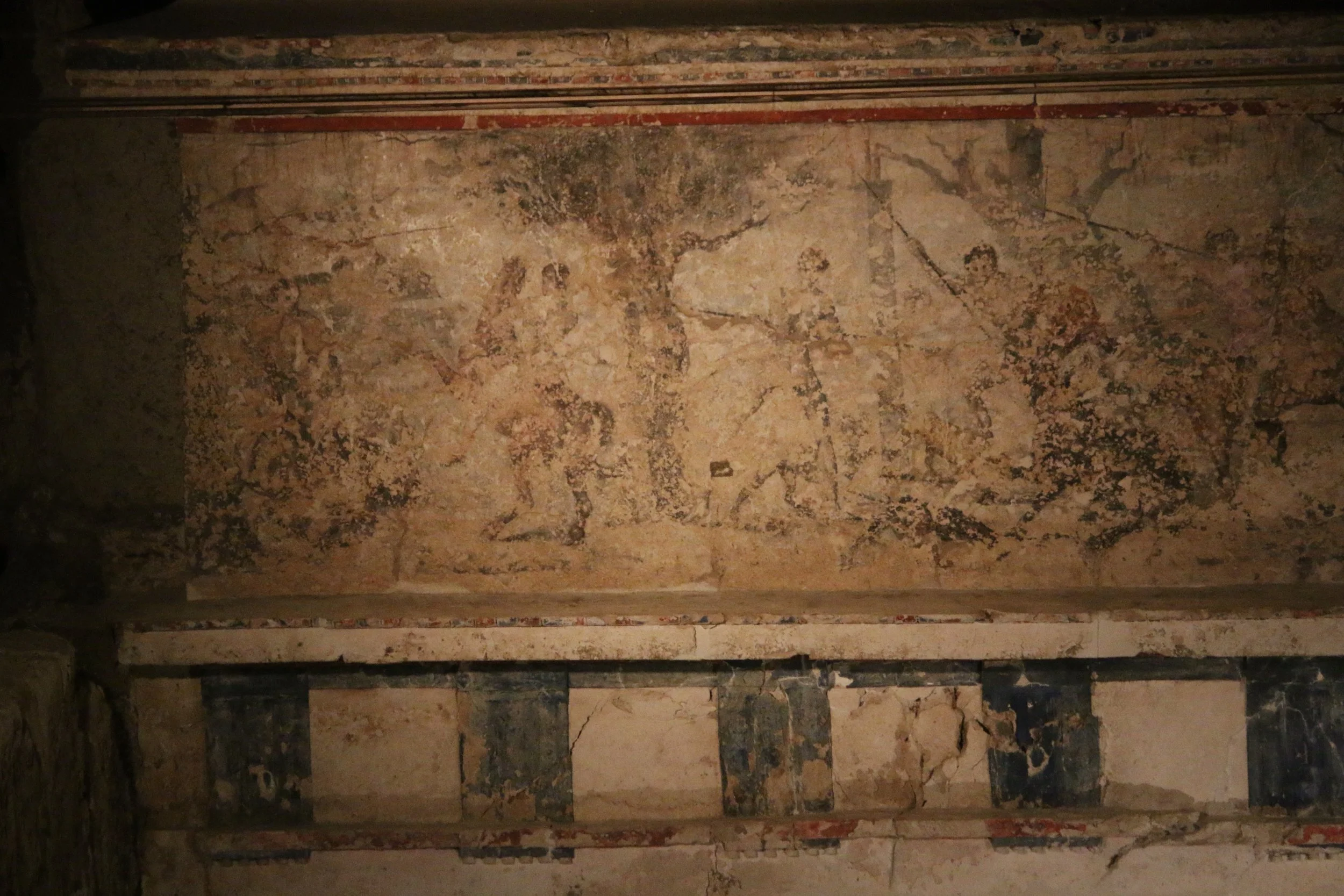
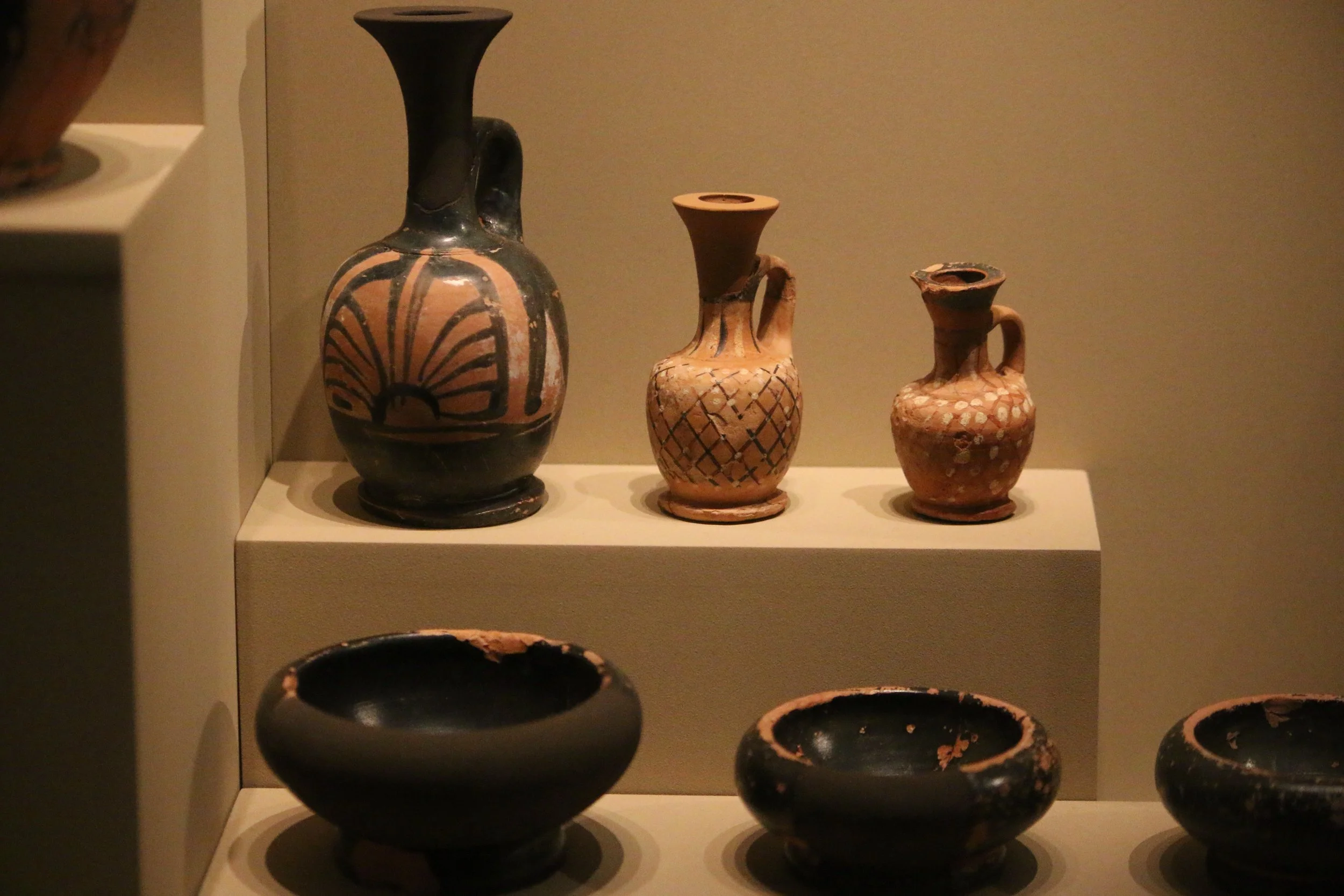
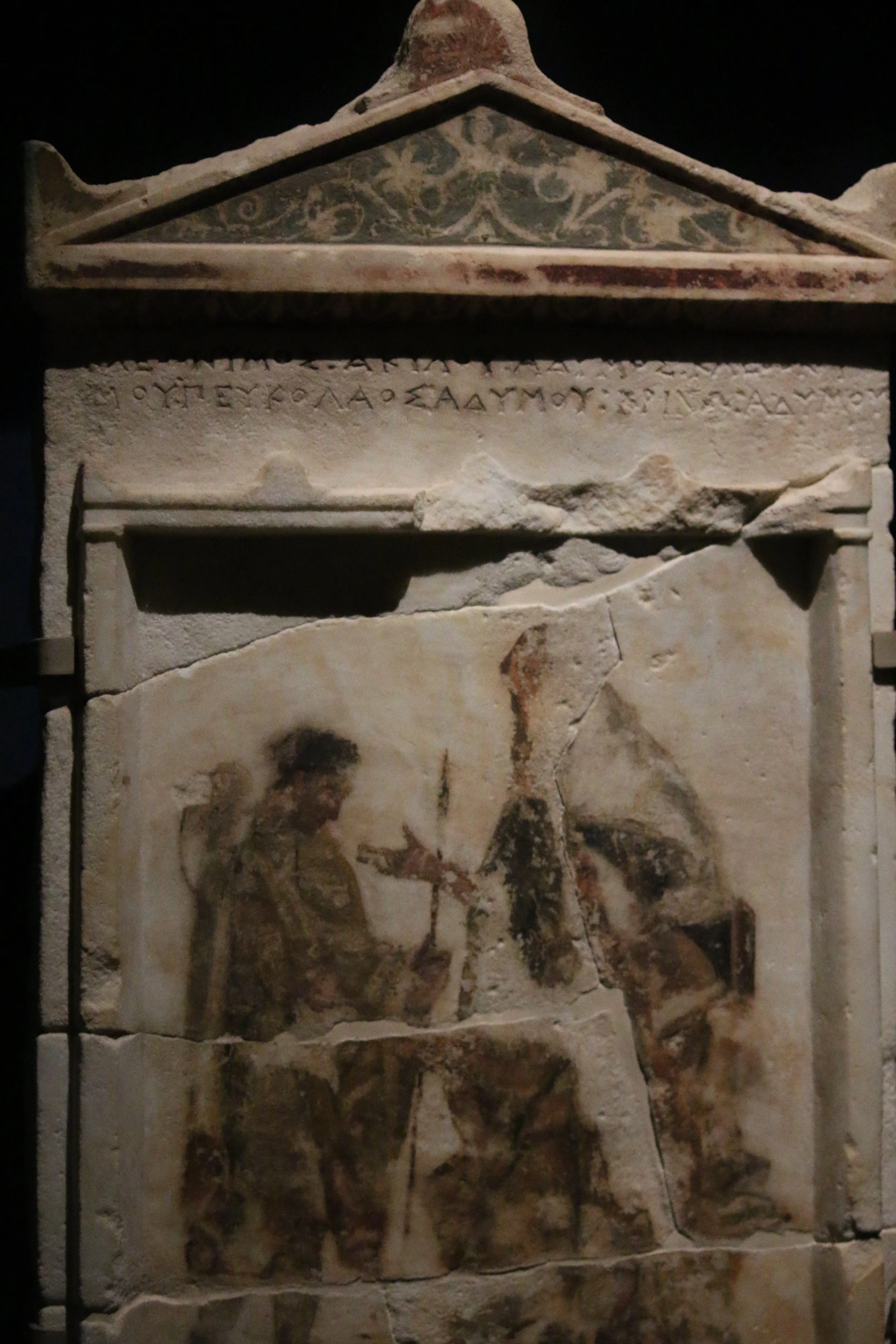
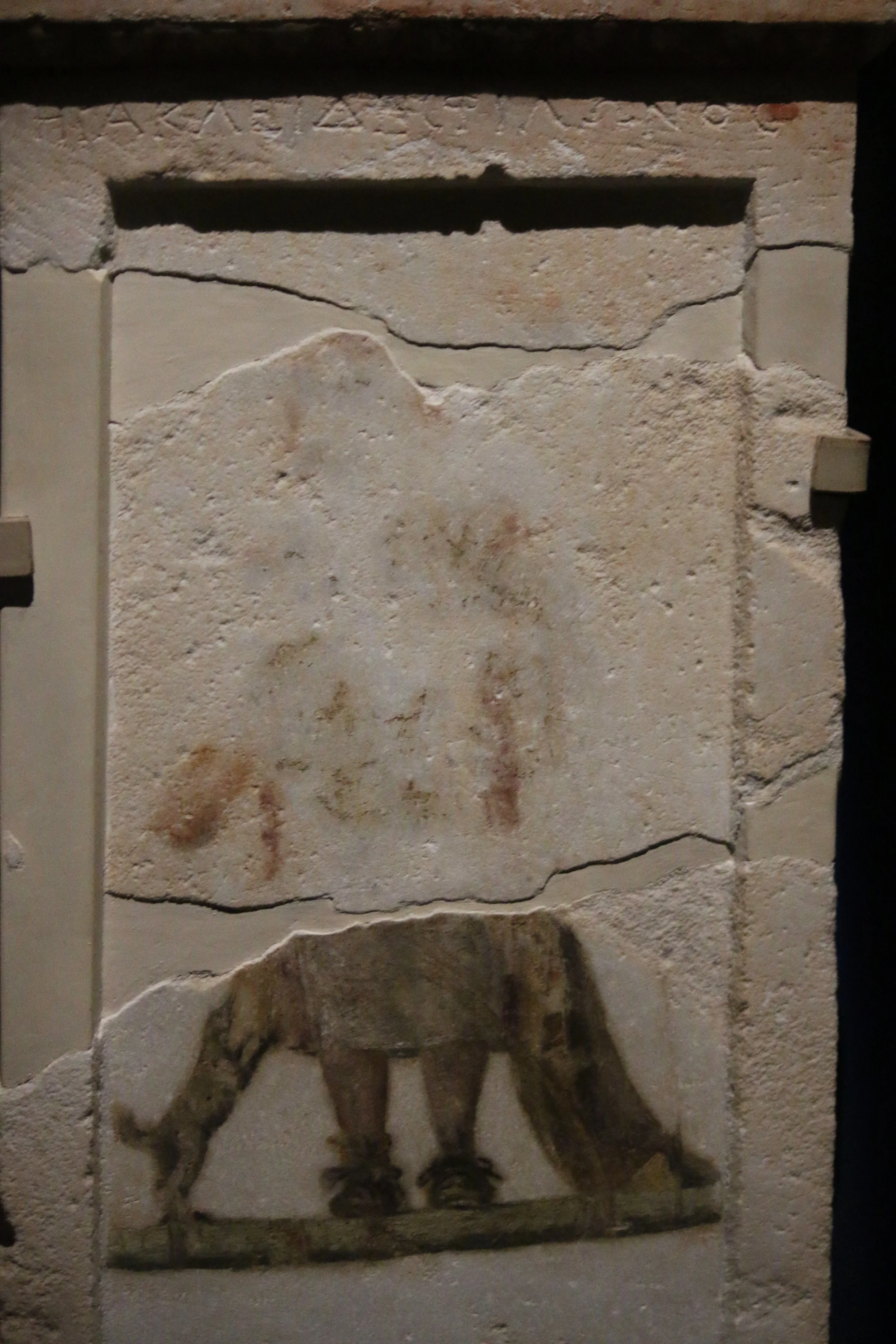
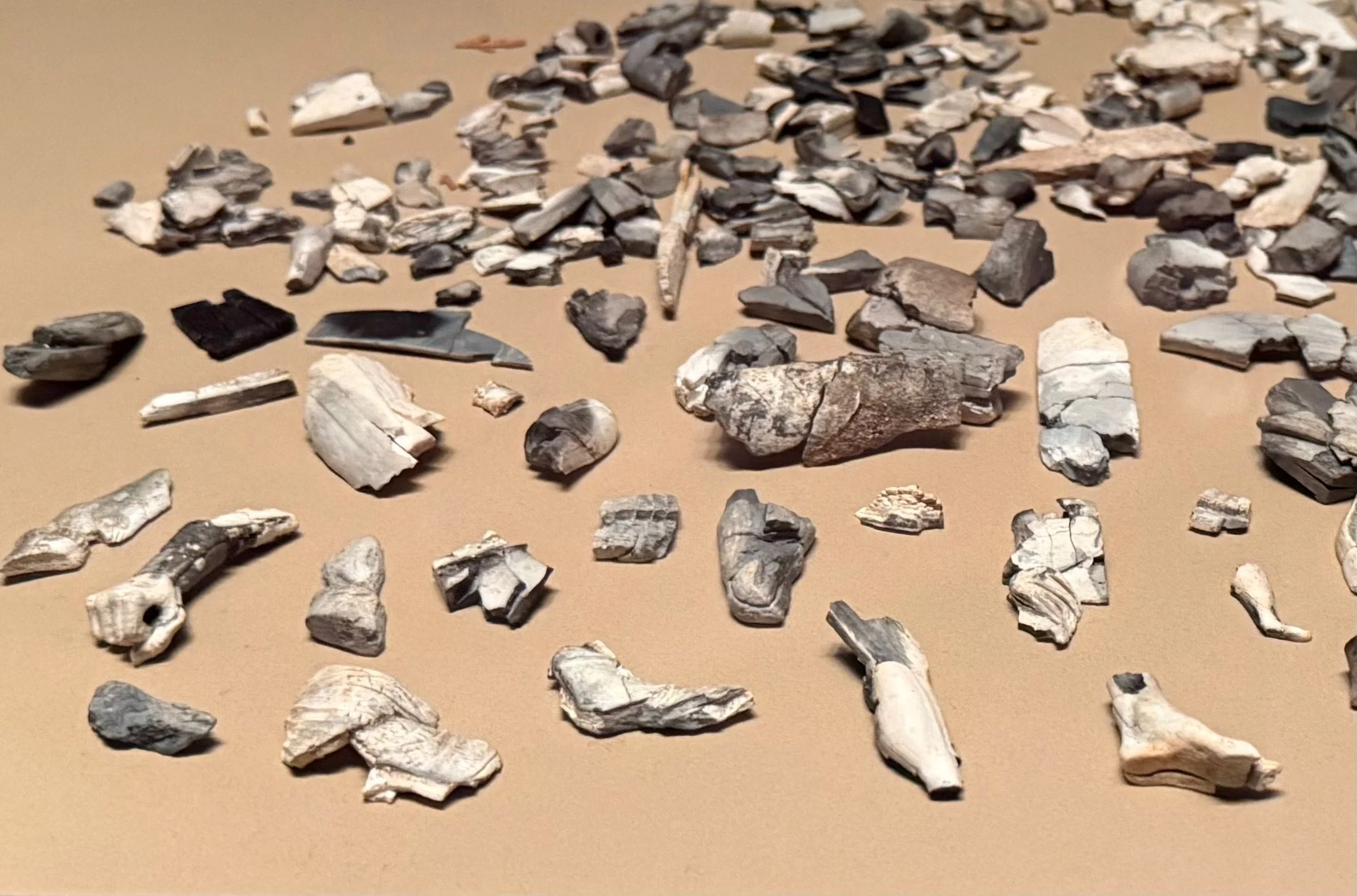
After a lunch under the trees, we headed to Aigai, in the region that requires very careful pronunciation: ‘Vergina’. Not really knowing what to expect, this place - a grassy hill that looked quite underwhelming from the outside -hid a vast array of treasures and some fascinating Macedonian history. Marianna invited us to follow her into the ‘underworld’ and ushered us into the darkened underground museum that contained the remains of the tombs of King Phillip II (or as Marianna would say: Kink Phillip II) who was the father of Alexander the Great! The tombs were discovered in the 1970s and because they had been underground for so long, remain colourful. Loads of golden artefacts, including fabric of golden thread, and miniature, intricate metal sculptures were also discovered in the tomb. This story reads like a soap opera and has all the elements to keep you on the edge of your seat. Do yourself a favour and look it up.
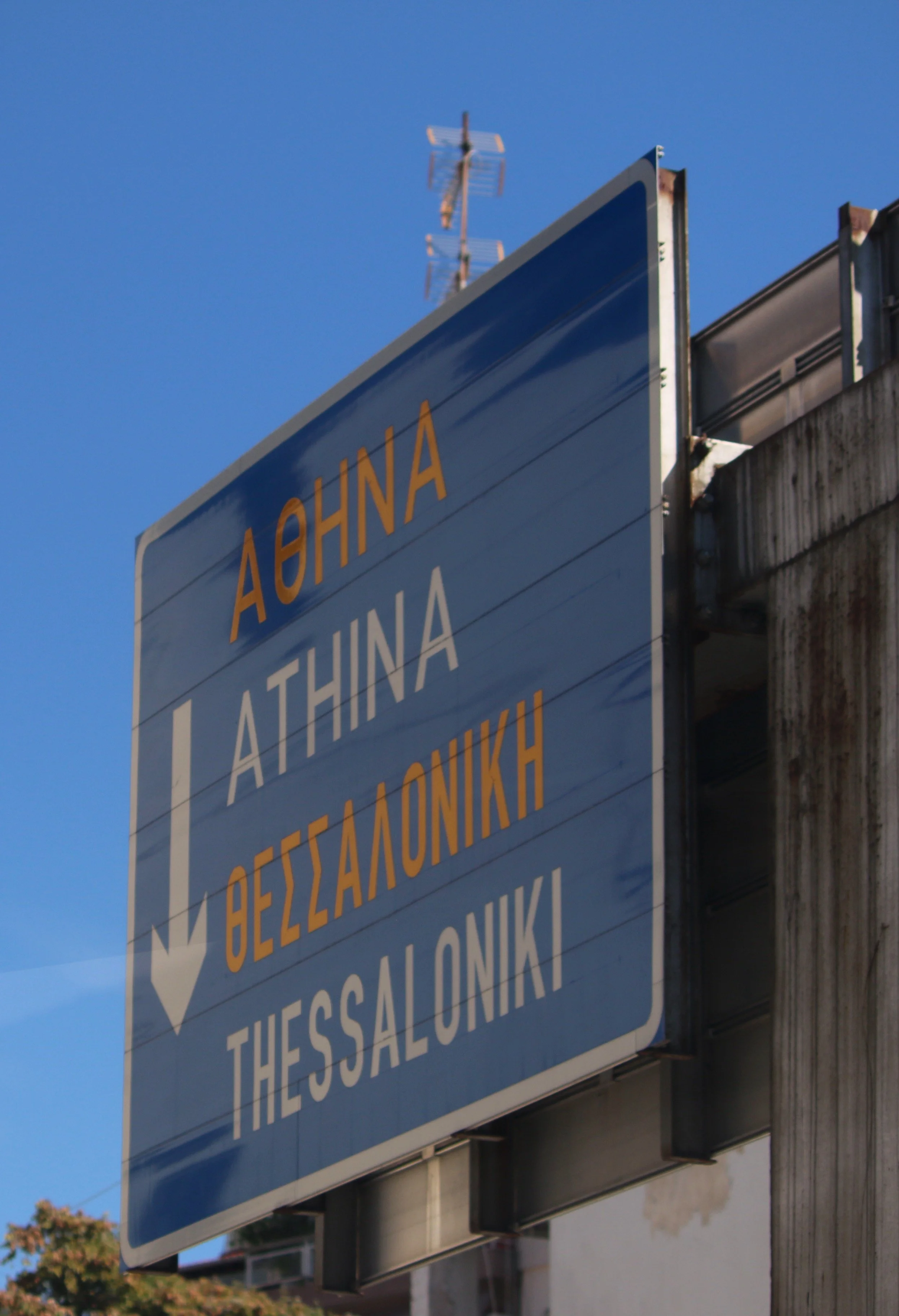
A long bus trip to Thessaloniki had most of us dozing this afternoon but we are looking forward to some more exploring tomorrow!