Putting the Emphasis on Ephesus
Getting a bit low on clean undies & socks, Ross & I decided to avail ourselves of the hotel laundry service since we were staying 2 nights in the same hotel. We came back to our room yesterday afternoon to find all our washing ironed and hanging in the wardrobe smelling sweet. There was no invoice but the excitement of having fresh laundry cancelled out any thoughts on how much it would be. Today being our last day in Kuşadasi, Ross went down to settle our bill before coming down to breakfast. He nearly passed out when he got the 3 figure bill for the washing. We think we could have afforded to purchase a small washing machine for the price.
Each time we check-out, we are given explicit instructions regarding what time our bags need to be zipped and outside our door. Ross and I have had it down to a fine art (if we do say so ourselves) This morning the wheels fell off (not from my bag) but I was a bit slow off the mark getting myself sorted. When I finally rolled my bag over the threshold, Ross’ bag had been whisked away, along with everyone else’s. Oh well, I’d just have to wheel it down myself. I brushed my teeth and when I opened the door just a minute or two later, the bag was nowhere in sight! Bag Ninjas strike again.
This has been our favourite hotel of the trip so far and gauging by our farewell, we, it seems, have been their favourite guests. As our capable driver, Tamir, a man of very few words (in English at least) pulled away from the kerb, a little posse of hotel staff stood in line waving at us and lifting a giant sign that read: ‘We’ll miss you!’ Awww. I almost cried.
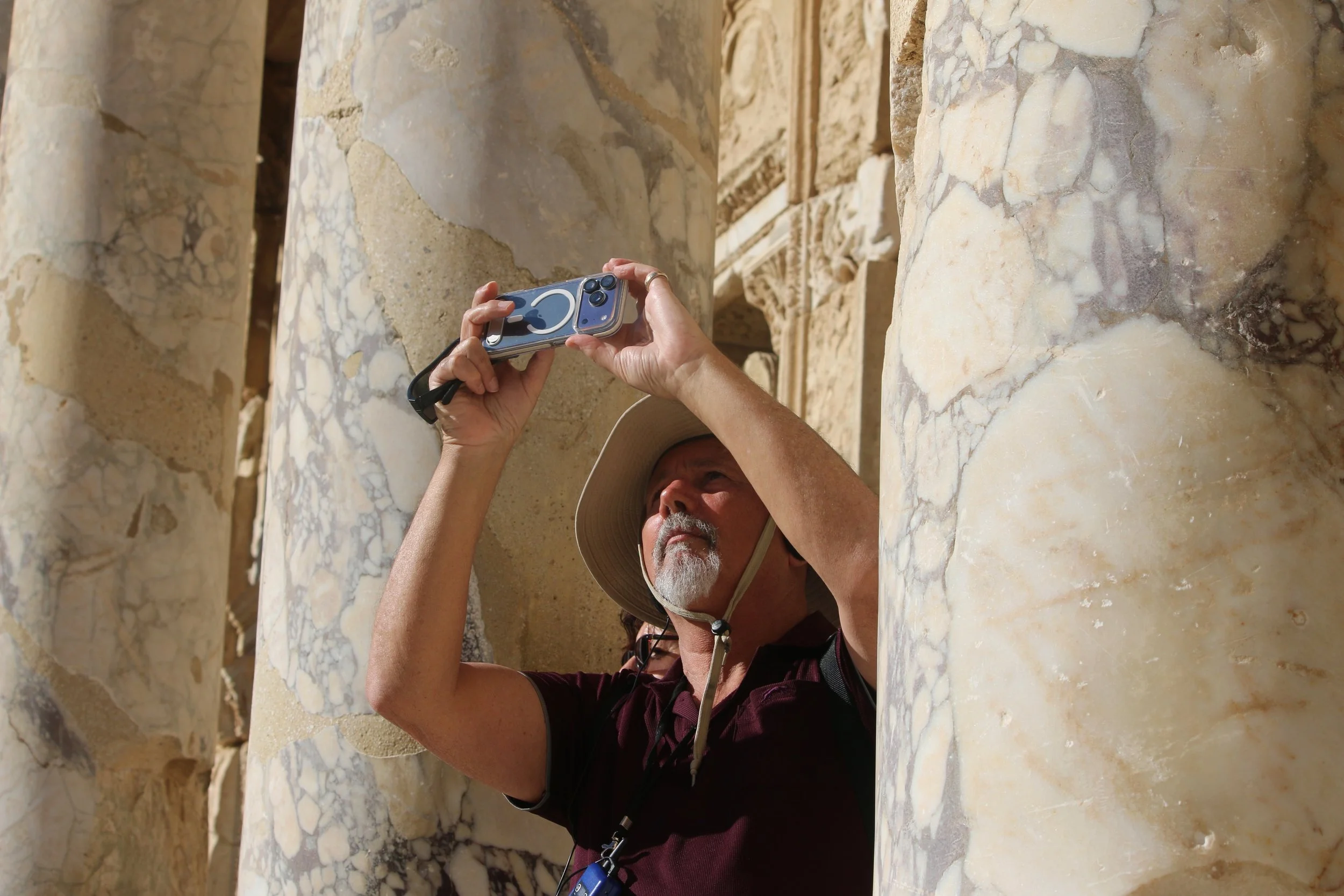
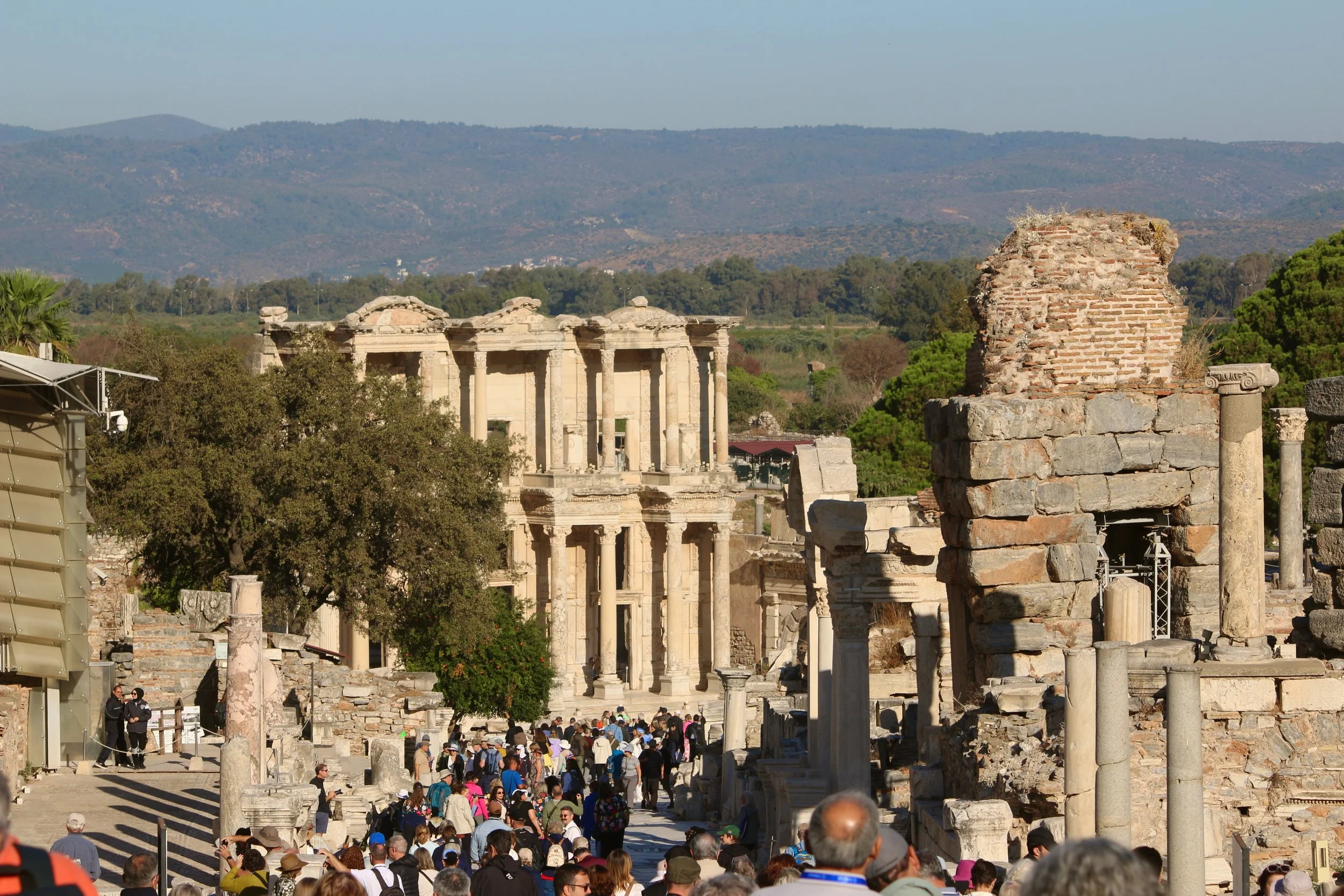
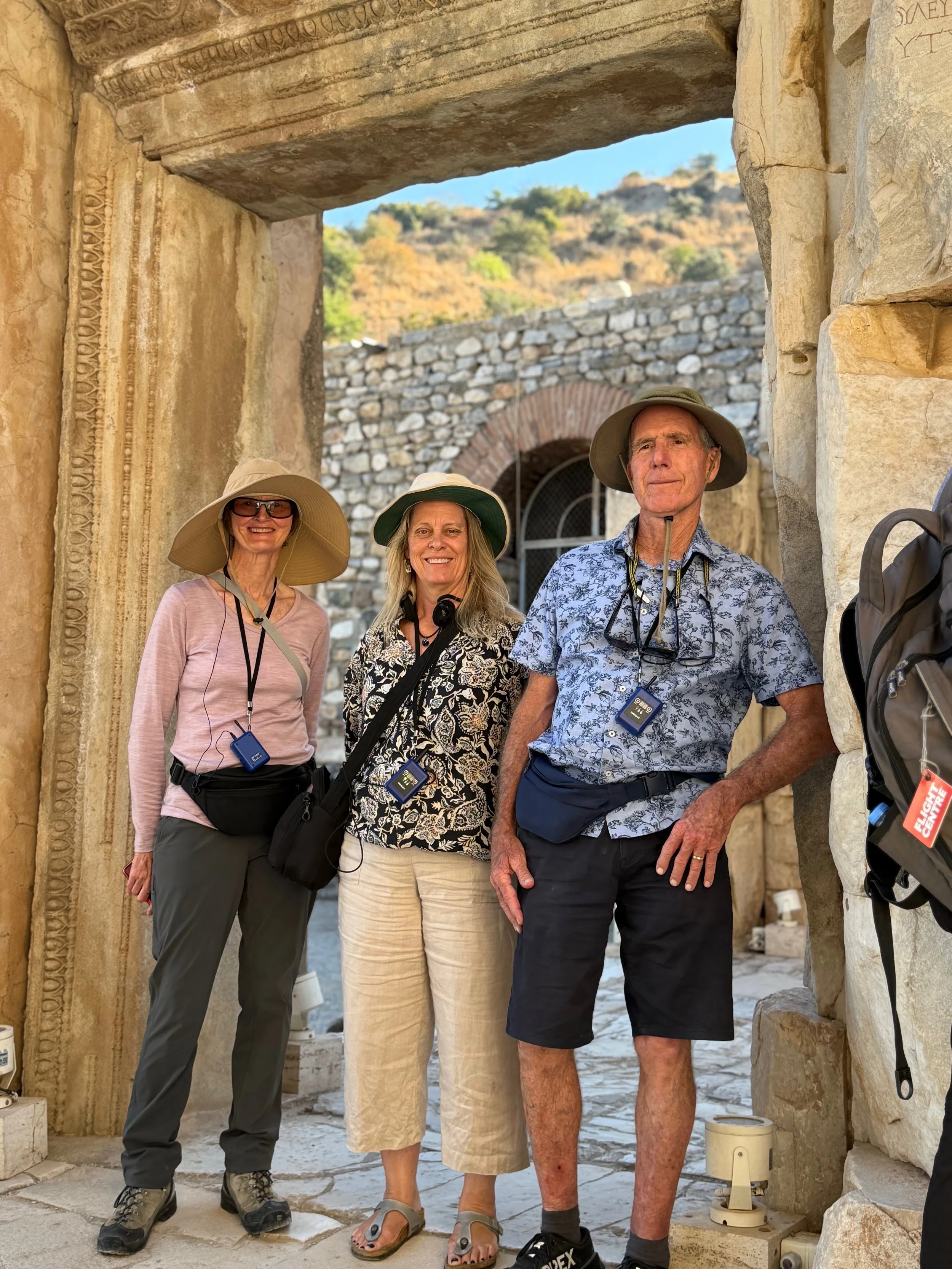
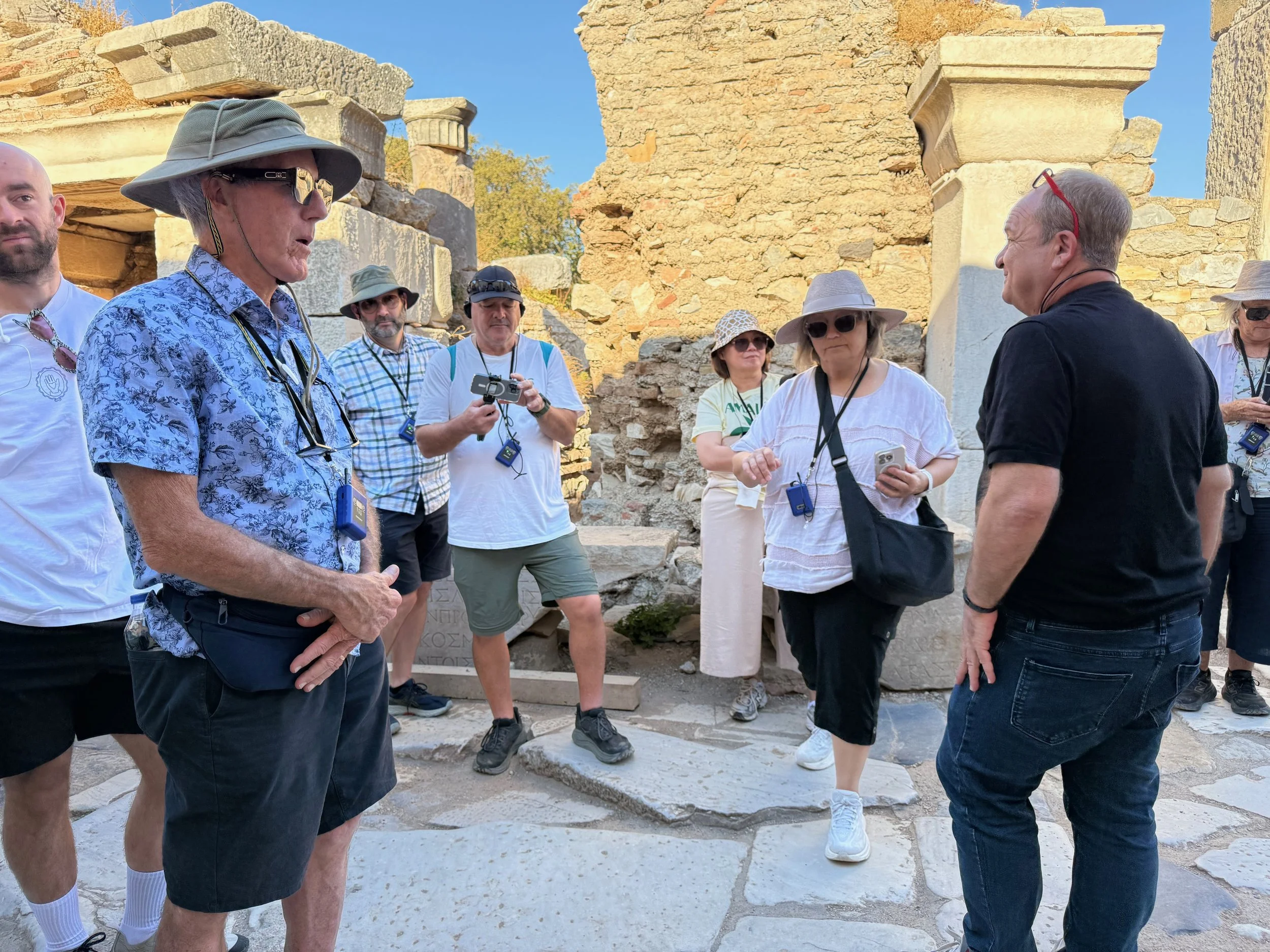
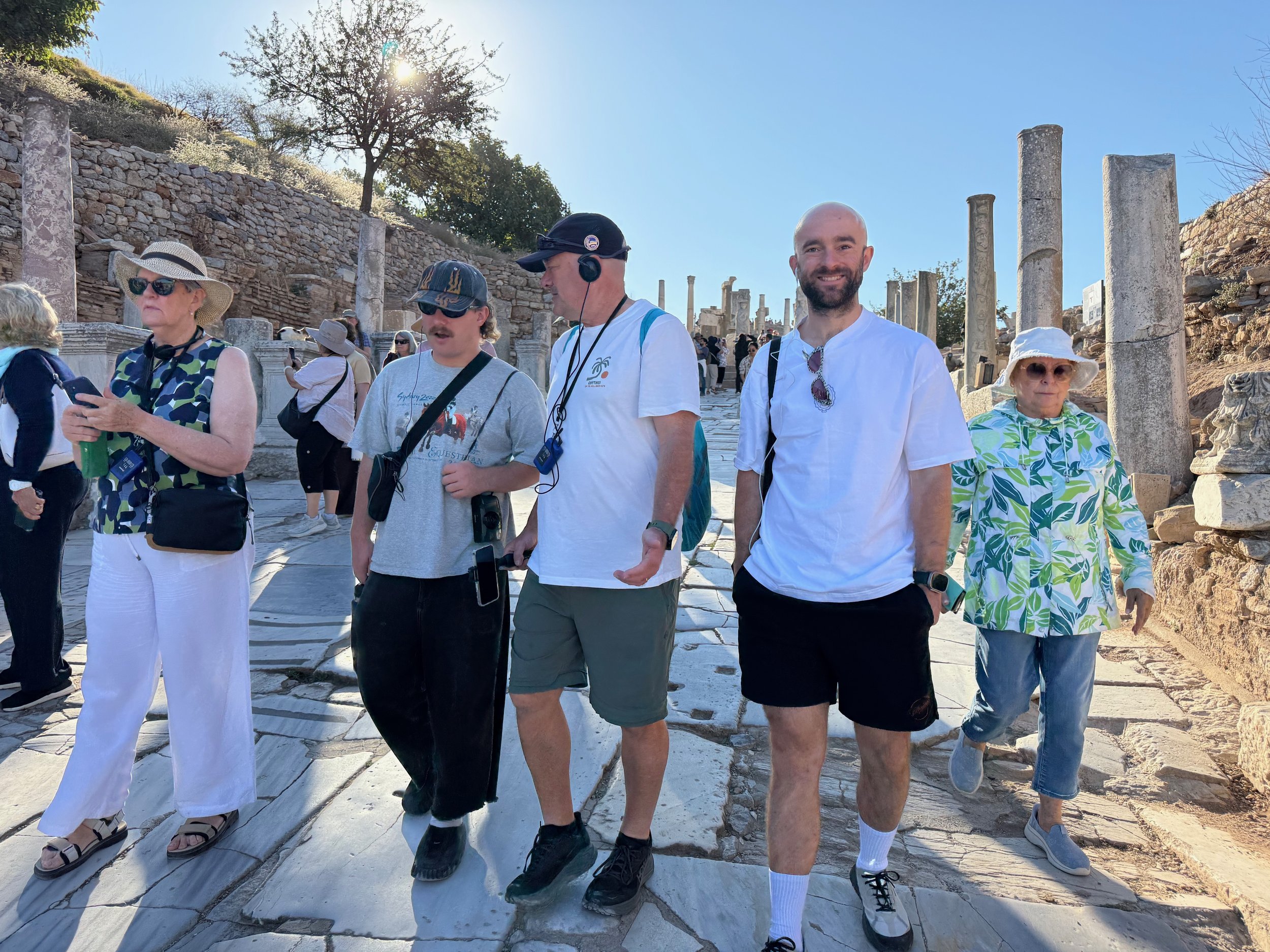
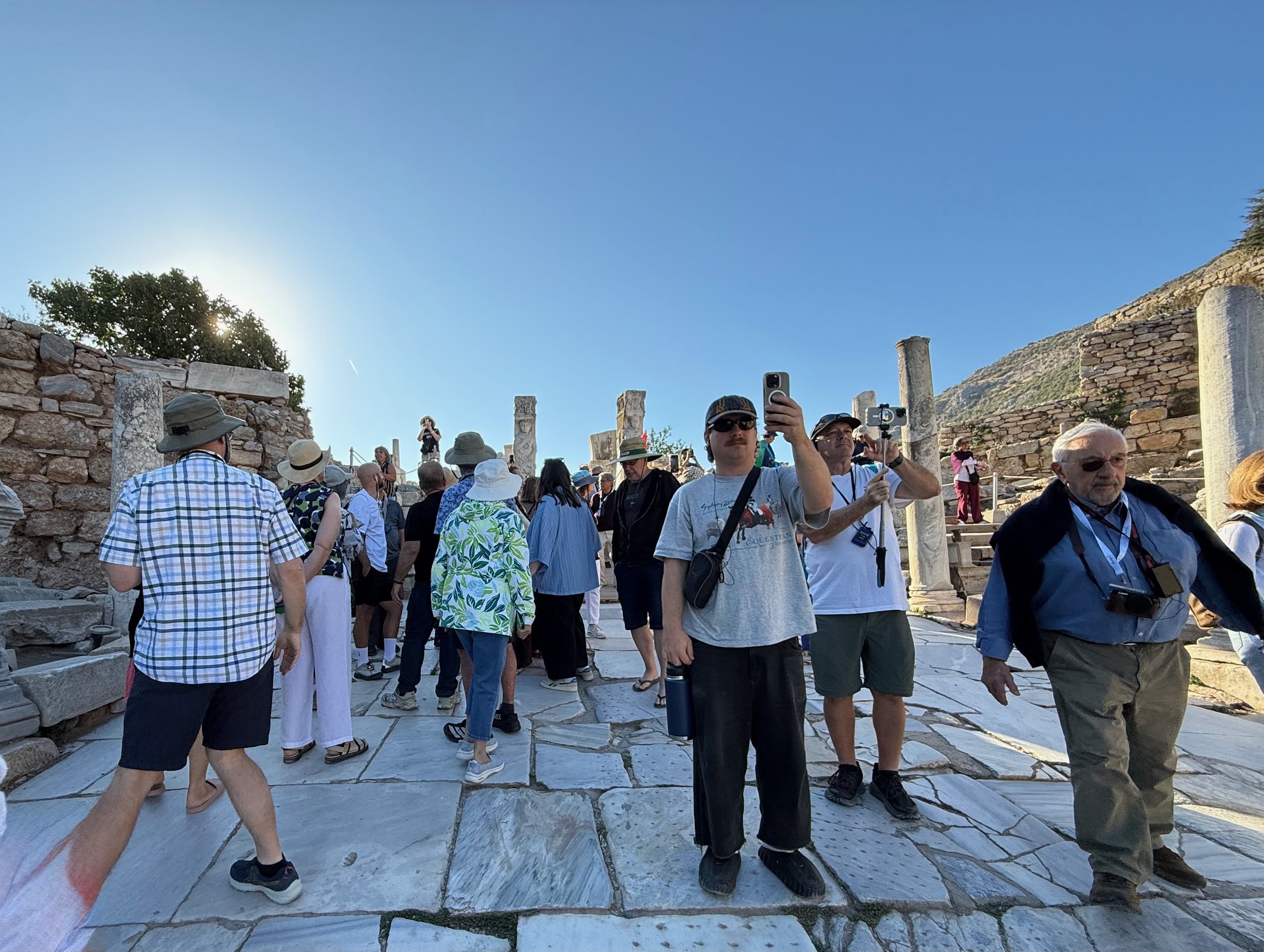
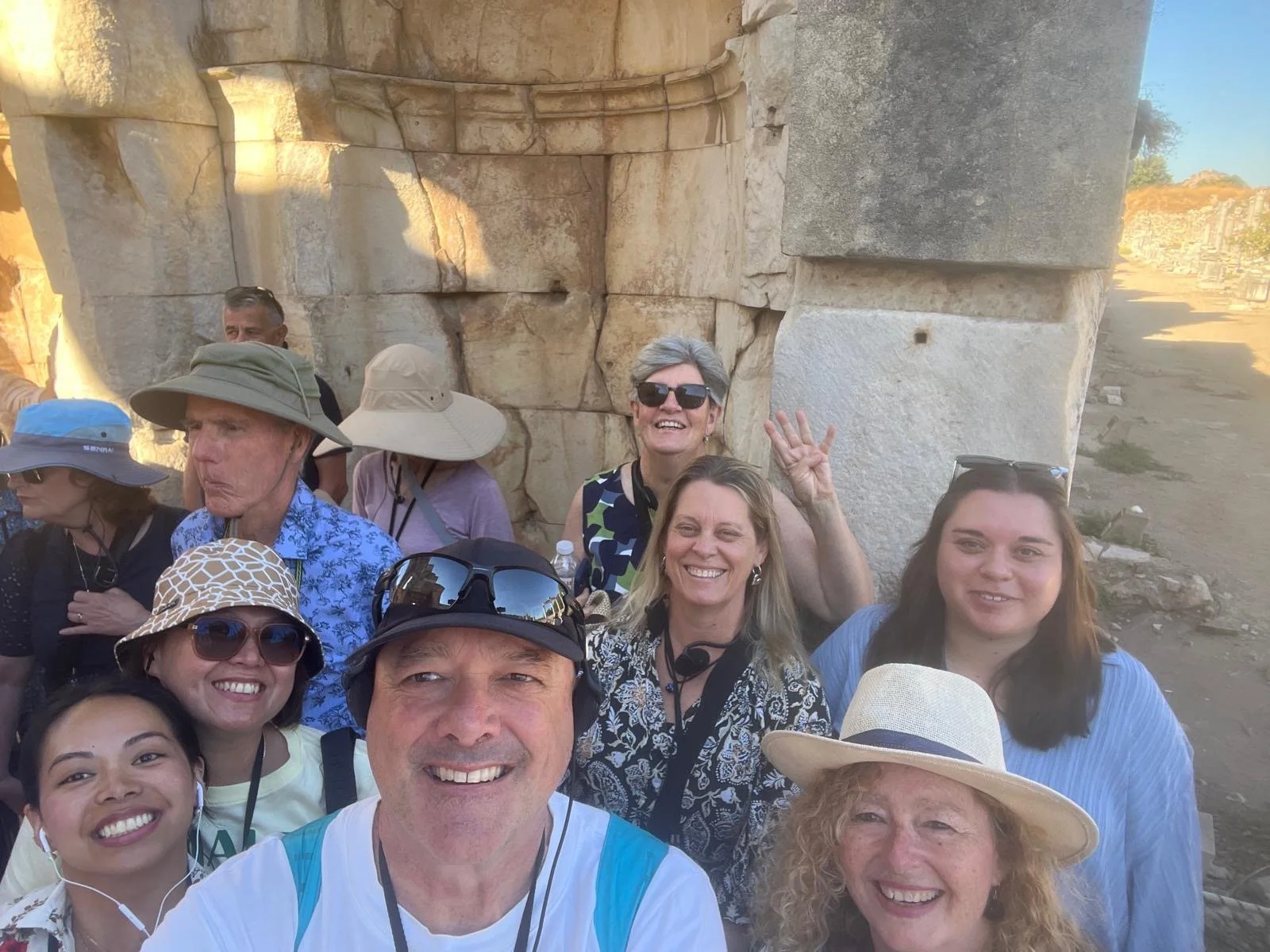
We were excited to be visiting the ancient city of Ephesus today and needed to get there early to beat the crowds. A couple of big cruise ships chock-a-block with ruins-loving, camera-toting holiday-makers were in town. Despite getting there early, we found ourselves surrounded by other tour groups and had to make a conscious effort not to get carried away by someone else’s commentary and drift into the wrong one.
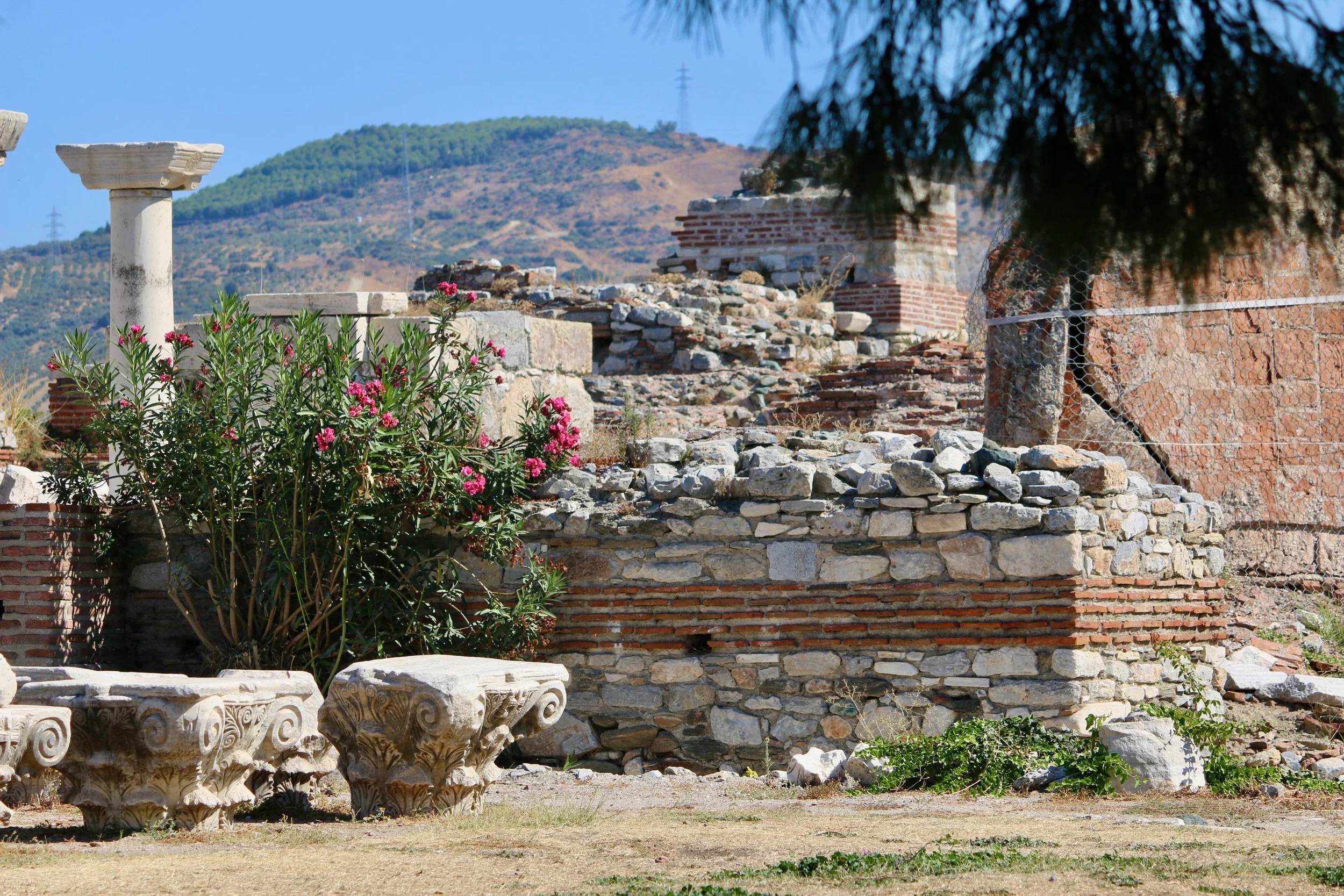
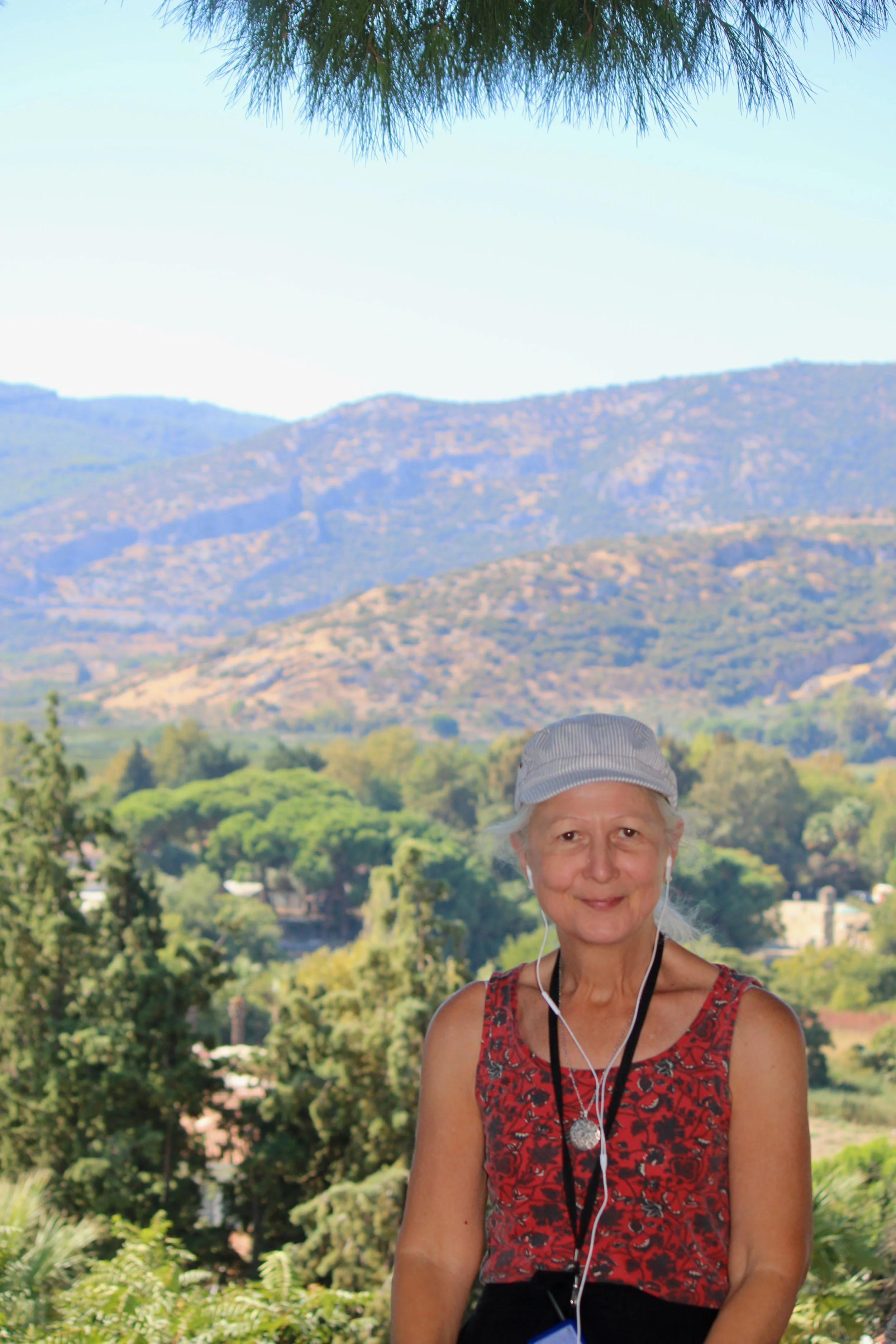
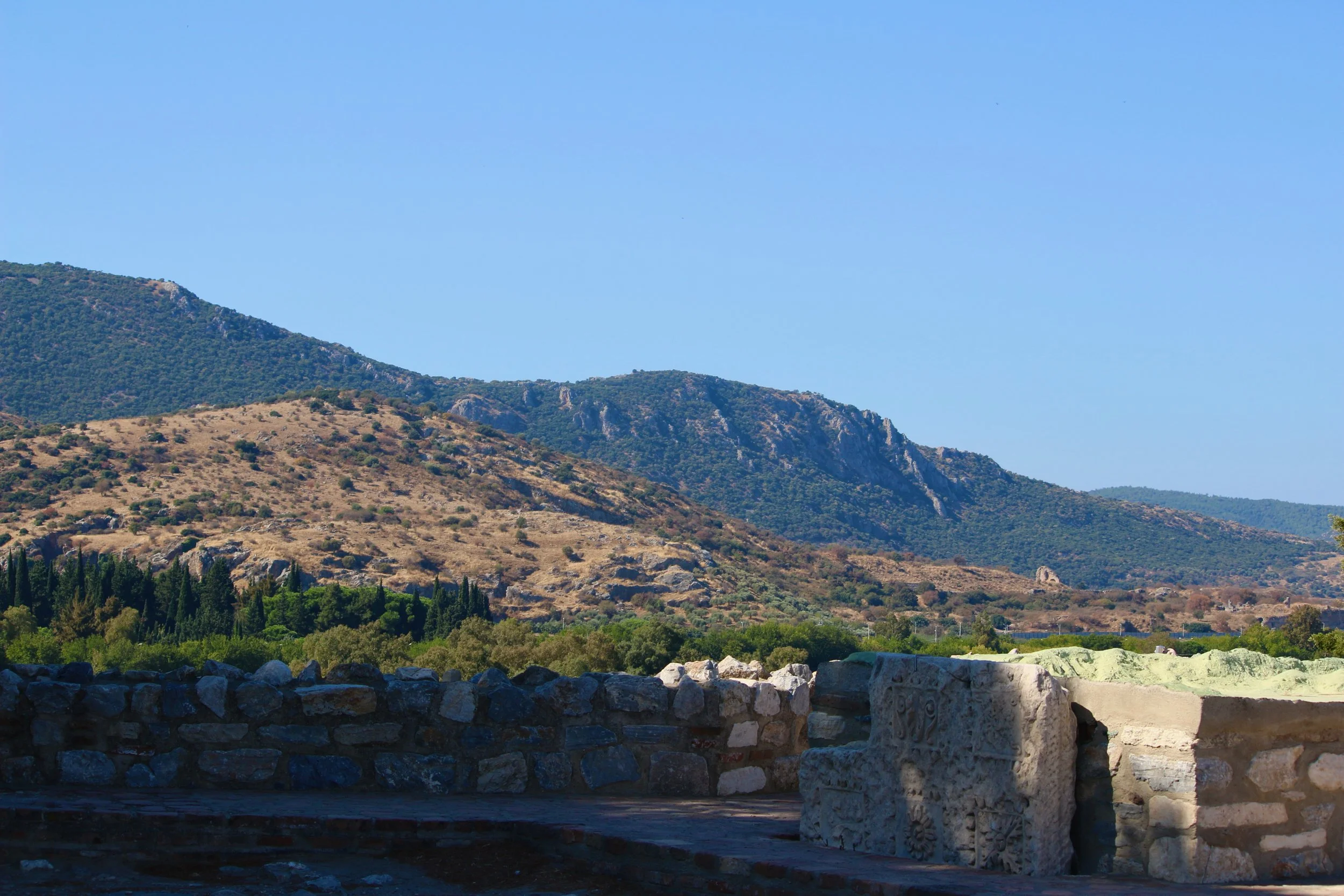
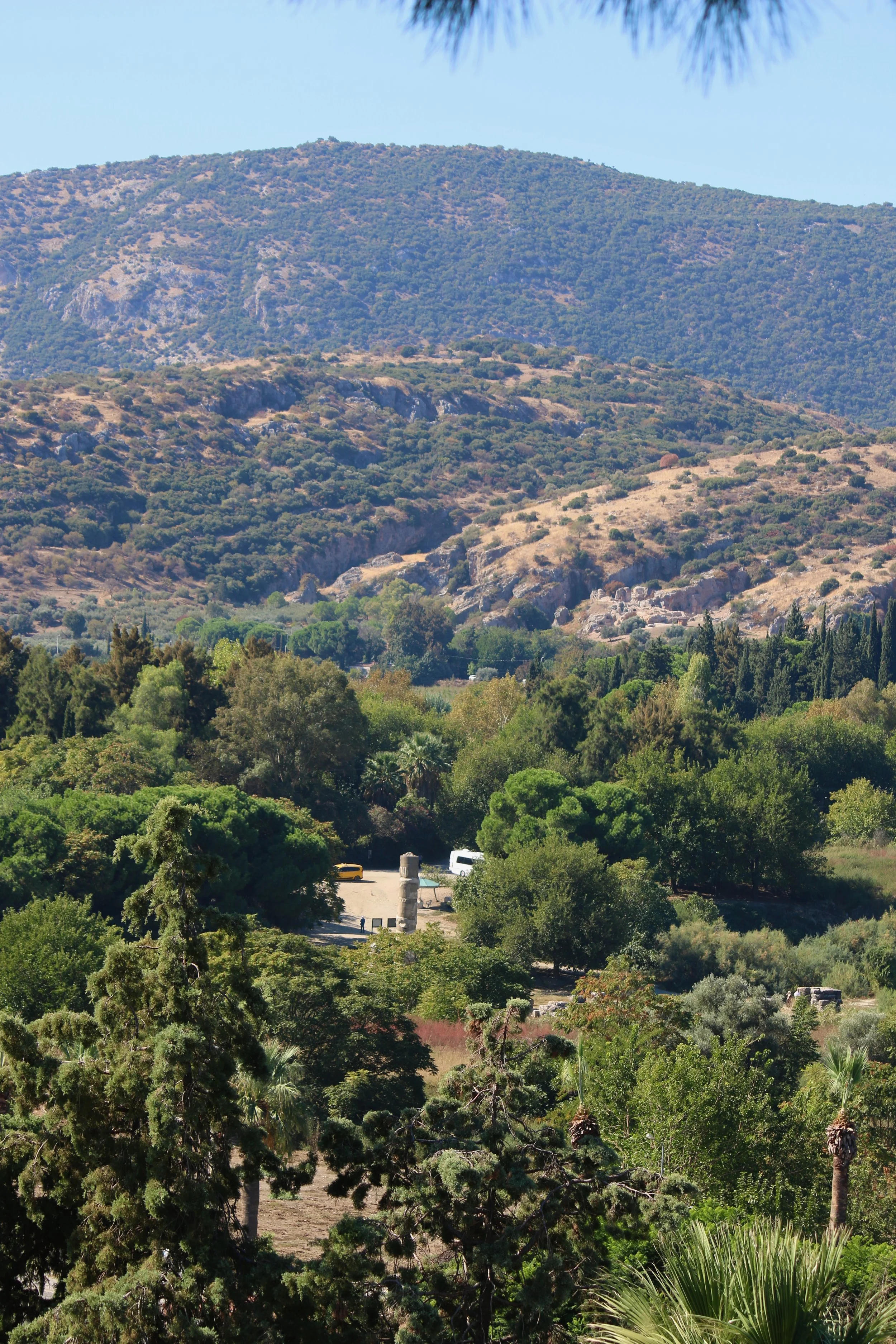
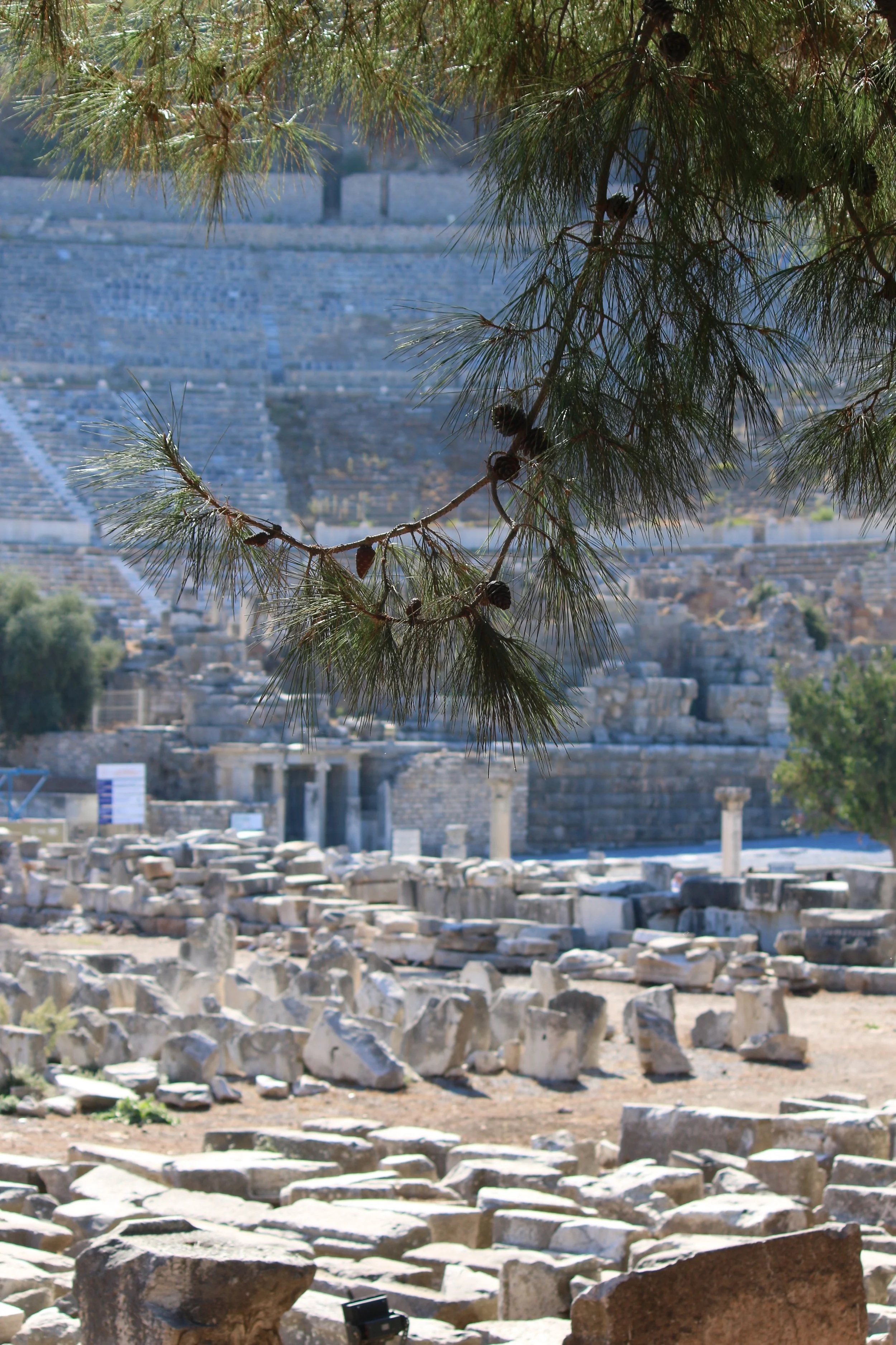
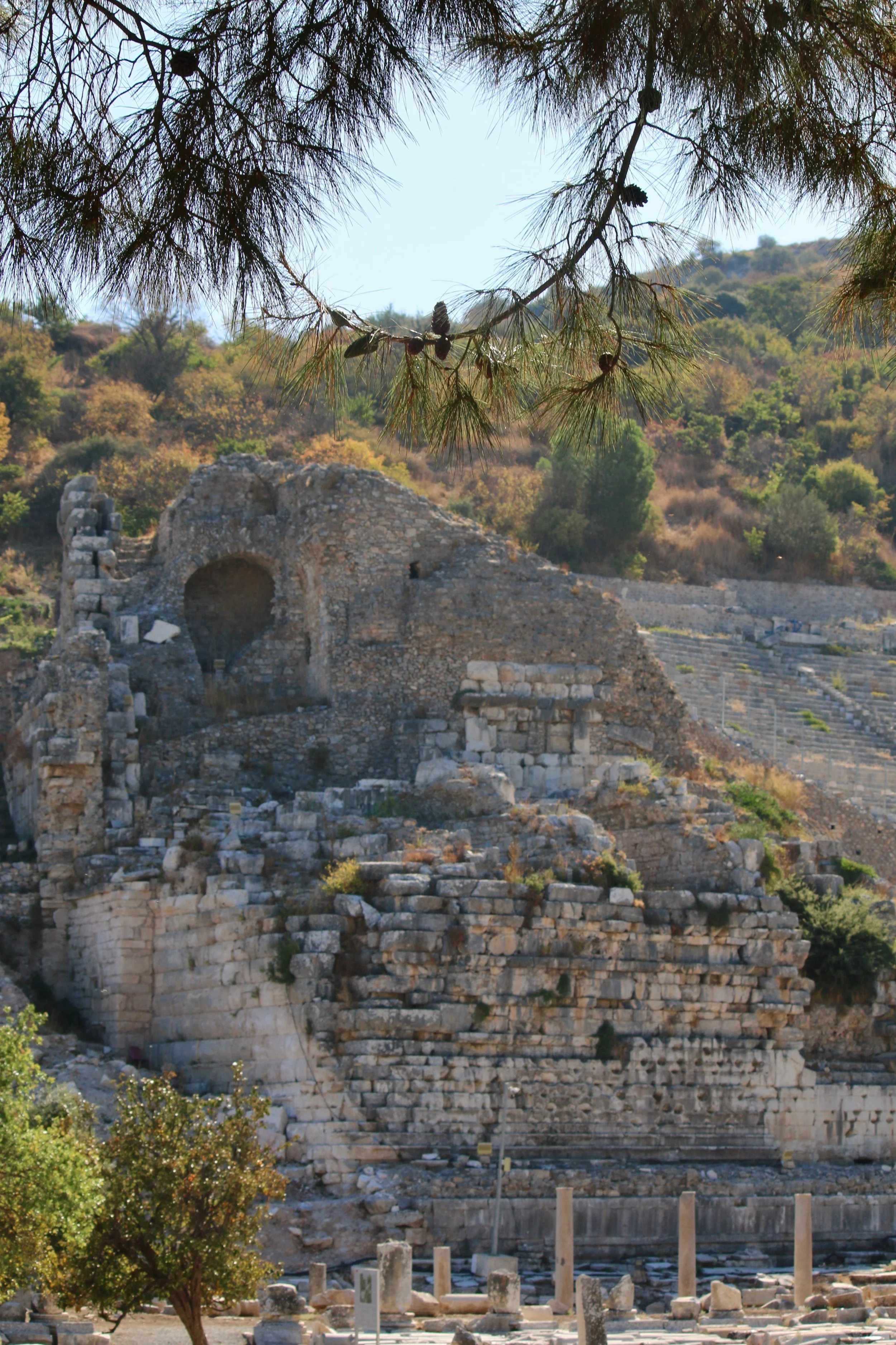
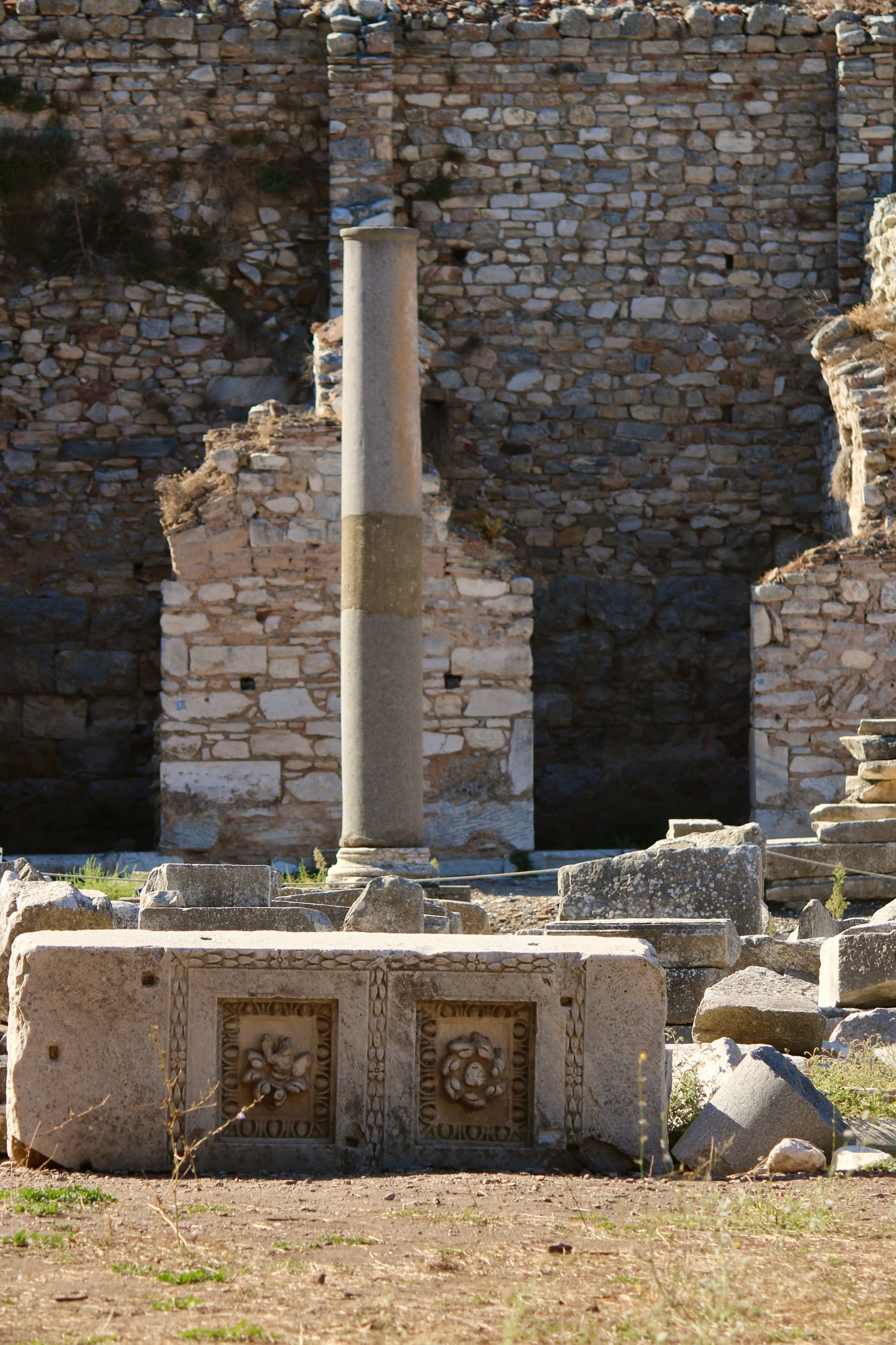
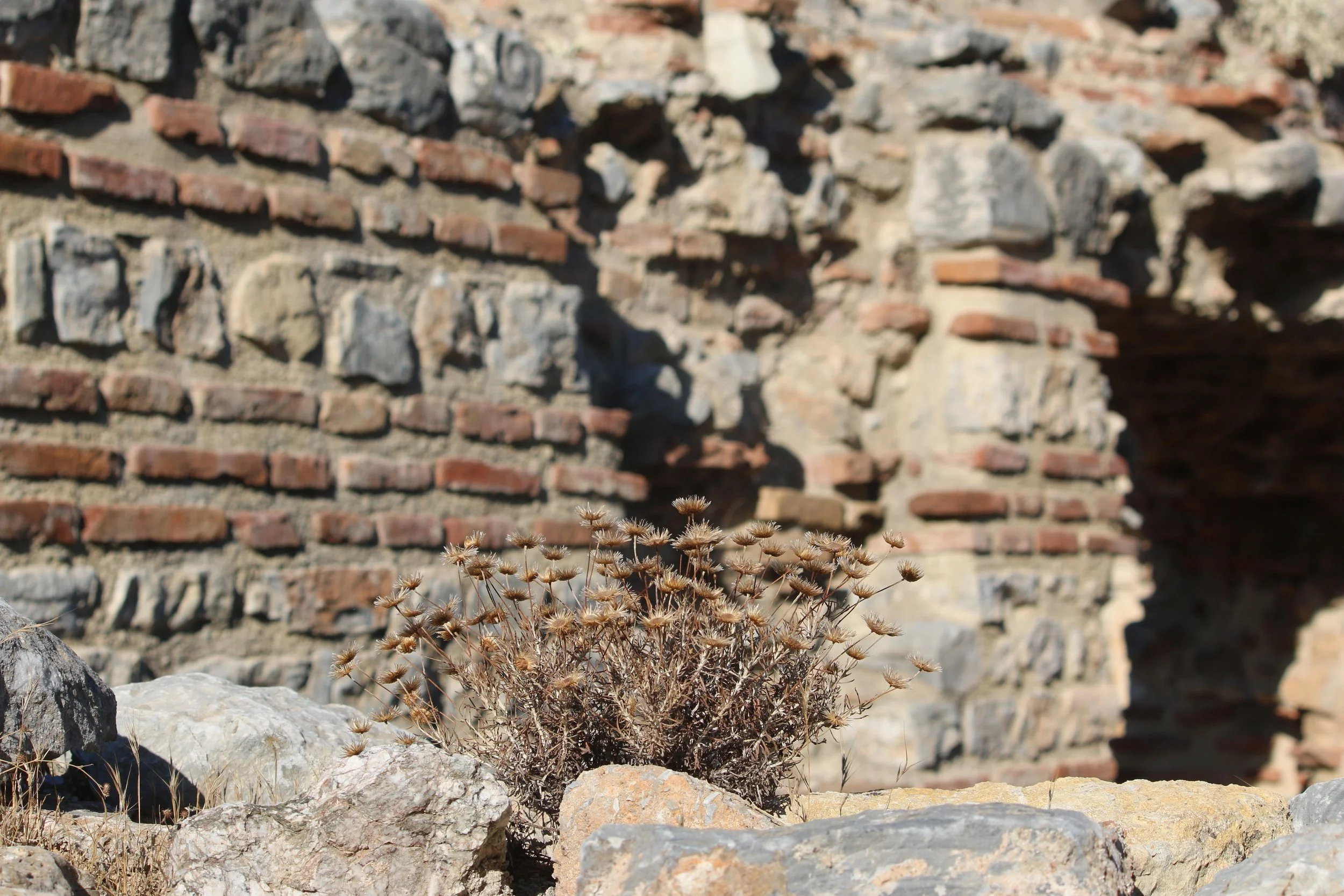
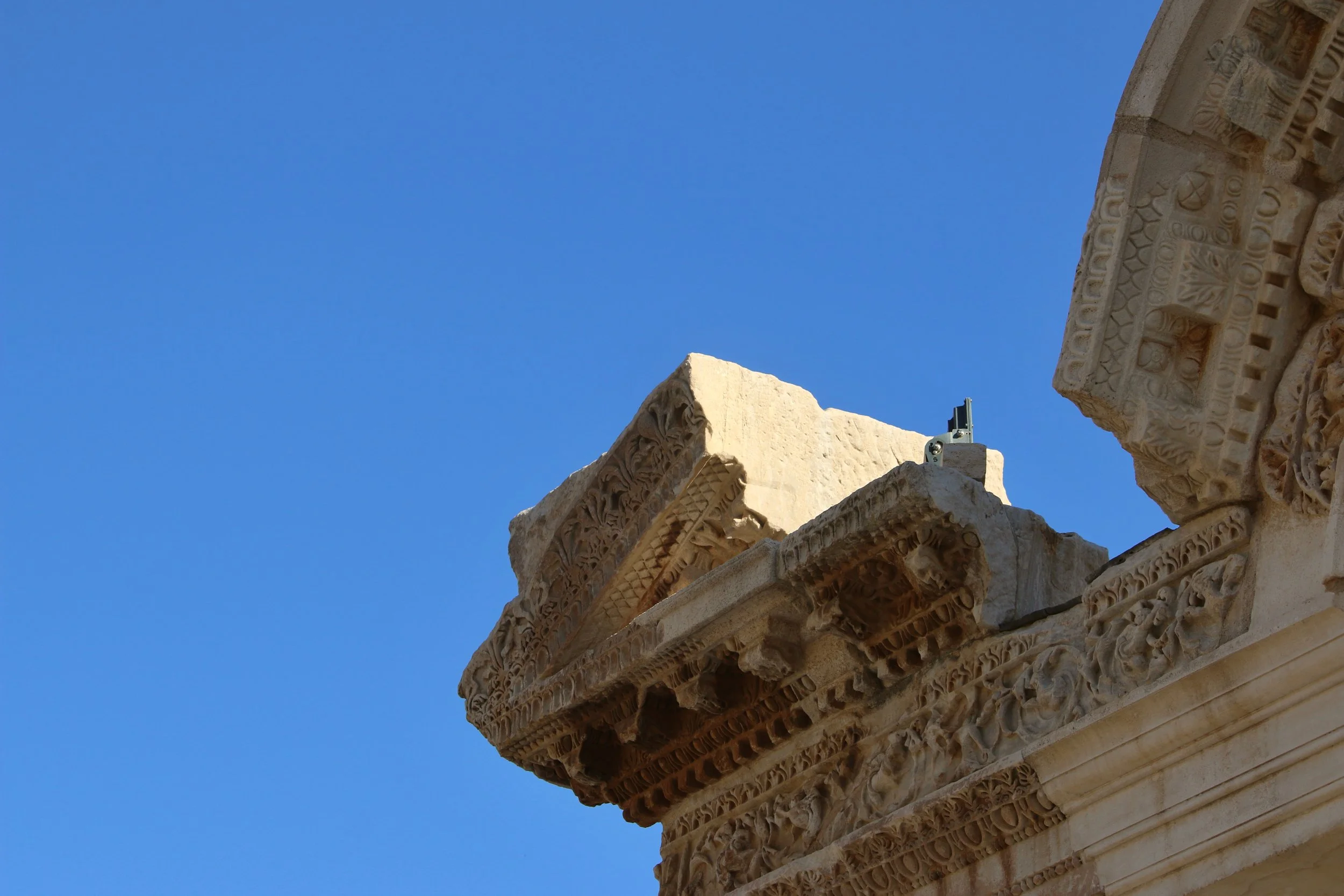
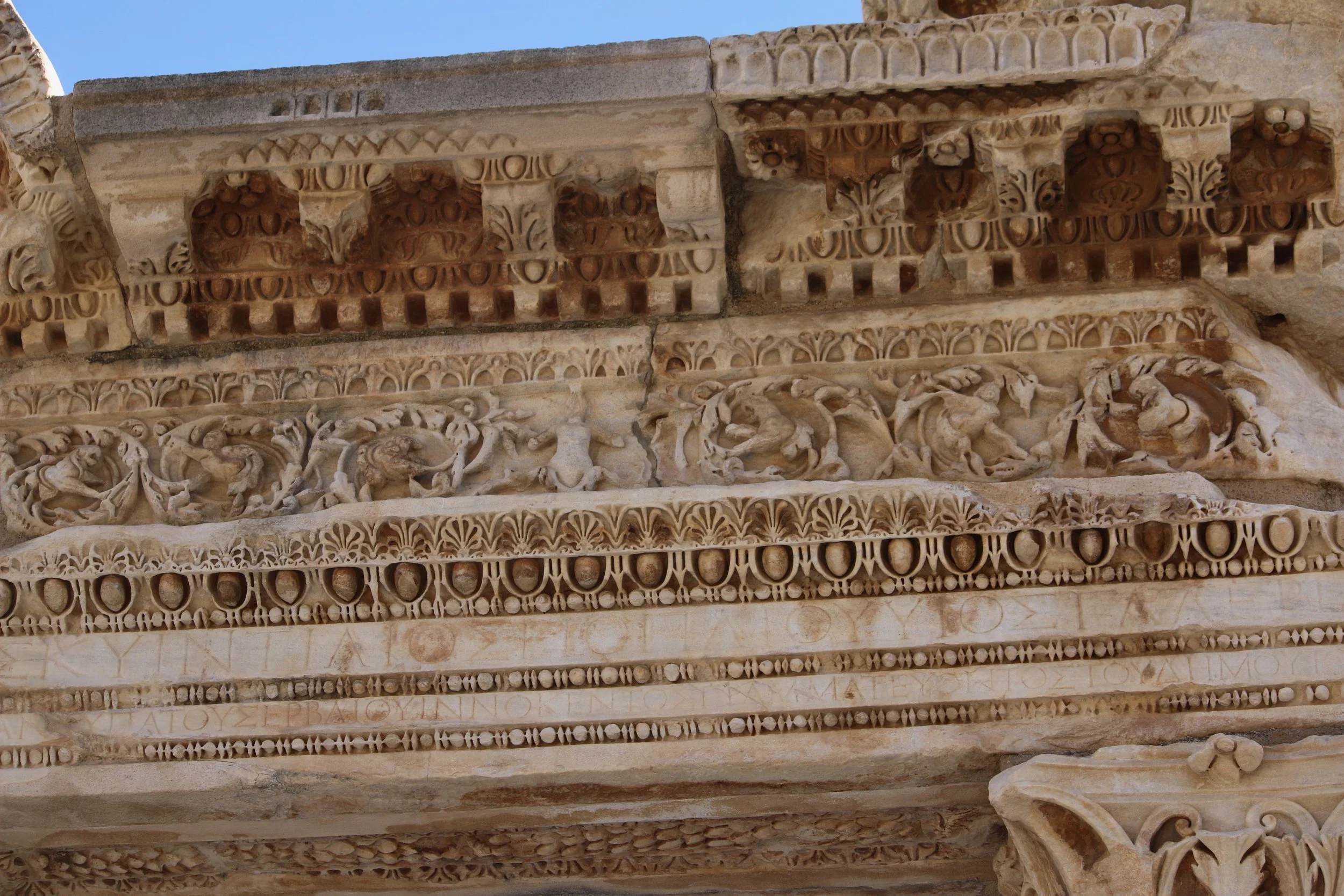
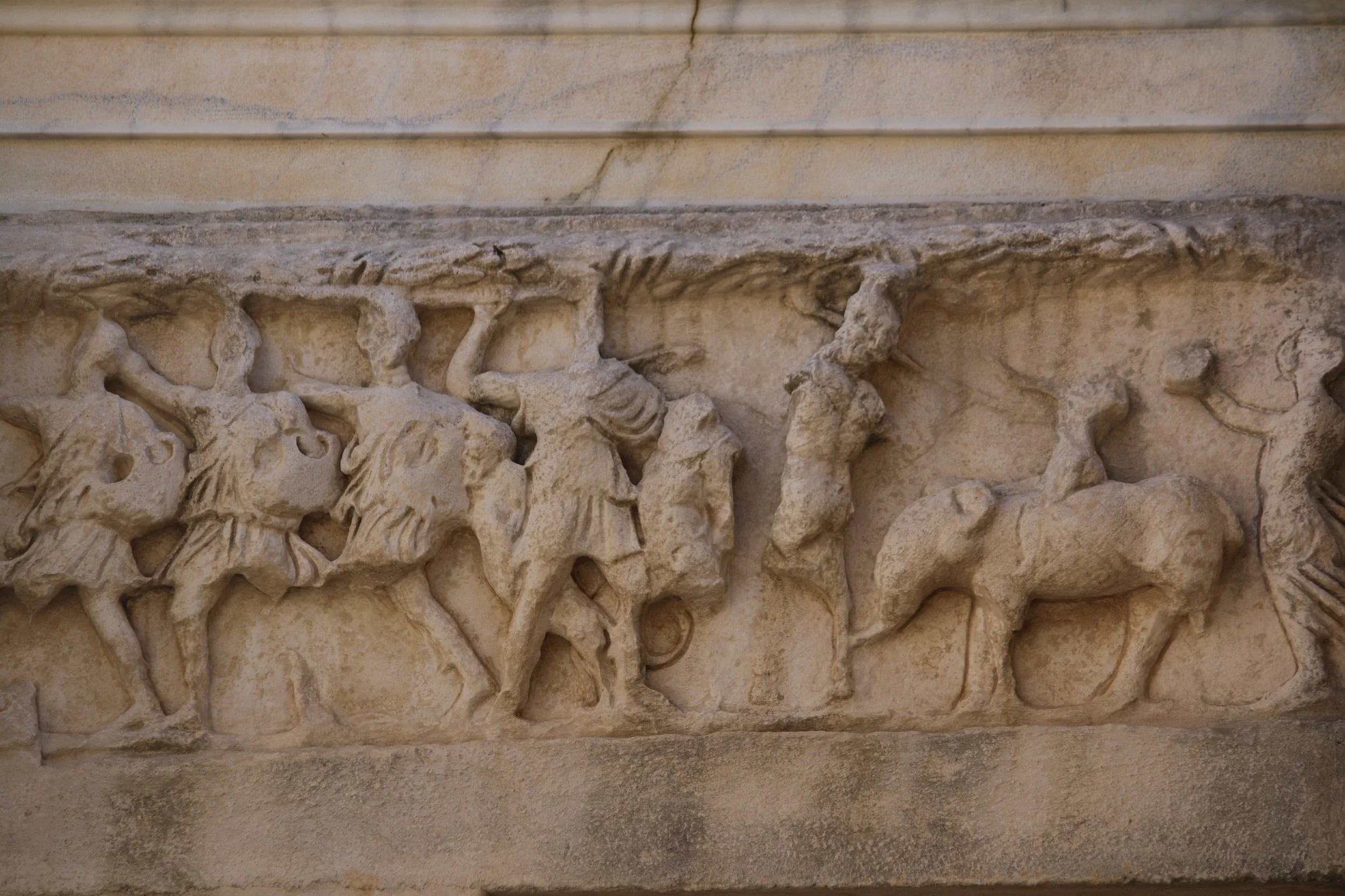
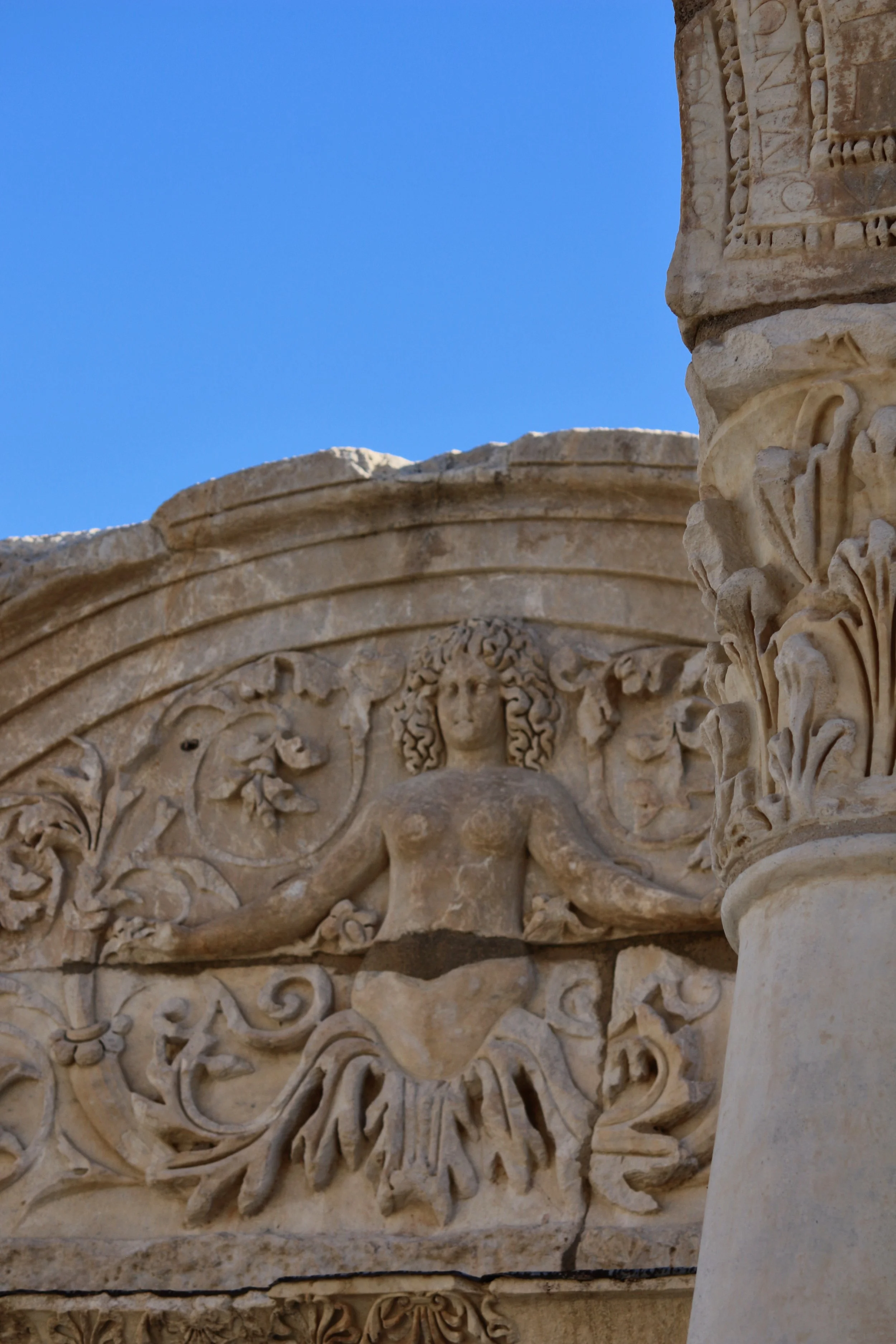
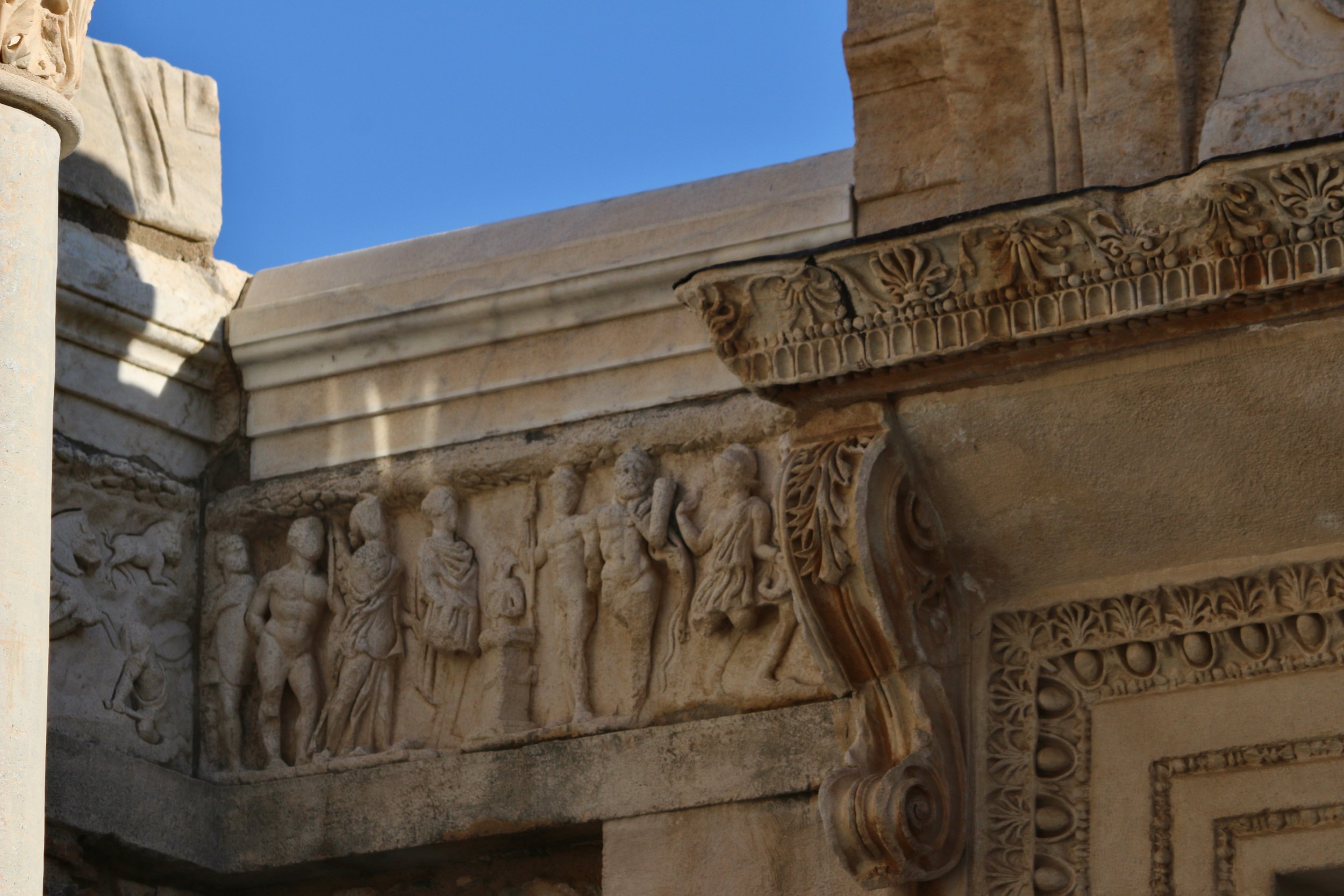
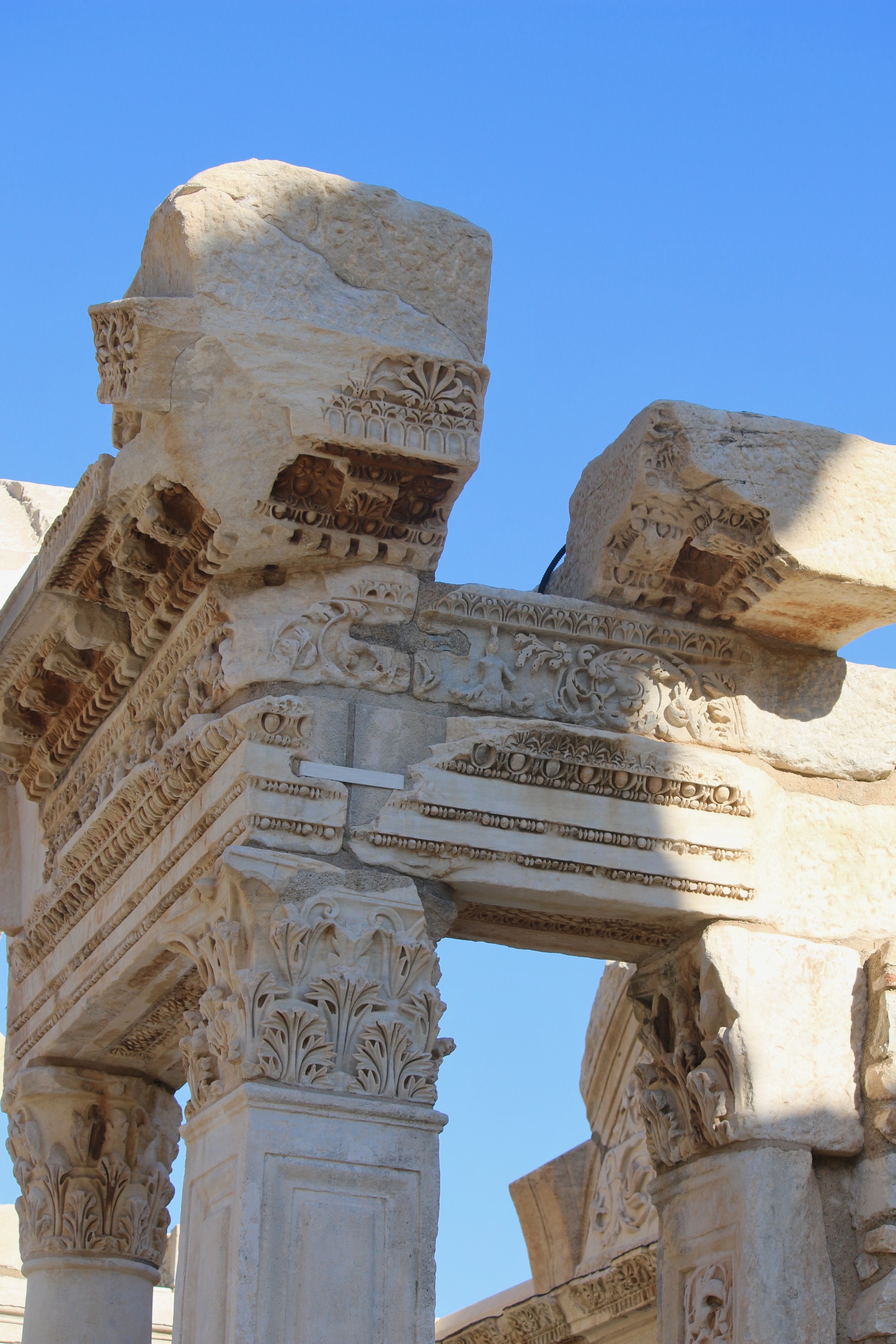
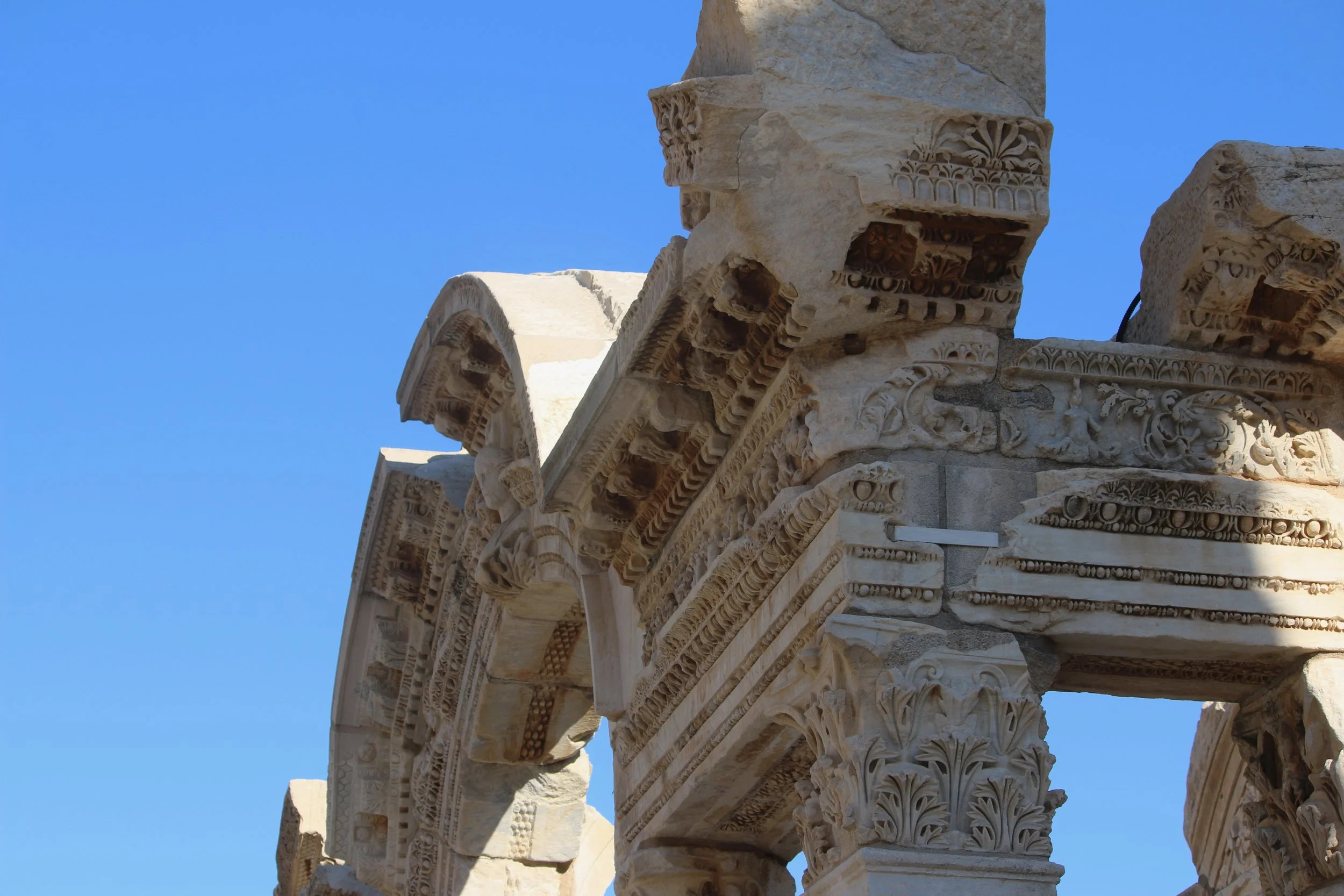
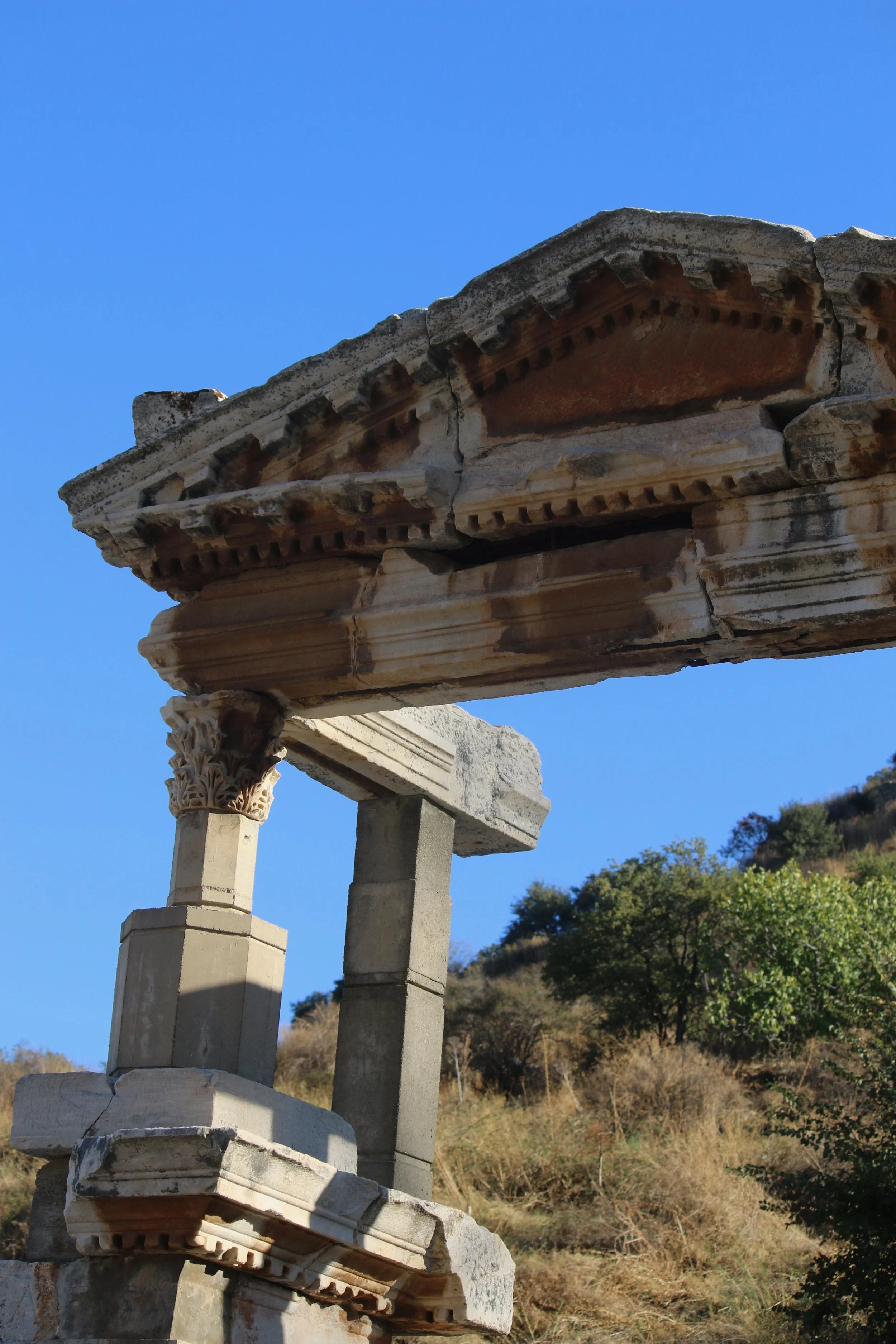
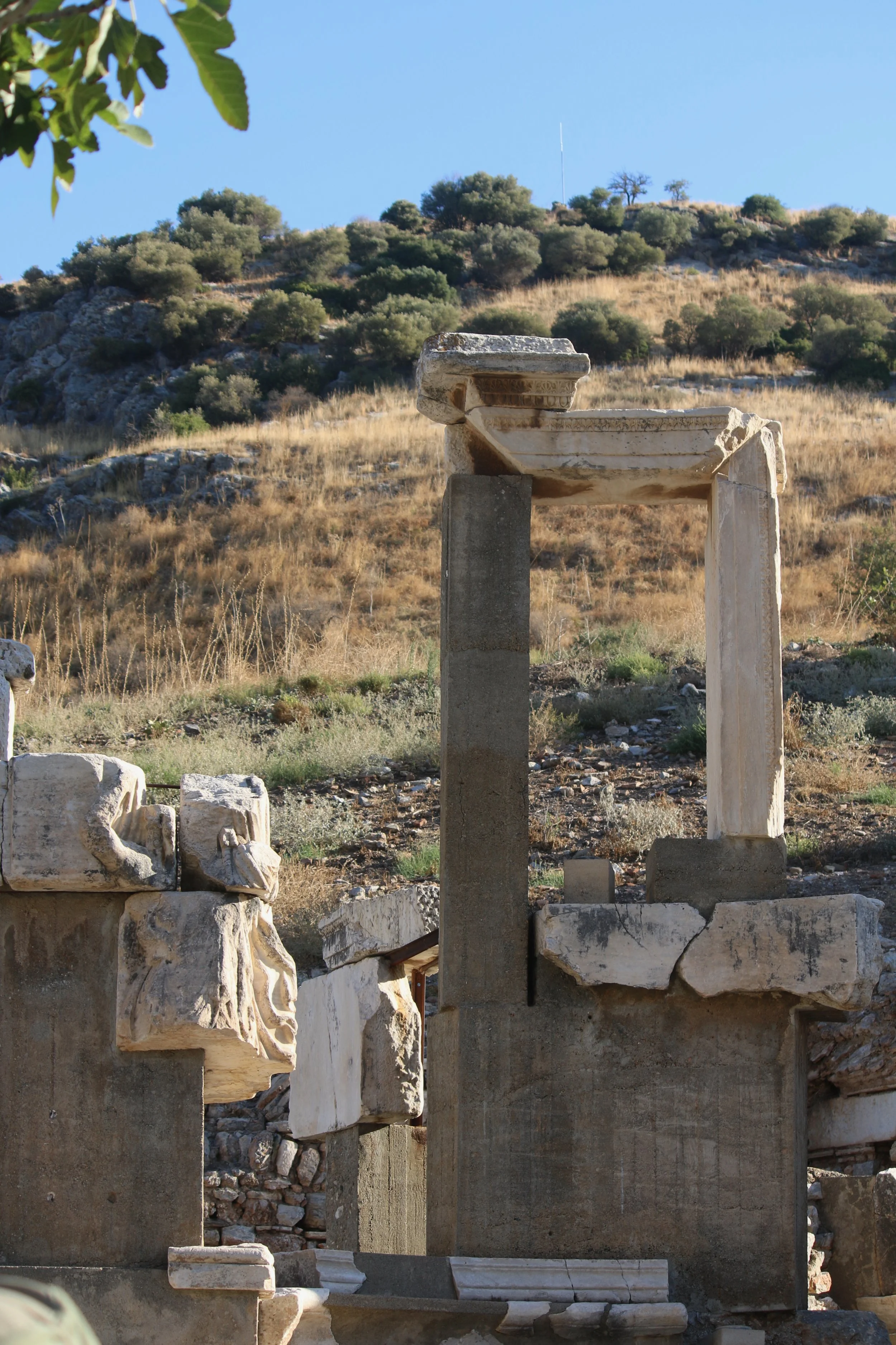
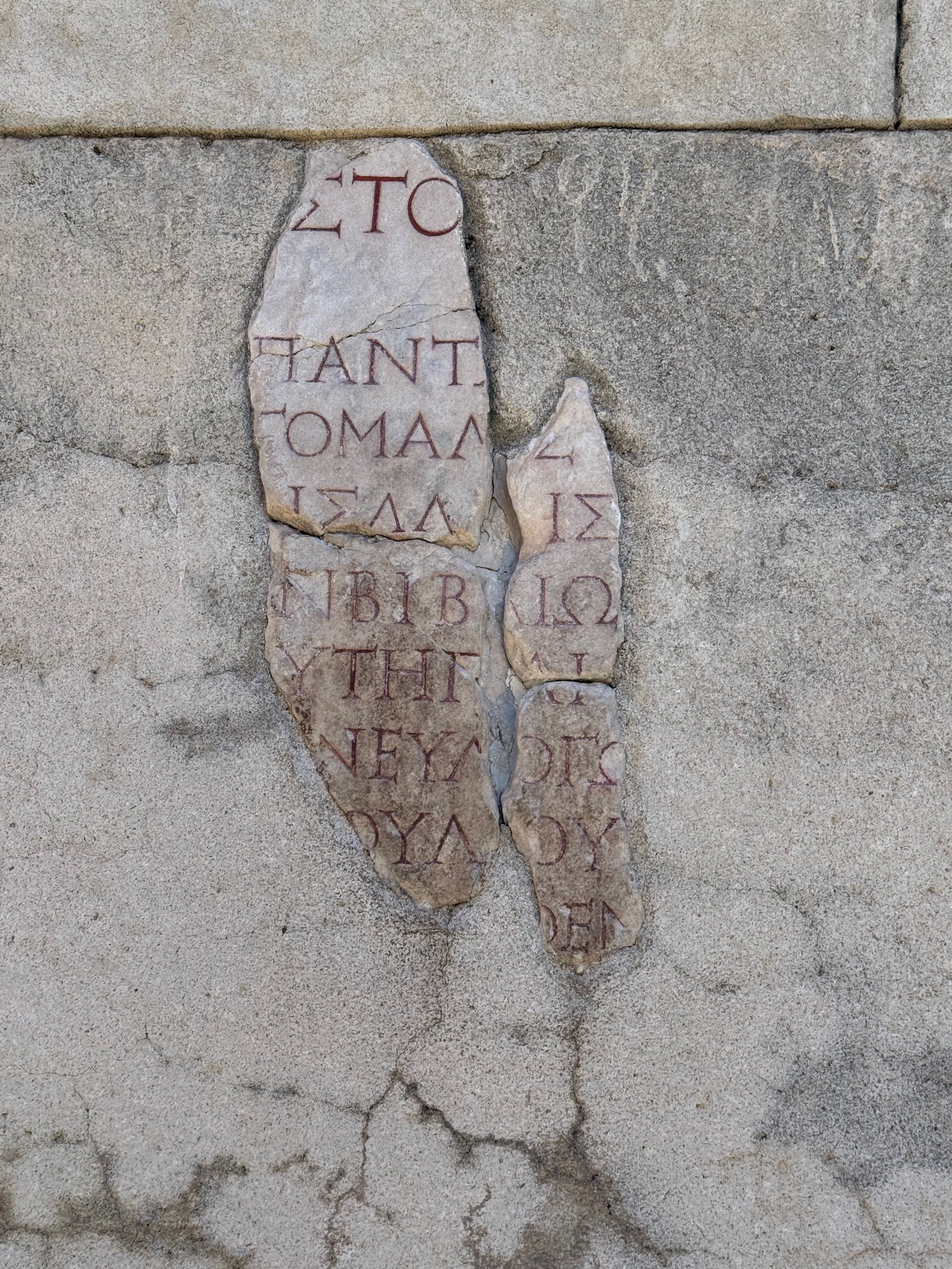
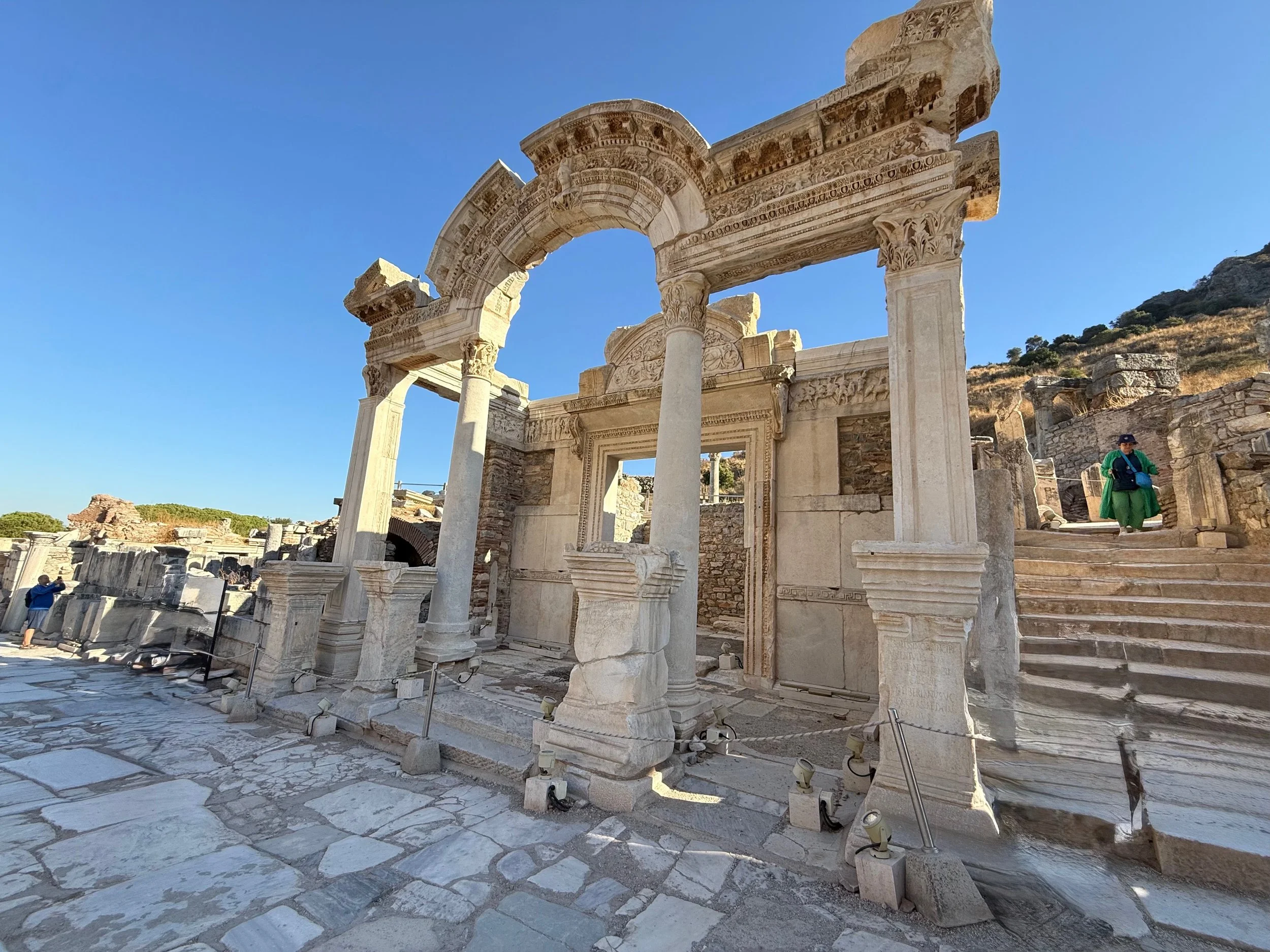
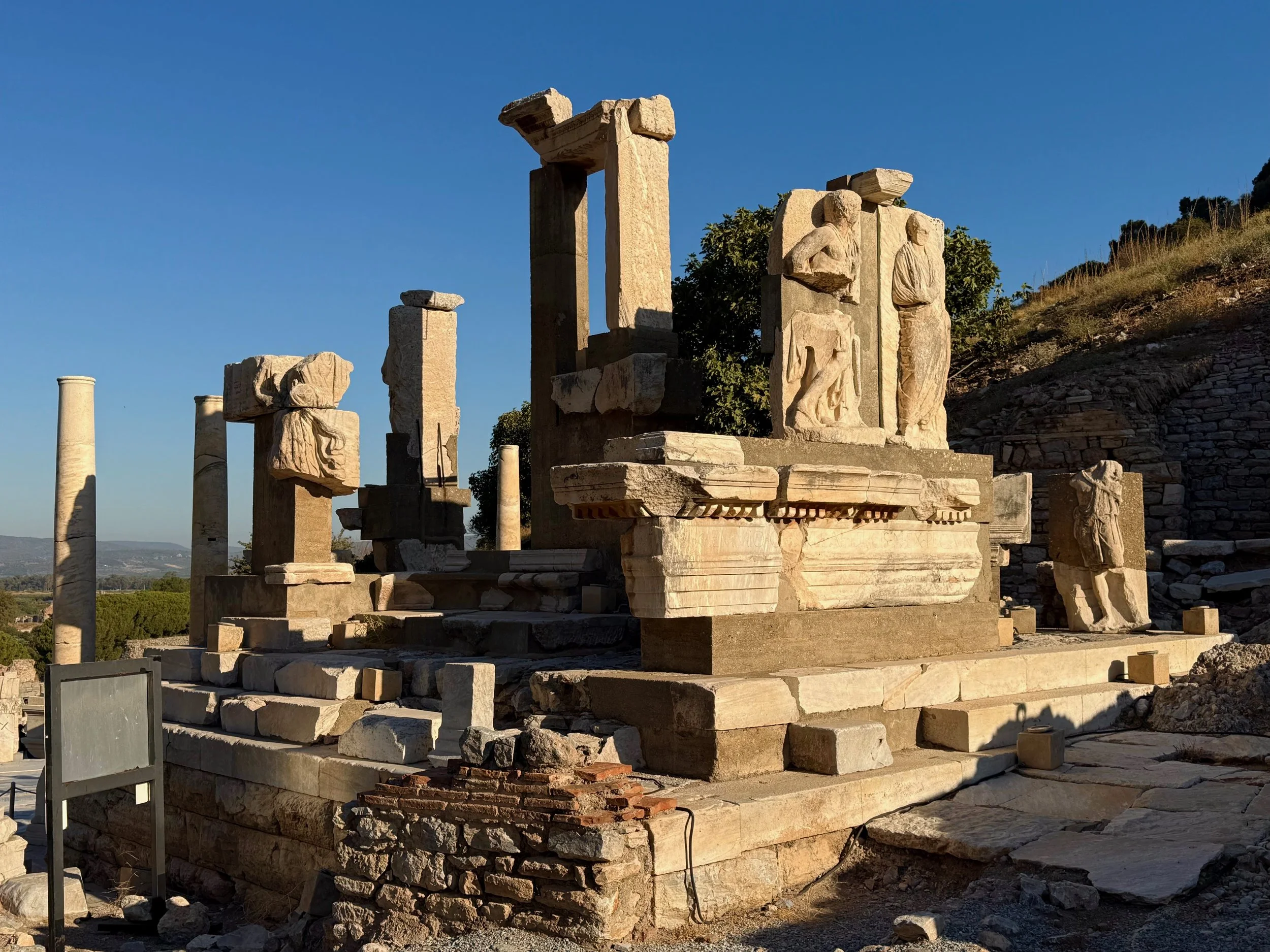
Nestled between two mountains, the ancient metropolis of Ephesus, first settled in the 11th century BC, was once home to a thriving population of 250,000 Ephesians. It boasted the largest harbour on Aegean coastline and was a bona fide hub of commerce in the Roman Empire. As with every other place we’ve encountered of this vintage, this city changed hands like we change our underwear (especially when it’s freshly laundered). It was the Romans that really made their mark here though, with much of the building projects undertaken by subsequent Emperors erecting monuments to themselves, their names emblazoned across them ( sound familiar?)
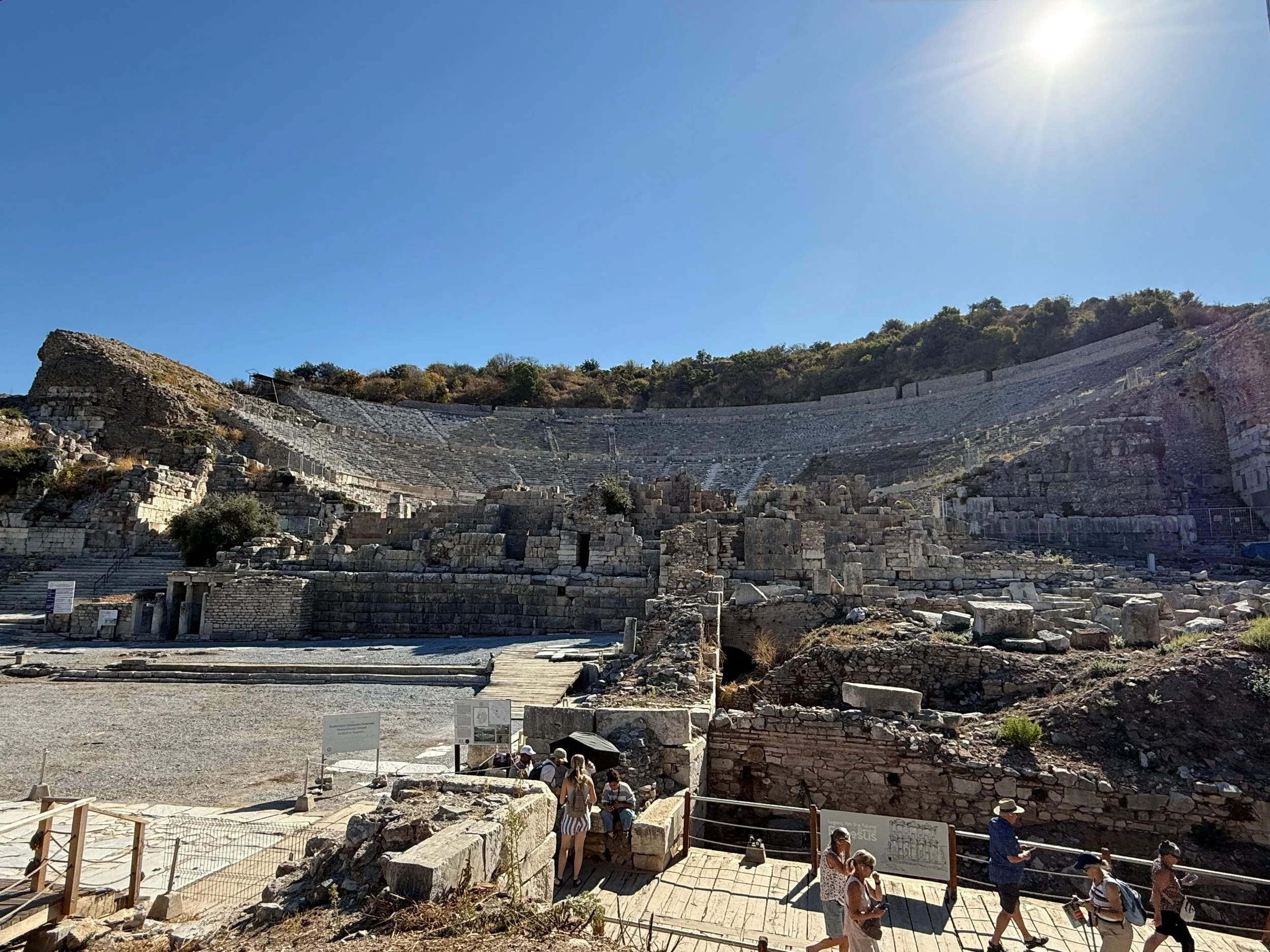
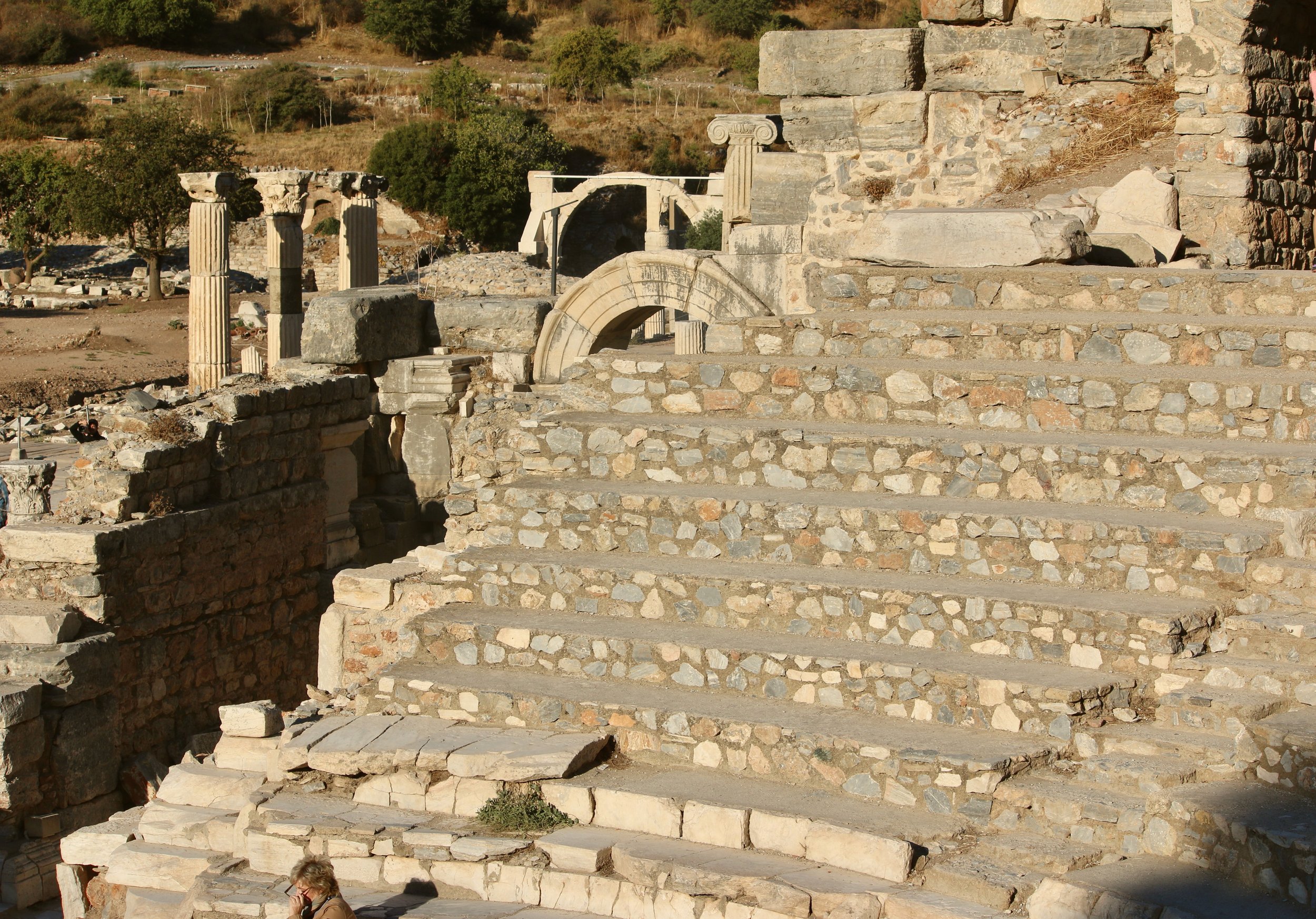
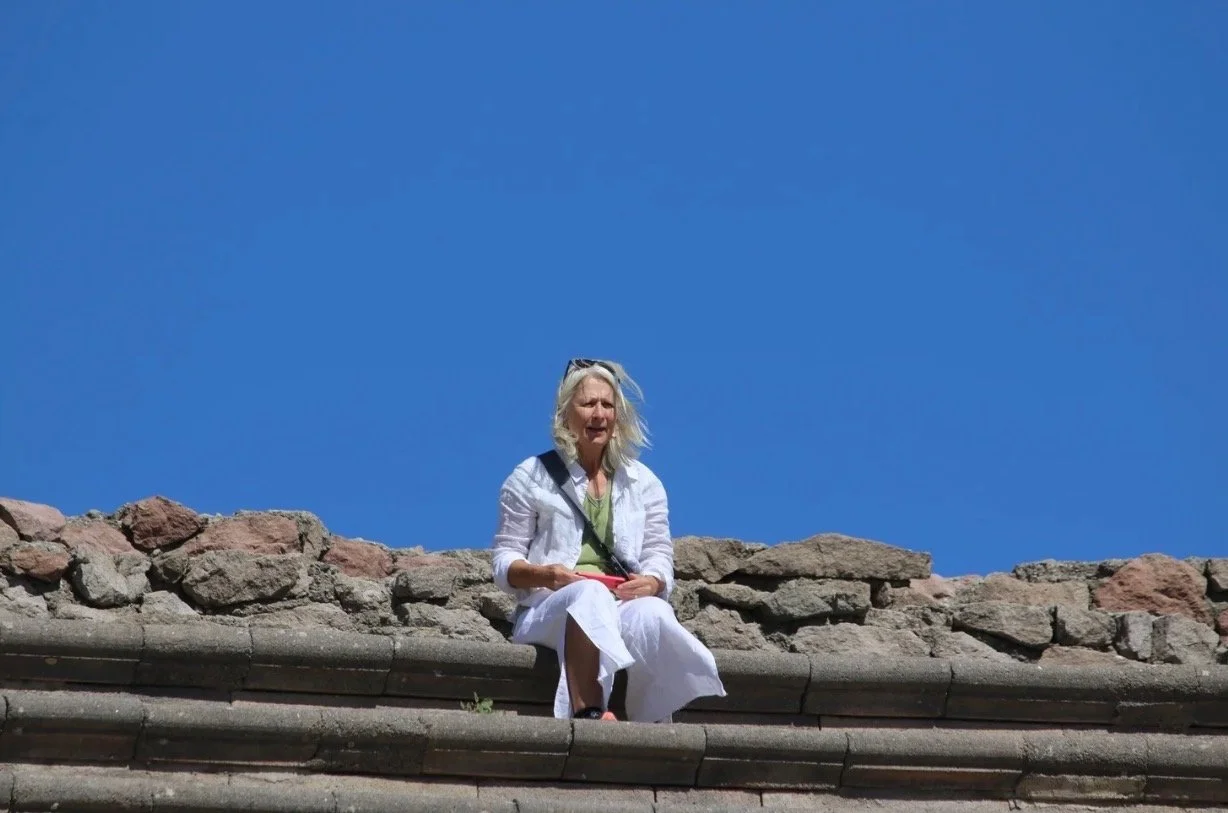
The Parliament House, which looked like a theatre but would have differed in that it had a roof, was so intact. I bet there were some heated debates that went down here. Apparently Ancient Corinth had a sophisticated sewer system but the fact we still can’t flush toilet paper in Türkiye tells me they peaked too early. The downside of their early plumbing ventures was that they used clay pipes for their sewer and lead pipes for their drinking water. A simple switcheroo could have prevented lots of ongoing health problems caused by ingesting the lead, including generations of short-statured people. Toby enquired whether we had any Ephesians in our family tree. Shenon suggested the lead could also have been responsible for the nutty, narcissistic kings that dwelt here.
Archaeologists signing up to delve the depths of Ephesus really have to excel in stamina and be in for the long haul. The dedicated diggers have been at it now for 150 years and are nowhere near finished.
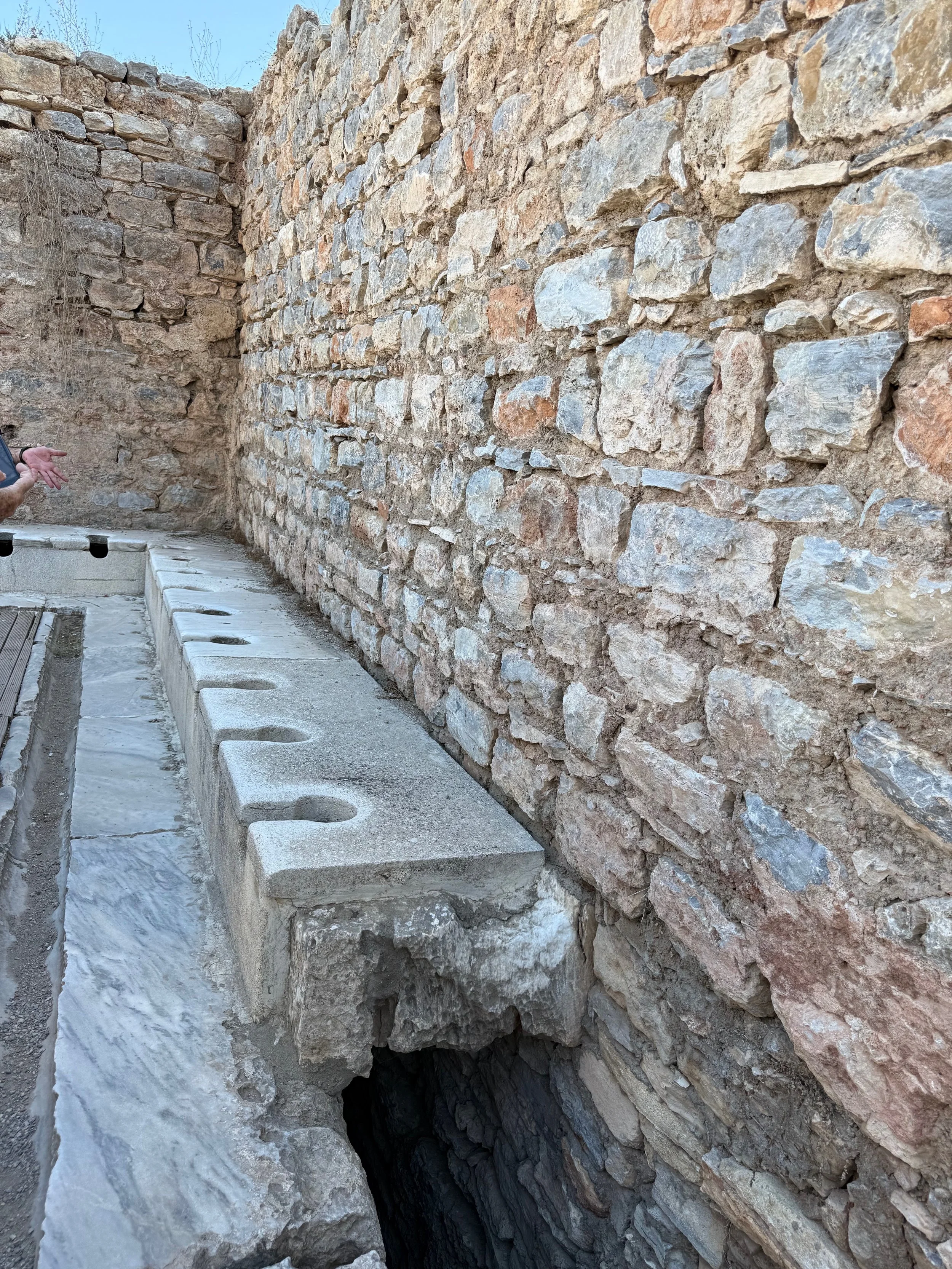
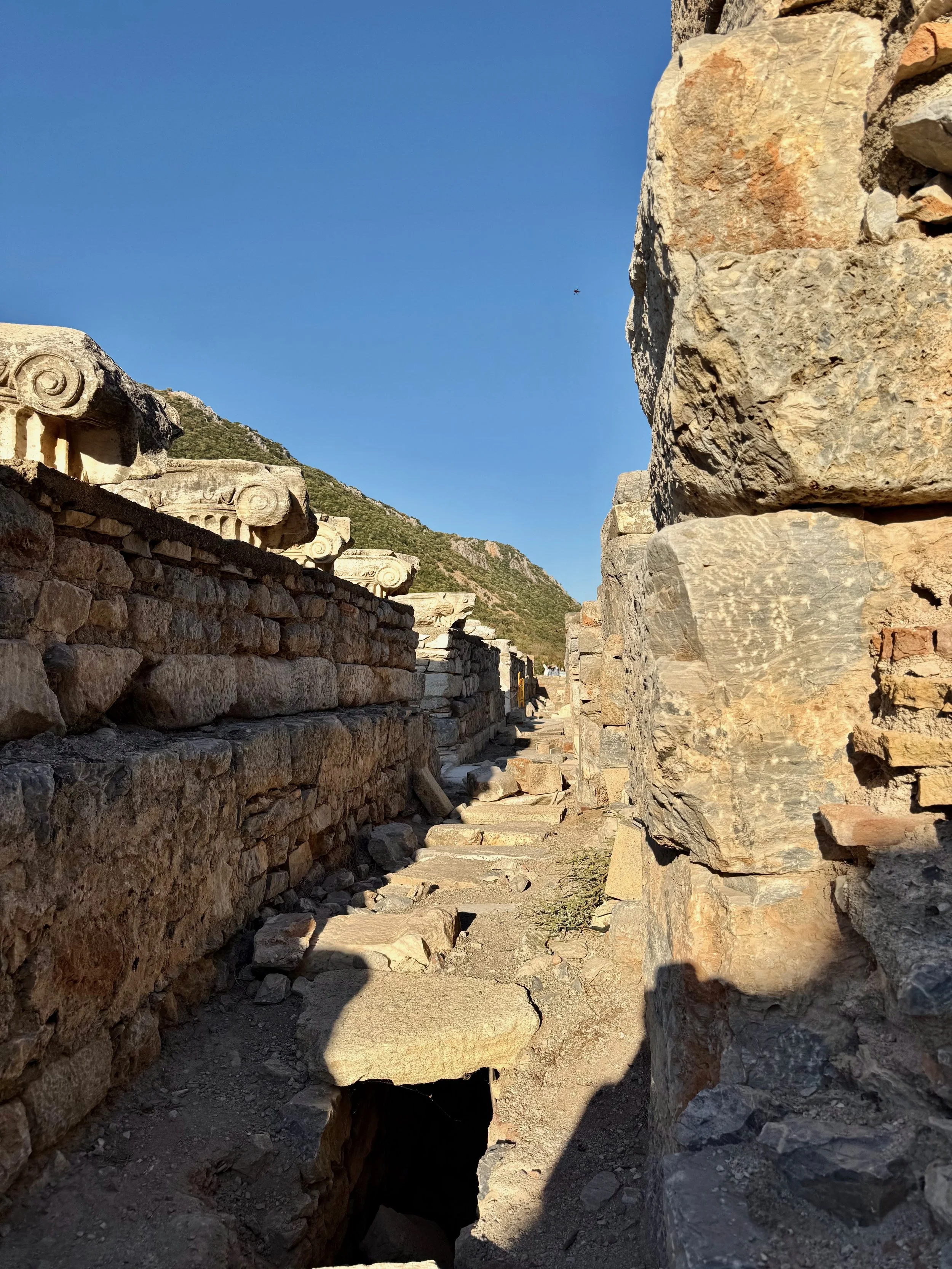
As expected, one of today’s crowd pleasers was the ancient toilet block, which was nothing more than a row of holes along a bench with running water below. A half pipe of water also gushed in front of the seats, negating the need for toilet paper; a kind of archaic DIY bidet. Carved from marble - still a staple in every high-end loo, the toilet seats got a little chilly in winter. The wealthy solved this problem by sending a slave onto the throne ahead of time to warm it up for them. Personally, I think there is nothing worse than sitting on a warm seat someone else has just vacated. I’ll take a cold seat any day of the week. Maybe that’s just me?
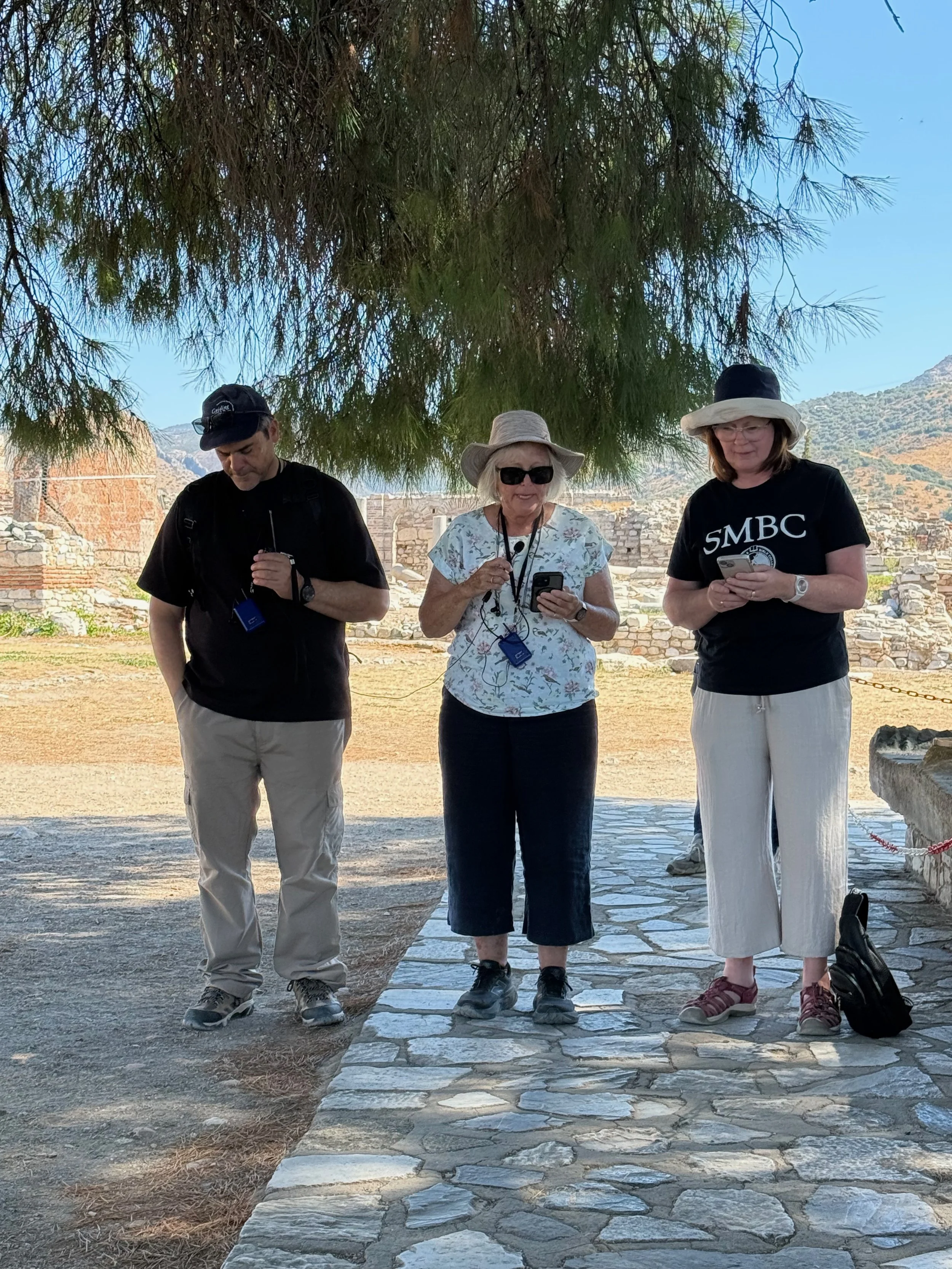
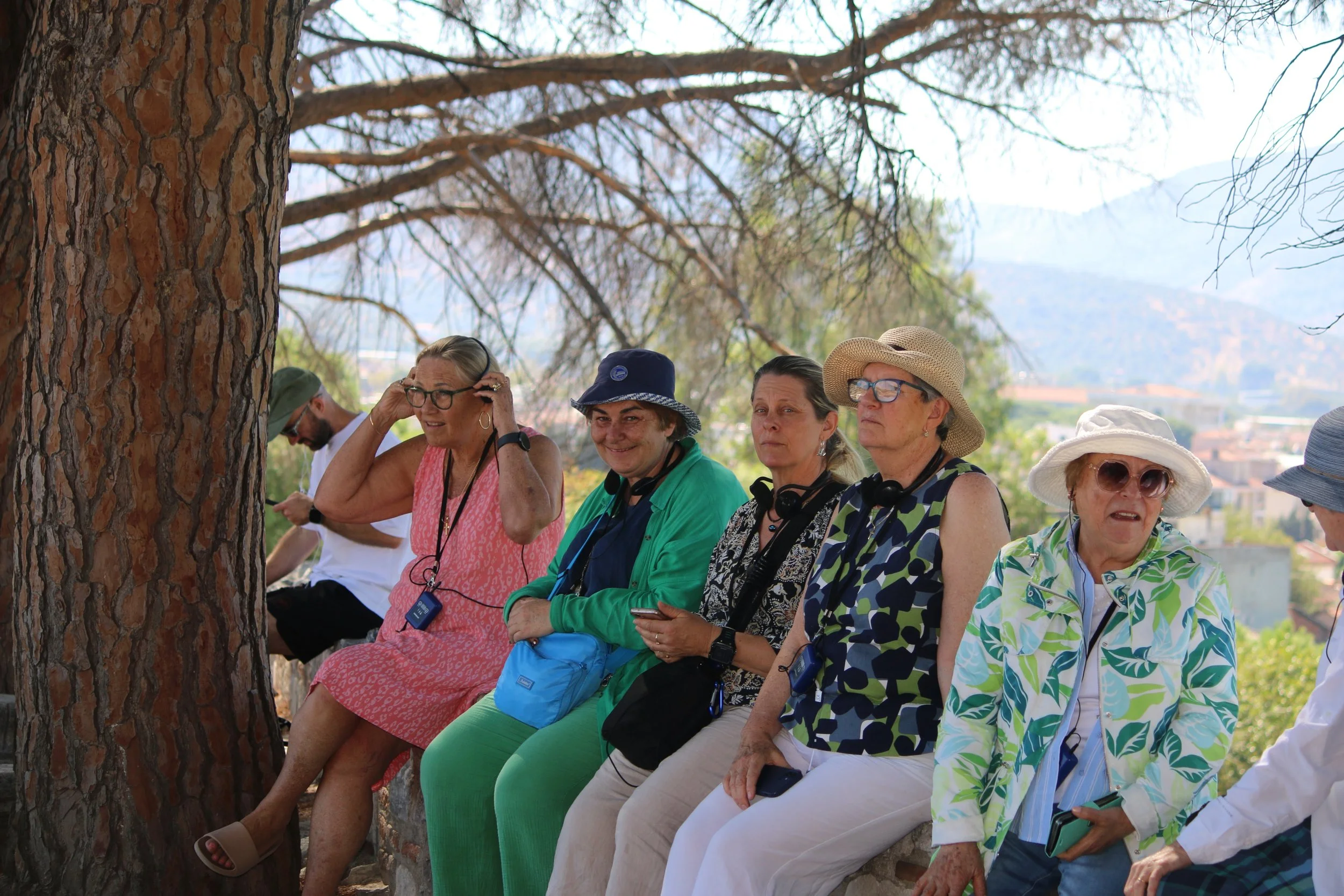
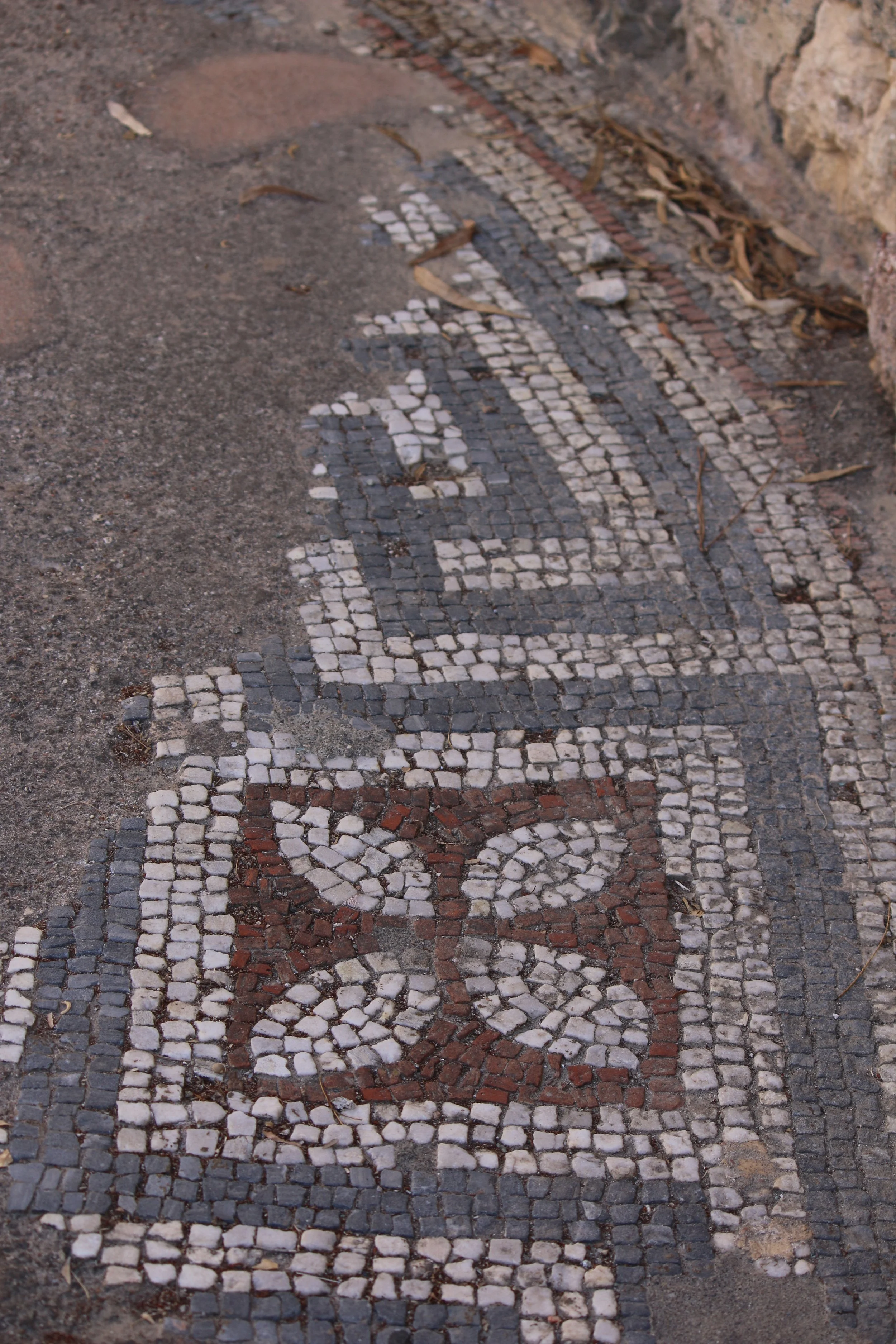
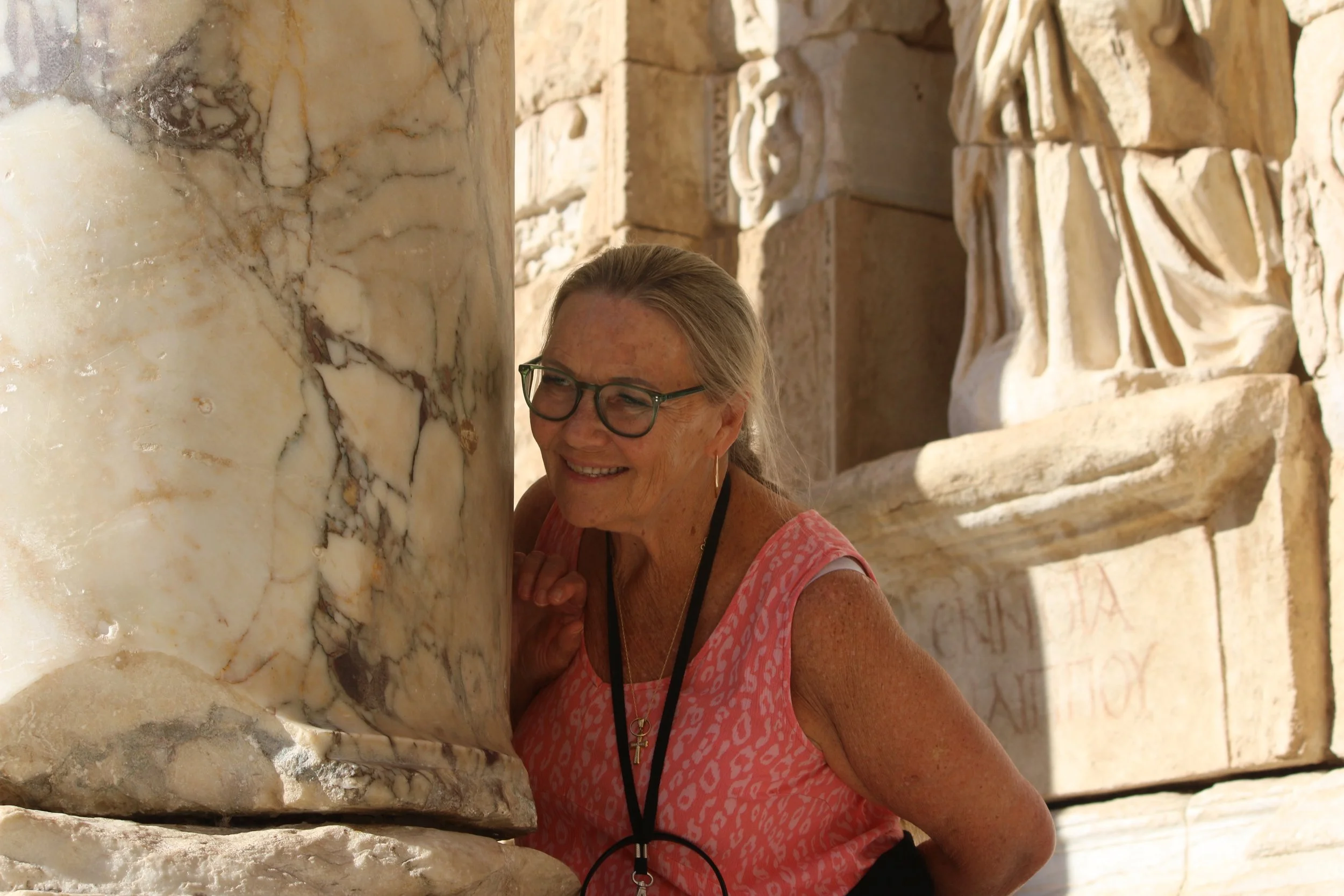
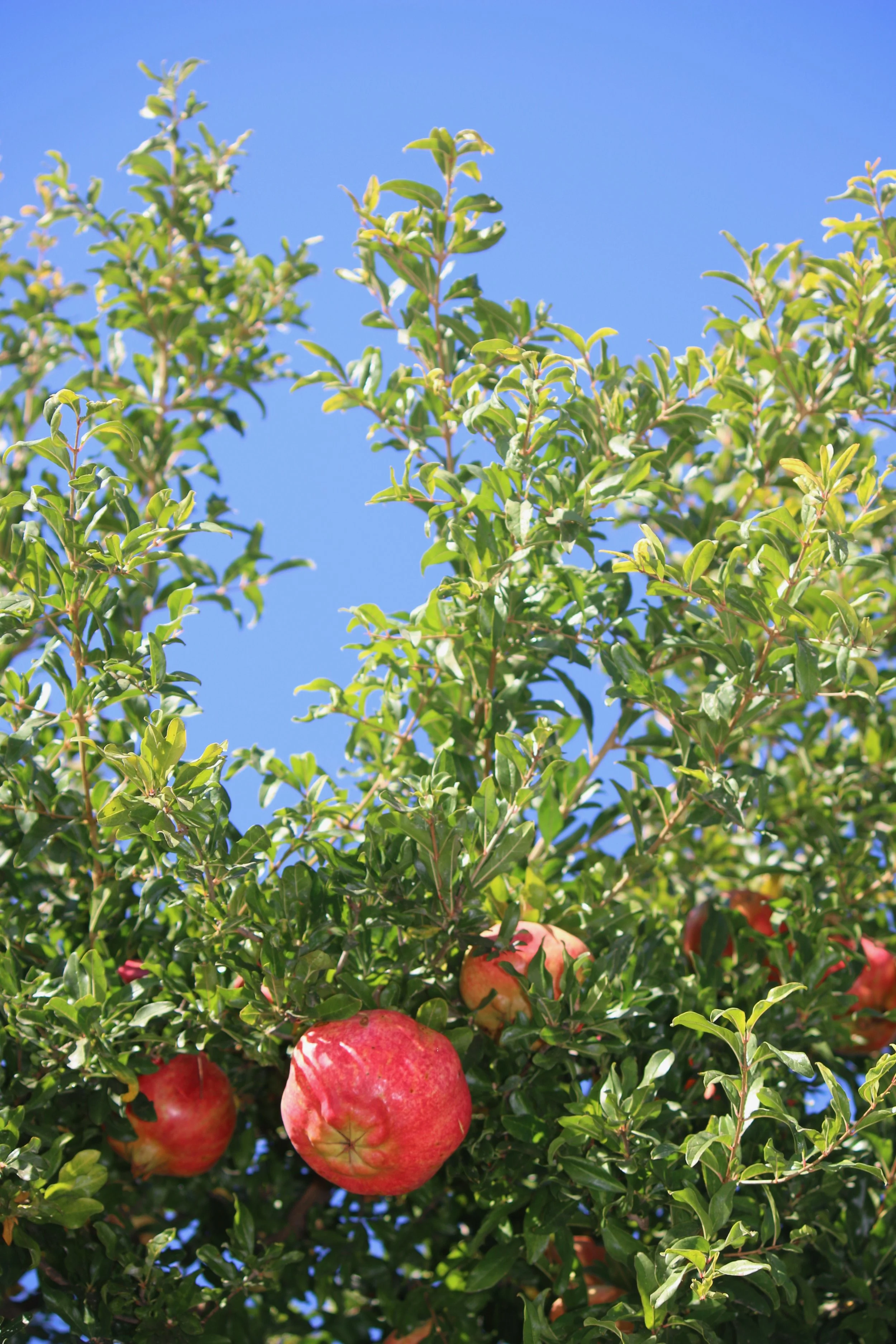
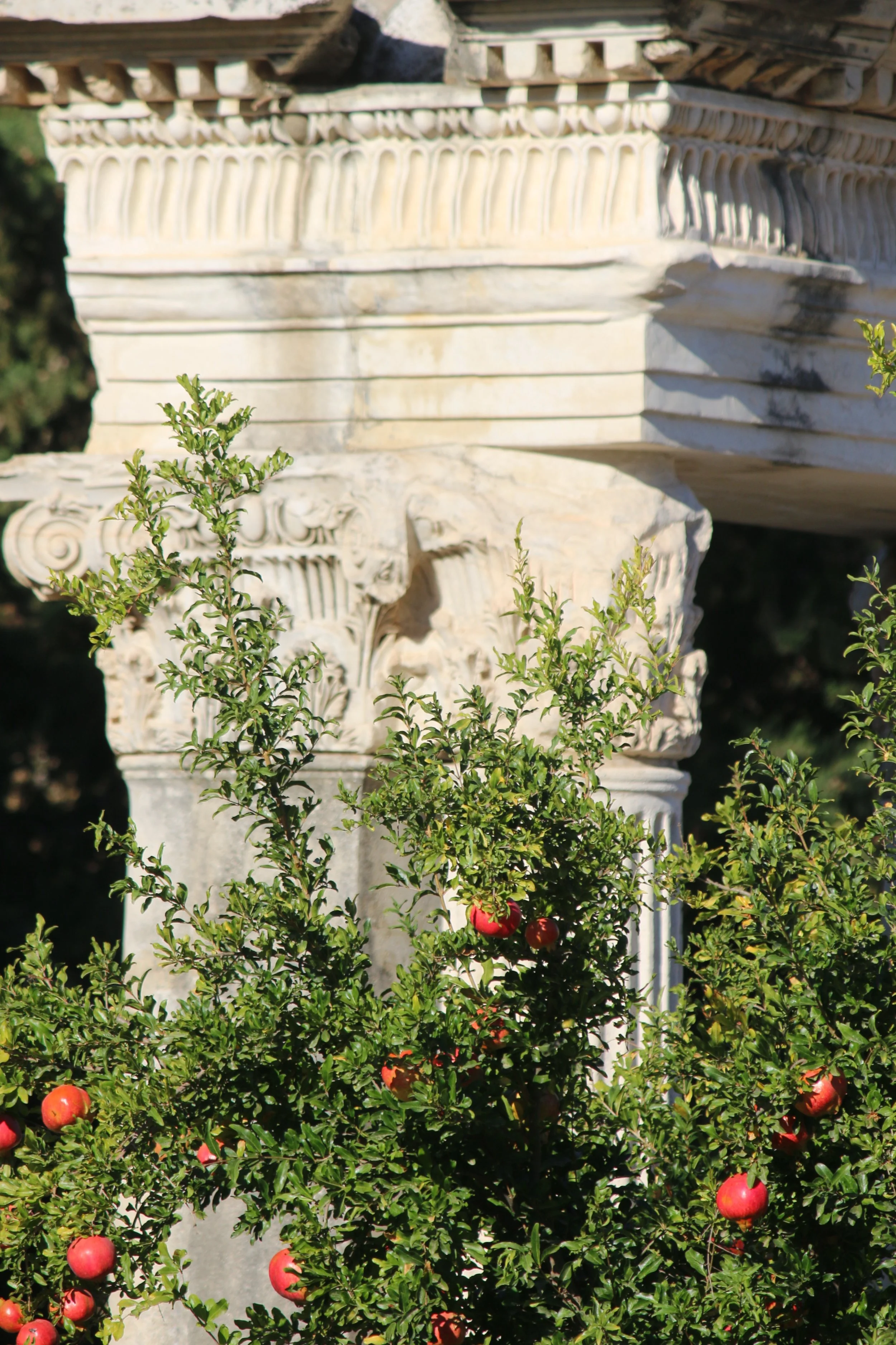
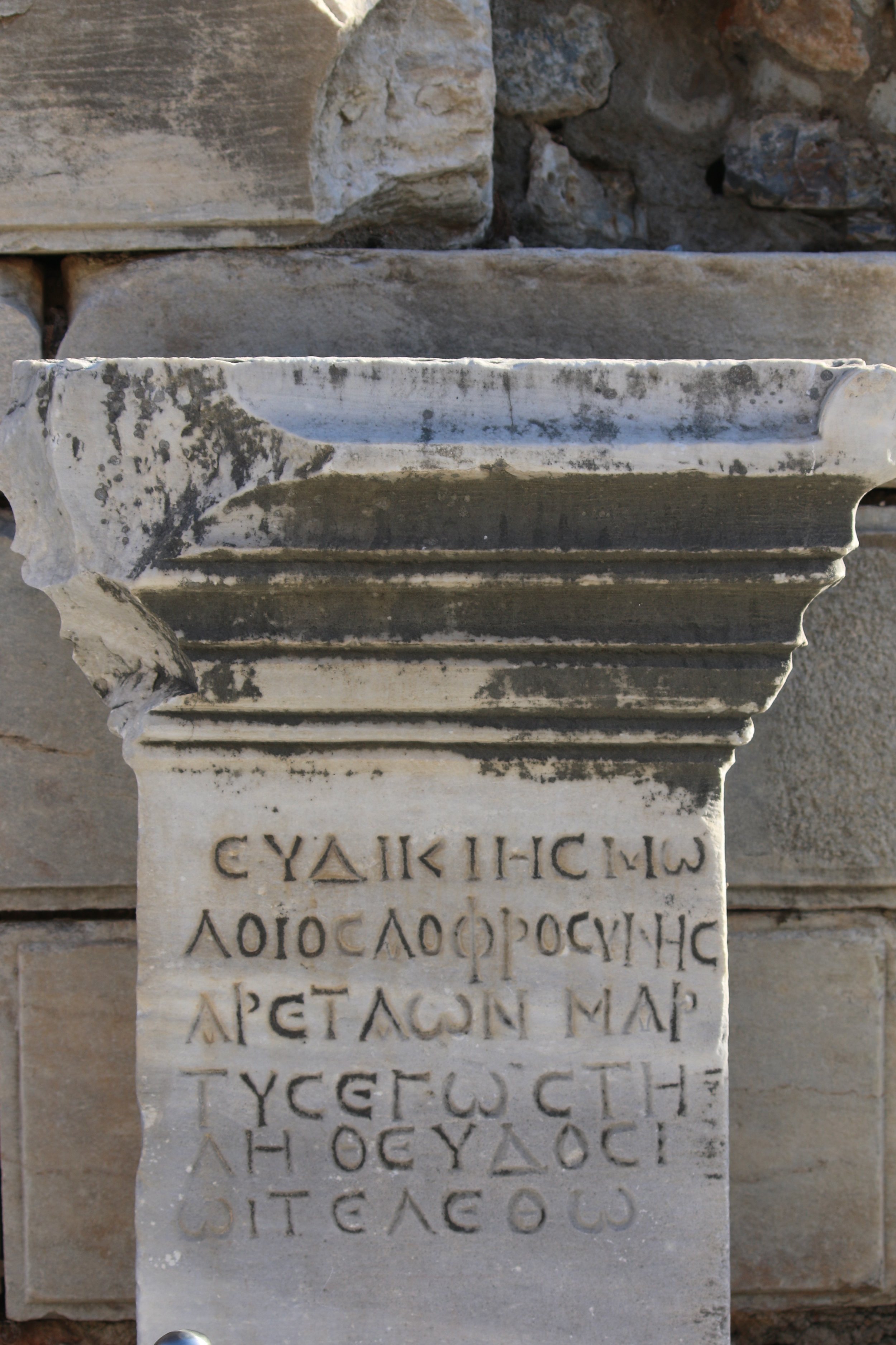
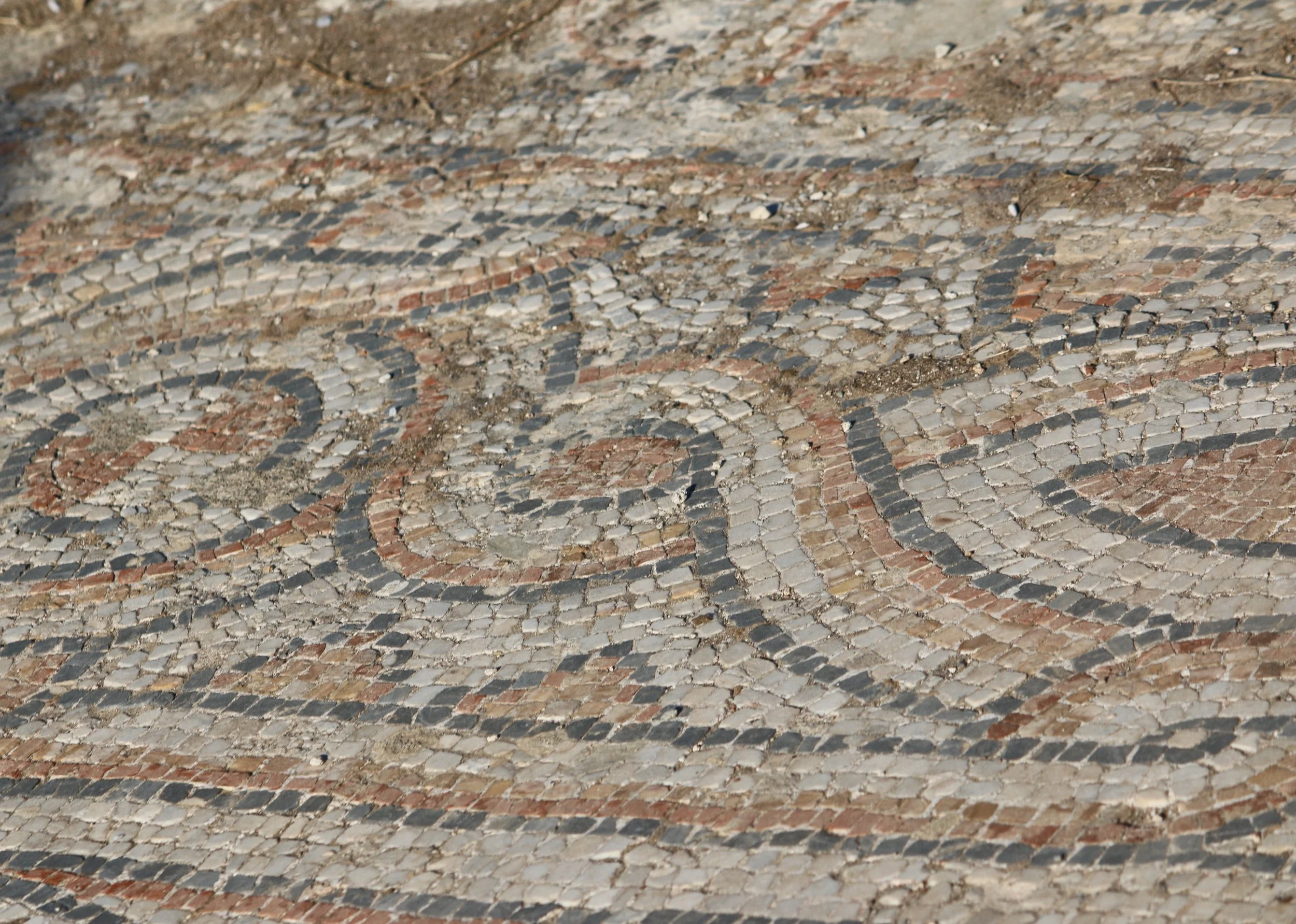
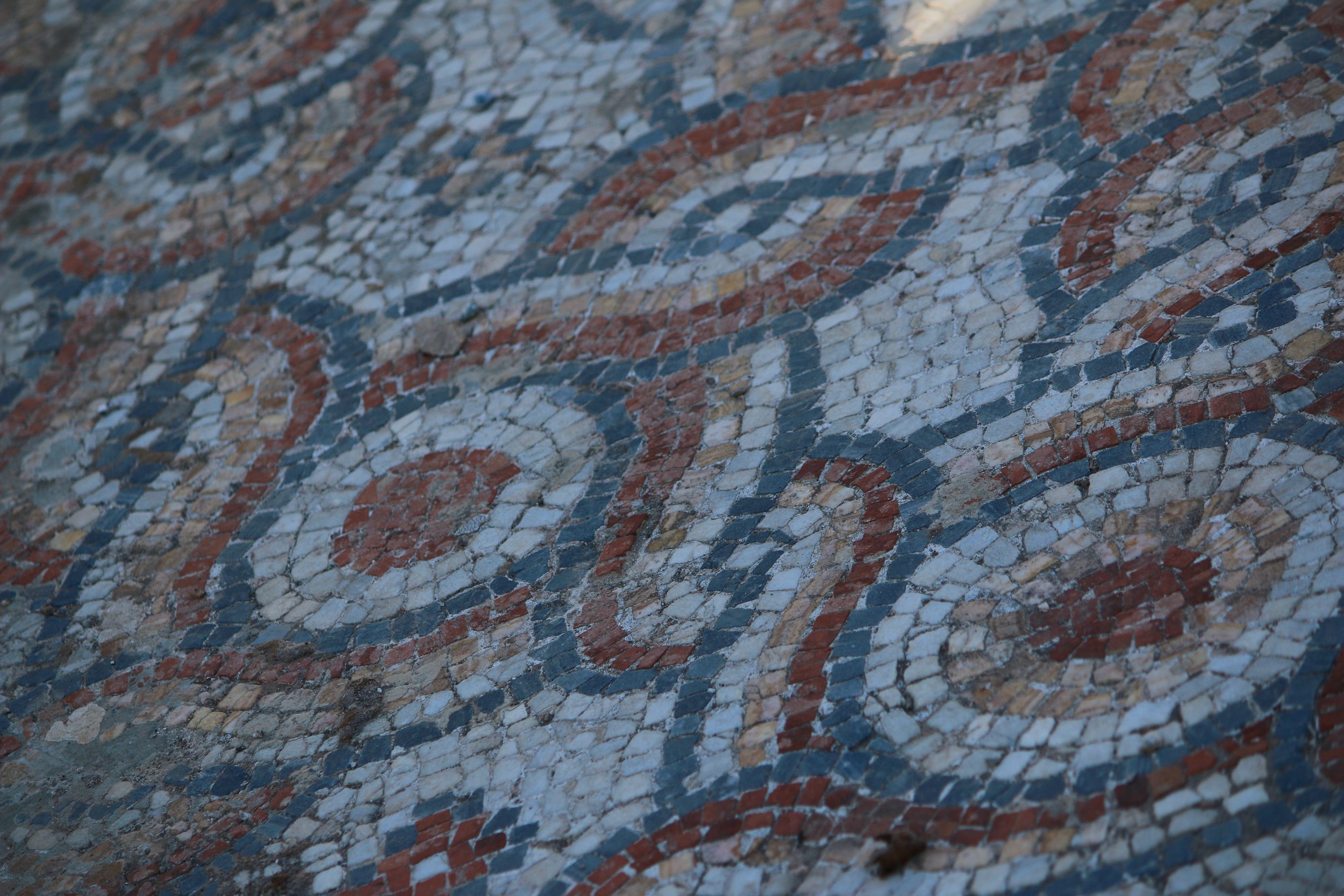
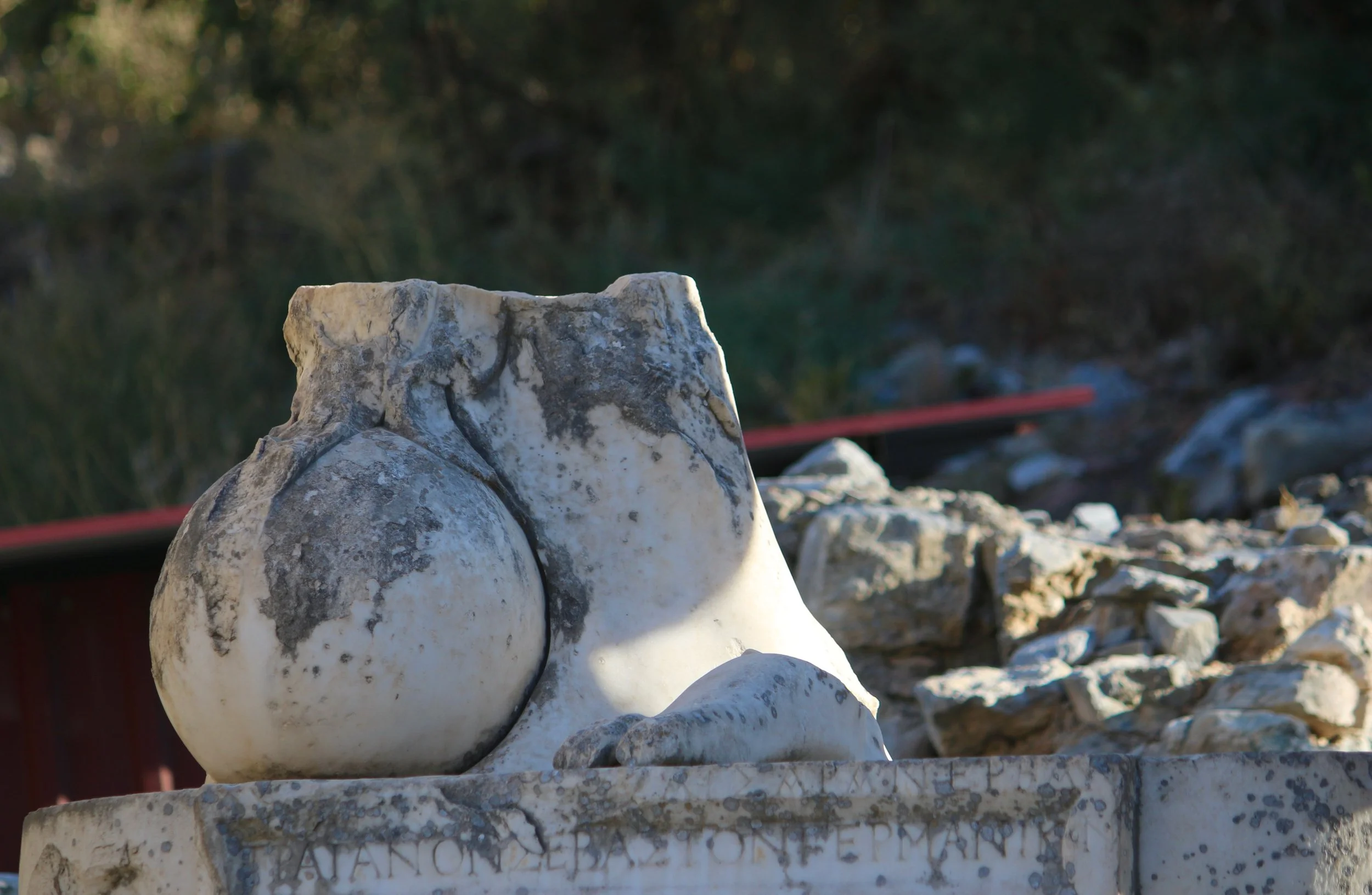
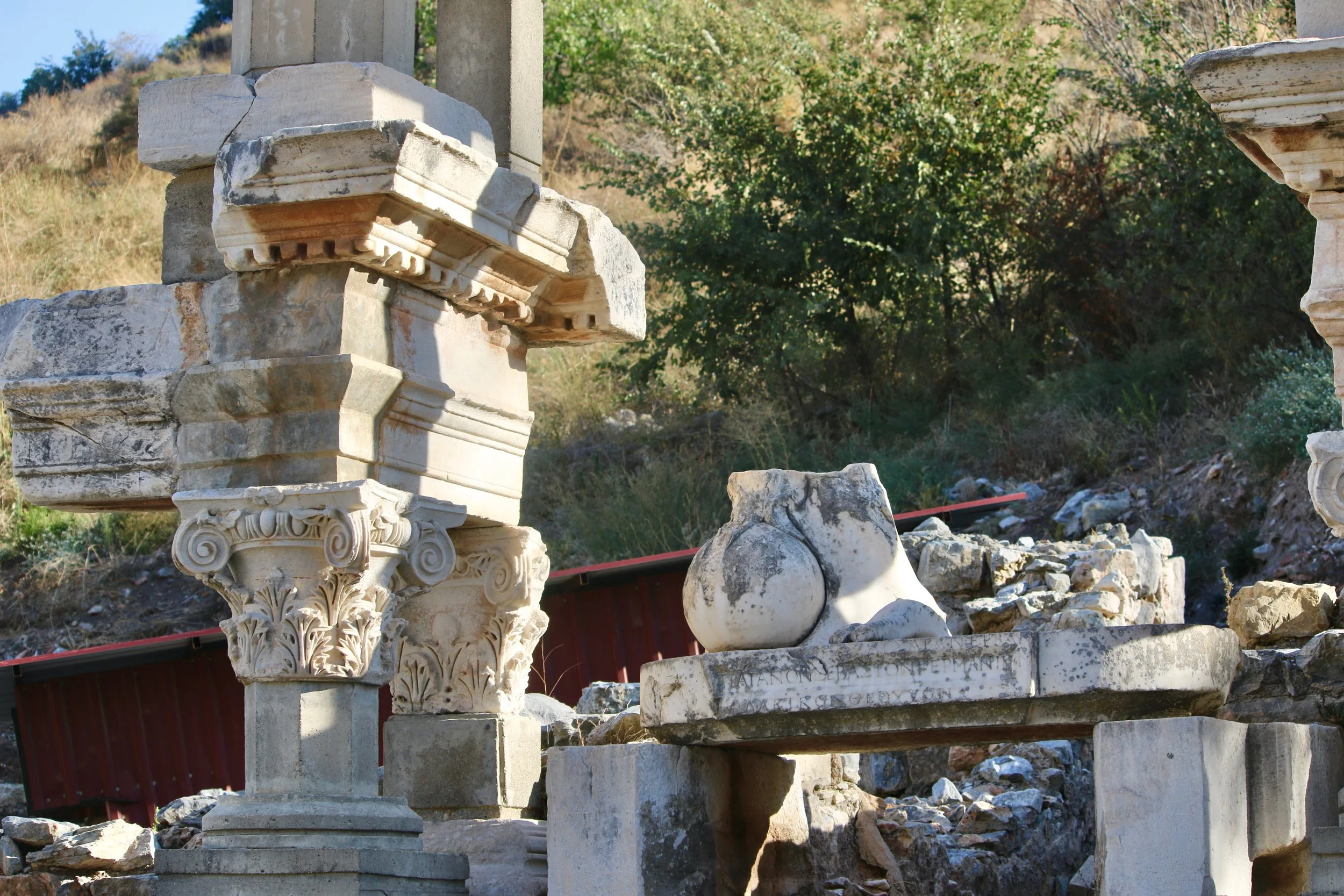
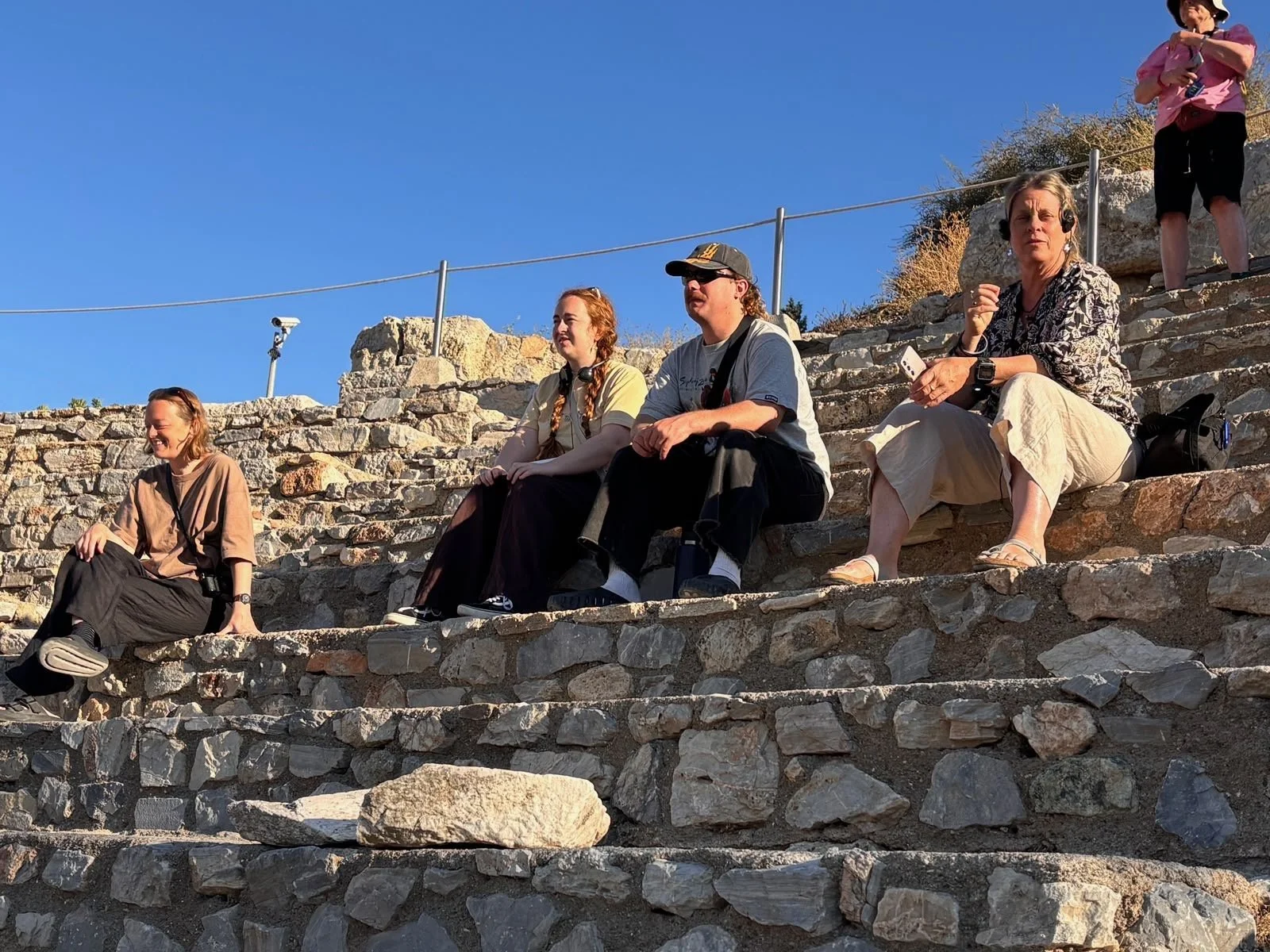
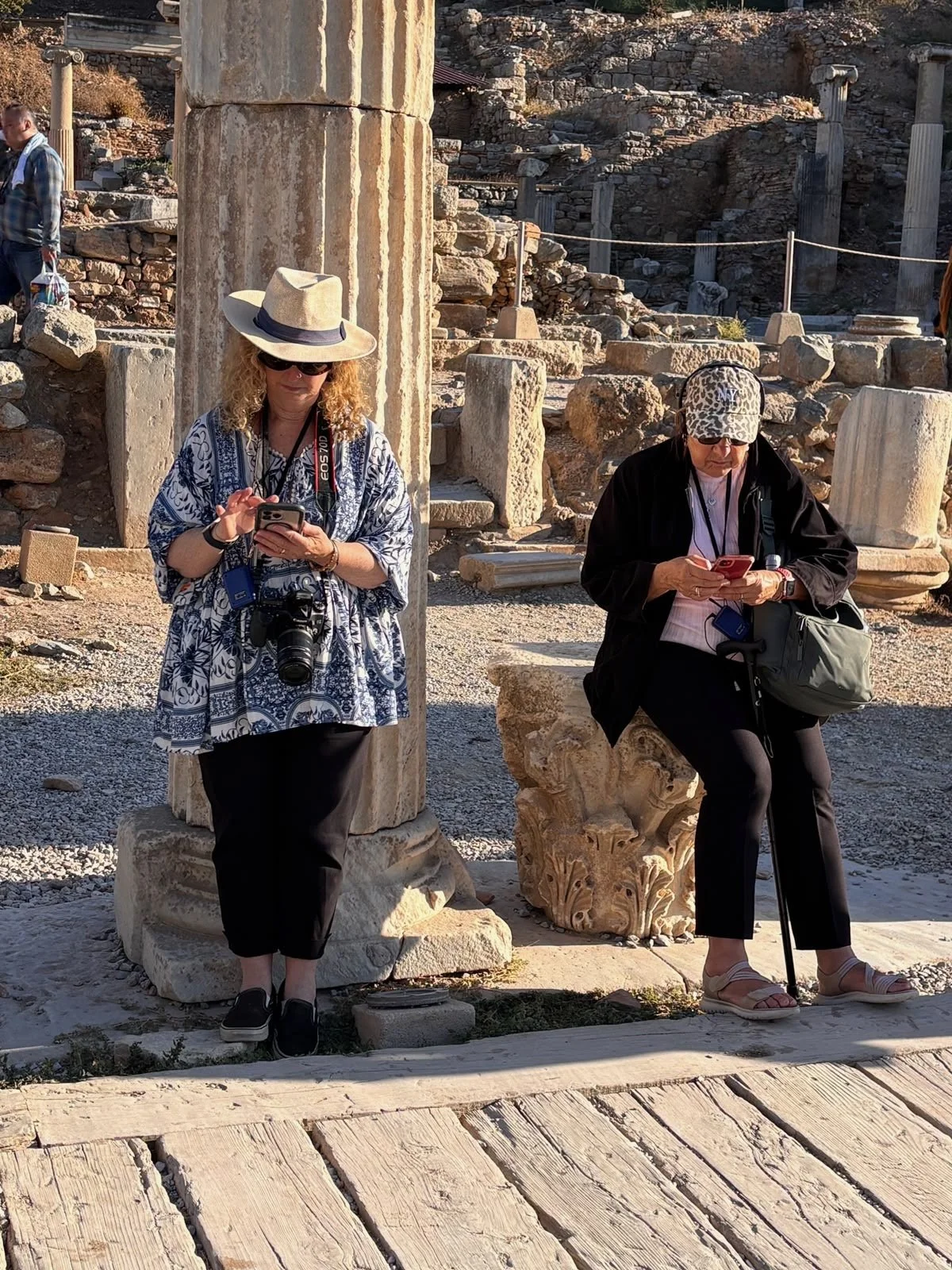
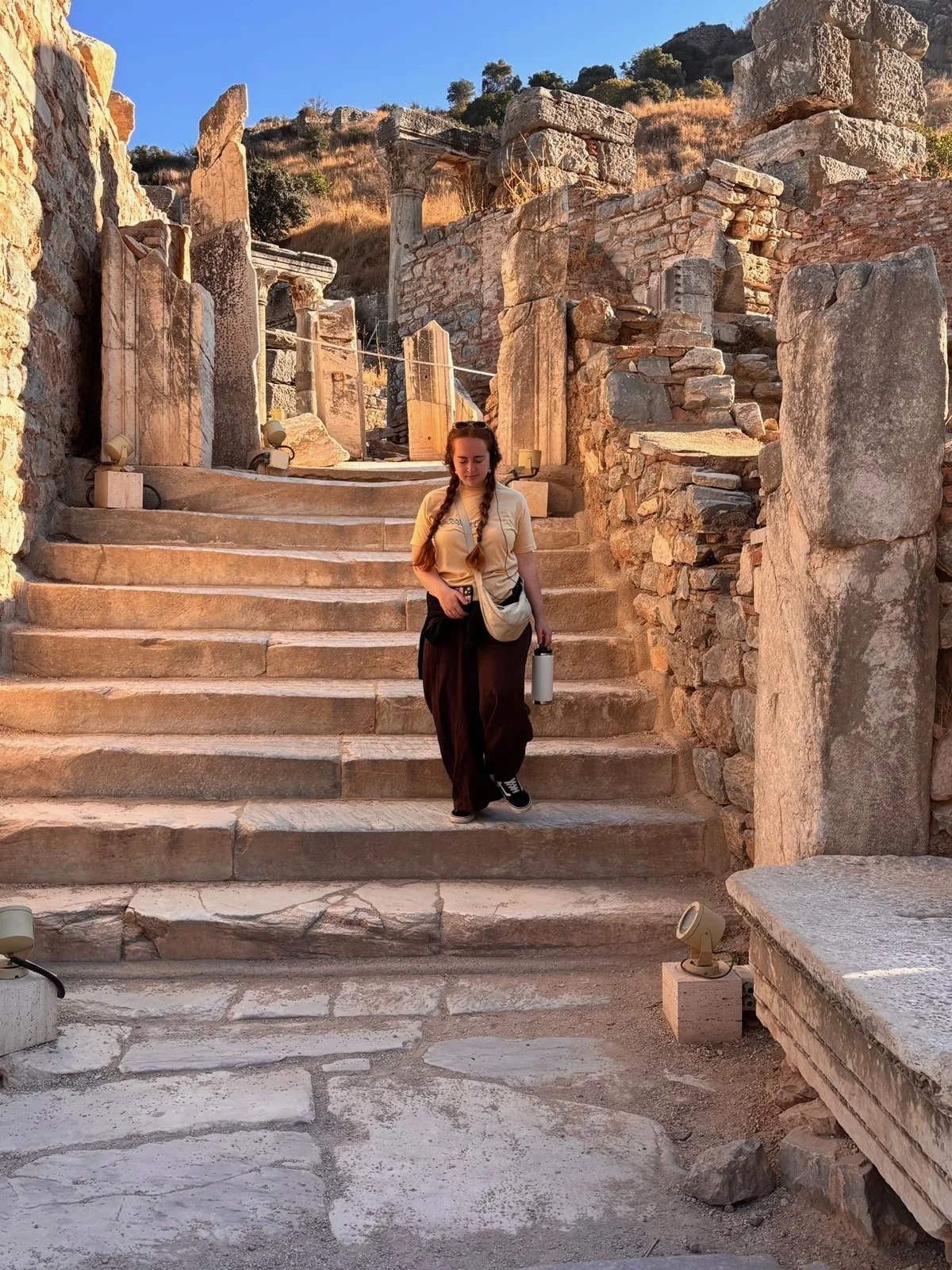
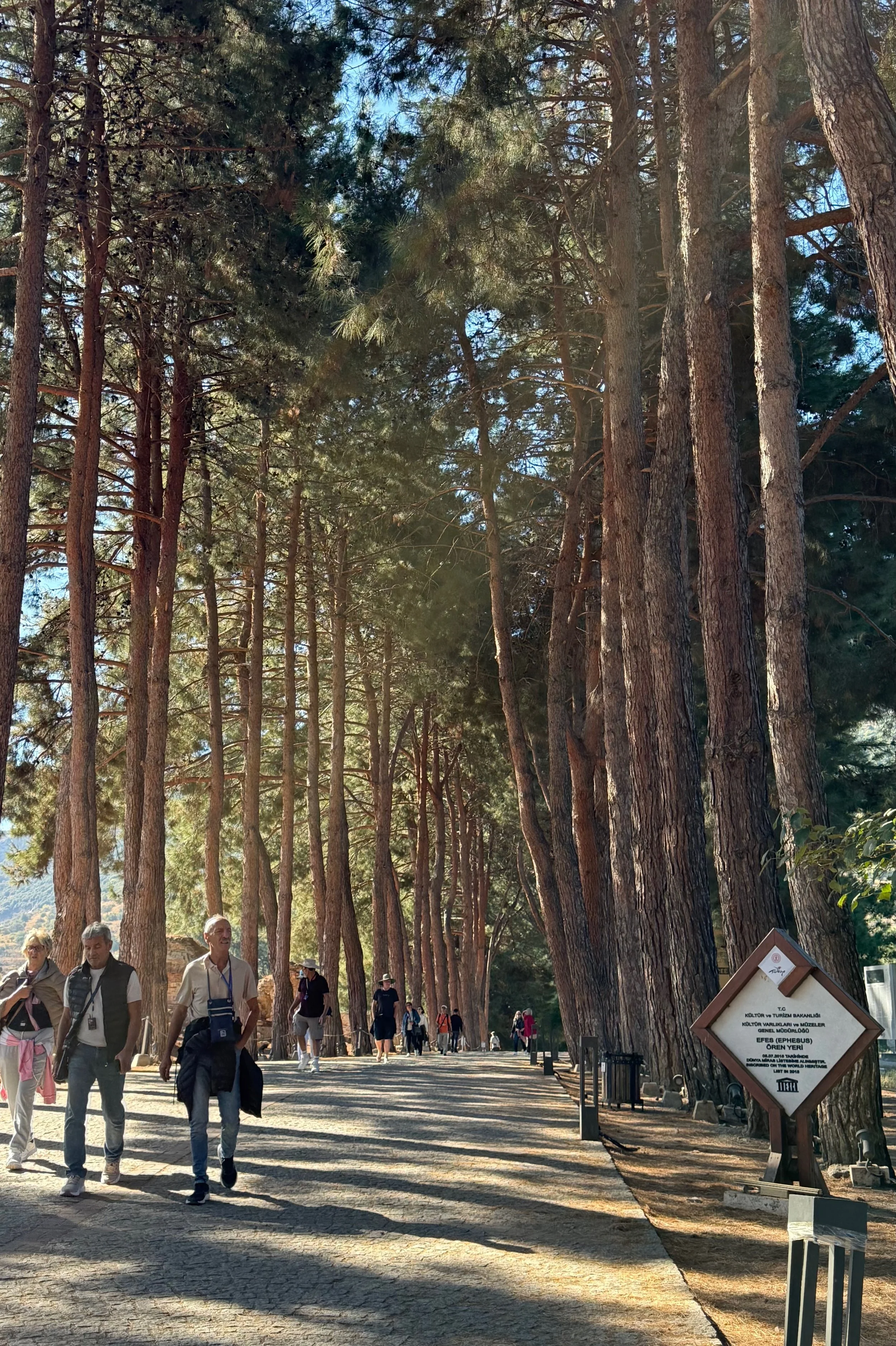
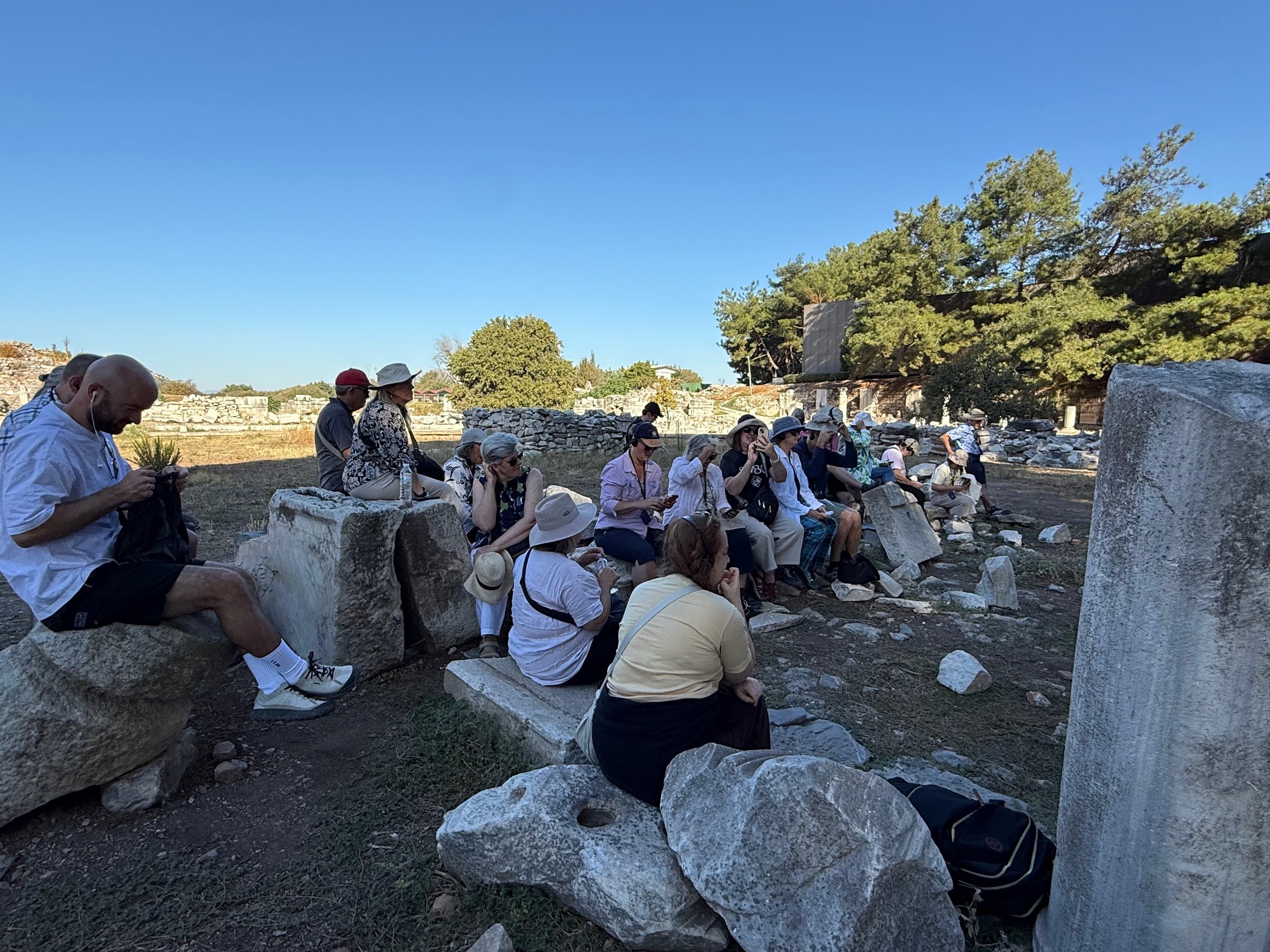
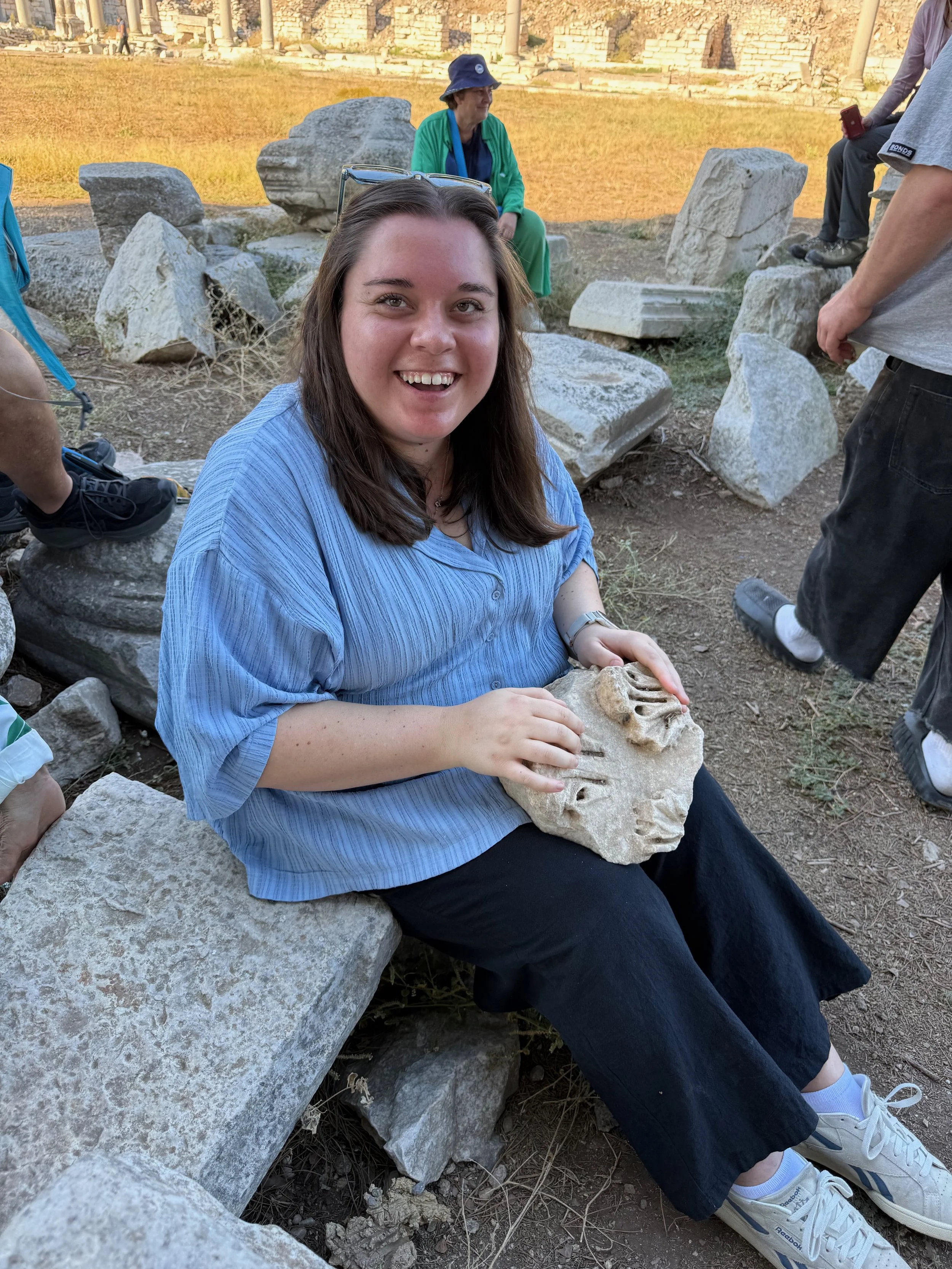
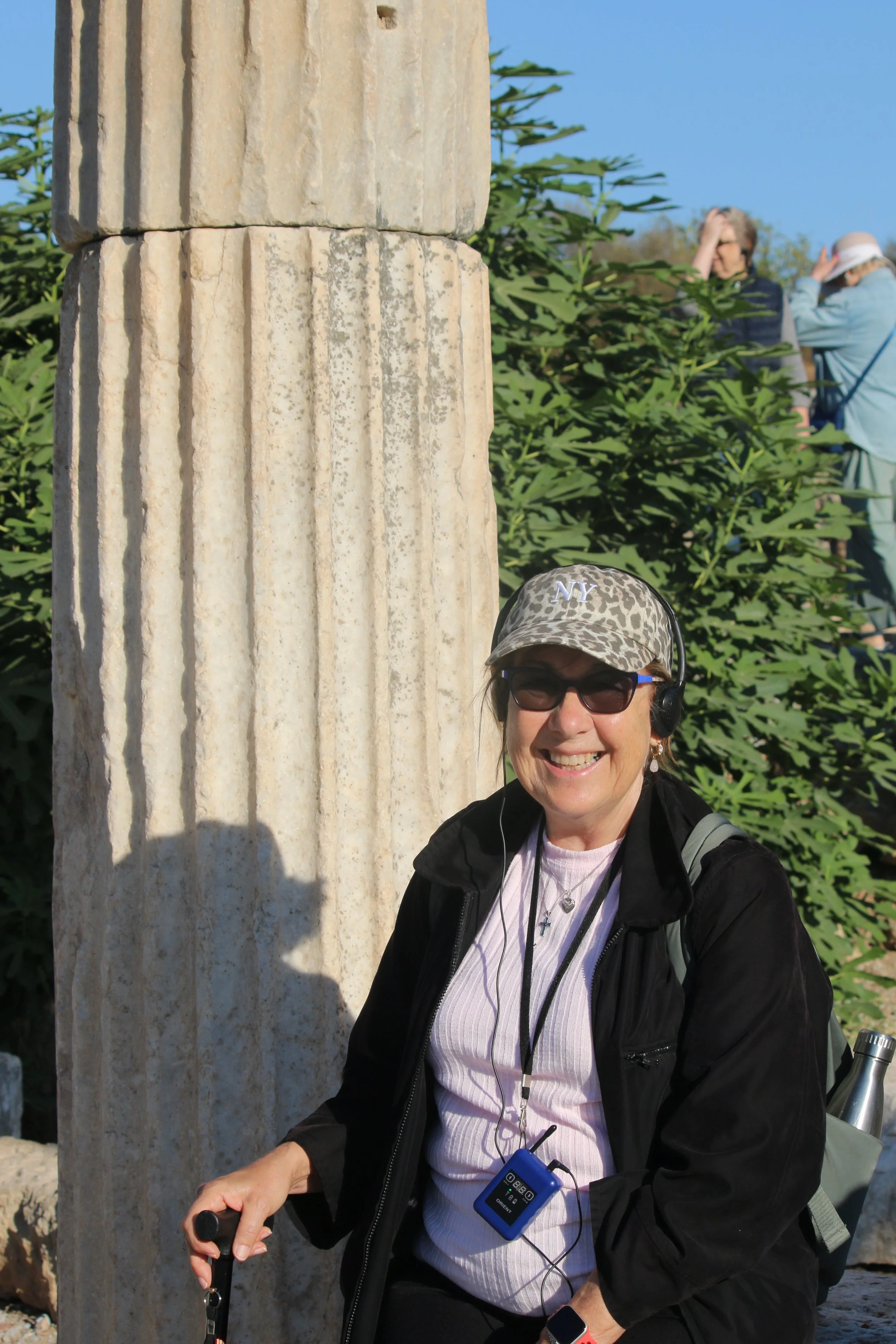
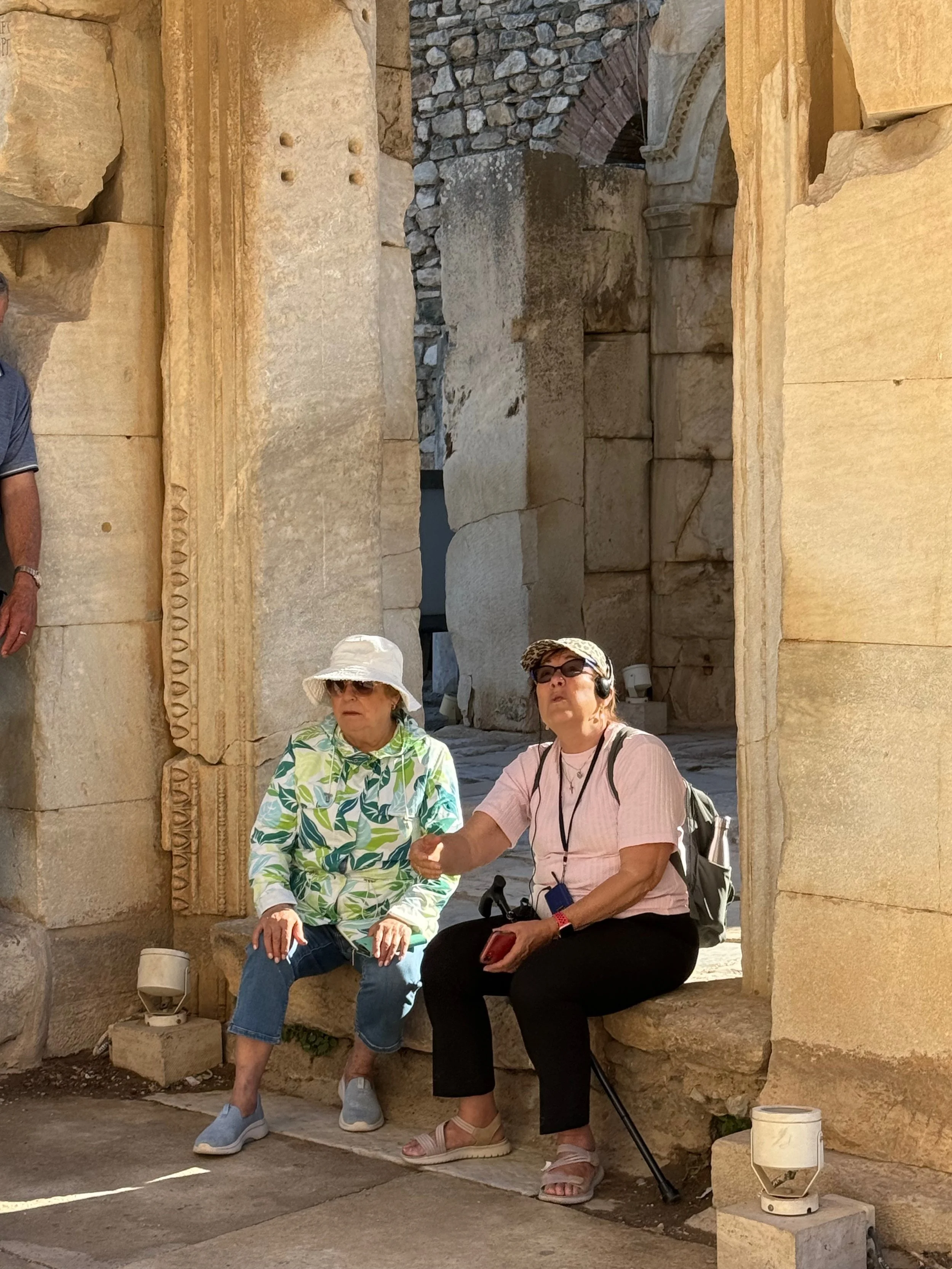
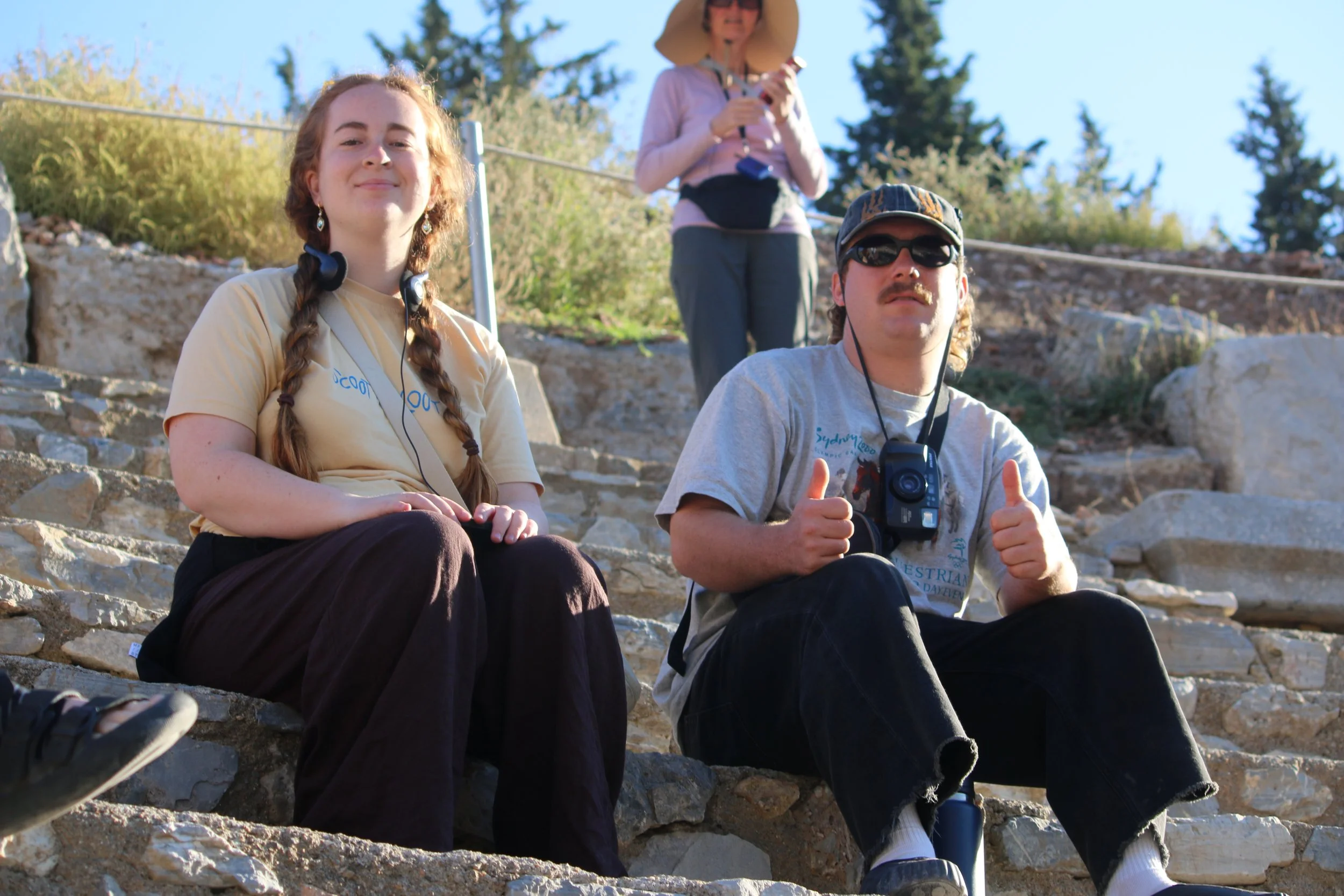
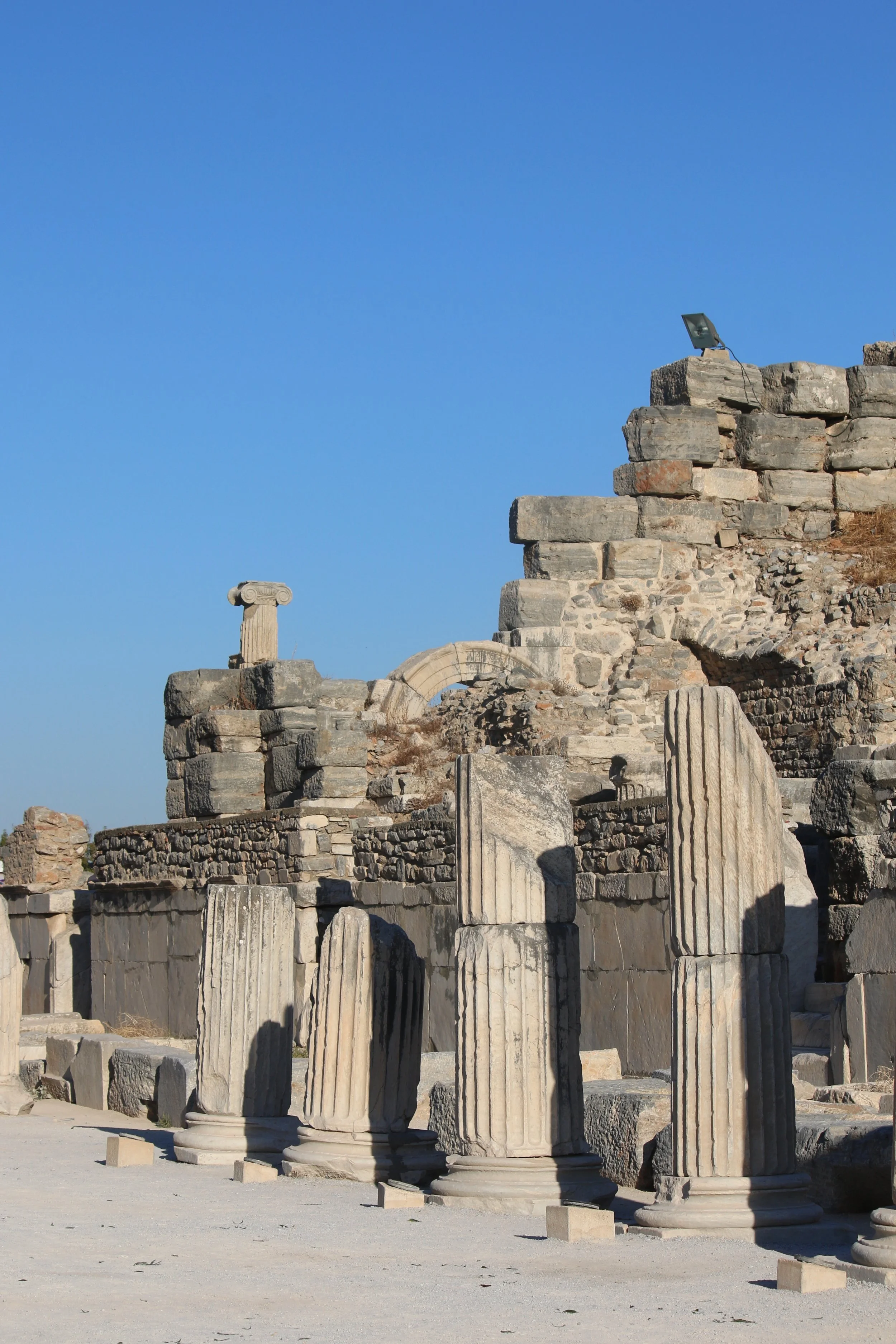
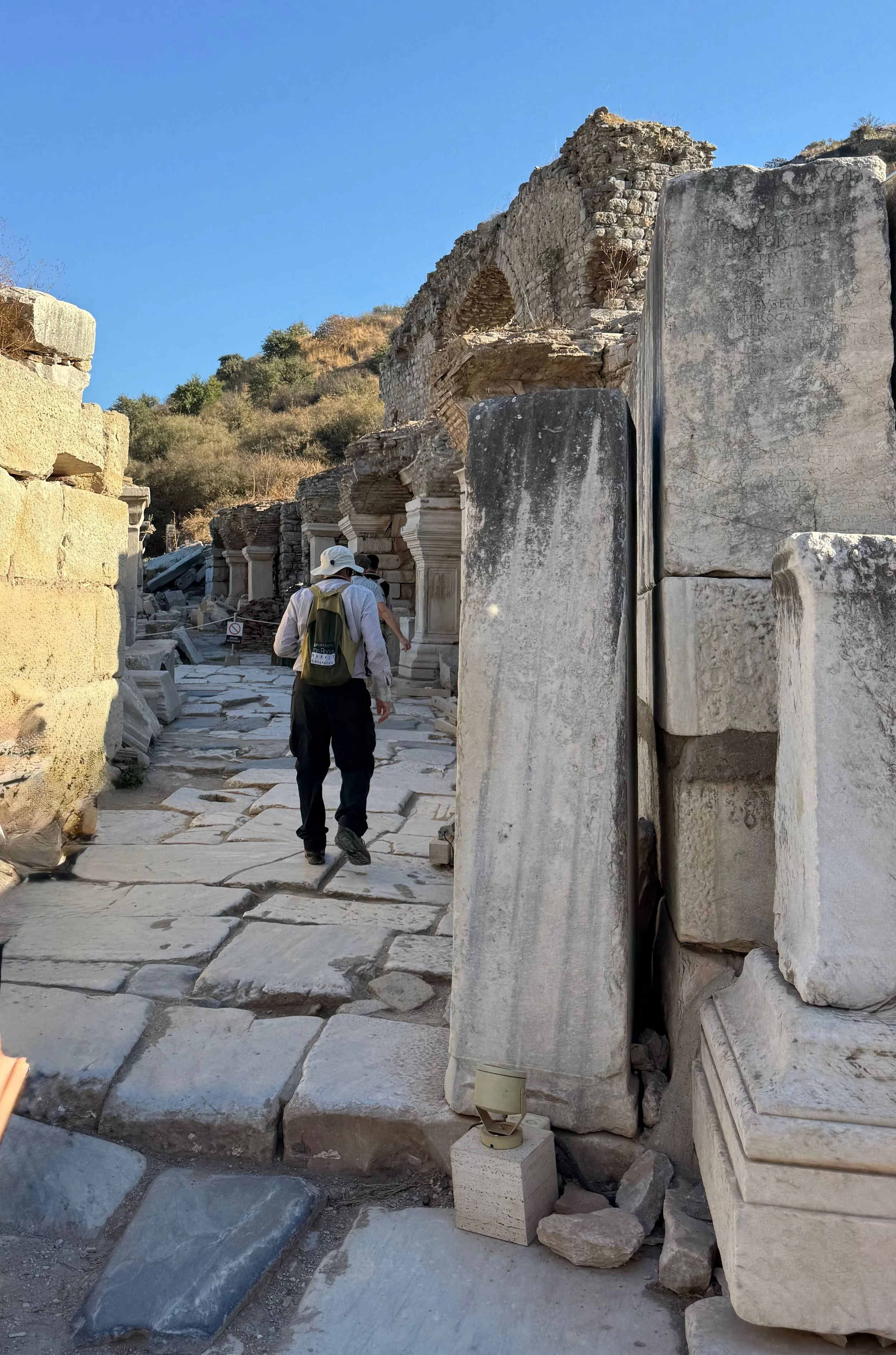
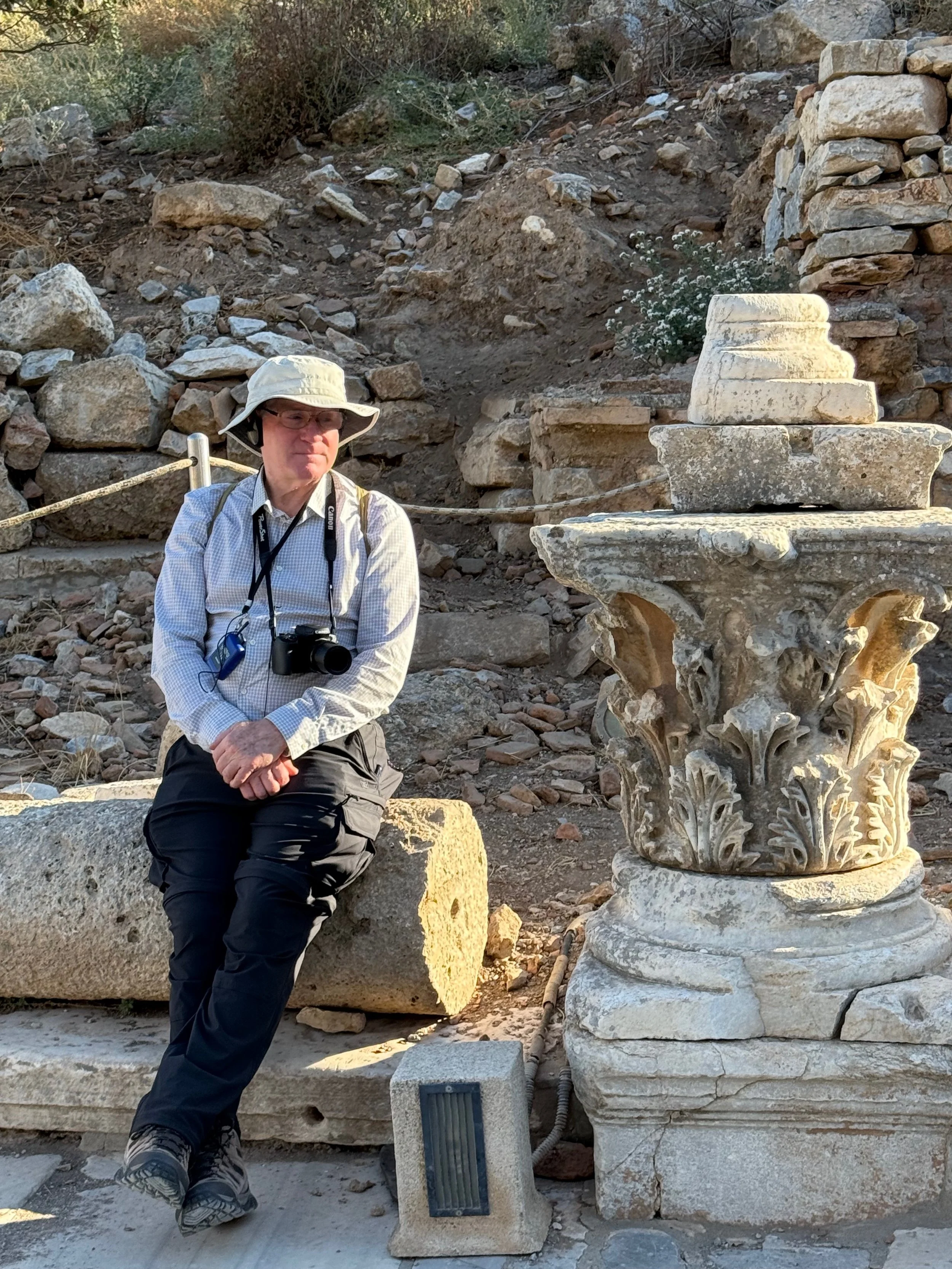
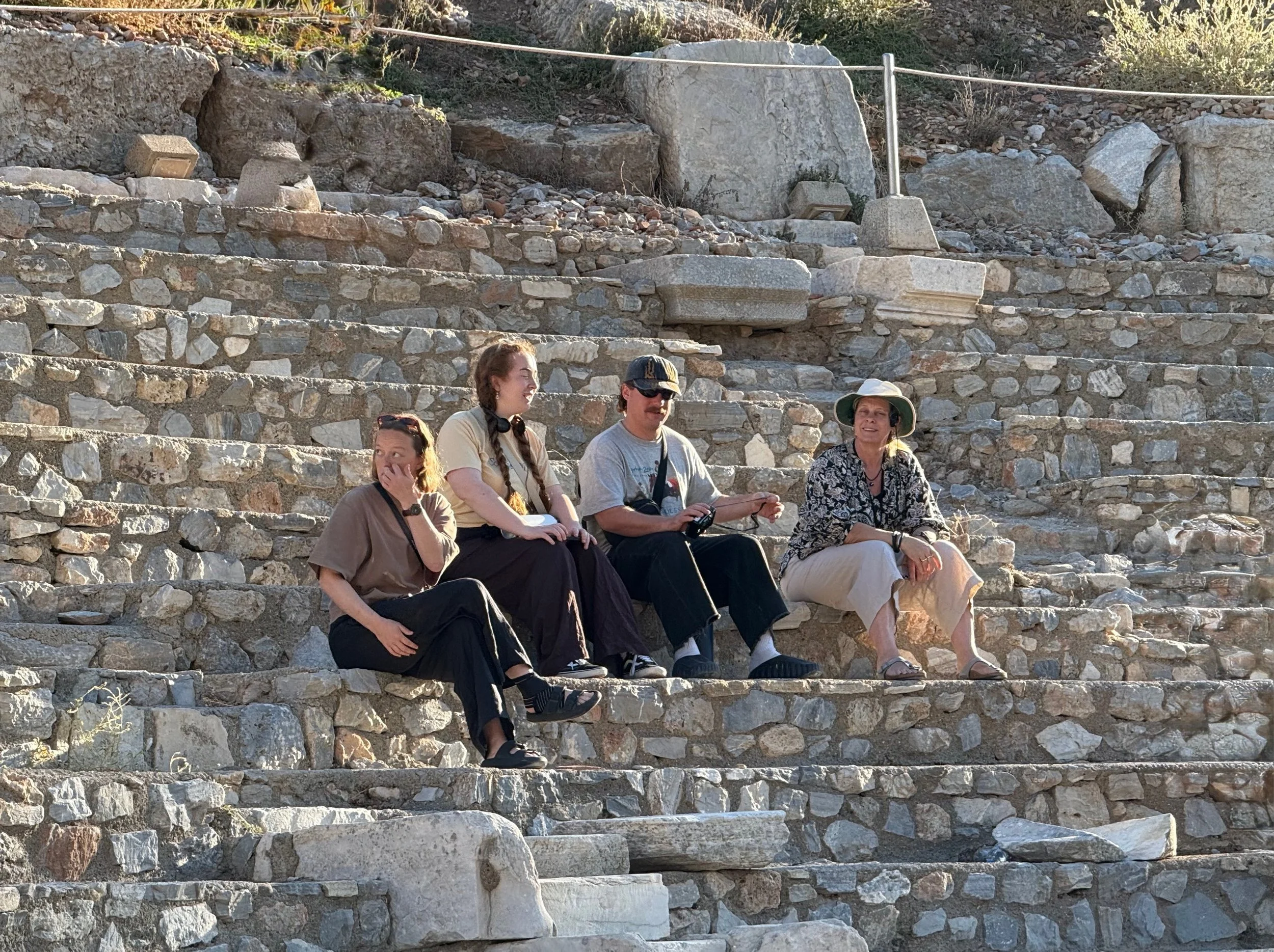
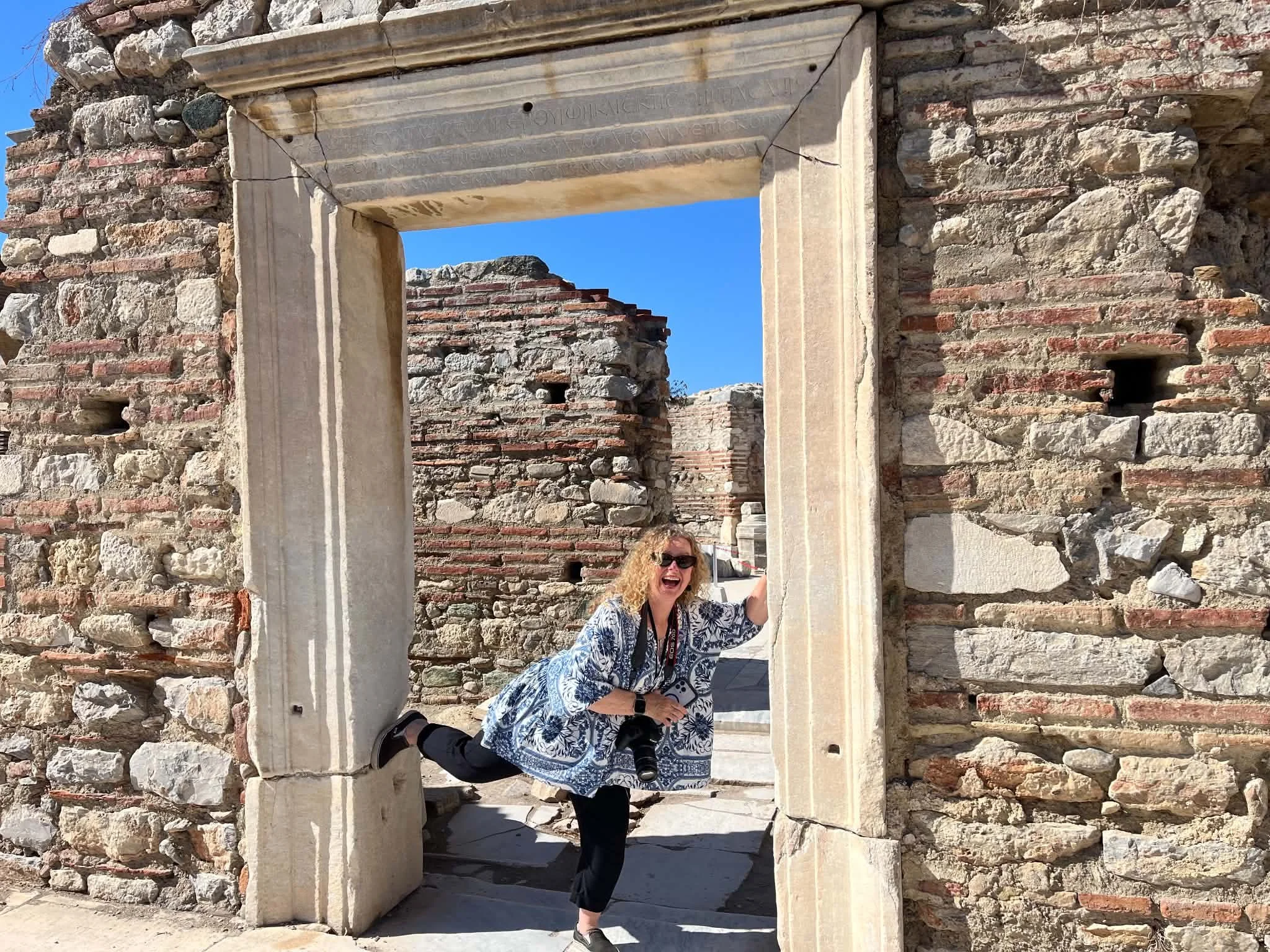
Walking around this place, with its network of marble paved roads, fountains, squares and high-end shops (where pepper was worth more than gold) with beautiful mosaic floors, you really get a feel for the city it was. The apostle Paul lived and worked here for 3 whole years and it was so cool to be seeing places where he certainly would have hung out and chewed the fat. Surreal really. Under the shade of the pomegranate trees, we each pulled up a random ruin to sit on and read stories of when Paul called Ephesus home. As we sat, our soundtrack was a choir singing with angelic voices in harmonies that rang out below the mountains. So cool!
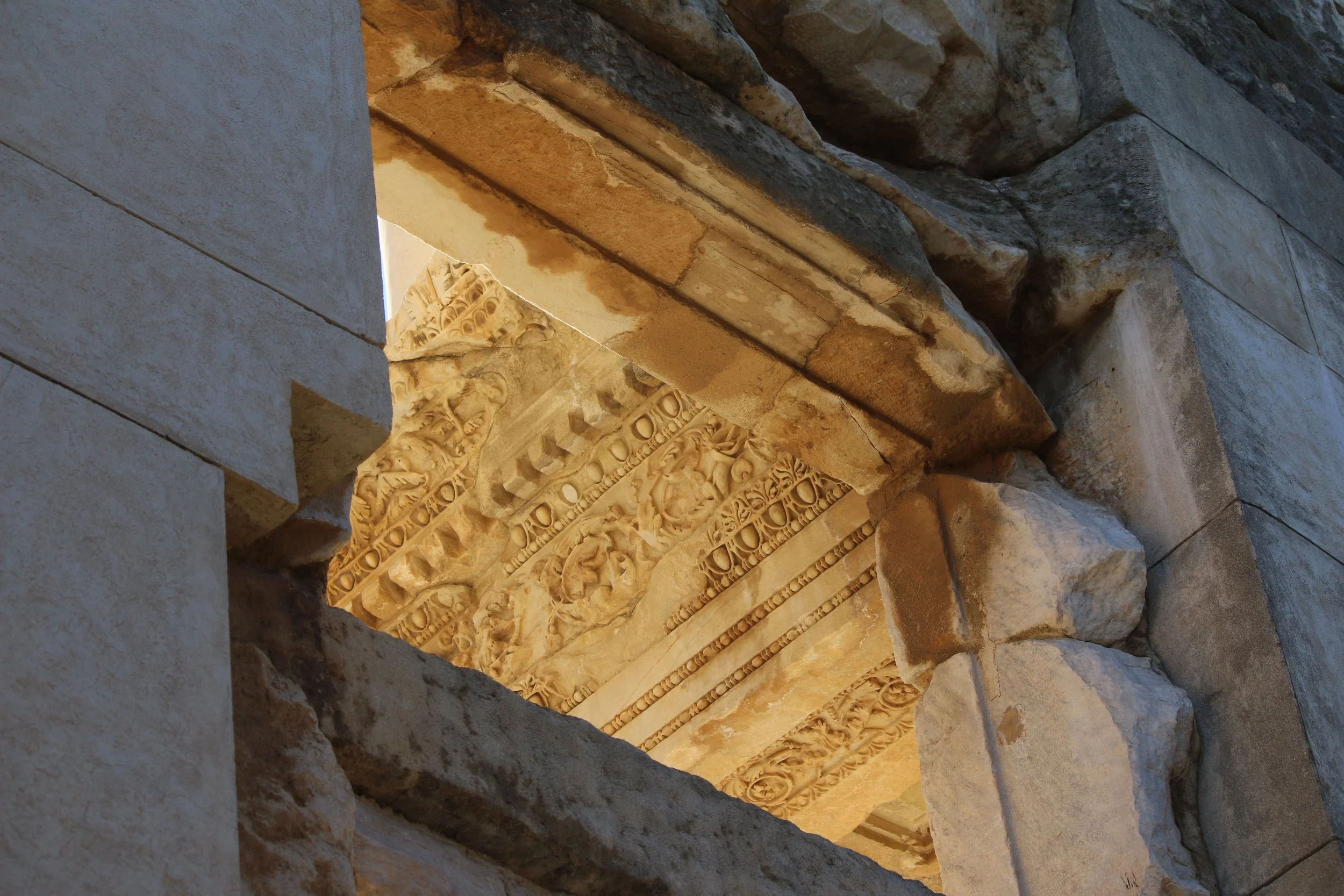
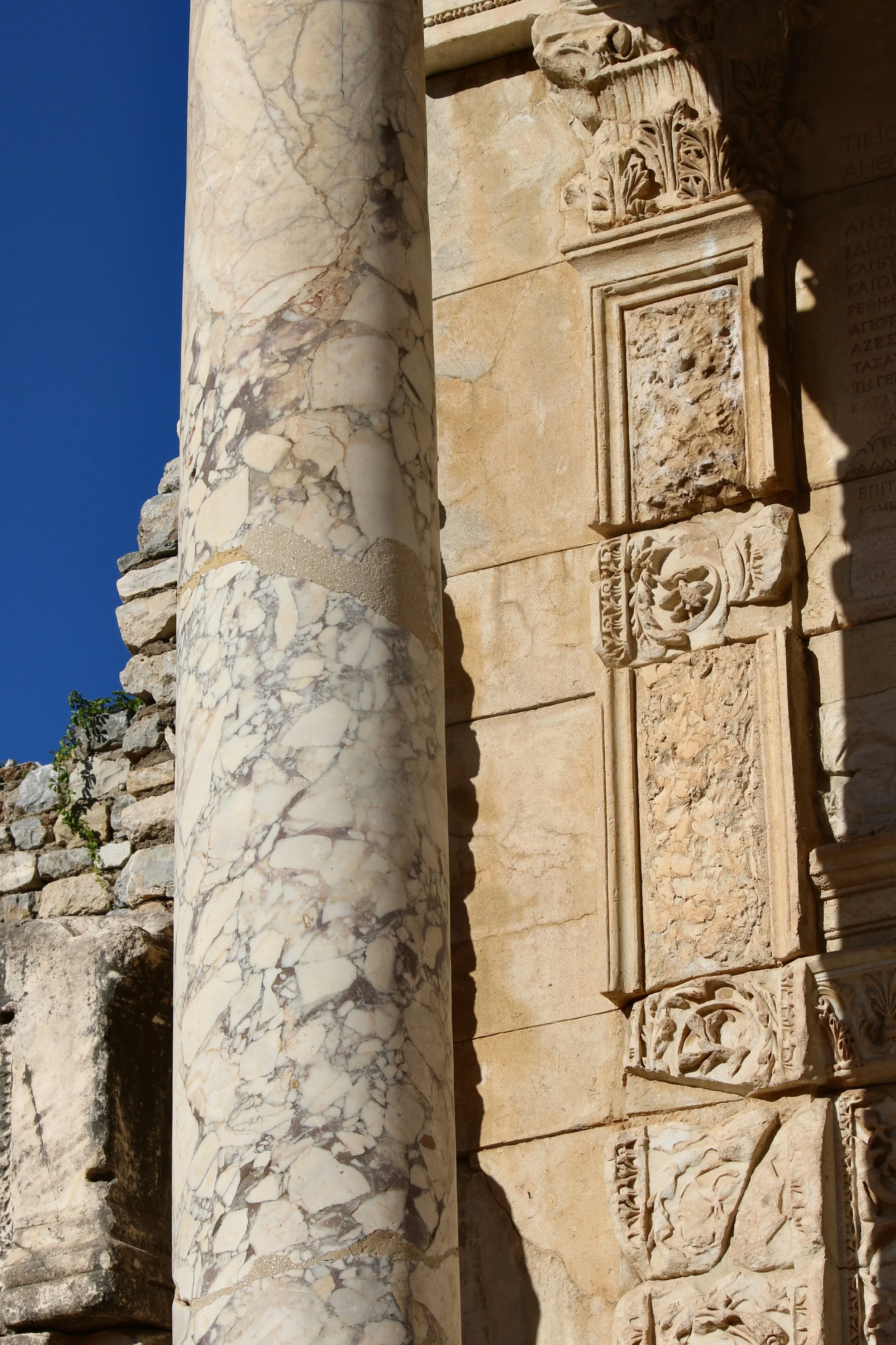
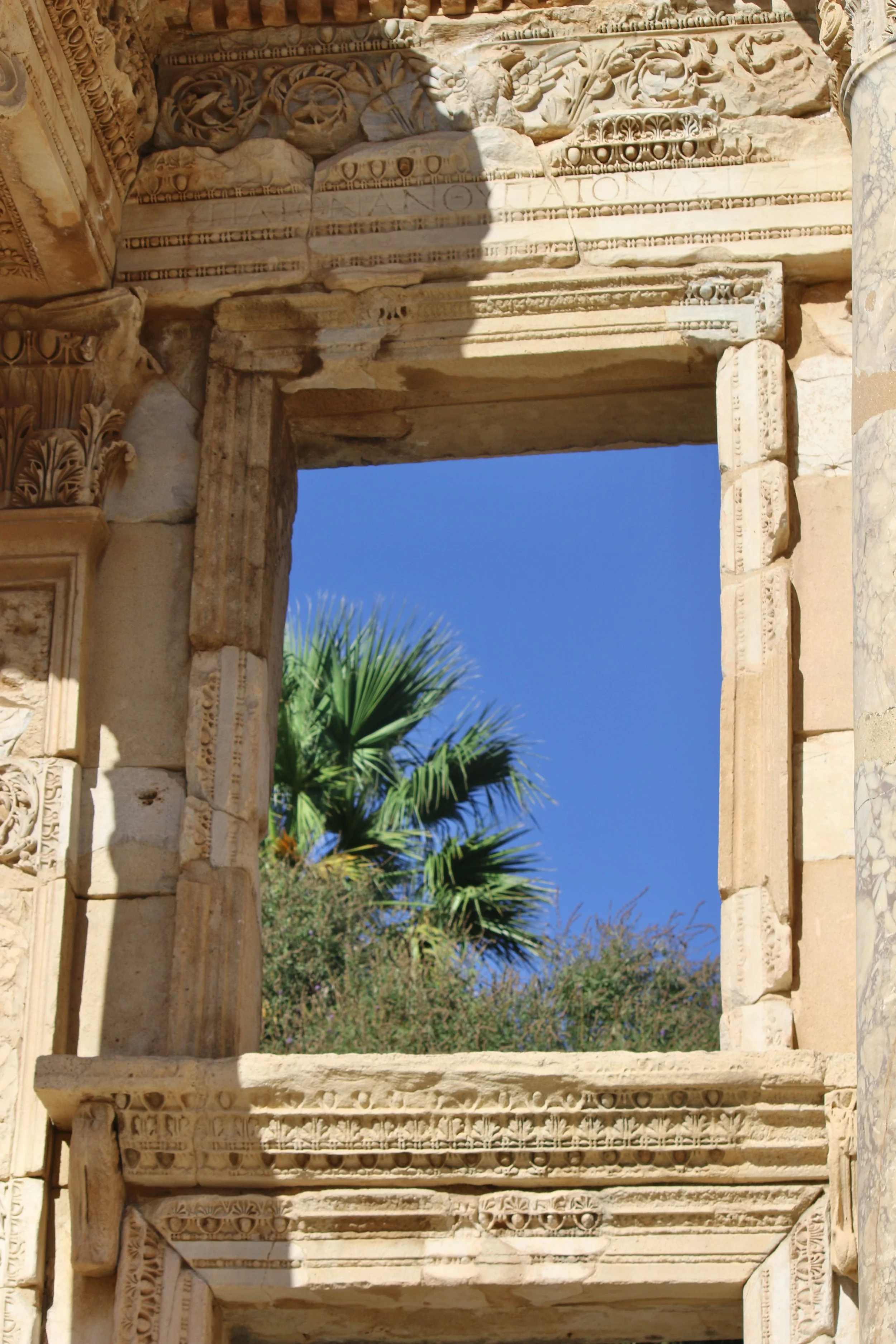
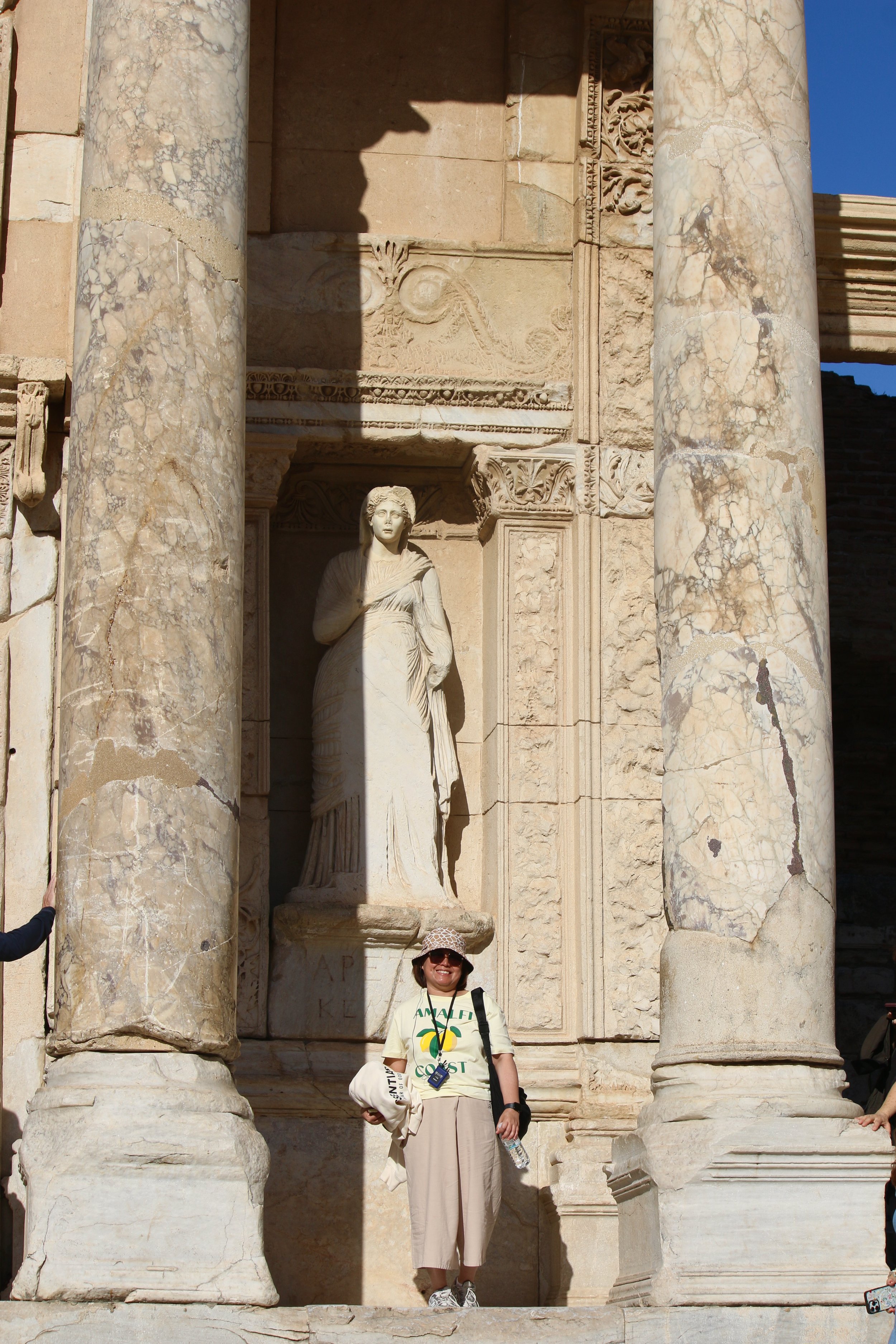
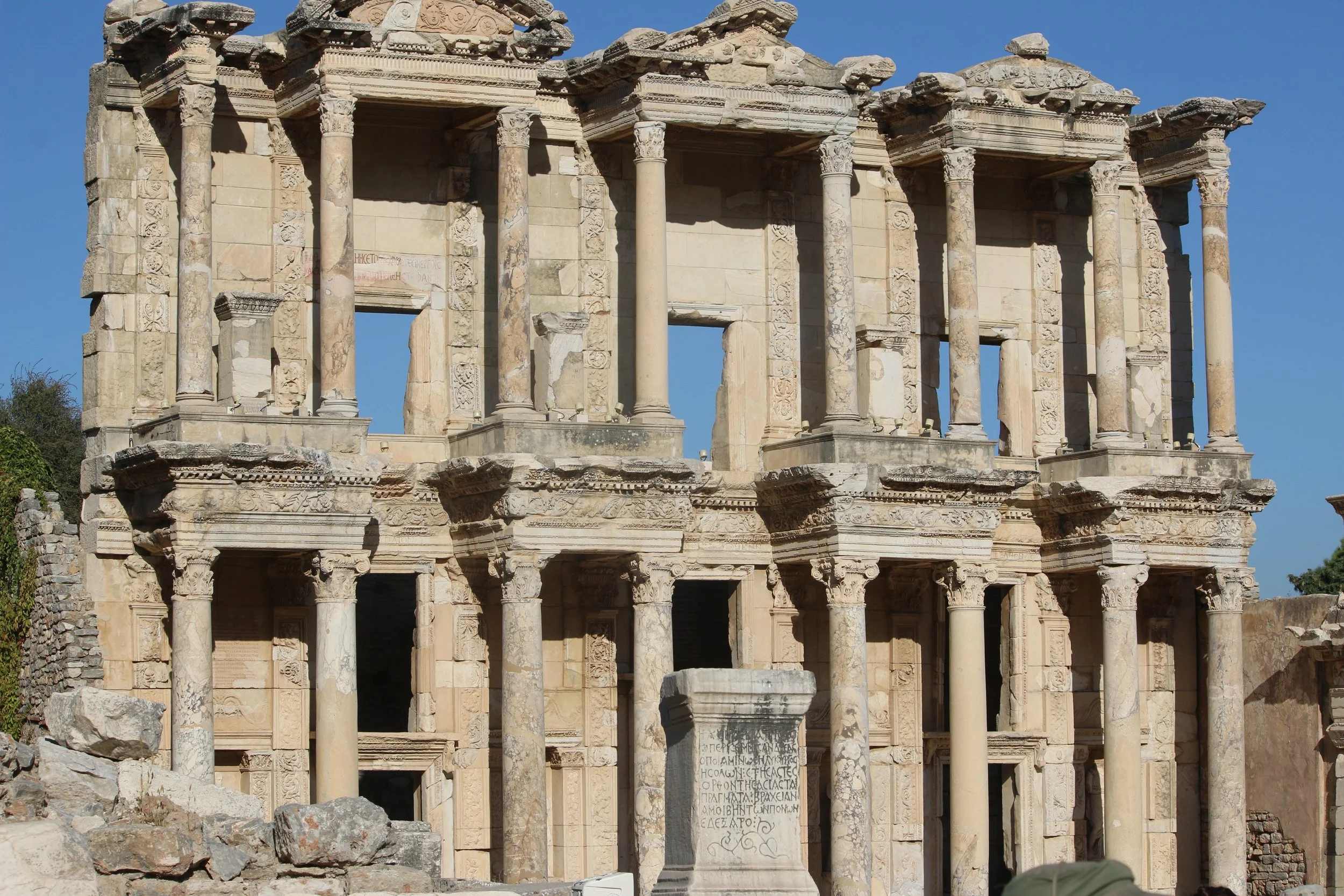
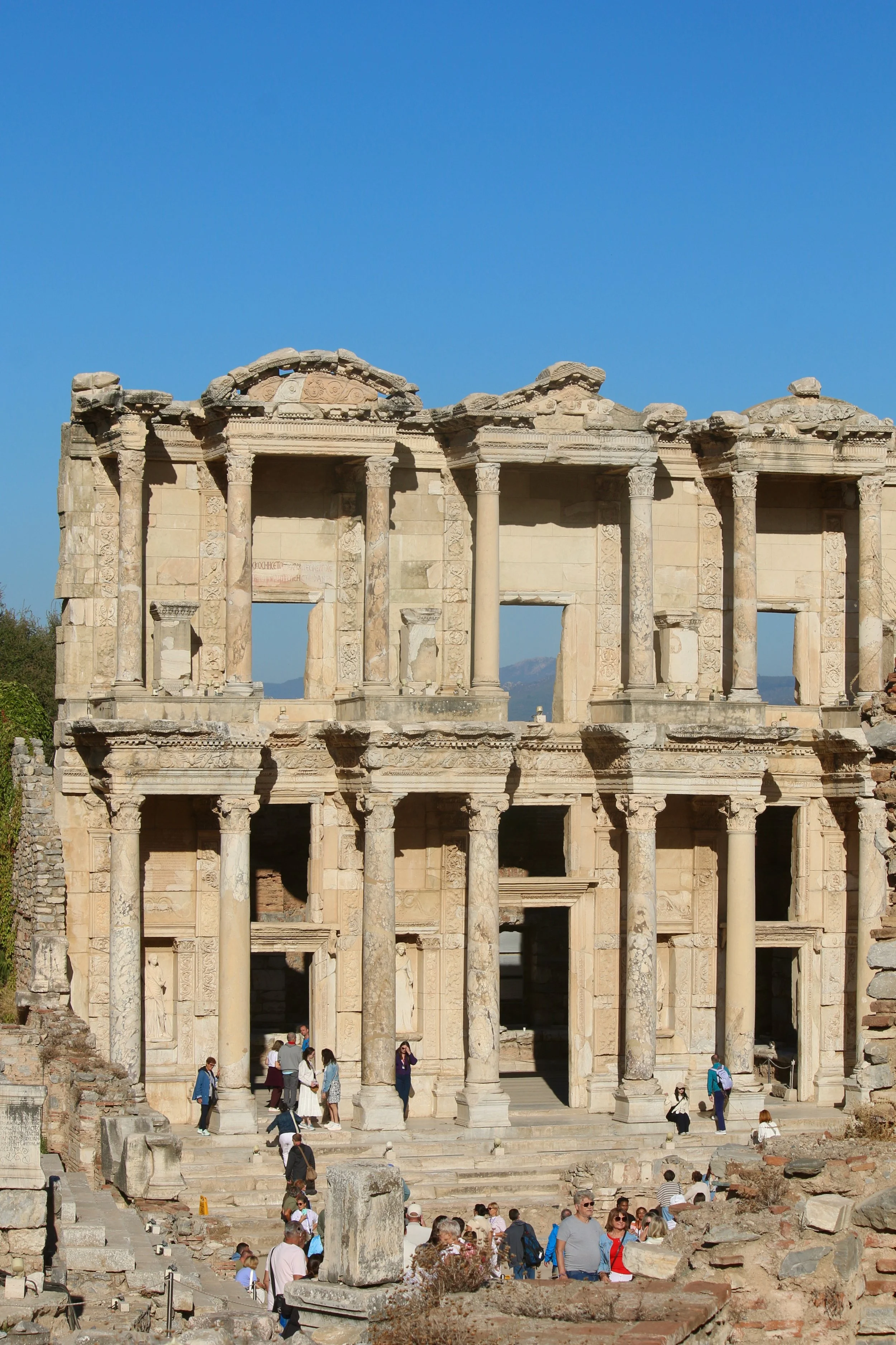
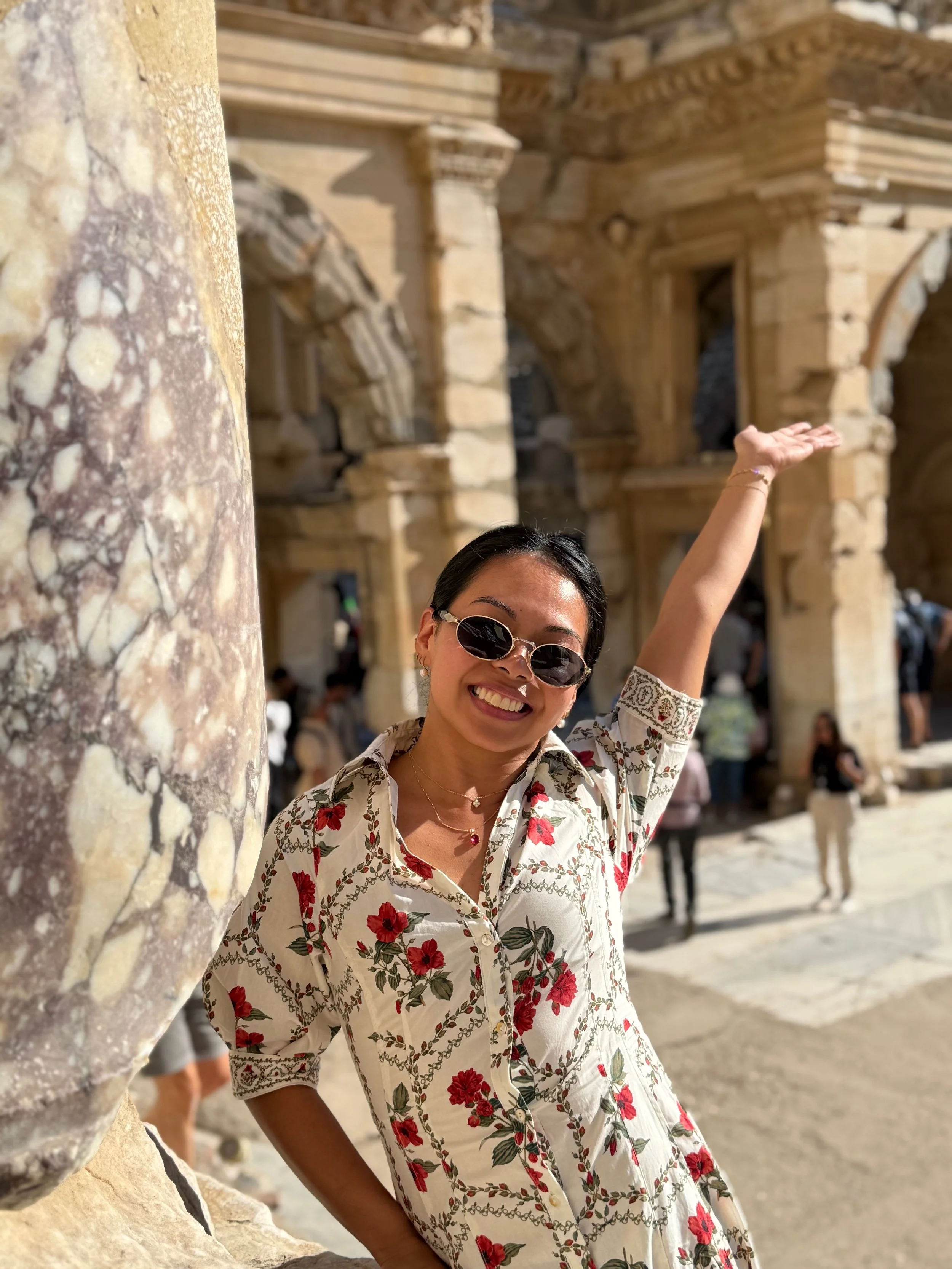
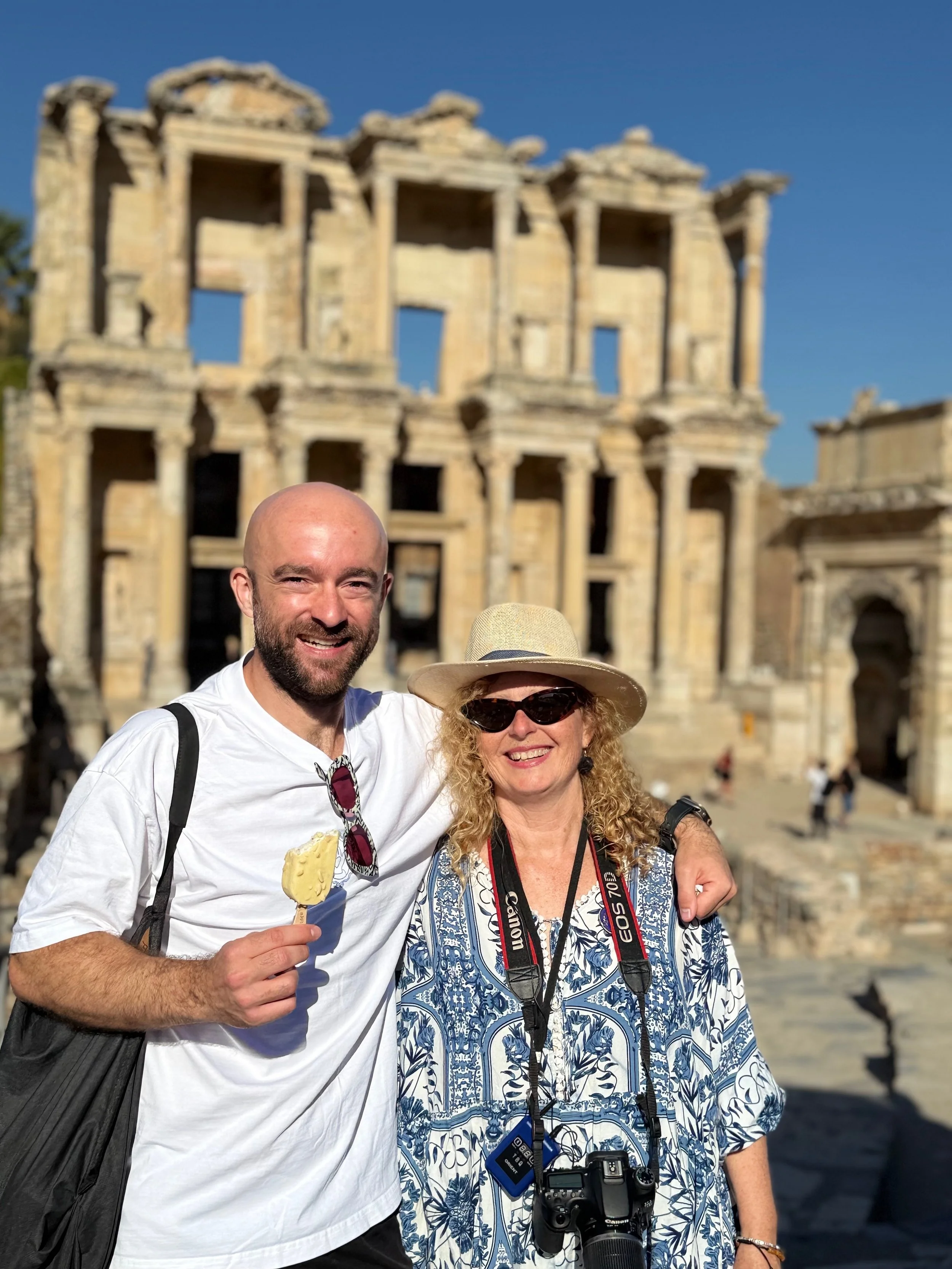
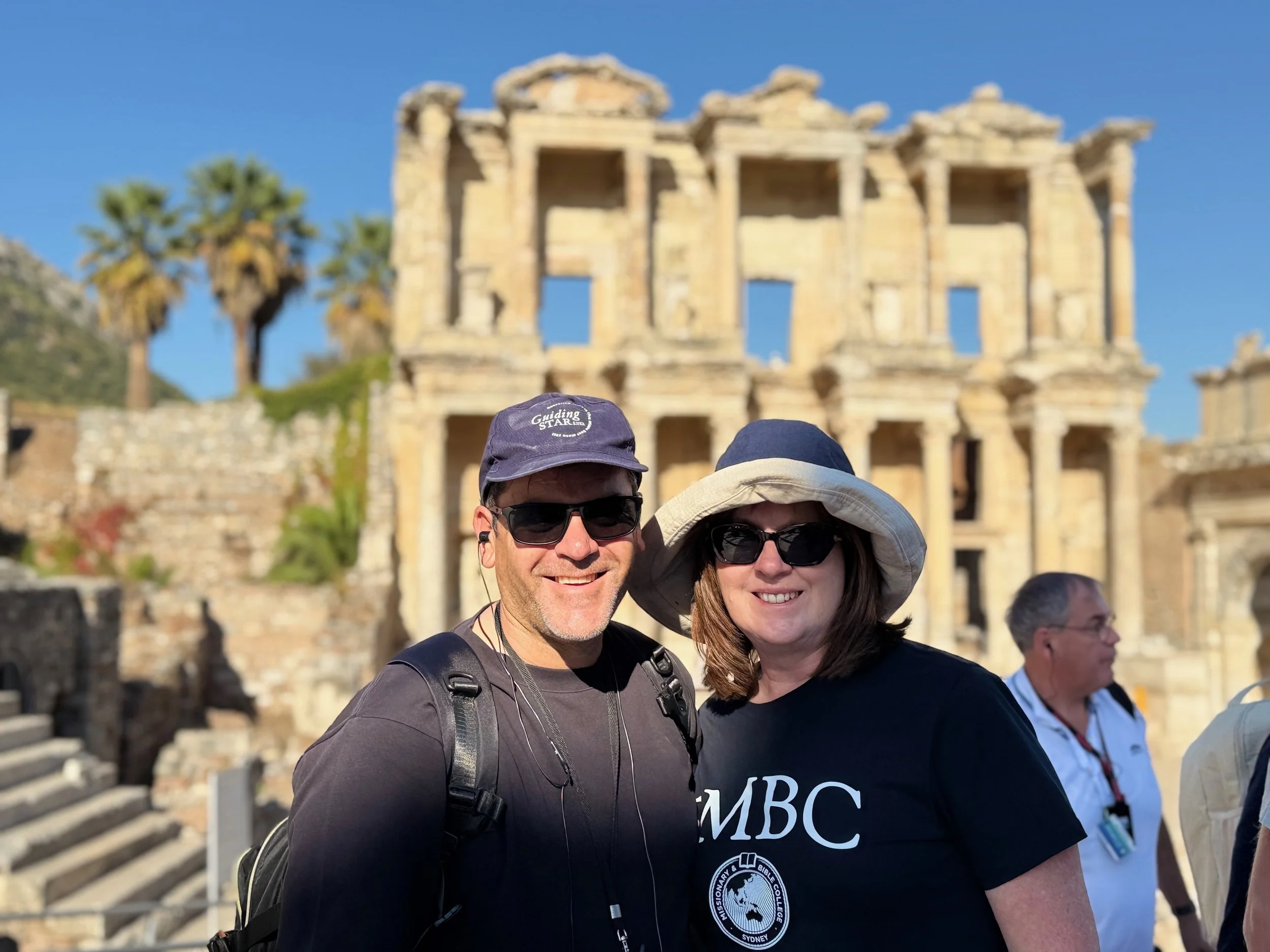
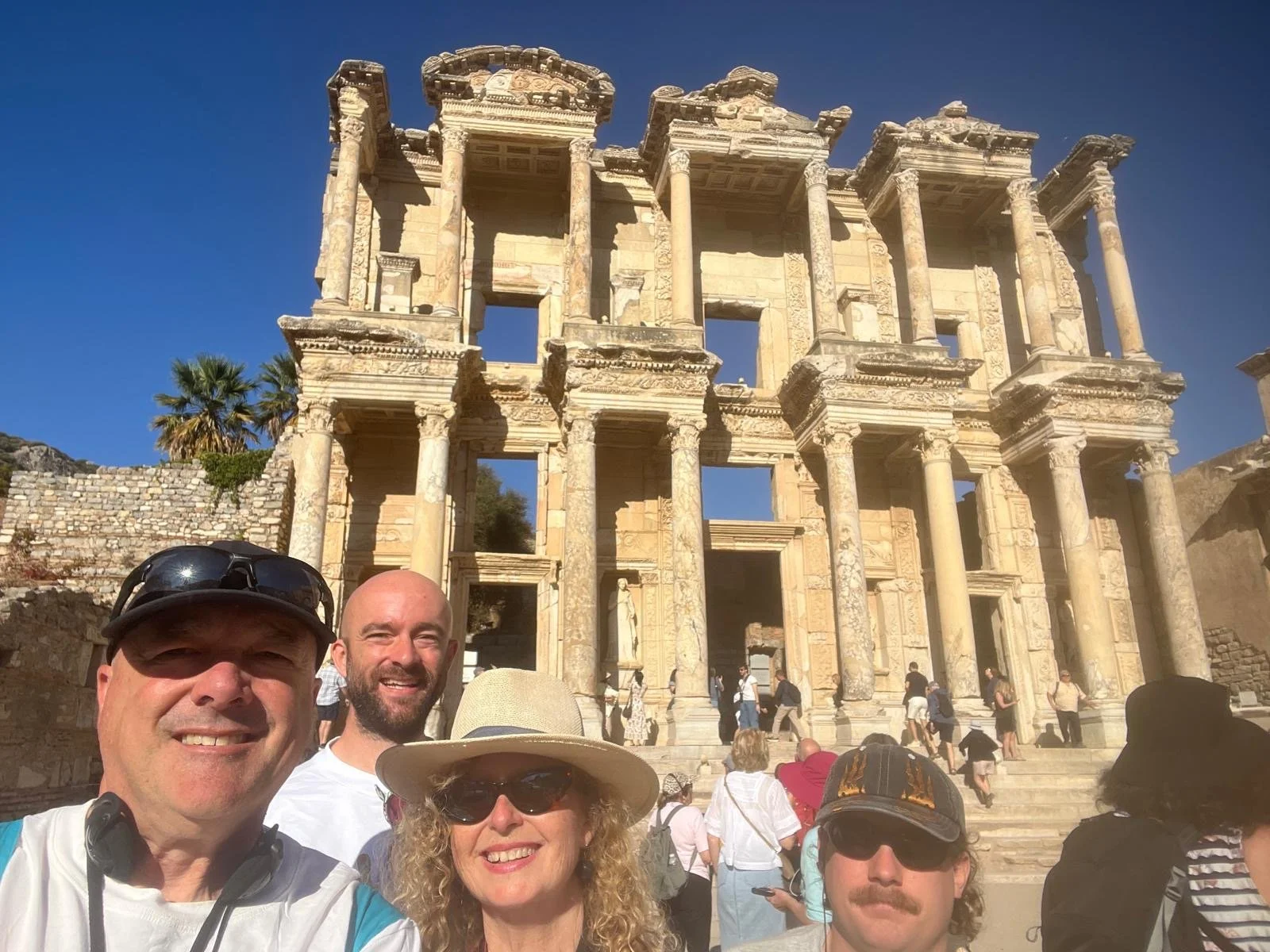
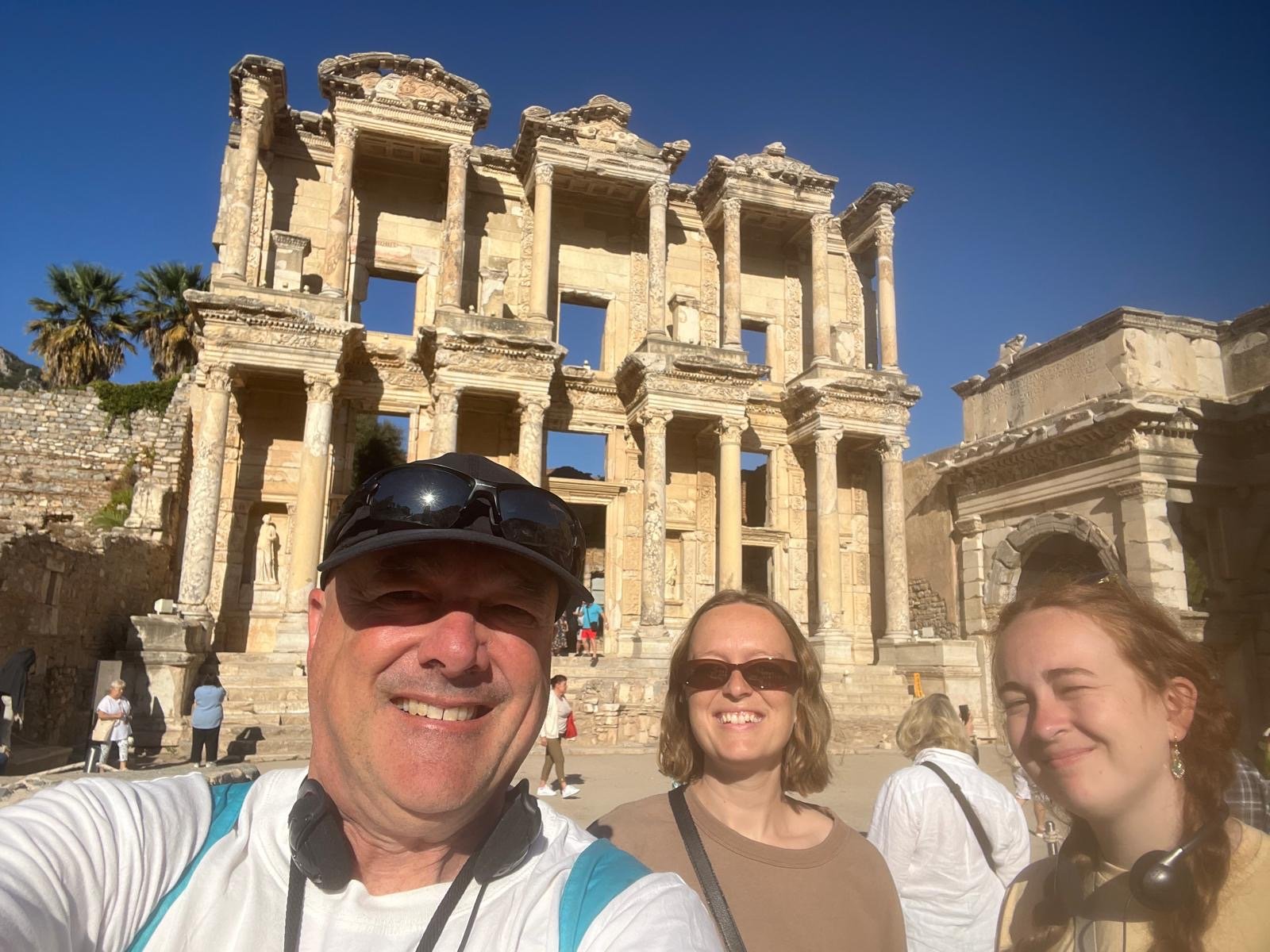
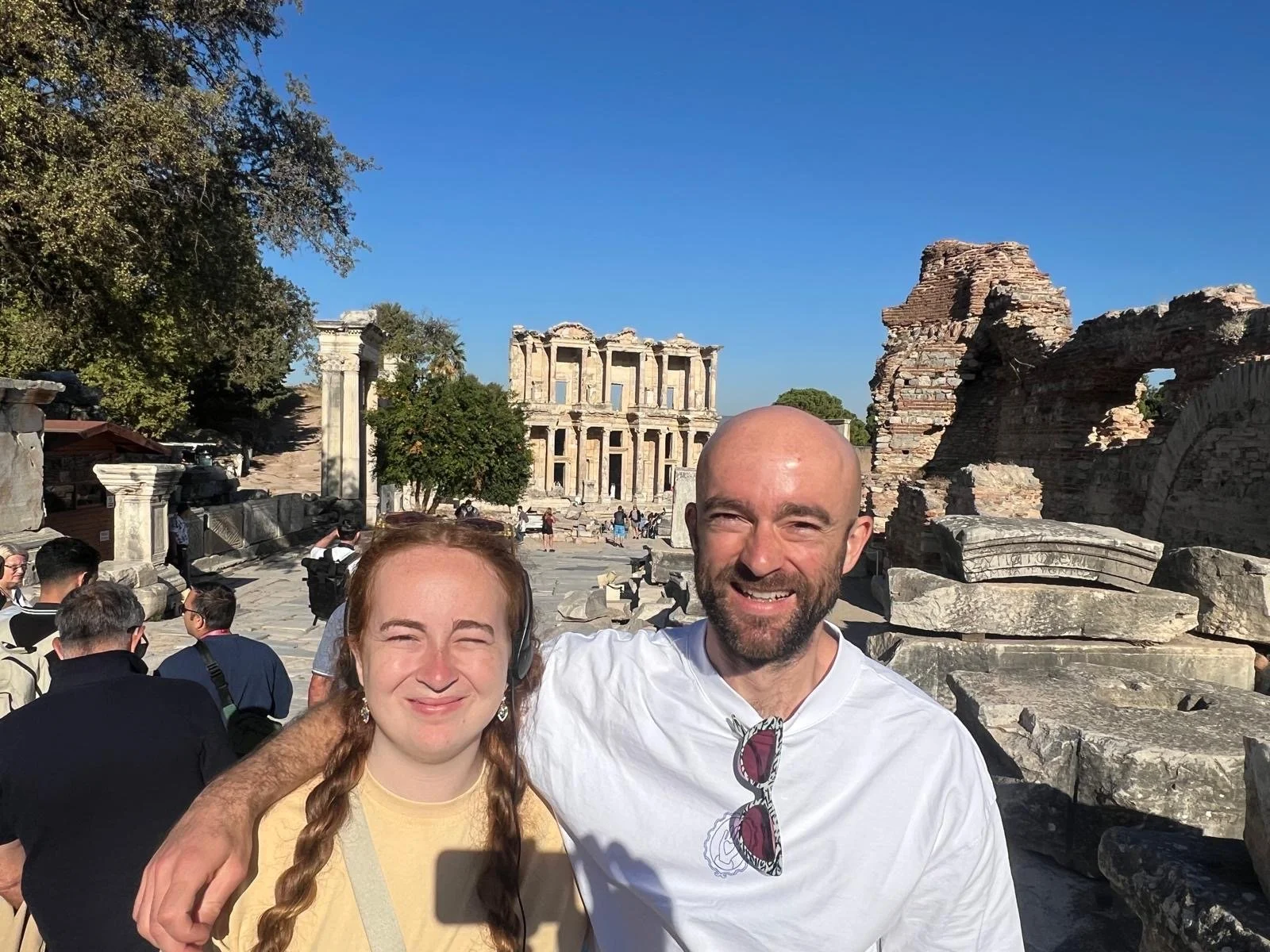
Descending the main thoroughfare through this ancient town, our eyes were naturally drawn down the hill, past the sun-bleached marble and scattered ruins, towards the extraordinary two-storey façade standing almost intact at the bottom of the hill. Shenon explained this was the library, 3rd in size and prestige to the libraries at Alexandria and the one we’d already seen at Pergamum. The marble columns, niches and ornate stonework of this incredible building were catching the light, so that the library was almost glowing against the surrounding ruins. It was like a 3-D version of the Treasury in Petra.
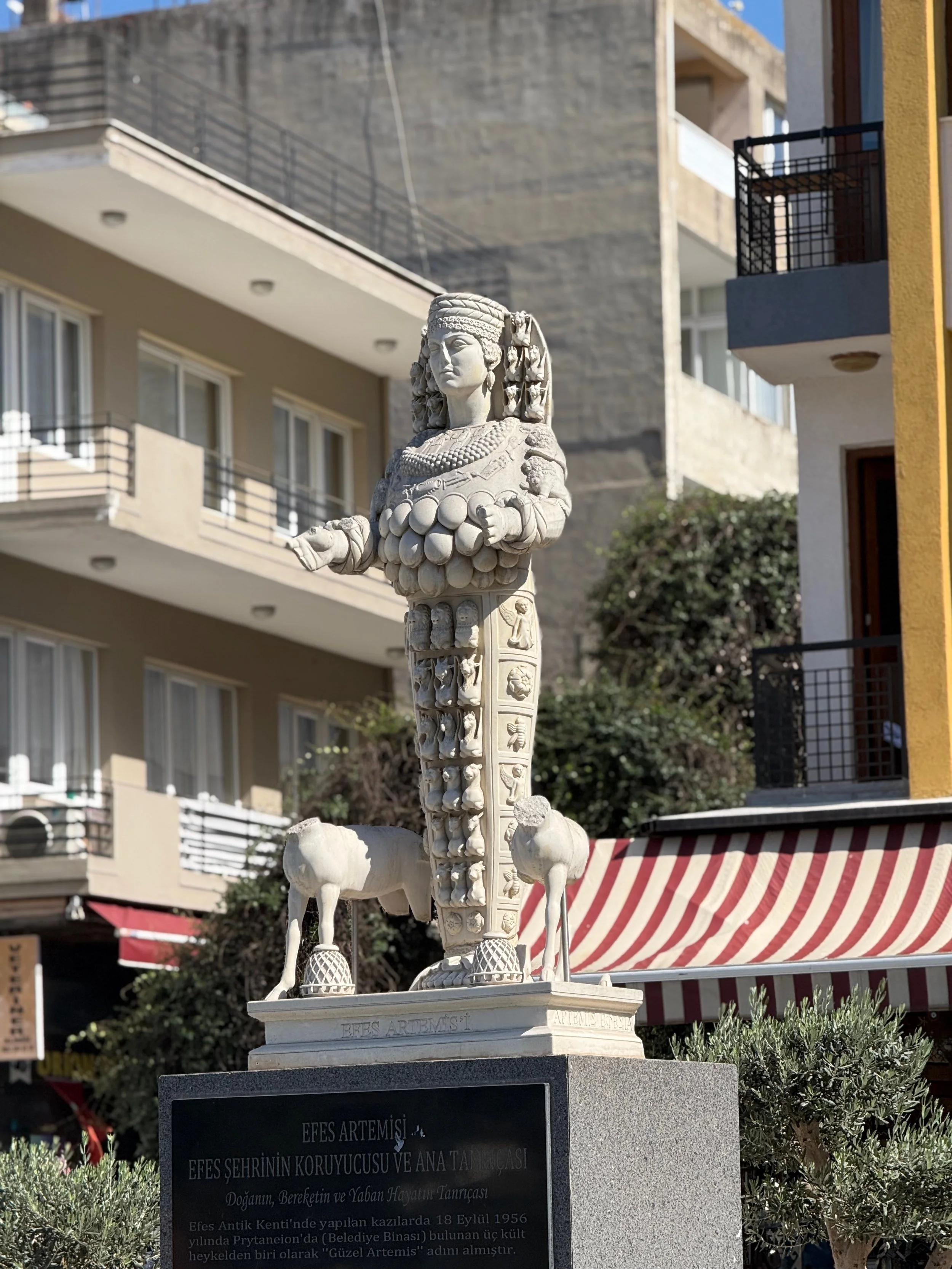
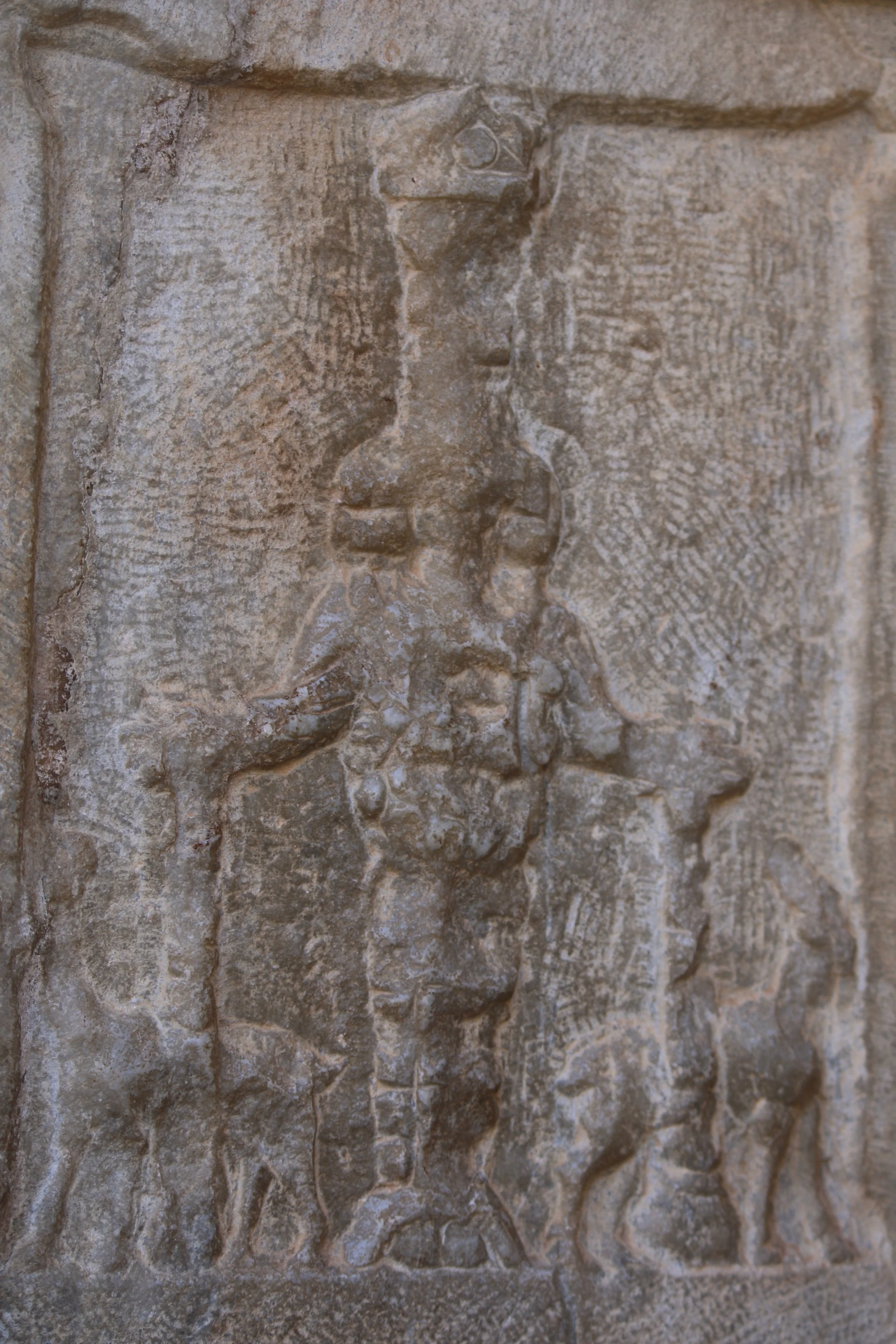
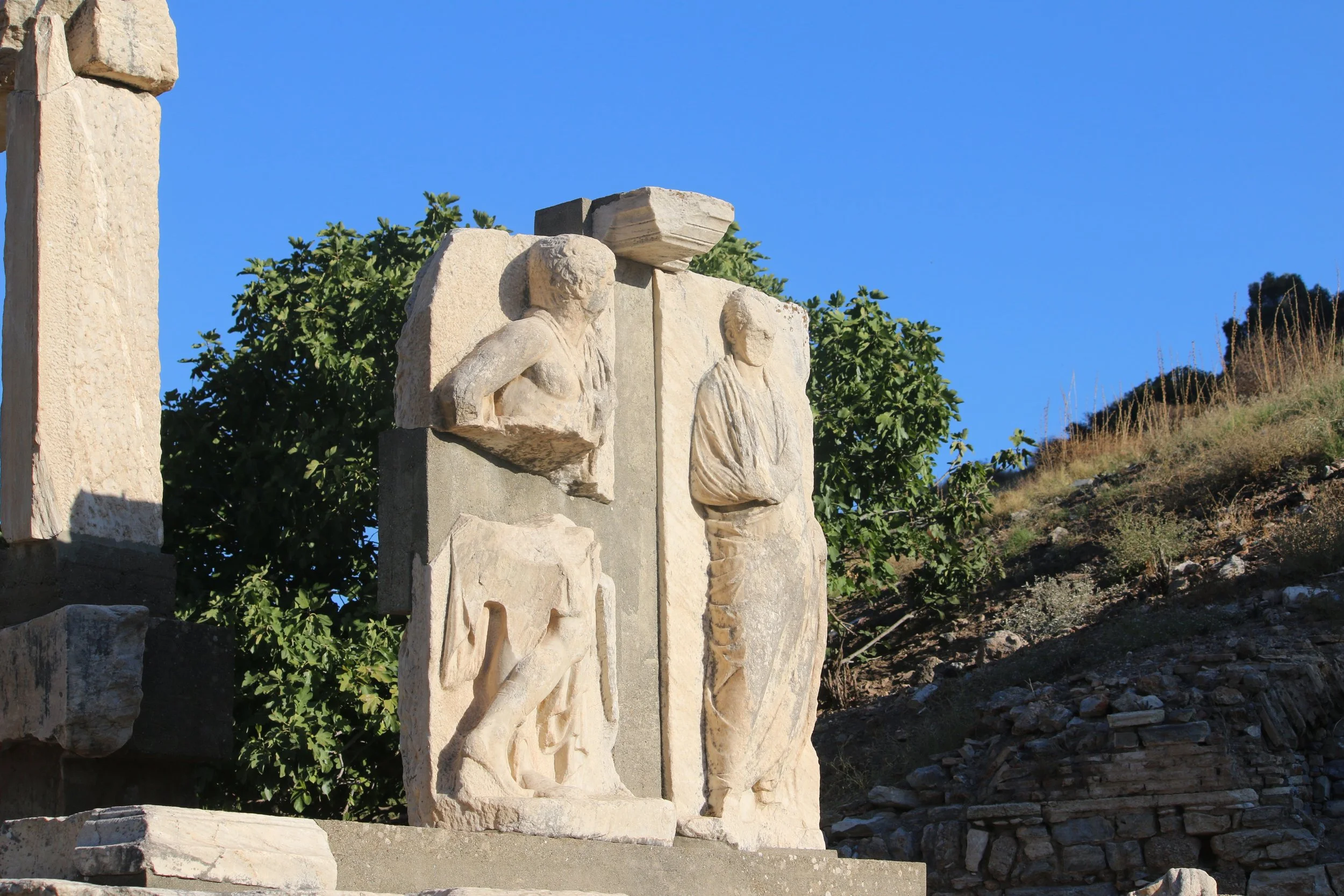
Before the apostle Paul had come to town and shaken things up, the main Greek god of choice in these parts was Artemis - tall-hatted, multi-breasted (where would she have shopped for a bra?) and supposedly the goddess of both chastity and childbirth. Go figure. When Christianity was preached here in the 1st Century, people flocked to follow Jesus’ teachings (re-told by Paul) which greatly upset Demetrius whose sales of little Artemis figurines had taken a dive. It was amazing to see the gift shop at Ephesus still packed to the rafters with Artemis merch.
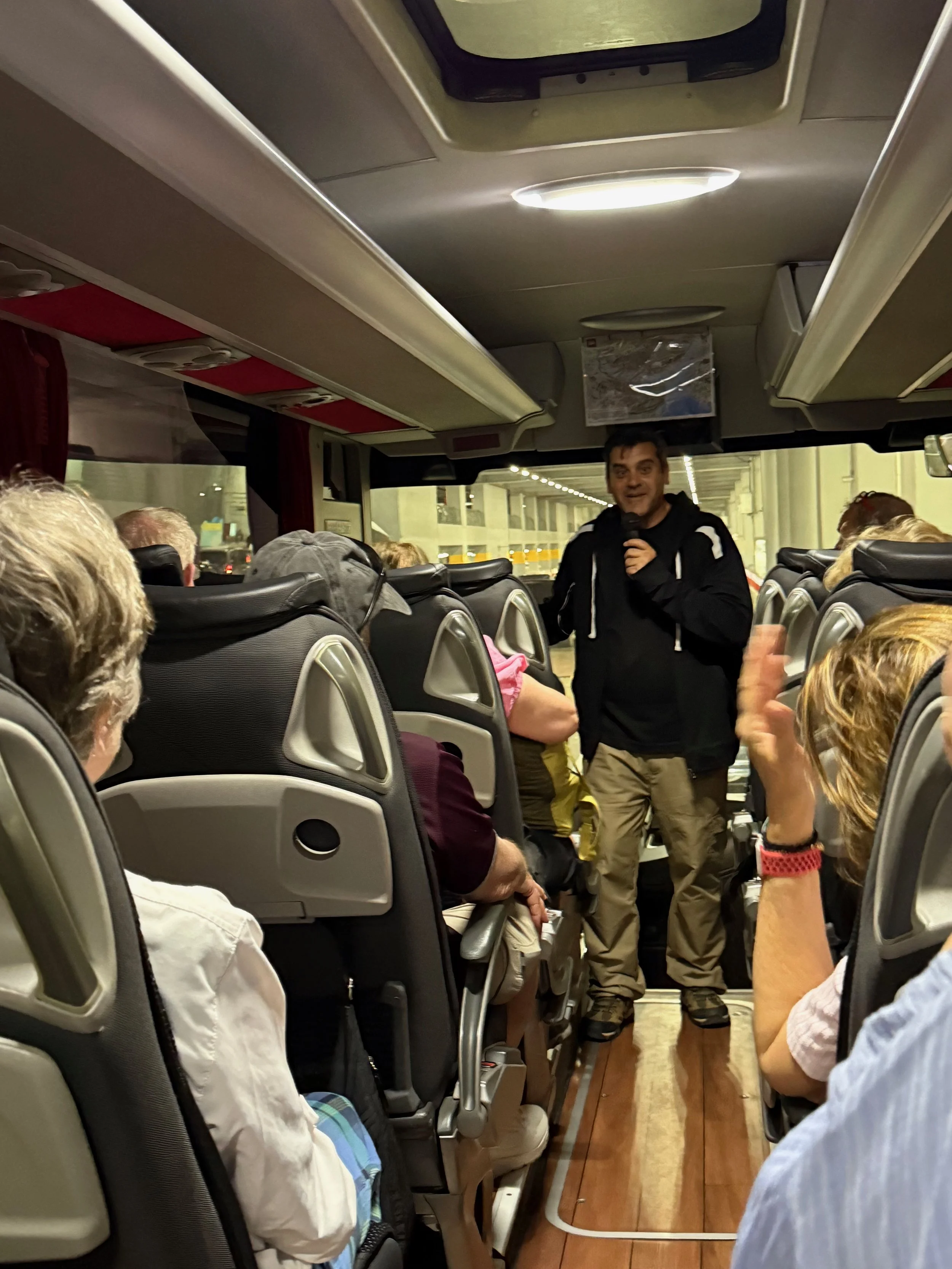
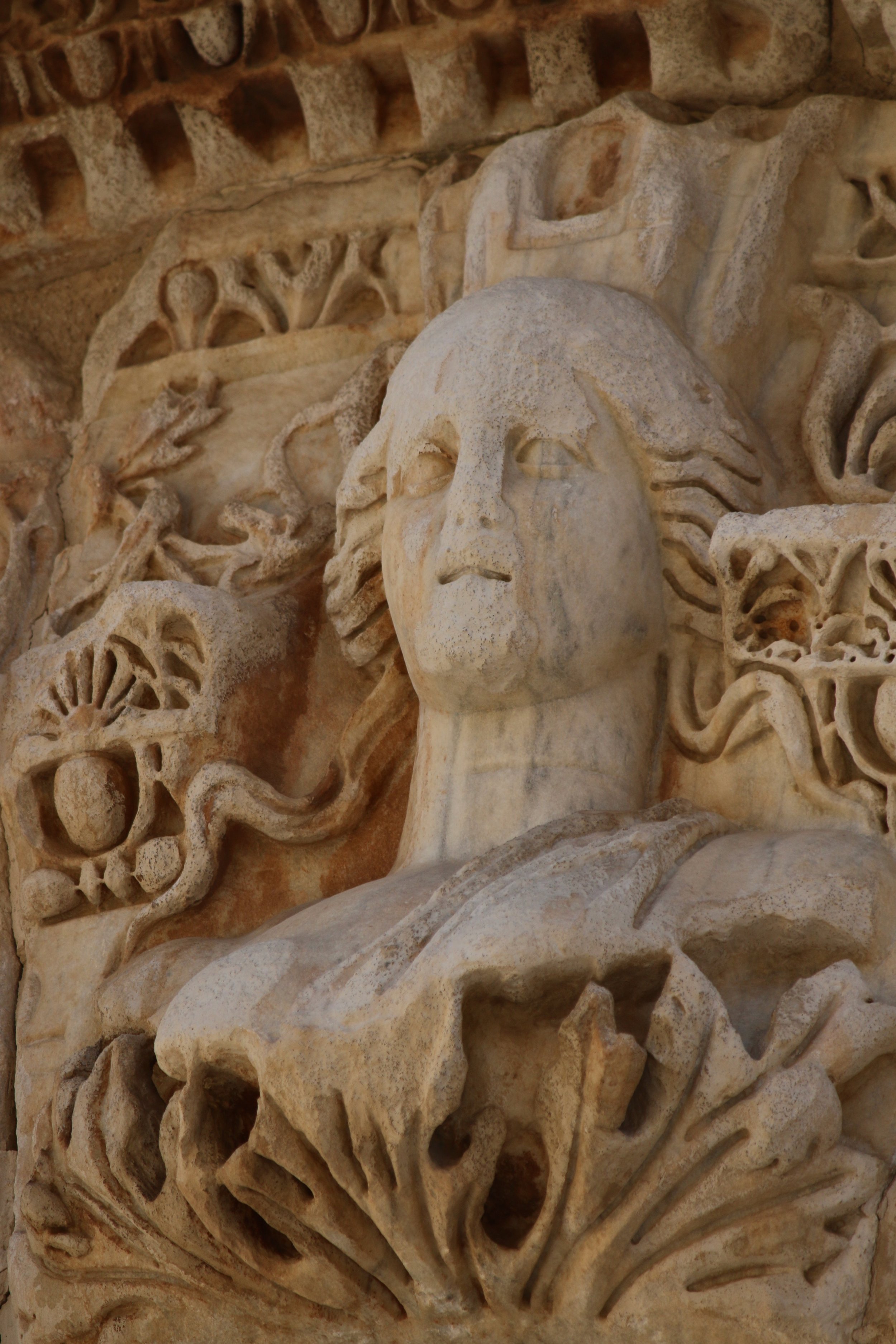
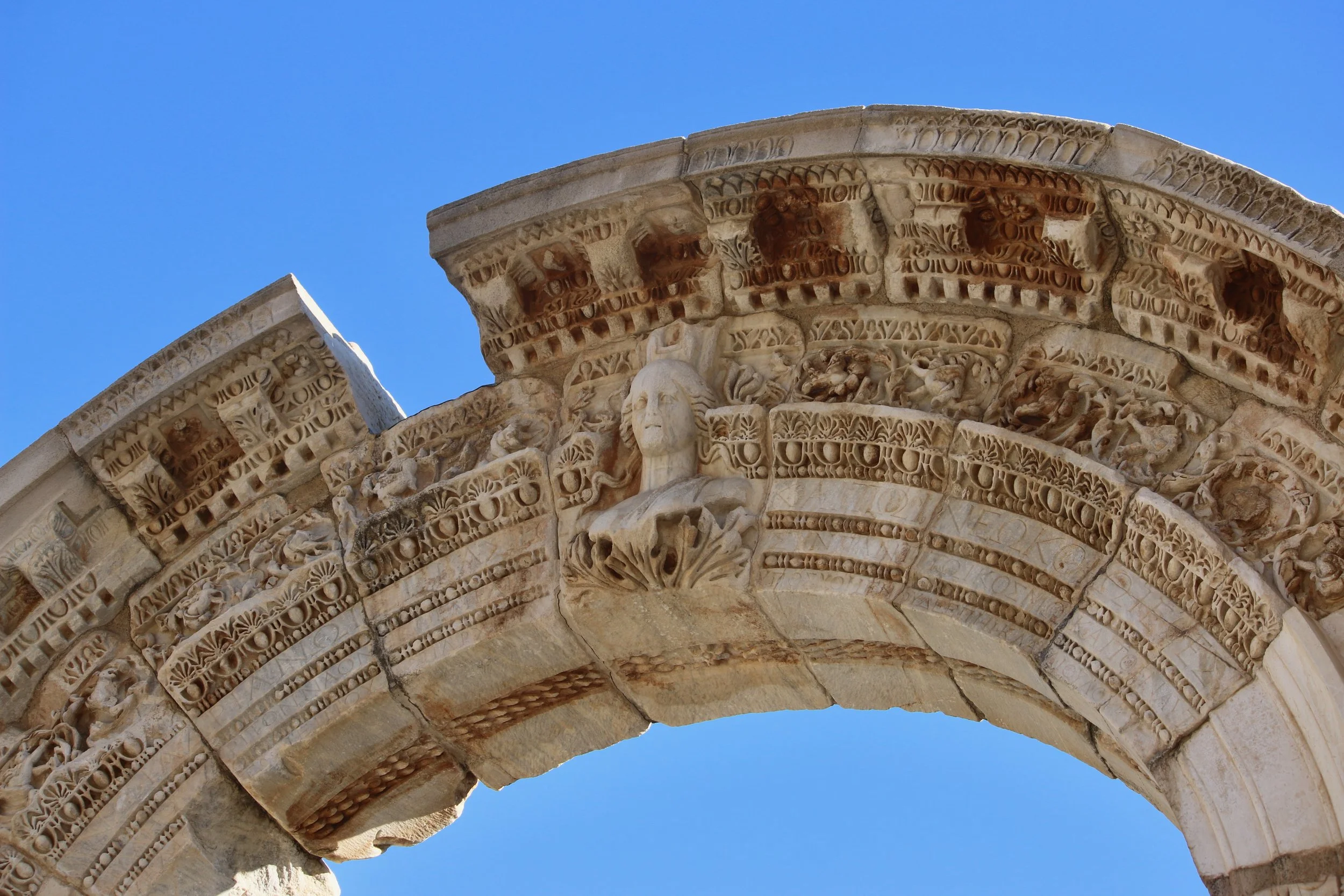
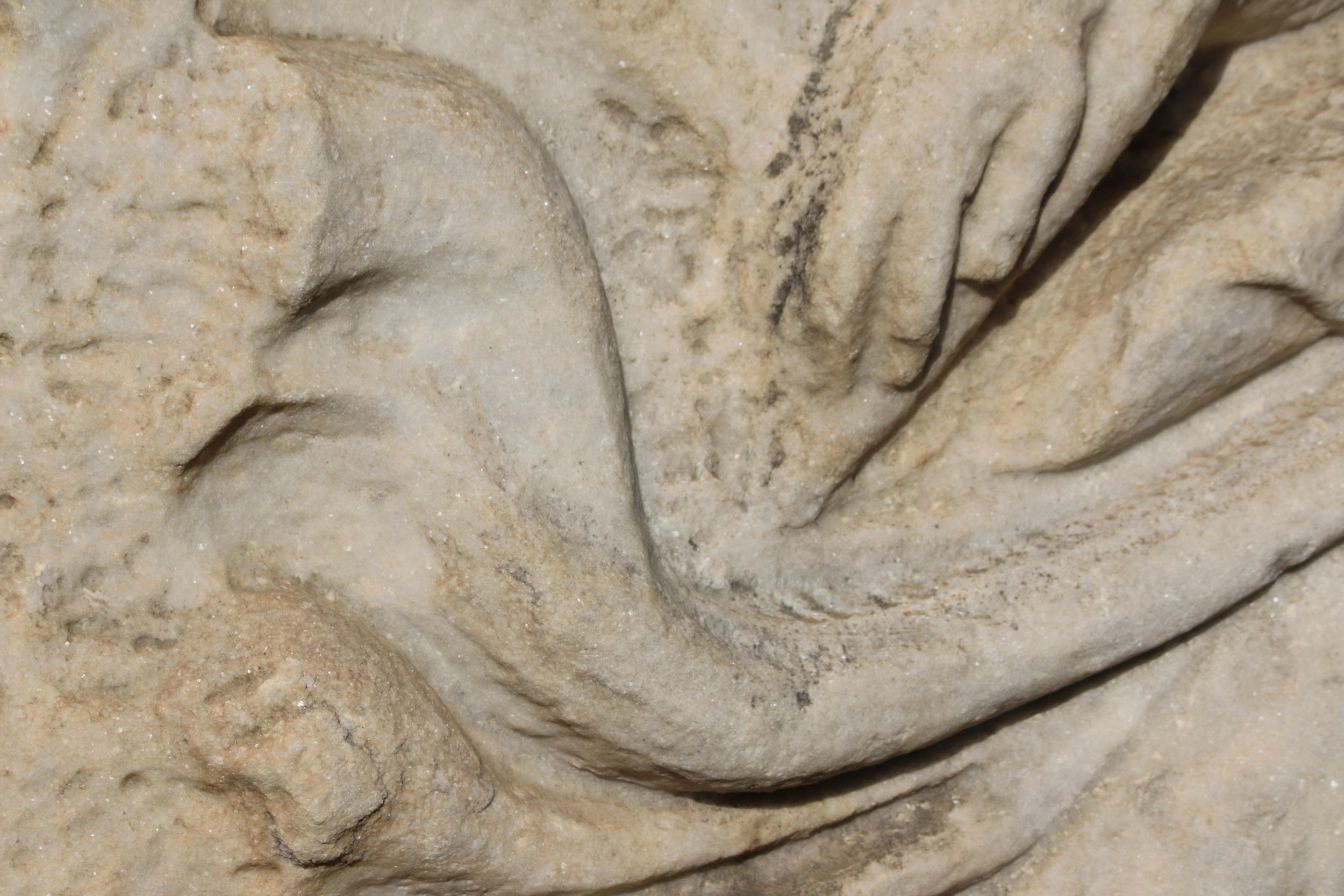
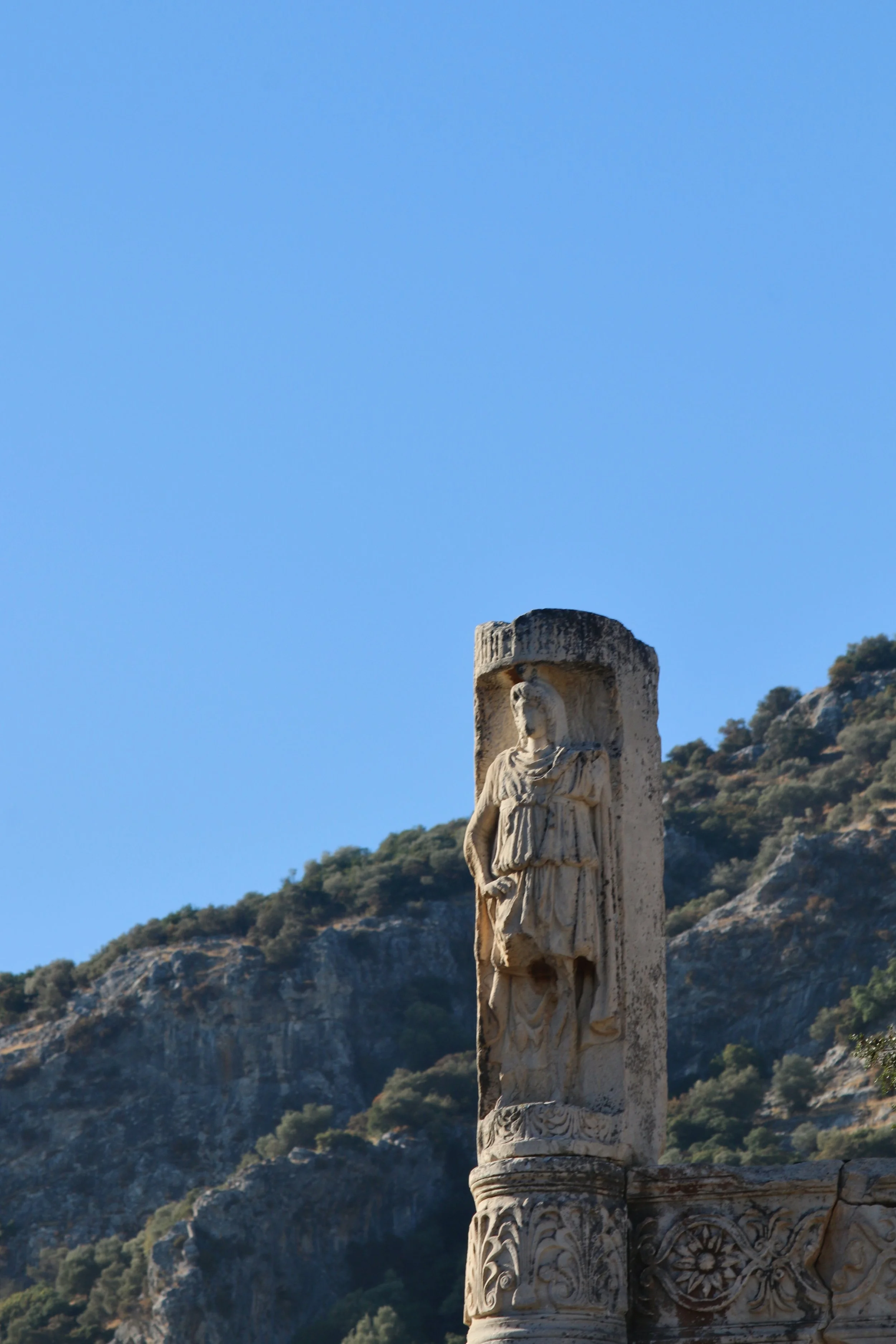
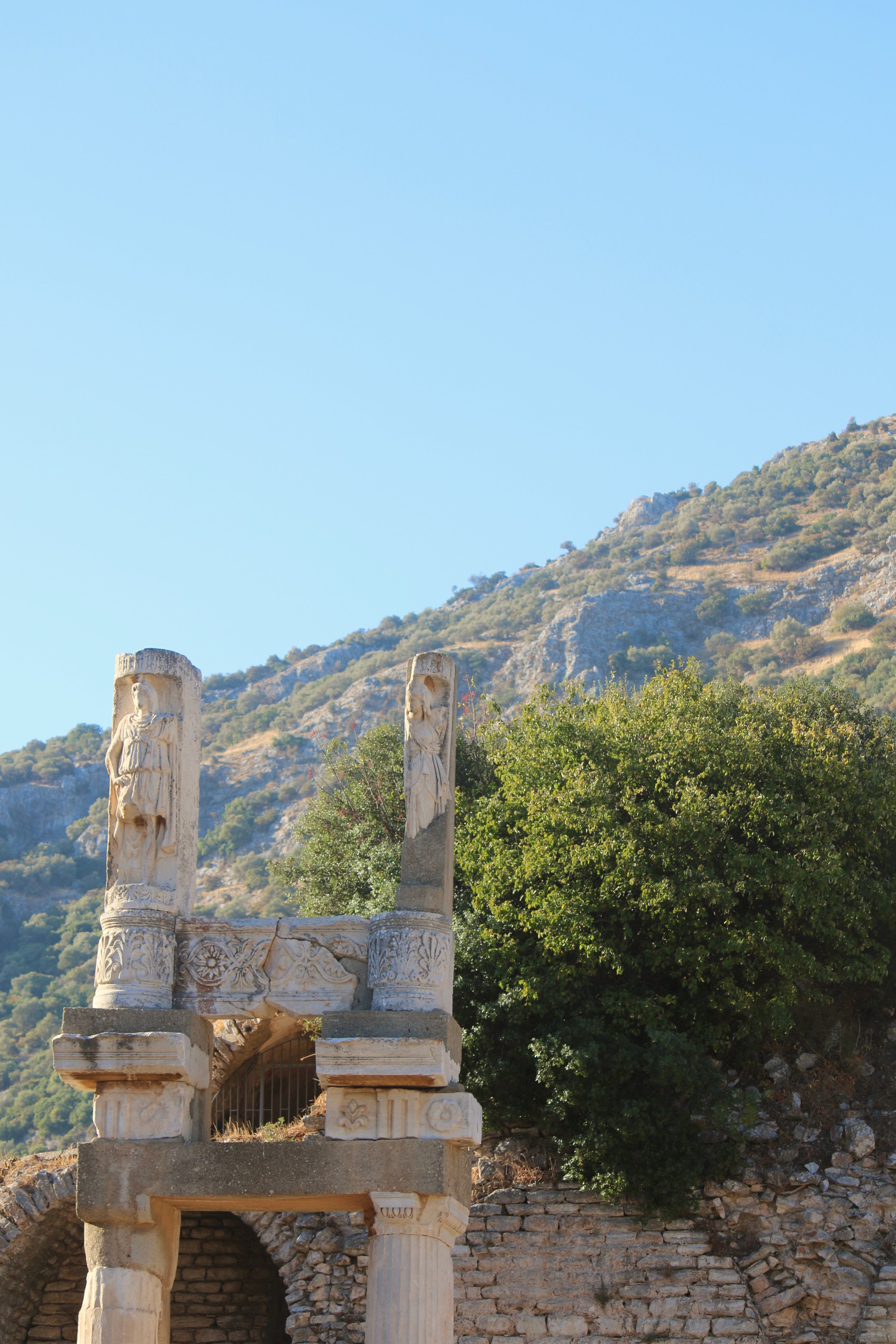
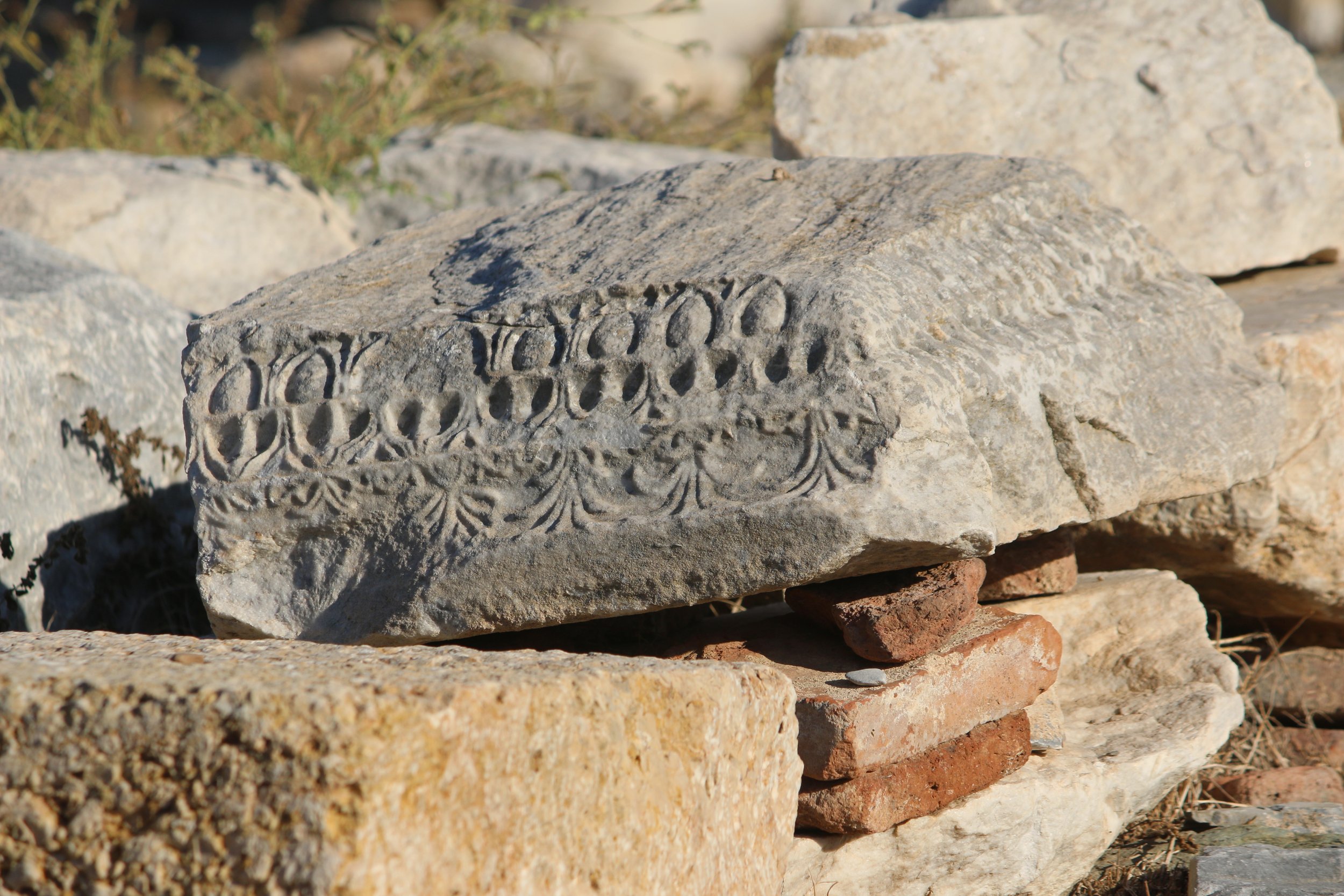
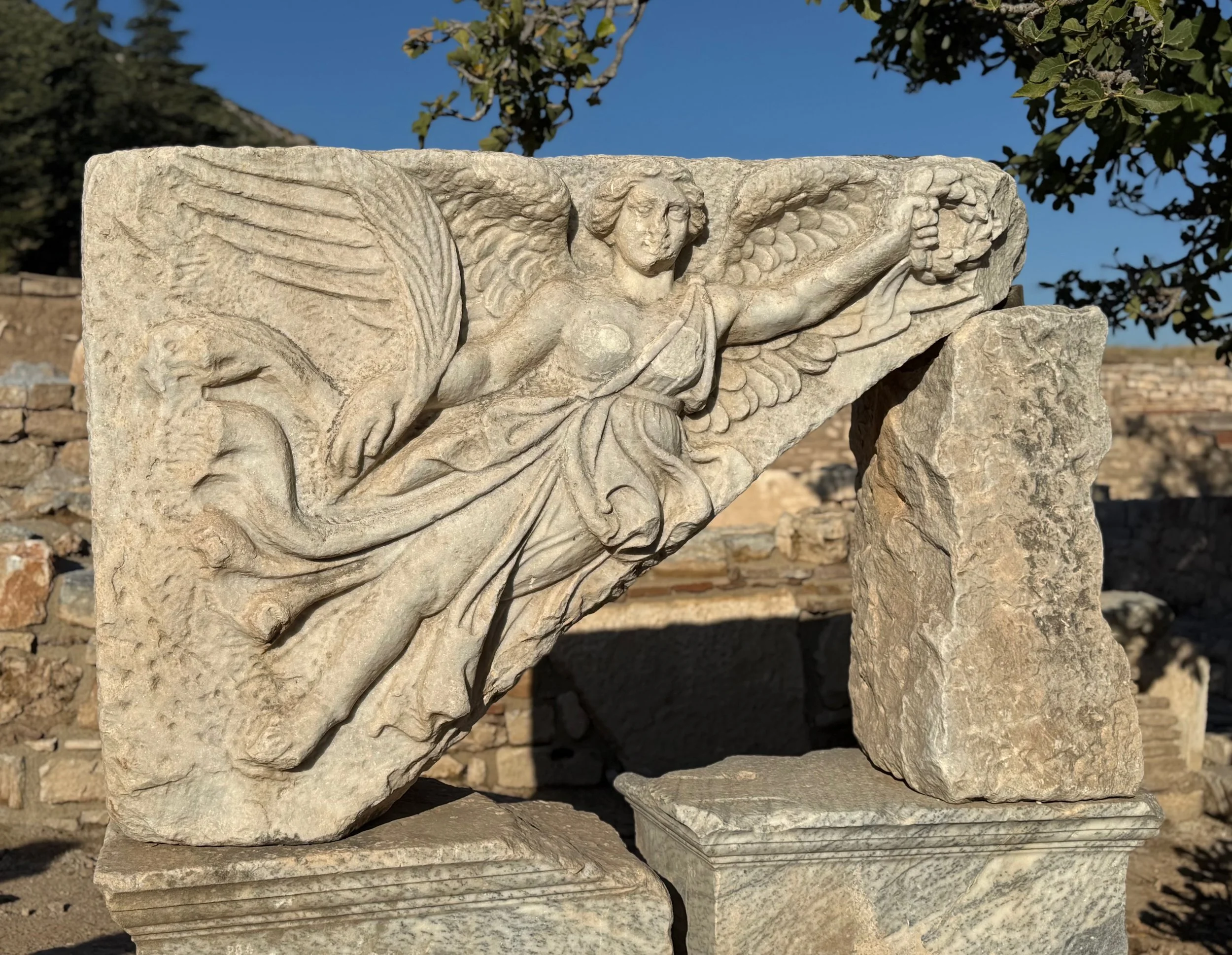
Speaking of Greek goddesses, the goddess Nike, ironically shoeless, is carved looking like an angel on a triangular shaped rock. Shenon pointed out the Nike logo beneath her.
He also pointed out the remnants of the Ephesian Brothel, which deviously had a secret tunnel linking it to the library.
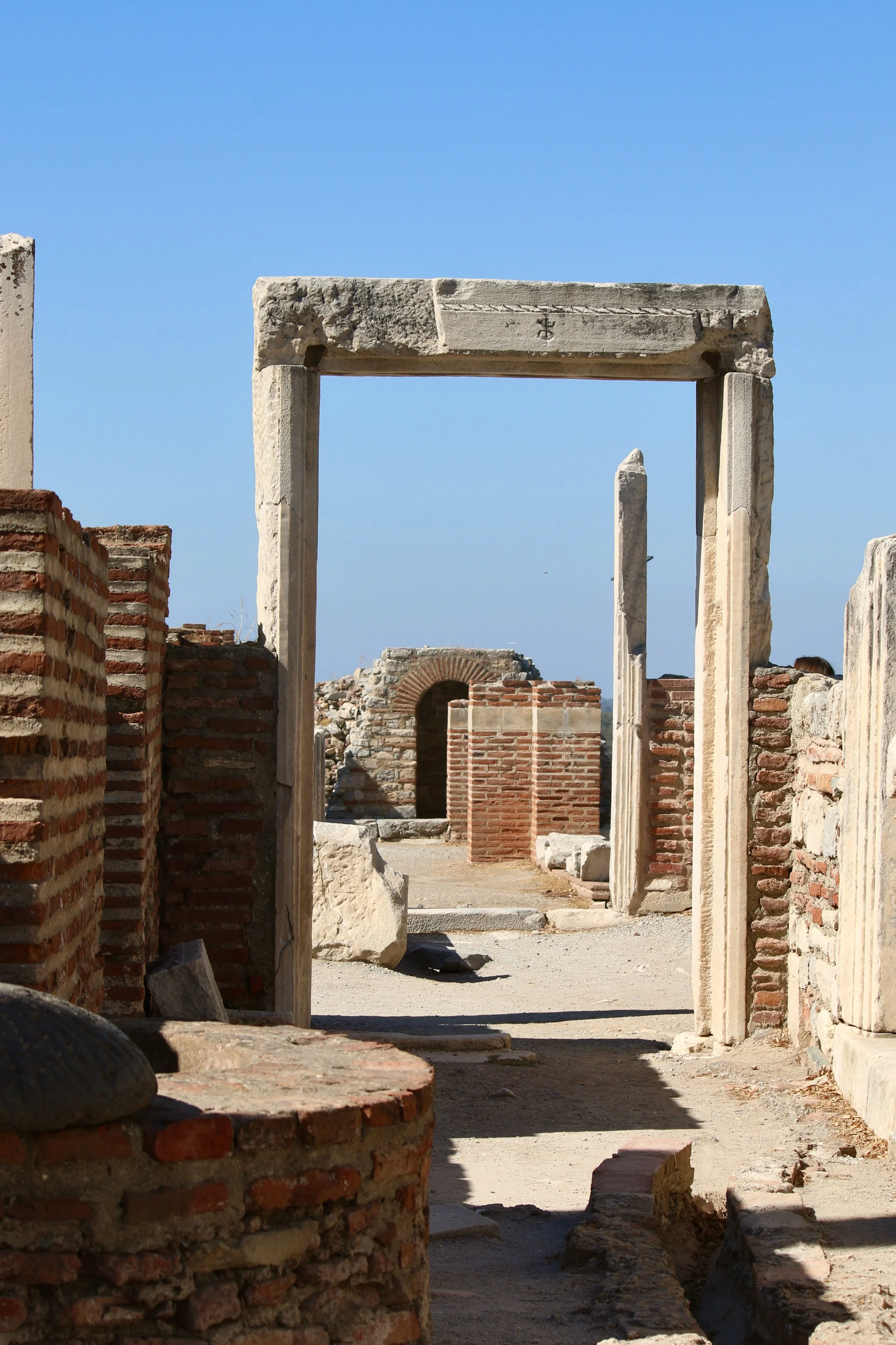
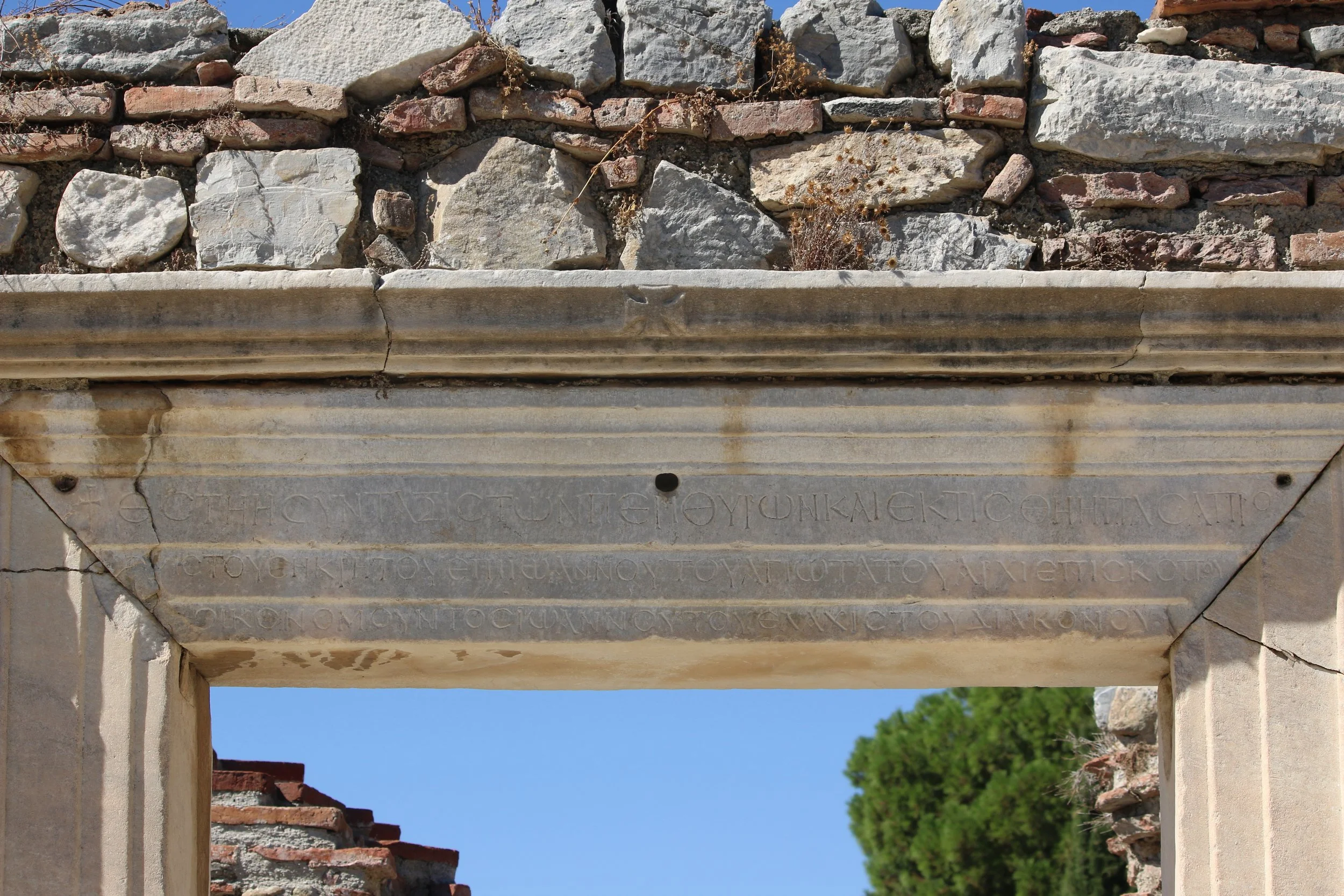
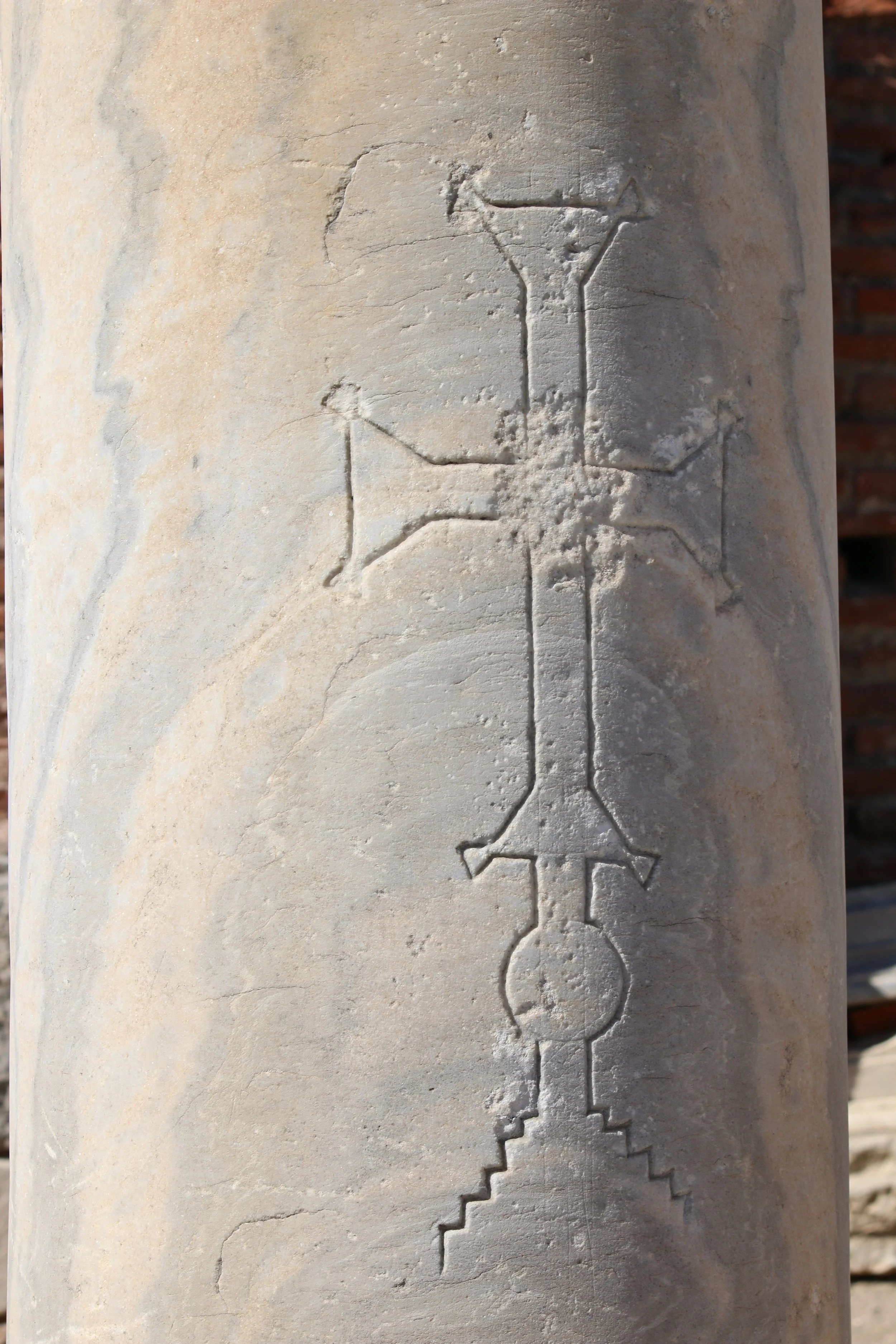
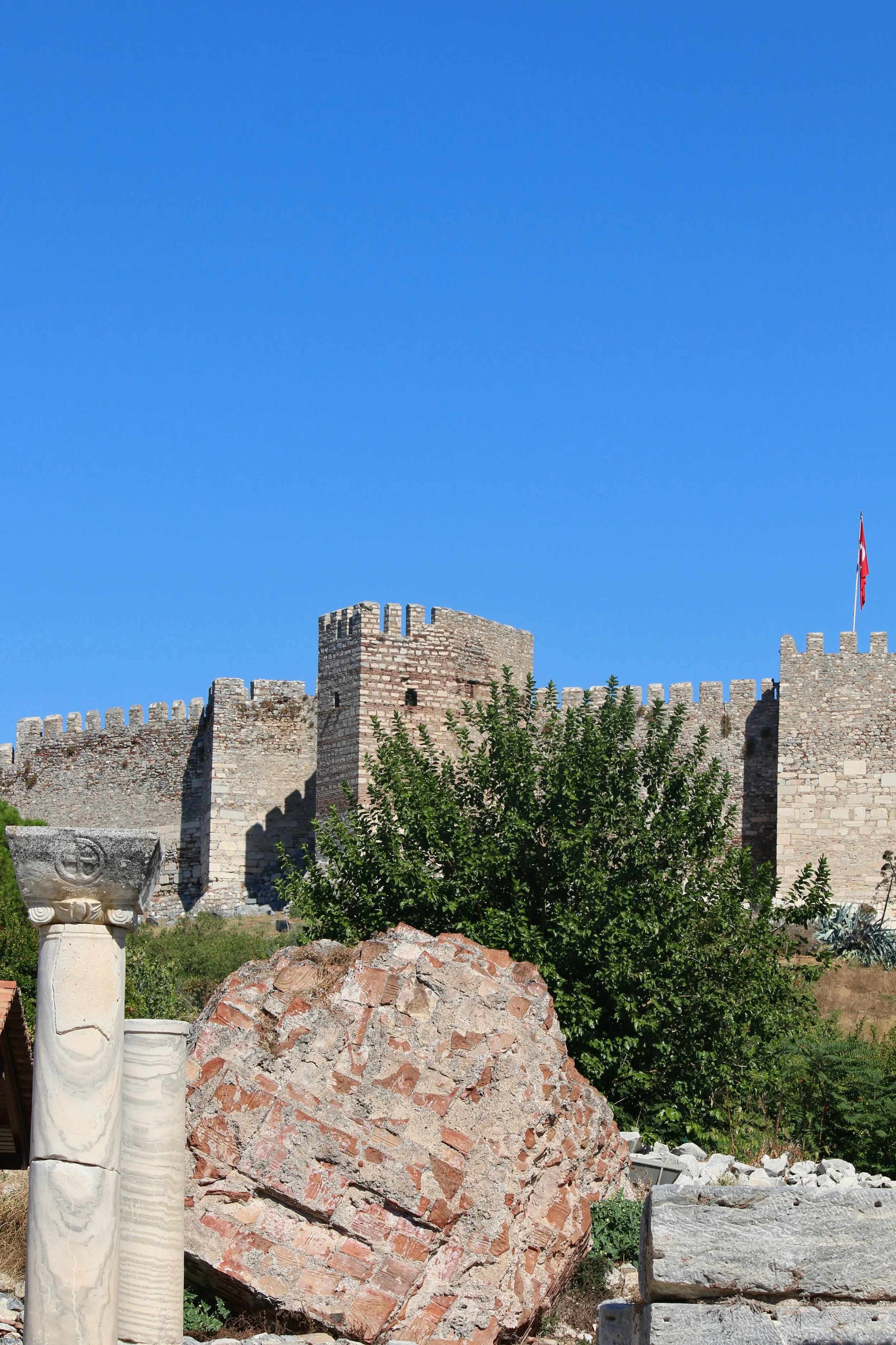
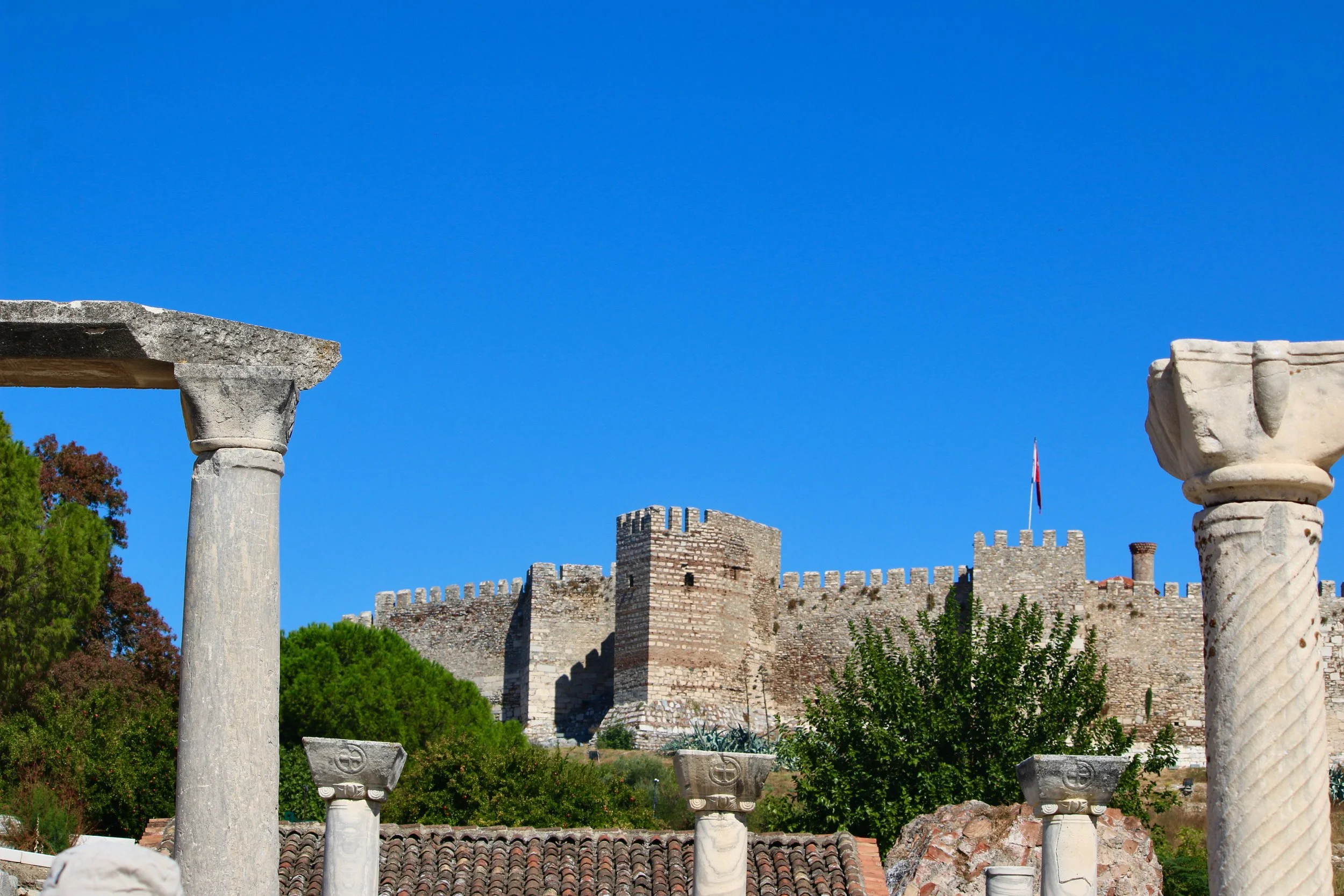
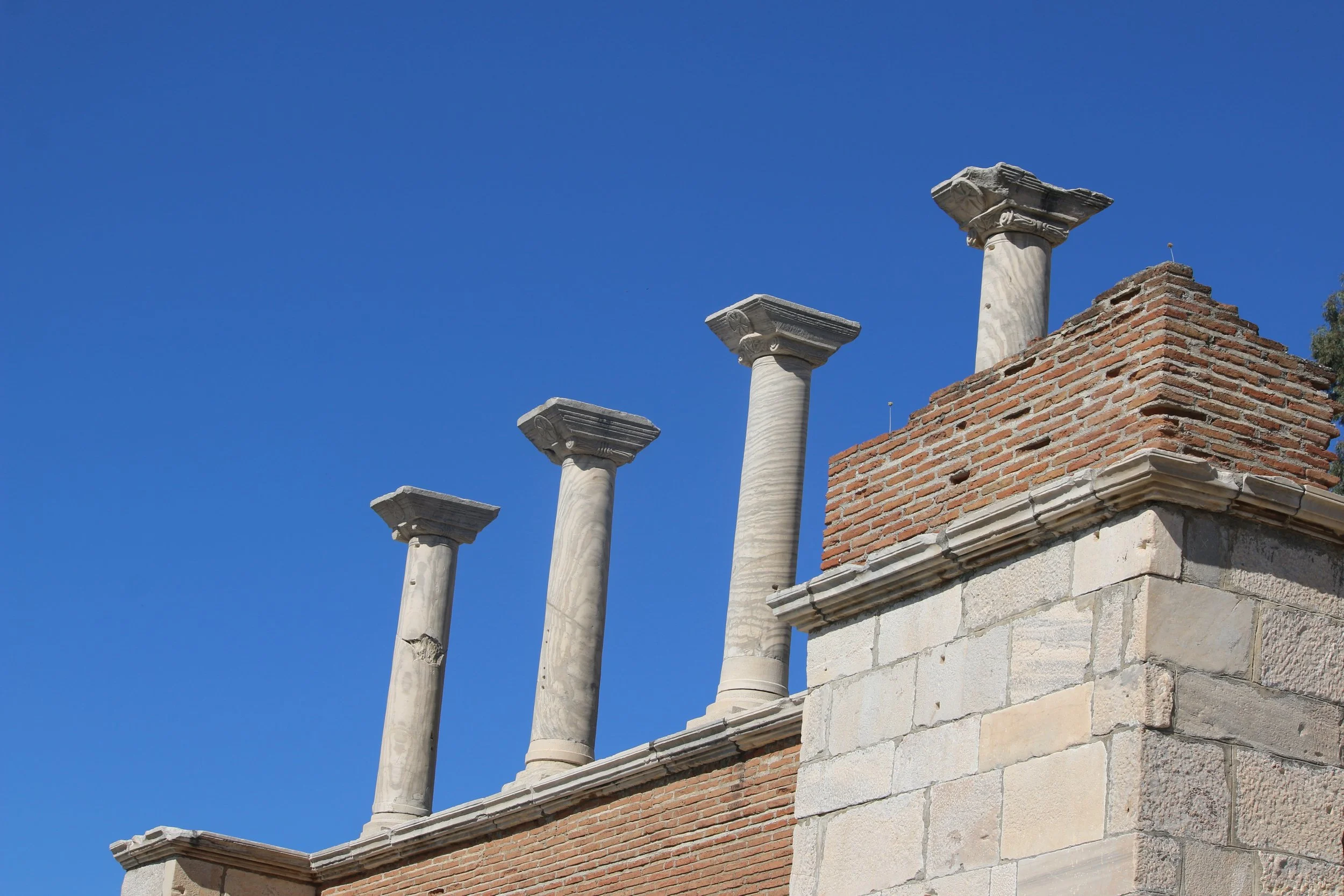
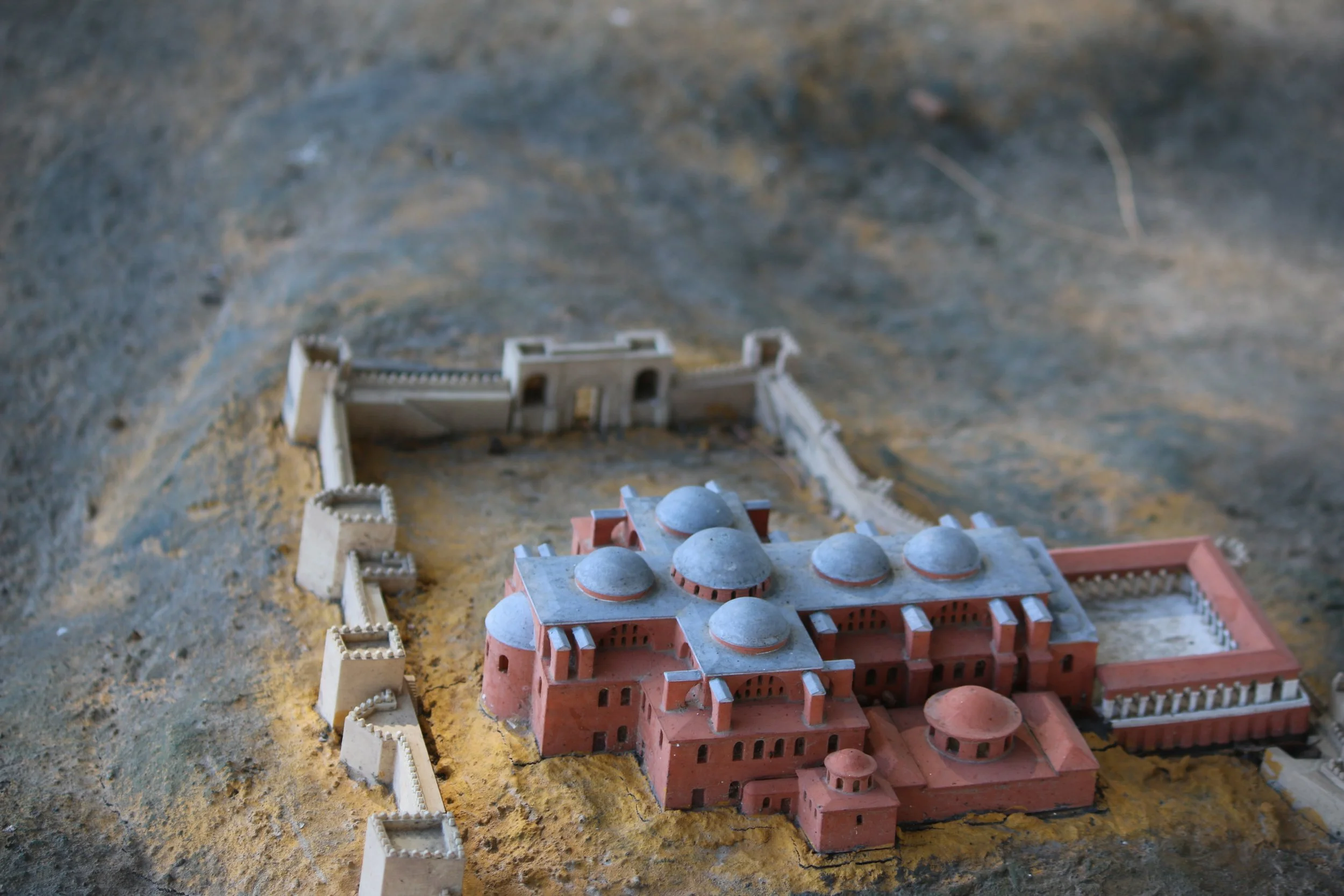
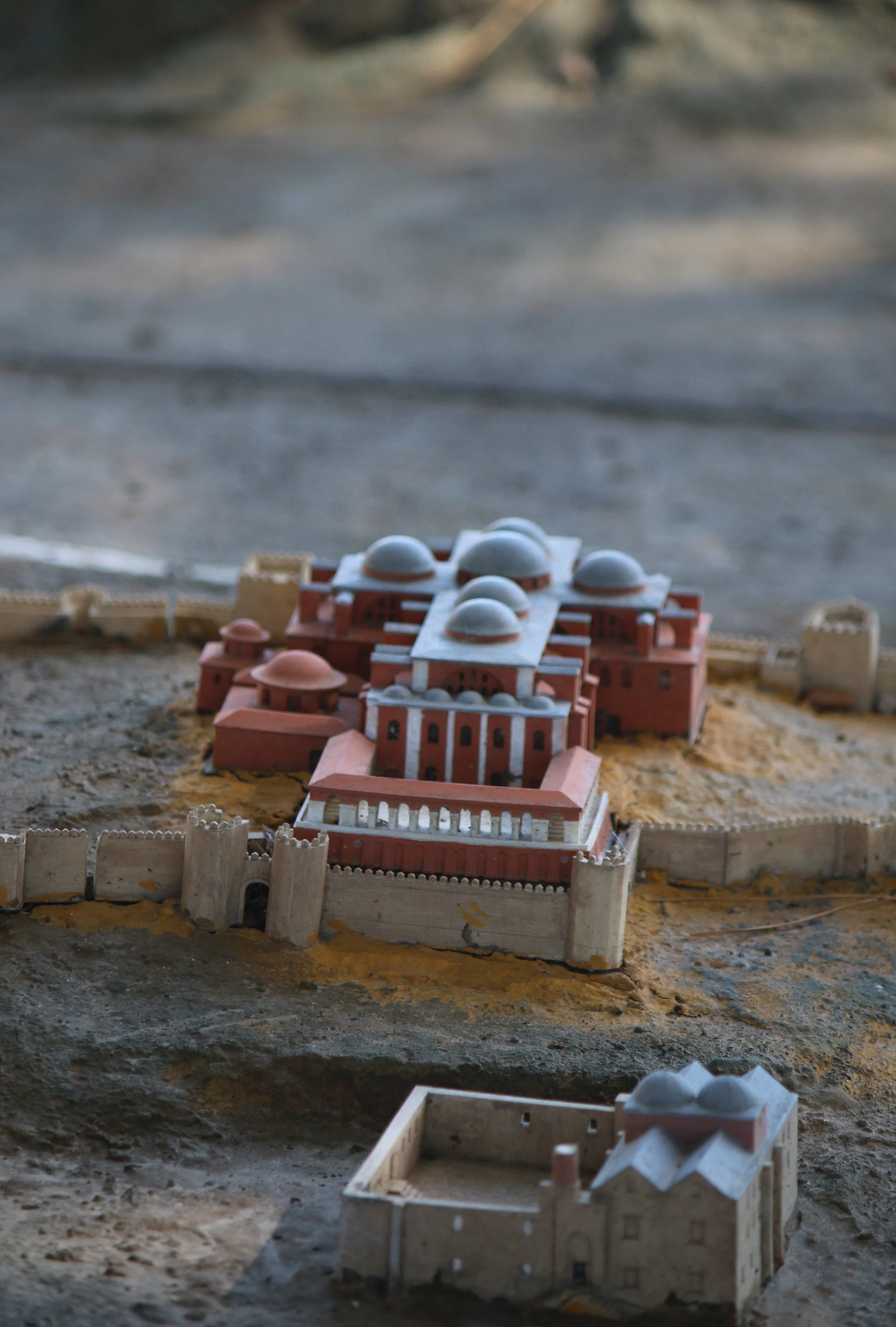
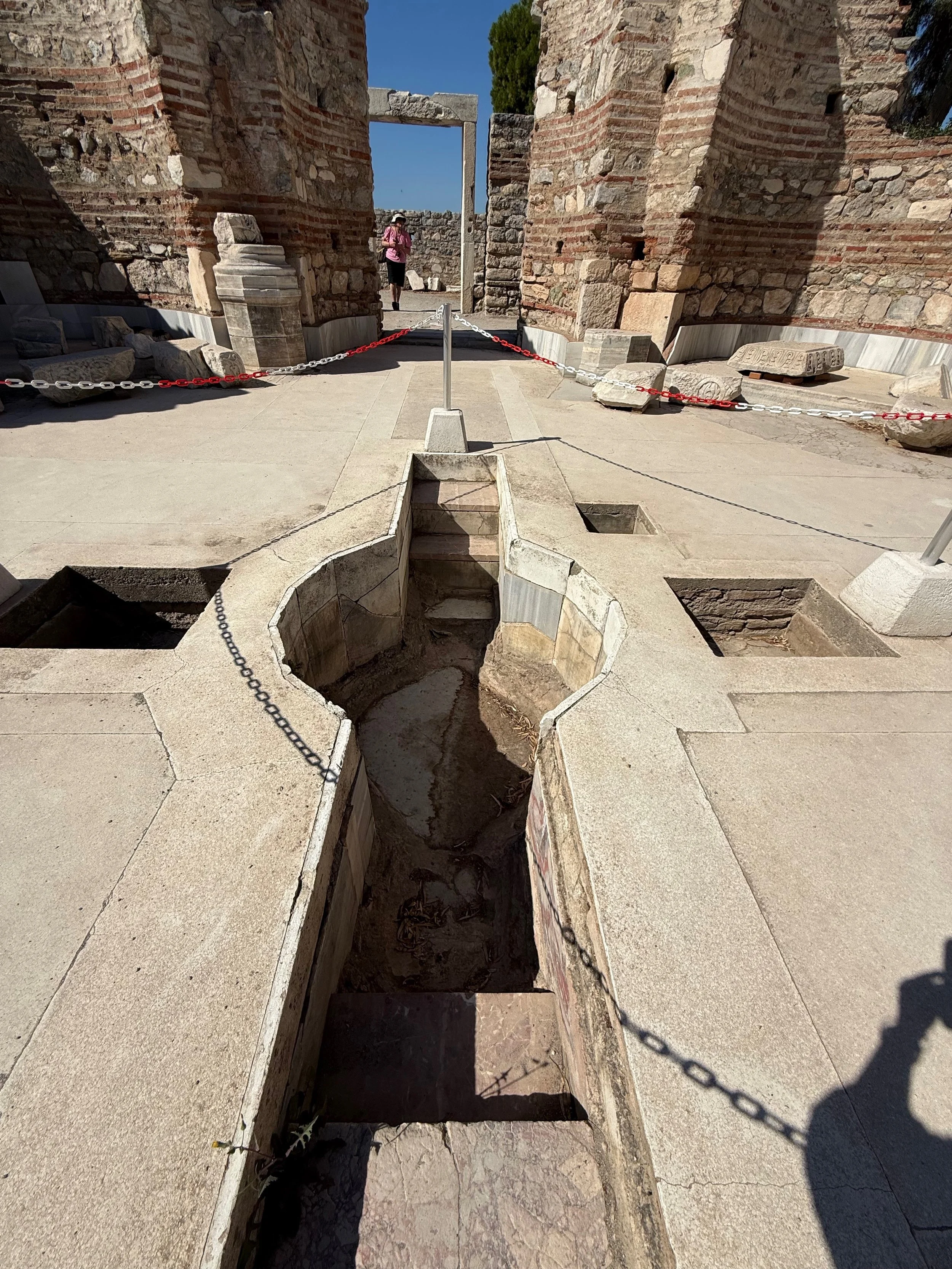
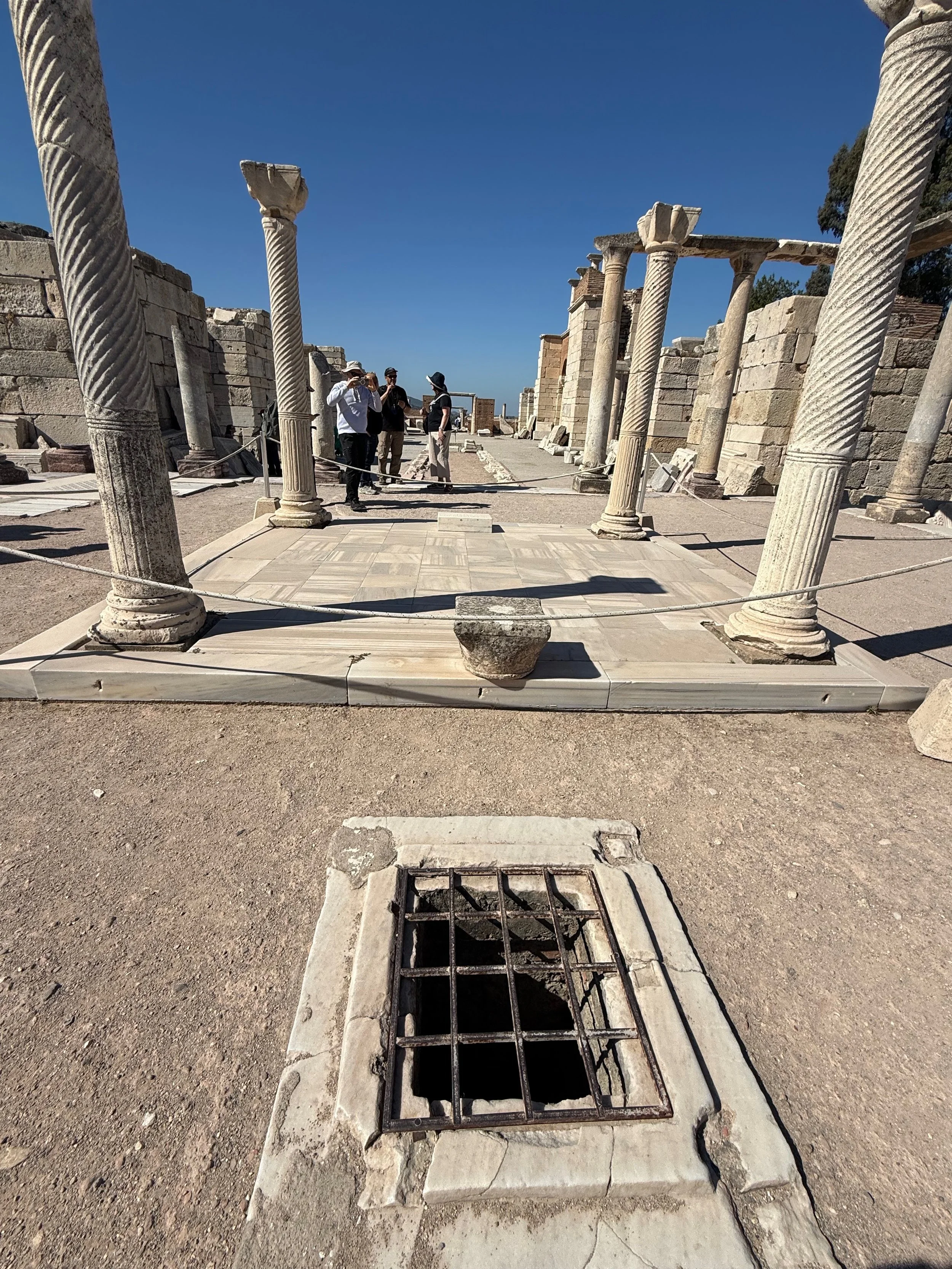
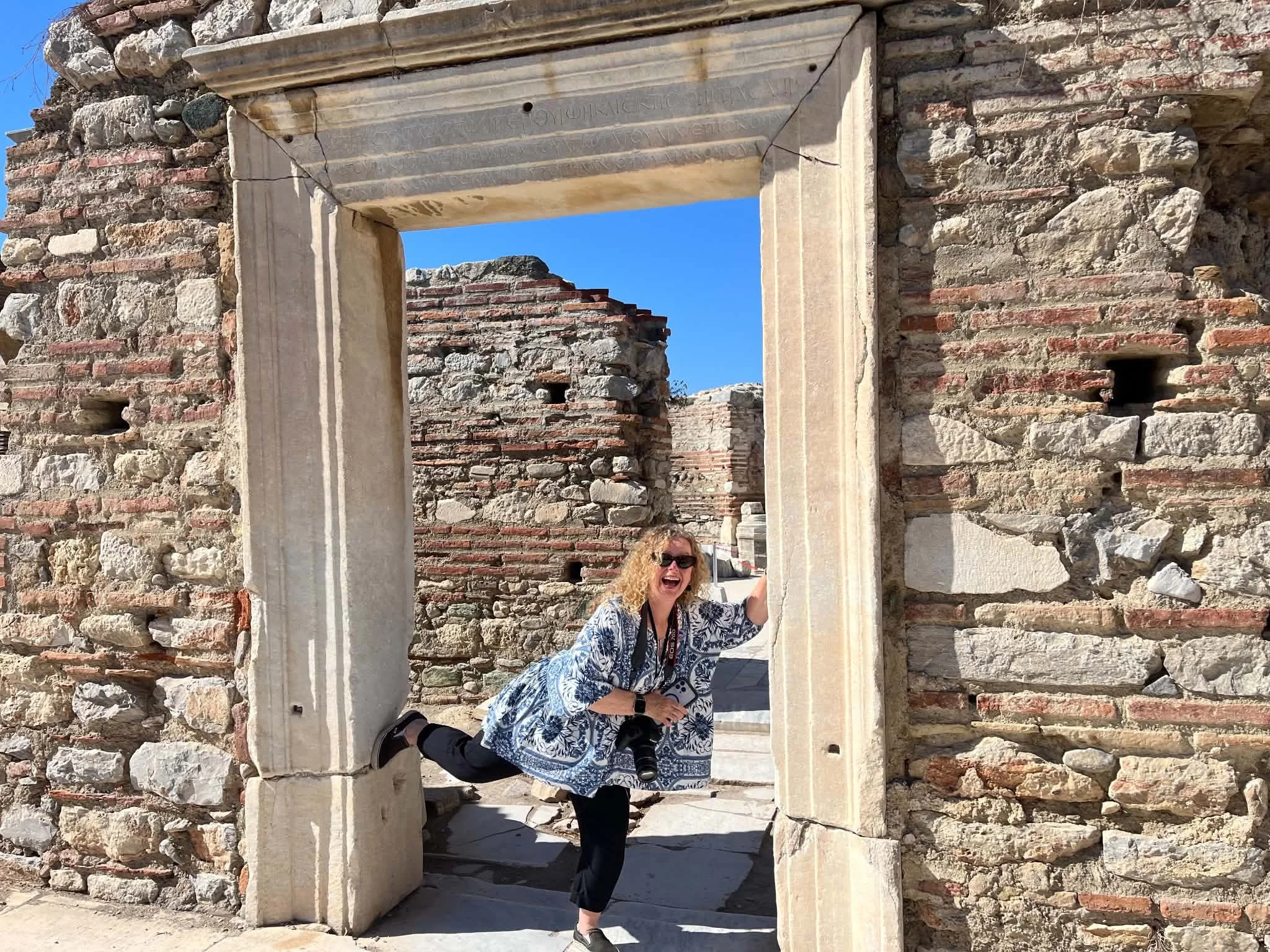
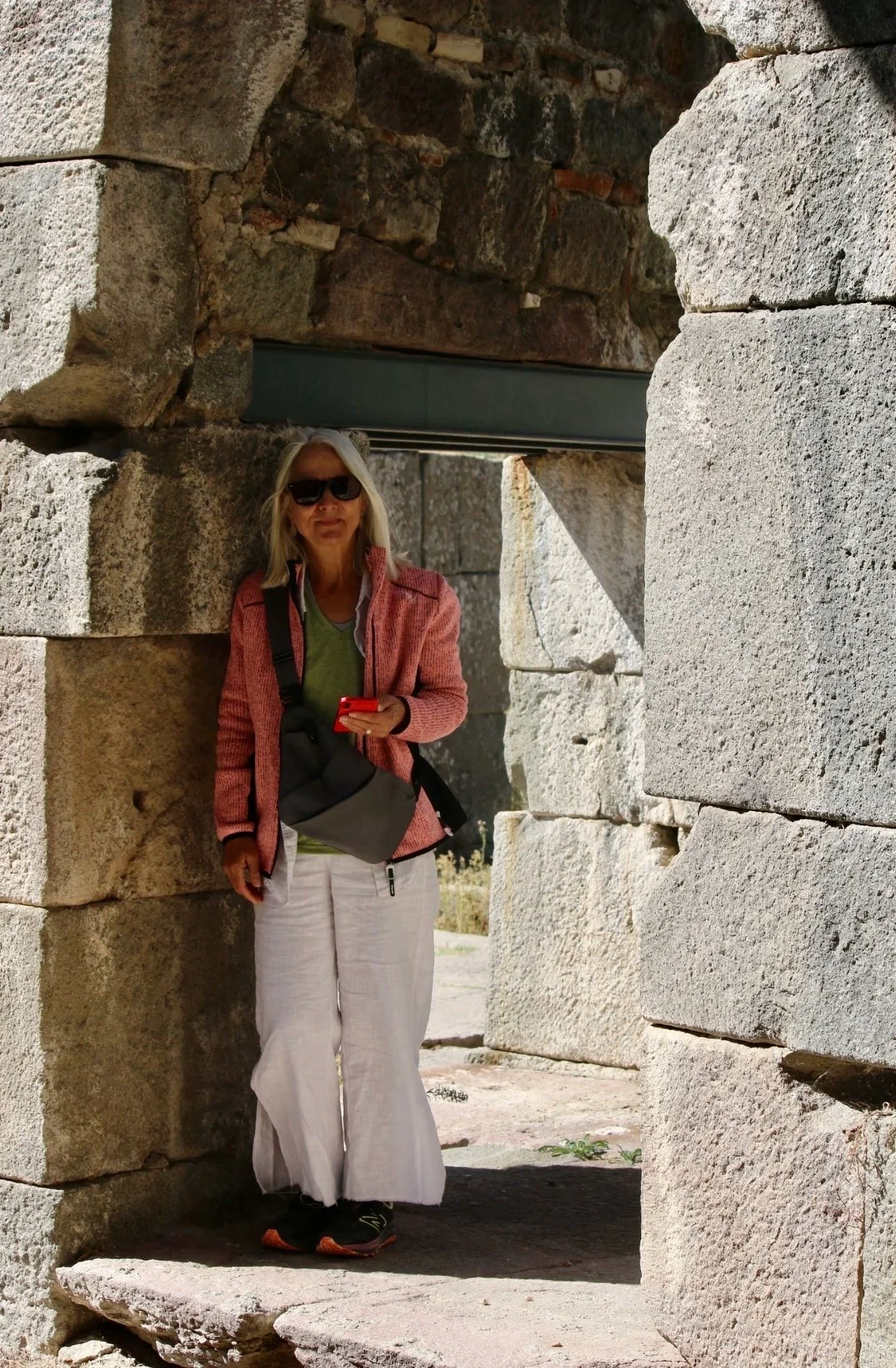
Our team gathered together and made one more ruin-stop to the Church of St John and Mary, also a former seminary. Byzantine Emperor Justinian was responsible for putting this place together in the 1st century on the burial site of the apostle John. Constructed in the shape of a cross, it was a labyrinth of little rooms with windows and doors still in place.
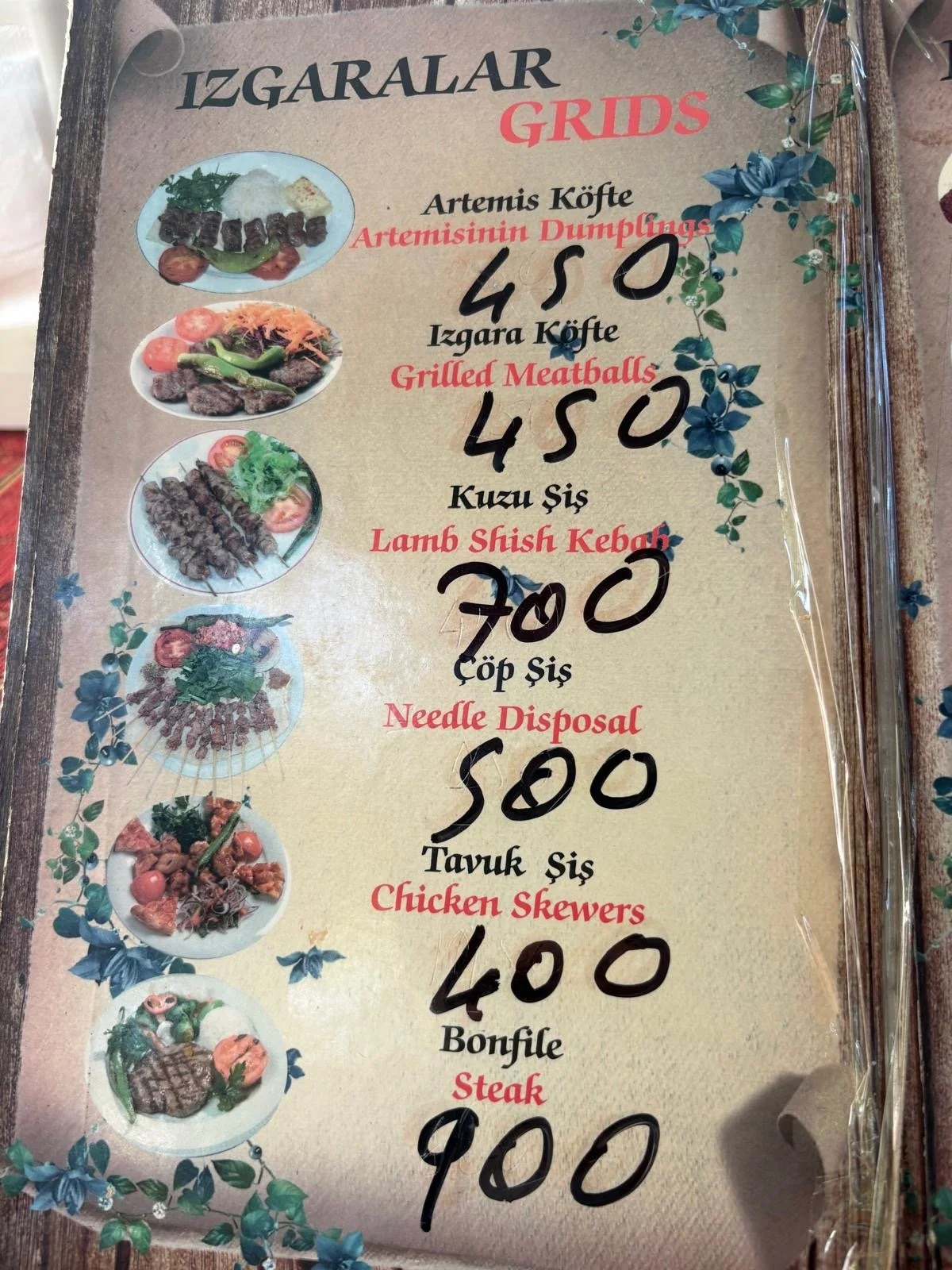
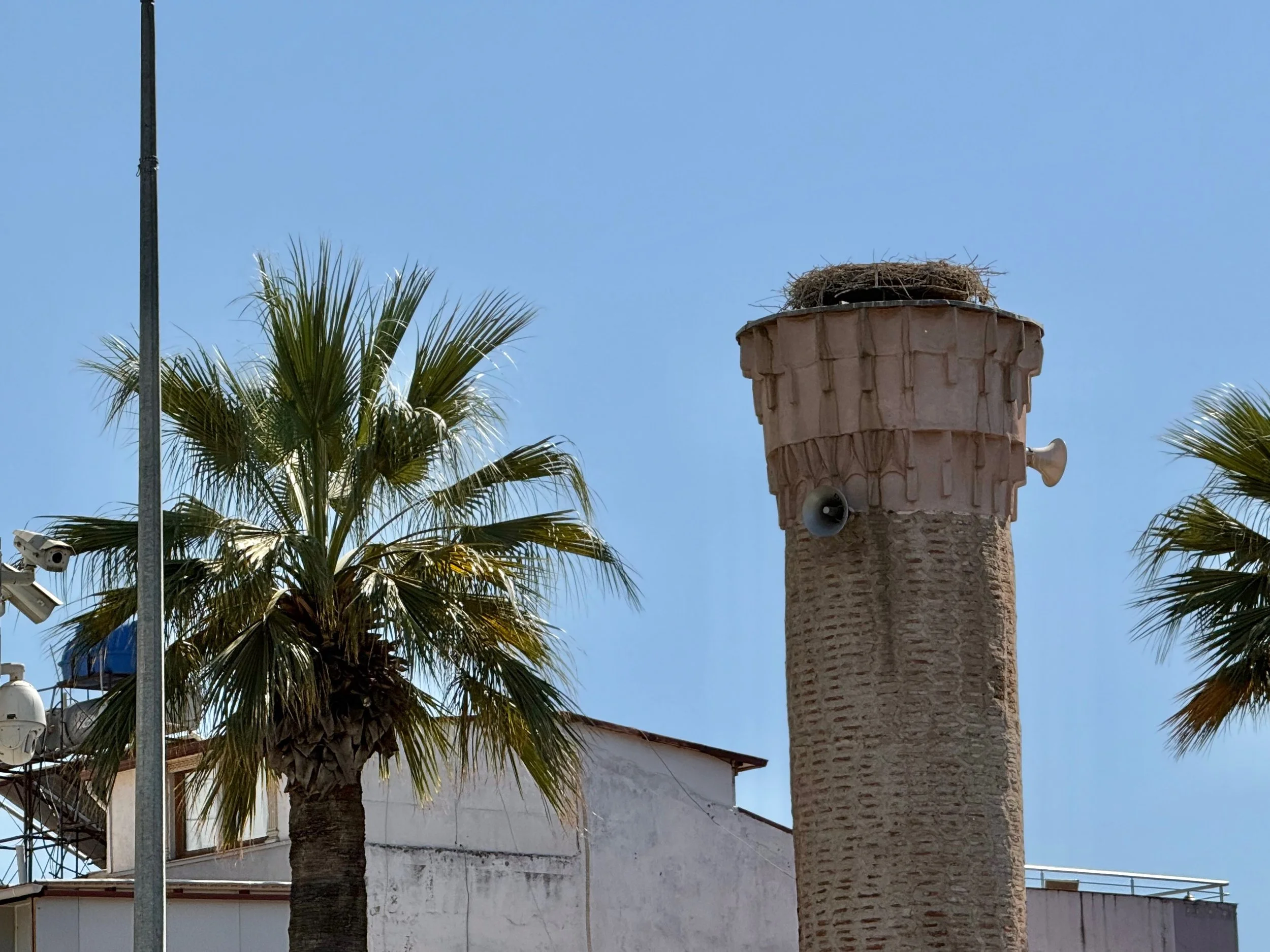
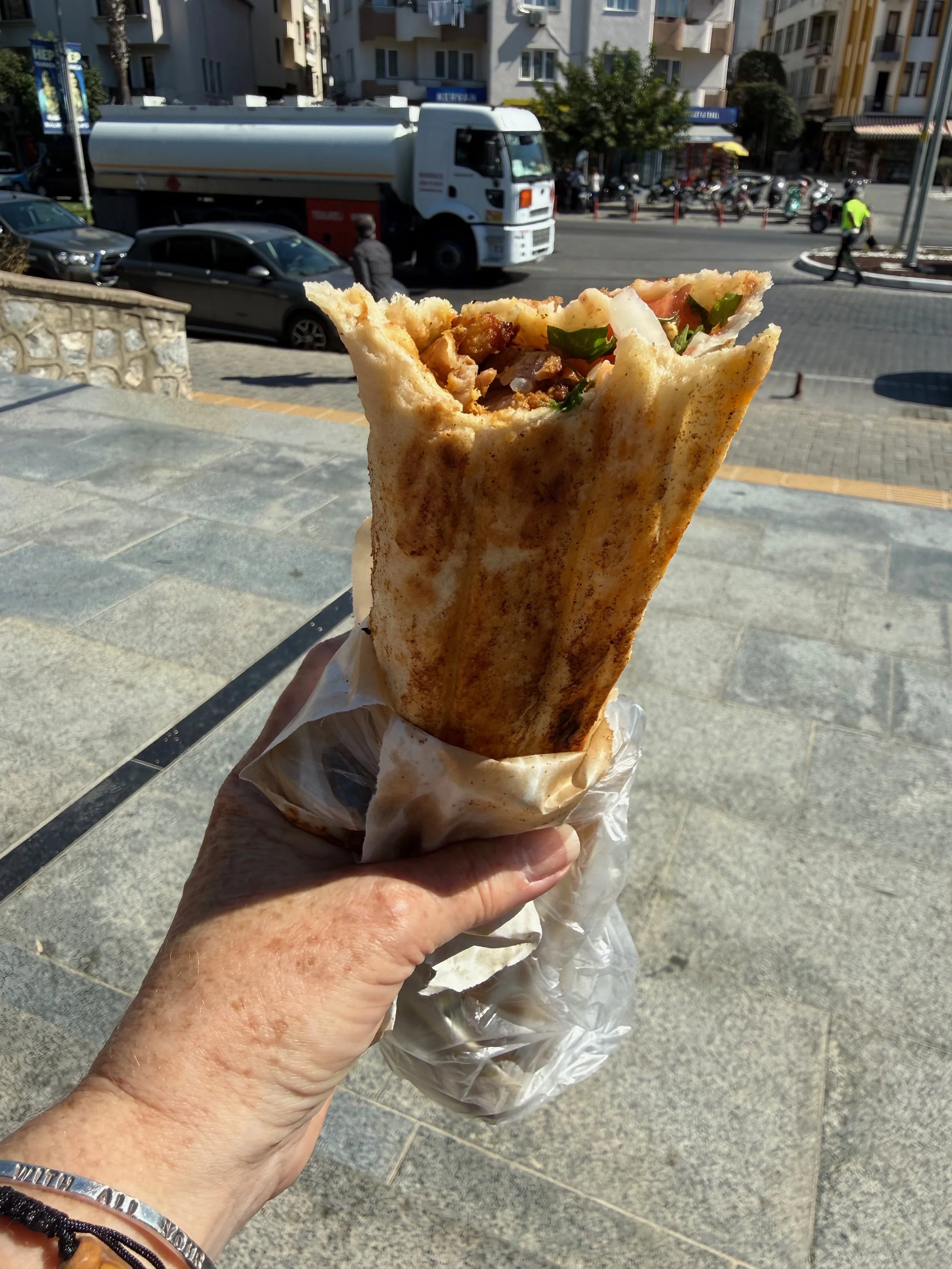
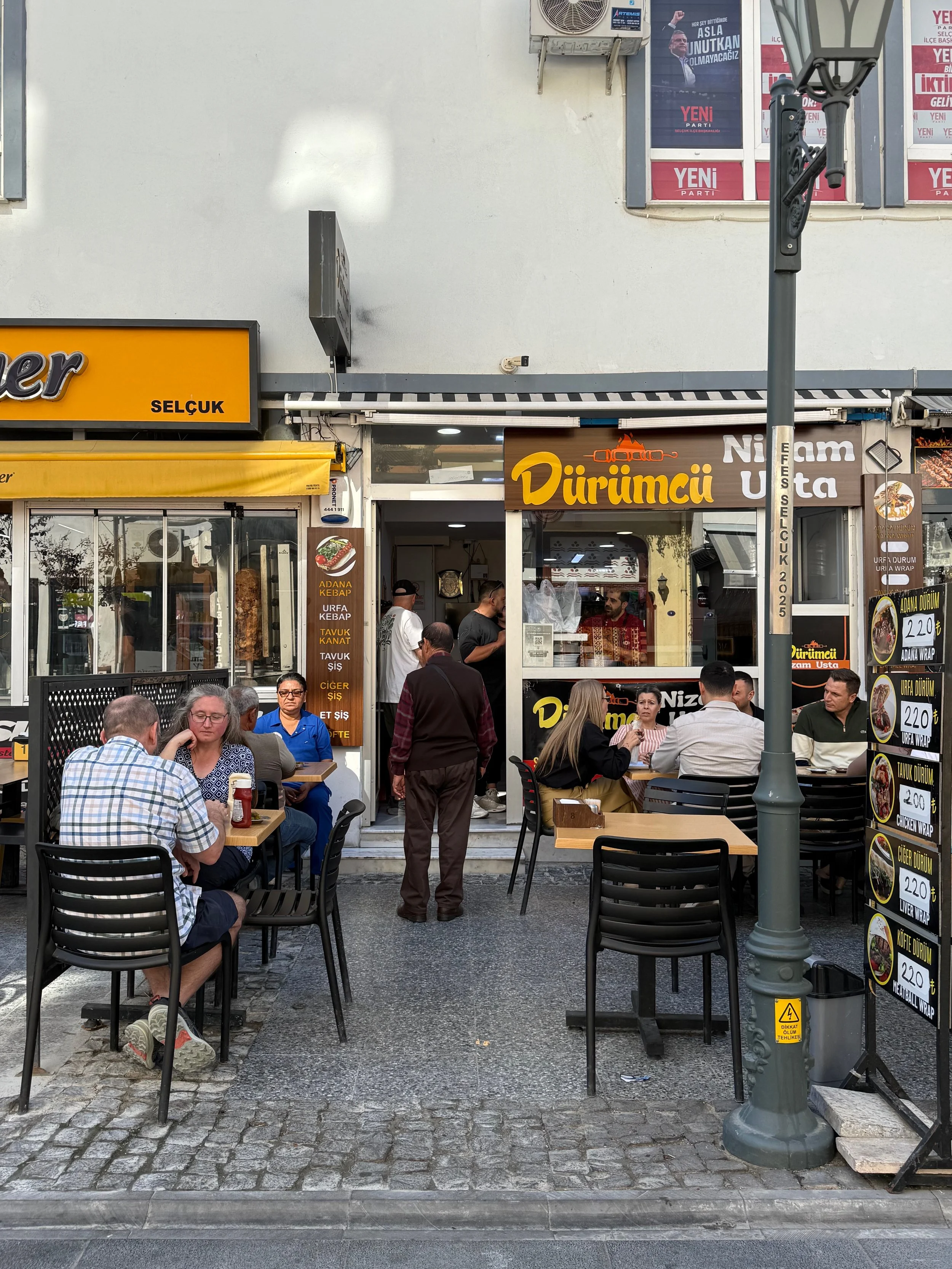
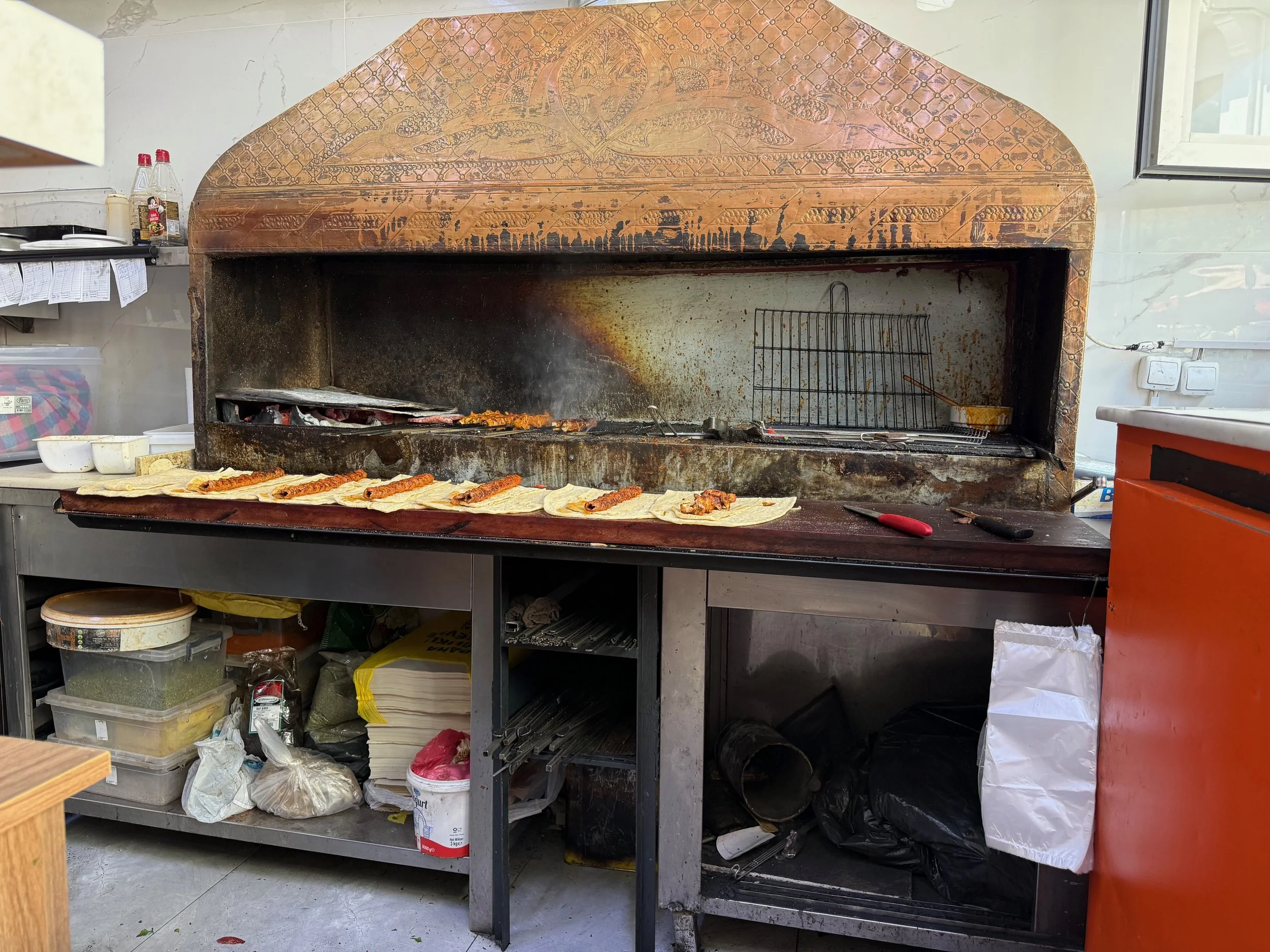
We pulled up in the little town of Selçuk (pronounced ‘sell-chook’) for some lunch. Keen-eyed Tobes noticed one place was absolutely packed with locals and said: ‘that’s where we need to be!’. A hardworking bloke was painstakingly turning shish kebabs over hot coals and the smell was amazing! (It was only appropriate that I order the chook wrap). Once charred but succulent, the meat was slipped off the skewers and onto some soft homemade wraps (with deconstructed tabouli), rolled and toasted on a flame grill to perfect crispness. We’ve decided that while the Turks just don’t do fast food, good things take time and our lunch sure proved this point.
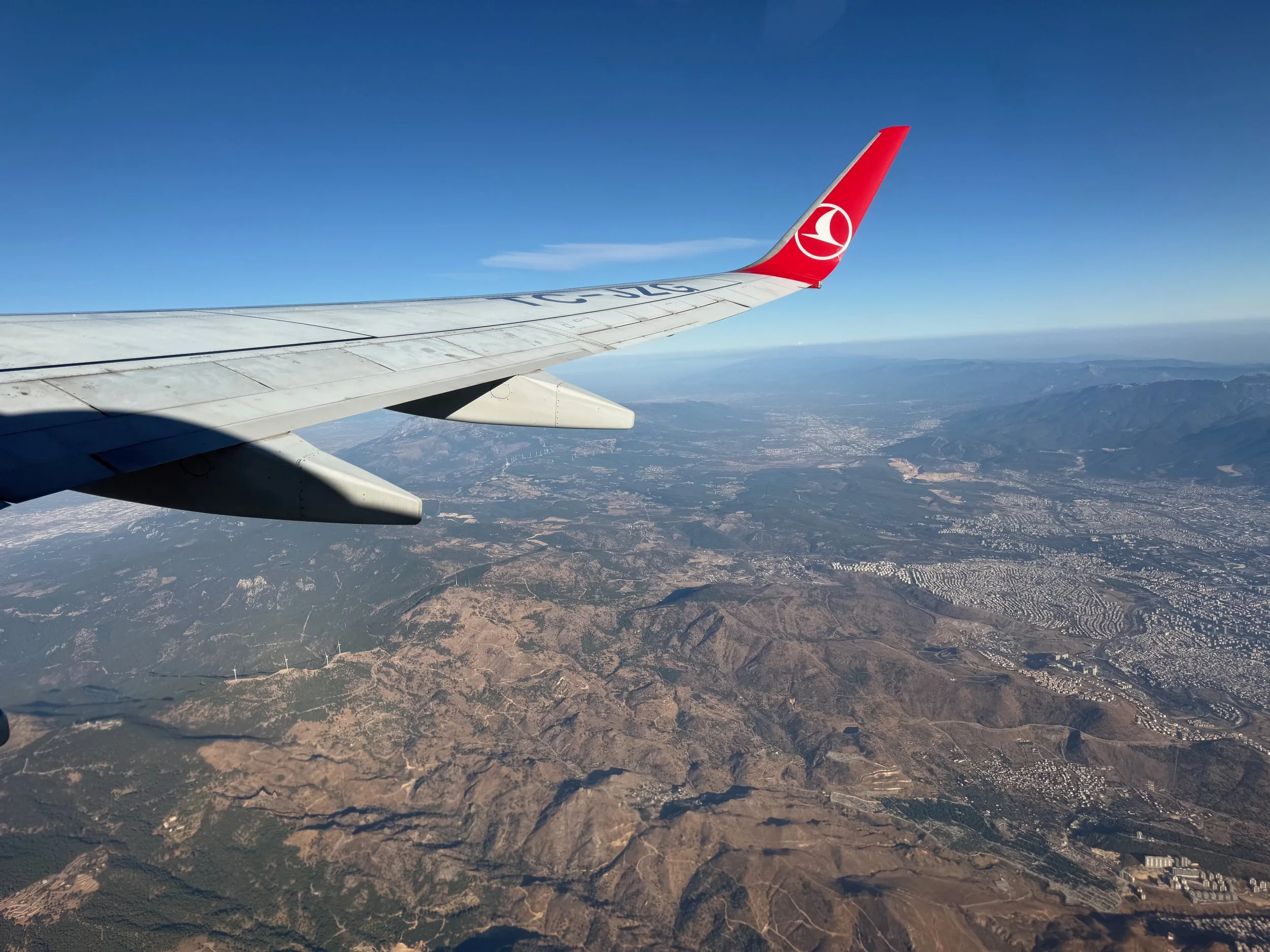
In other news, Jonathan found a Syrian spade foot toad in the gents at Ephesus and Barb and Doug made our flight to Istanbul by the skin of their teeth, receiving a round of applause when they walked up the aisle.
It was late when we arrived at our Istanbul hotel but we have a big day of exploring slated and ready for tomorrow!